Destination
Nepal
23 journeys
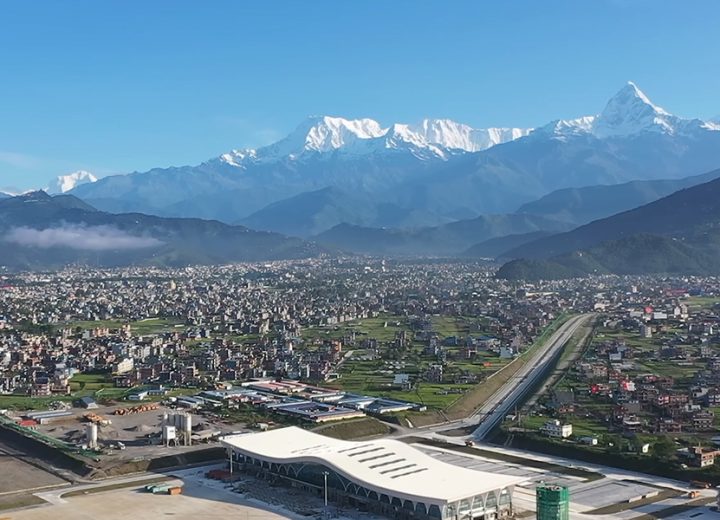
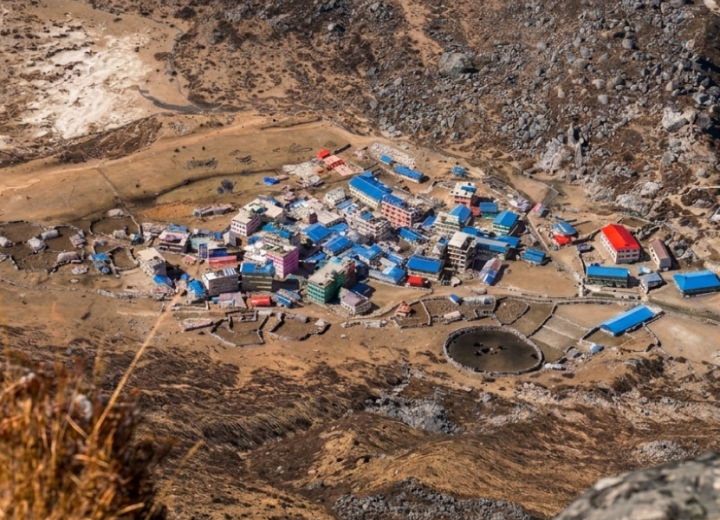
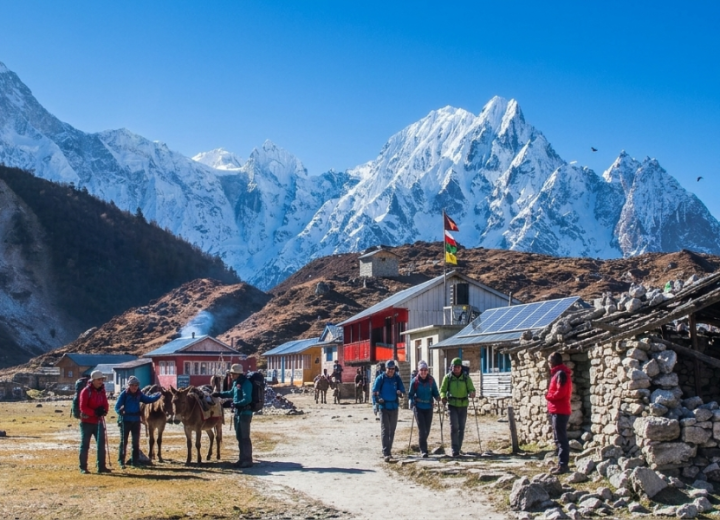
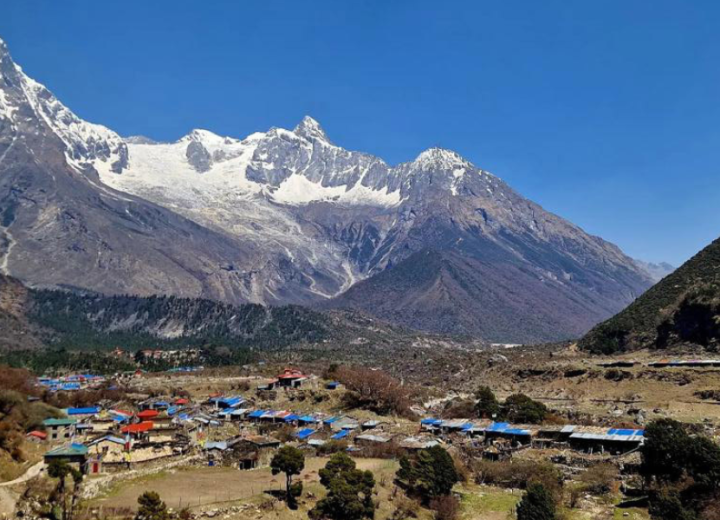
Nepal
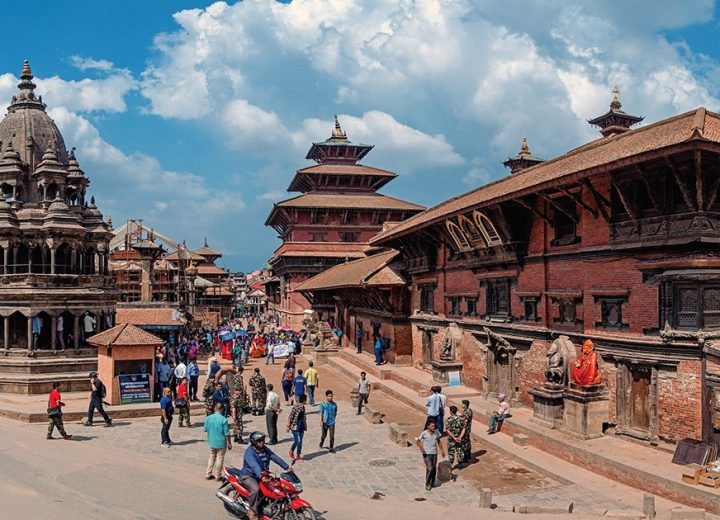
Patan City Tour in Nepal: The Timeless City of Art and Architecture
- 1 Days
- Easy
- 1400m
From USD 1,000
Travel guide
Trekking in Nepal – The Ultimate Himalayan Walking Adventure
Nepal is the world’s most iconic trekking destination, offering an unmatched combination of high Himalayan scenery, rich cultural encounters, and diverse landscapes that range from subtropical valleys to the base of the highest mountains on Earth. Home to the Himalayas, including eight of the world’s fourteen 8,000-meter peaks, Nepal provides trekking experiences for every level—from gentle cultural walks to extreme high-altitude adventures.
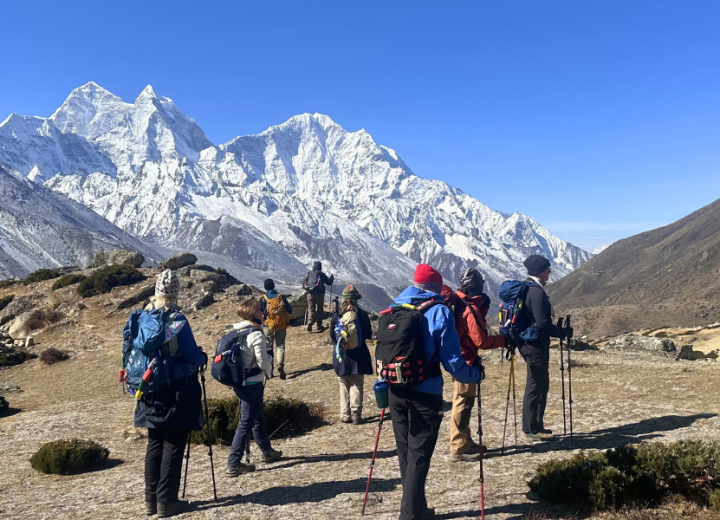
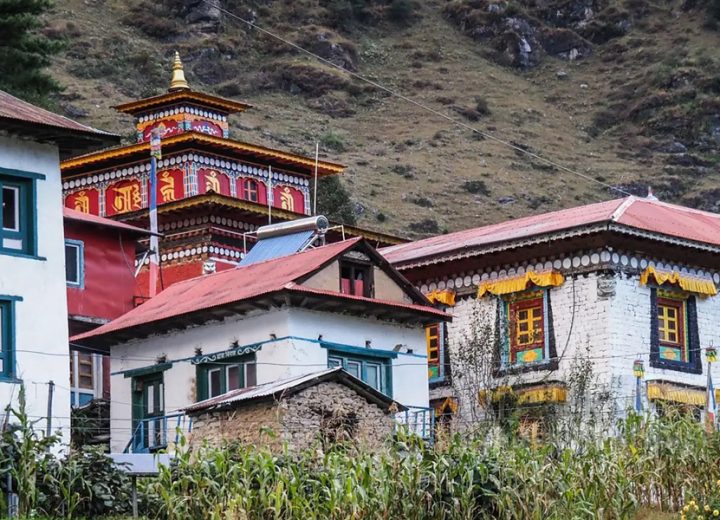
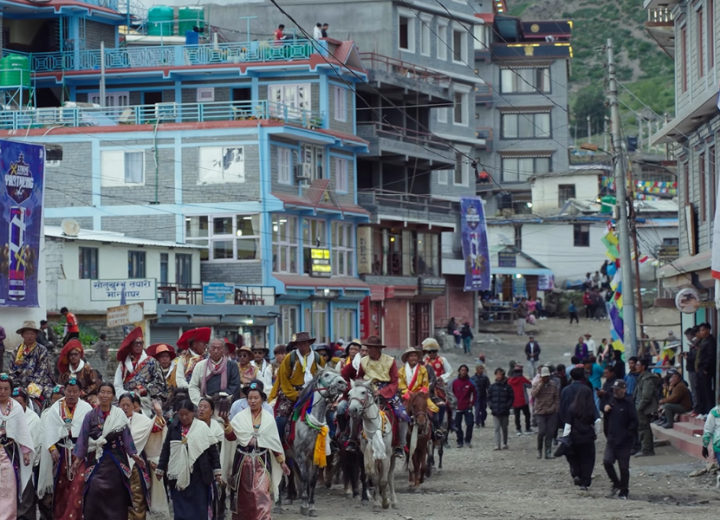
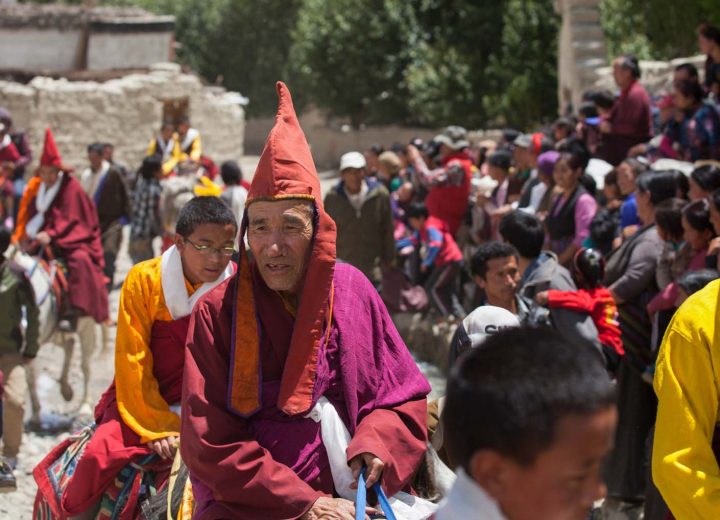
A trekking journey in Nepal is not just a physical activity; it is a deep immersion into mountain life. Trekkers walk through ancient villages, terraced farmlands, alpine forests, suspension bridges, and glacier valleys while interacting with ethnic communities such as the Sherpa, Tamang, Gurung, Magar, Rai, and Limbu people.
Unlike expeditions or technical climbs, trekking focuses on walking-based exploration, where no climbing equipment or mountaineering skills are required for most routes. However, some high-altitude treks do demand strong fitness and acclimatization.
What Defines Trekking in Nepal?
Trekking in Nepal generally refers to multi-day walking journeys through mountain and rural regions, often staying in teahouses or lodges along the route.
Treks vary widely in difficulty and duration, from short scenic hikes to challenging high-altitude expeditions over mountain passes.
Key characteristics of trekking include:
- Multi-day walking journeys (3 to 21+ days depending on route)
- Teahouse or lodge-based accommodation system
- Gradual altitude gain with acclimatization days
- No technical climbing equipment required (on most routes)
- Combination of nature, culture, and mountain scenery
- Professionally guided routes with porter support options
- Well-established trails in most popular regions
Trekking is the most accessible way to experience the Himalayas without needing mountaineering experience.
Why Nepal is the World’s Premier Trekking Destination
Nepal is considered the global capital of trekking for several key reasons.
- First, it offers direct access to the world’s highest mountains, including Everest, Annapurna, Manaslu, Dhaulagiri, and Kanchenjunga, all reachable through established trekking routes.
- Second, Nepal has a highly developed teahouse trekking system, allowing trekkers to stay in local lodges throughout most major routes, eliminating the need for camping on standard treks.
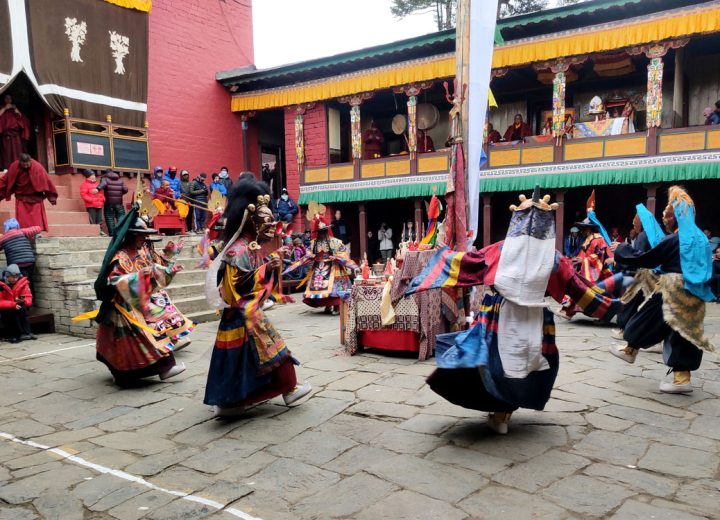
- Third, the country’s cultural diversity is exceptional. Each trekking region offers unique ethnic traditions, languages, festivals, and lifestyles, making trekking both a cultural and natural experience.
- Finally, Nepal’s trekking infrastructure is well-supported by licensed guides, porters, conservation systems, and national park management, ensuring safety and accessibility.
Major Trekking Regions in Nepal
Nepal’s trekking routes are spread across several major Himalayan regions, each offering distinct landscapes, cultures, and difficulty levels.
Everest Region – The World’s Most Famous Trekking Destination
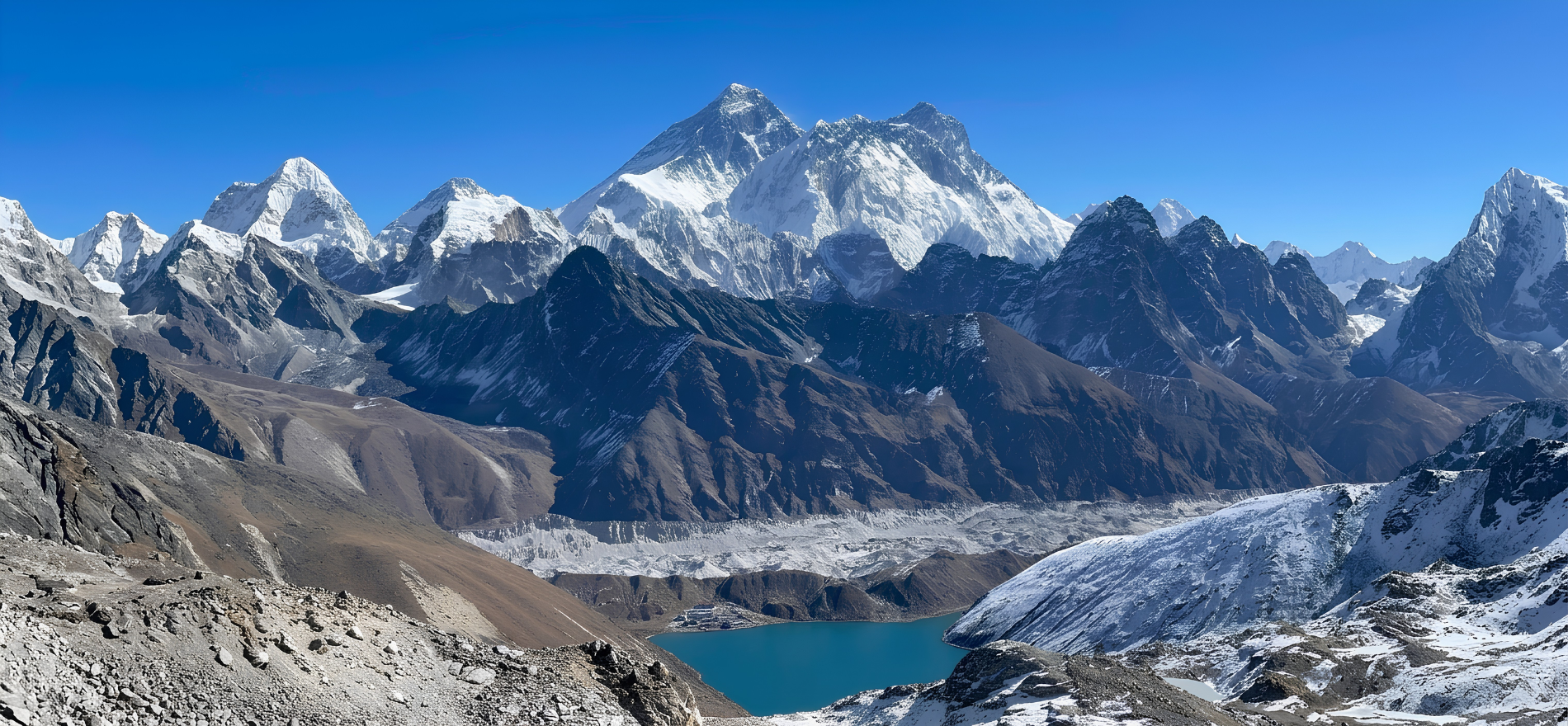
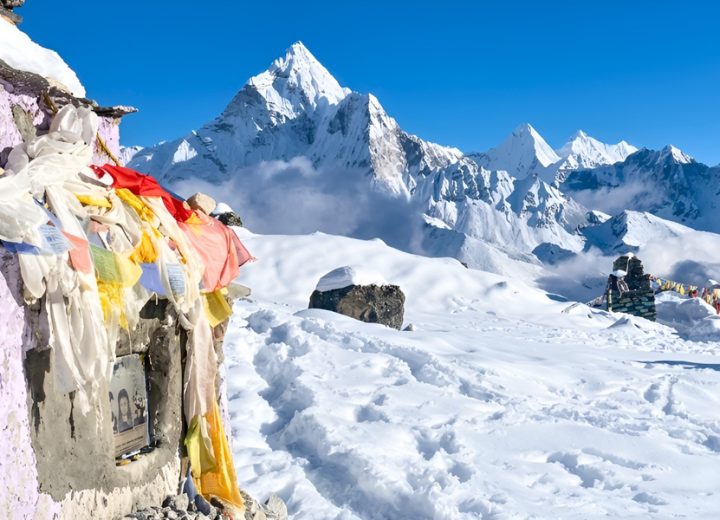
The Everest region is home to the legendary Sagarmatha National Park and the world’s highest mountain.
Everest Base Camp Trek (5,364m)
The most iconic trekking route in the world, leading to the base of Mount Everest through Sherpa villages like Namche Bazaar, Tengboche, and Dingboche.
Gokyo Lakes Trek
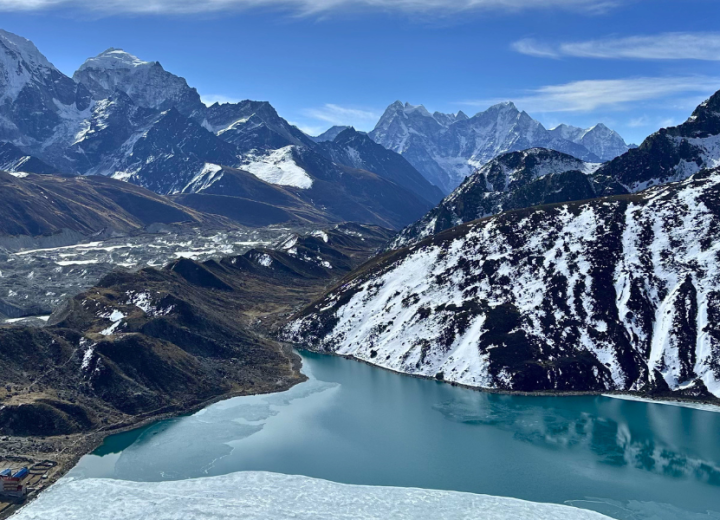
A scenic alternative route featuring turquoise glacial lakes and panoramic views from Gokyo Ri.
Everest Three Passes Trek
A challenging circuit crossing high mountain passes such as Kongma La, Cho La, and Renjo La.
Everest View Trek
A shorter and easier route offering Everest views without reaching base camp.
Annapurna Region – The Most Diverse Trekking Area
The Annapurna region is Nepal’s most versatile trekking destination, offering everything from short scenic hikes to high mountain circuits.
Annapurna Base Camp Trek (4,130m)
A classic trek into the Annapurna Sanctuary surrounded by massive Himalayan peaks.
Annapurna Circuit Trek
One of the world’s greatest trekking journeys crossing Thorong La Pass (5,416m).
Poon Hill Trek
A short and popular trek known for sunrise views over Annapurna and Dhaulagiri.
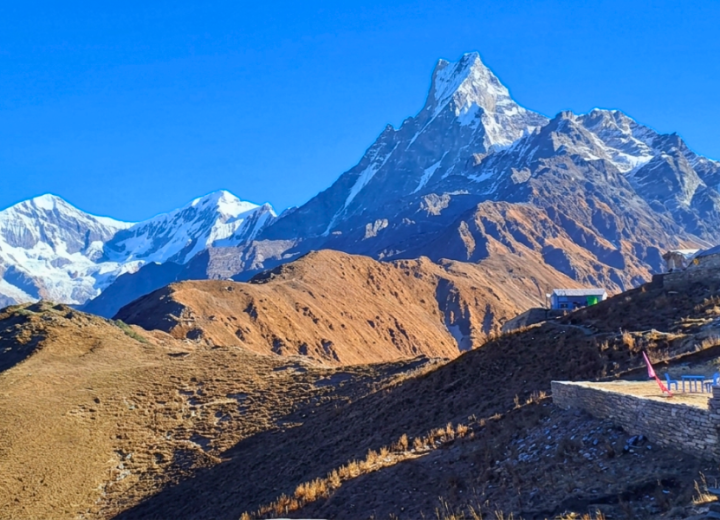
Mardi Himal Trek
A relatively new and quieter trekking route with close-up mountain views.
Langtang Region – The Closest Himalayan Trek from Kathmandu
The Langtang region is ideal for short and moderate treks close to the capital.
Langtang Valley Trek
A beautiful valley trek featuring glaciers, Tamang villages, and alpine scenery.
Langtang–Gosaikunda Trek
Combines sacred lakes with Himalayan landscapes.
Tamang Heritage Trail
A cultural trekking route through traditional Tamang villages.
Manaslu Region – Remote and Restricted Wilderness Trek
The Manaslu region offers a more remote and less crowded trekking experience.
Manaslu Circuit Trek (5,160m – Larke La Pass)
A challenging circuit around Mount Manaslu, the world’s eighth-highest peak.
Tsum Valley Trek
A sacred Himalayan valley rich in Tibetan Buddhist culture.
Mustang Region – The Hidden Himalayan Desert
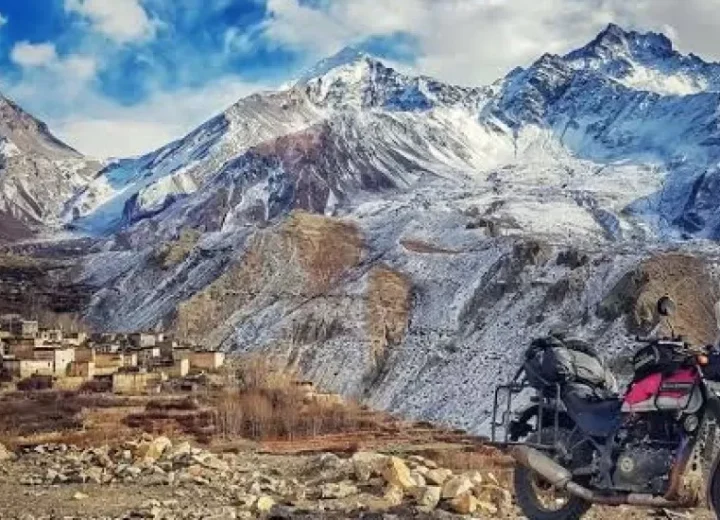
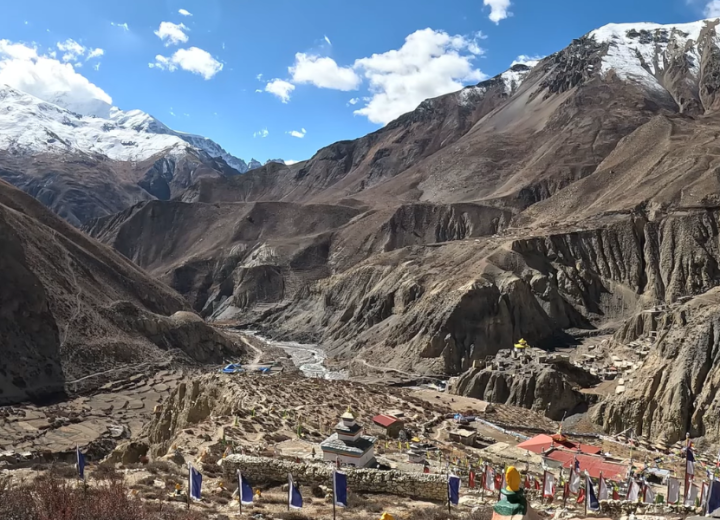
Mustang offers a unique trekking experience in a high-altitude desert environment.
Upper Mustang Trek
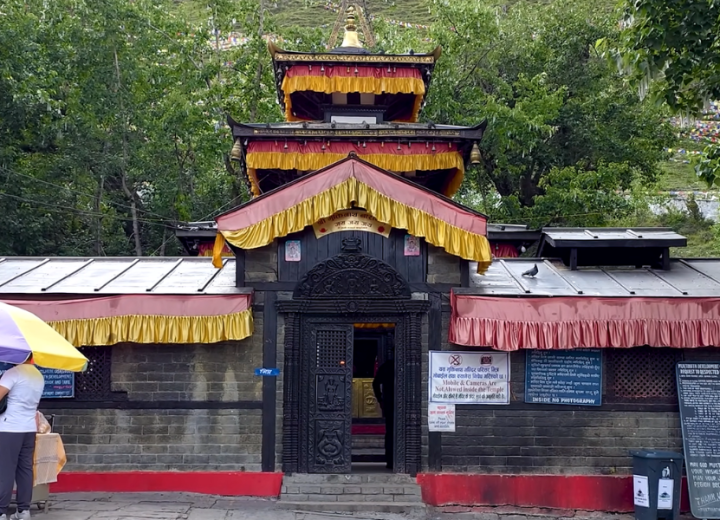
A restricted cultural trek to the ancient walled city of Lo Manthang.
Lower Mustang Trek
A more accessible version with dramatic desert landscapes and Tibetan culture.
Kanchenjunga Region – The Remote Eastern Frontier
One of Nepal’s least explored trekking regions.
Kanchenjunga Base Camp Trek
A long and remote expedition-style trek to the base of the world’s third-highest mountain.
Dolpo Region – The Forbidden Himalayan Land
One of the most isolated trekking regions in Nepal.
Upper Dolpo Trek
A culturally Tibetan region with extreme remoteness and raw landscapes.
Lower Dolpo Trek
A slightly more accessible version with similar wilderness experience.
Best Seasons for Trekking in Nepal
Trekking in Nepal is highly seasonal due to weather and altitude conditions.
Spring Season (March – May)
- Best overall trekking season
- Rhododendron blooms and clear mountain views
- Stable weather and moderate temperatures
Autumn Season (September – November)
- Most popular trekking season
- Crystal-clear skies and excellent visibility
- Best conditions for all major trekking routes
Winter Season (December – February)
- Cold but less crowded trails
- Suitable for lower-altitude treks
Monsoon Season (June – August)
- Heavy rain in most regions
- Best for rain-shadow areas like Upper Mustang and Dolpo
Permits, Regulations & Trekking Structure
Trekking in Nepal is regulated by the Government of Nepal and requires proper permits depending on the region.
Common requirements include:
- Trekking permits (ACAP, MCAP, or national park permits)
- TIMS card (Trekkers’ Information Management System)
- Restricted area permits (for Mustang, Manaslu, Dolpo, Kanchenjunga, etc.)
- All permits must be arranged through registered trekking agencies.
Equipment & Trekking Support
Trekking requires essential outdoor gear, but no technical climbing equipment is needed for most routes.
Essential items include:
- Trekking boots and layered clothing
- Waterproof jacket and warm insulation layers
- Sleeping bag (for colder regions)
- Backpack and trekking poles
- Sunglasses, sunscreen, and personal medication
- Support services typically include:
- Licensed trekking guide
- Porter services for luggage
- Teahouse accommodation arrangements
- Route navigation and safety management
Who Can Join Trekking in Nepal?
Trekking in Nepal is suitable for a wide range of travelers.
Ideal participants include:
- Beginners (on short and easy treks like Poon Hill or Everest View Trek)
- Moderate trekkers (Annapurna Base Camp, Langtang Valley)
- Experienced trekkers (Manaslu Circuit, Everest Three Passes, Upper Mustang)
Basic requirements:
- Moderate physical fitness for walking 4–7 hours per day
- Ability to handle altitude on high mountain routes
- Willingness to adapt to basic mountain lodge conditions