Wildlife Safari In Nepal · Nepal
Wildlife Hunting In Nepal
- Duration12 Days
- DifficultyModerate
- Max altitude3000m
- Group size17 People
- Best seasonSEP-NOV, MAR-MAY
- Start / finishKathmandu
Trip overview
Wildlife hunting in Nepal is a strictly controlled and highly regulated activity conducted only in designated government-approved areas. Unlike wildlife safari experiences in national parks, hunting is not permitted in conservation areas or protected wildlife reserves.
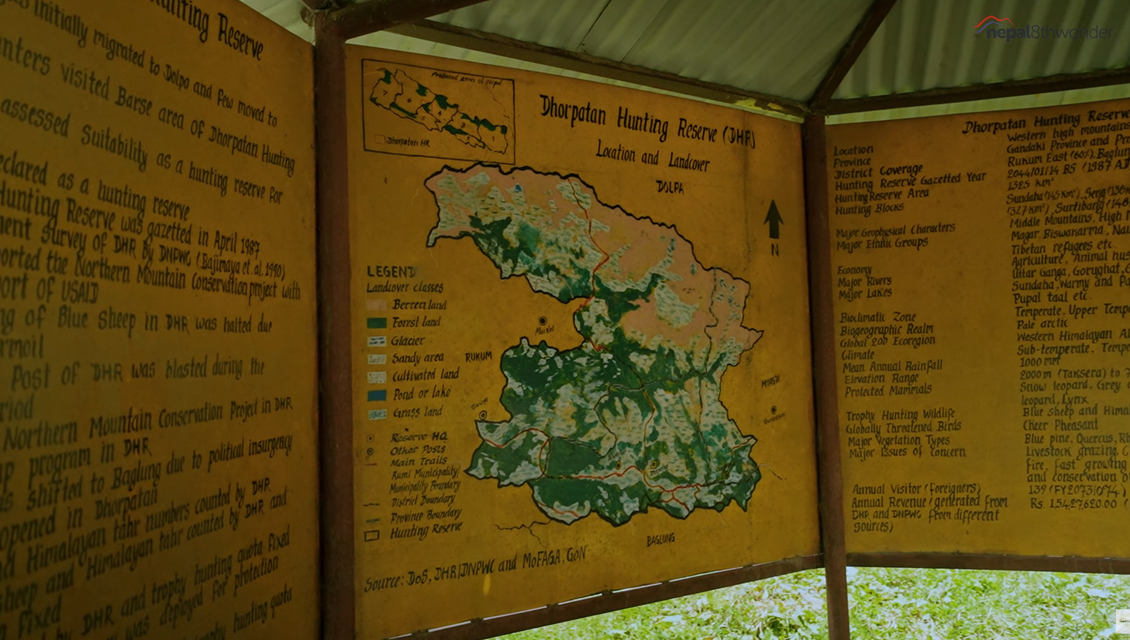
The only legal hunting destination in Nepal is the Dhorpatan Hunting Reserve, located in the western Himalayan region. This reserve is internationally recognized as Nepal’s sole controlled hunting zone, where limited, quota-based hunting is permitted under strict supervision of the Government of Nepal.
This experience is designed for licensed international hunters, researchers, and regulated trophy hunting participants who comply with all legal frameworks, permits, and conservation guidelines. The activity is fully managed to ensure ecological balance, species protection, and sustainable wildlife management.
Geography and Landscape
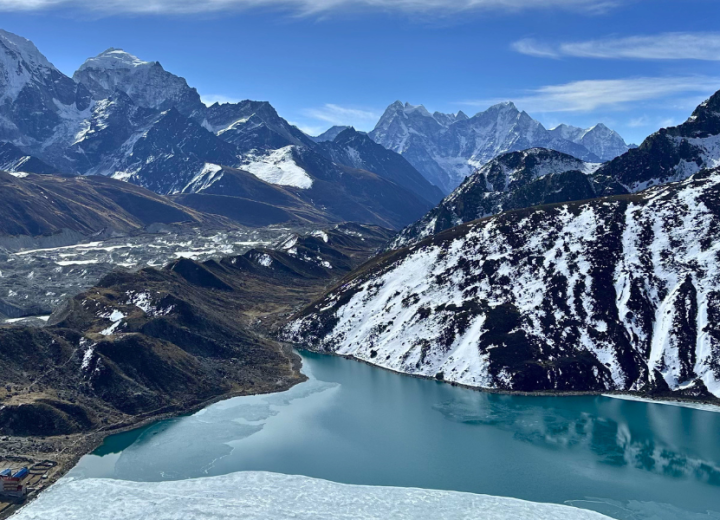
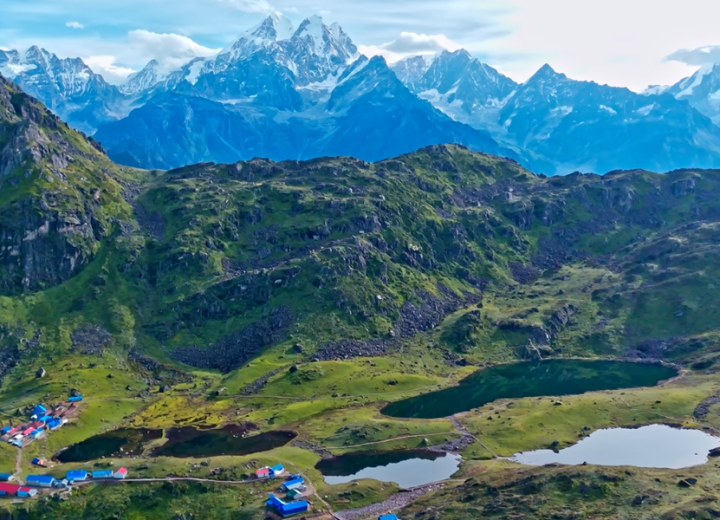
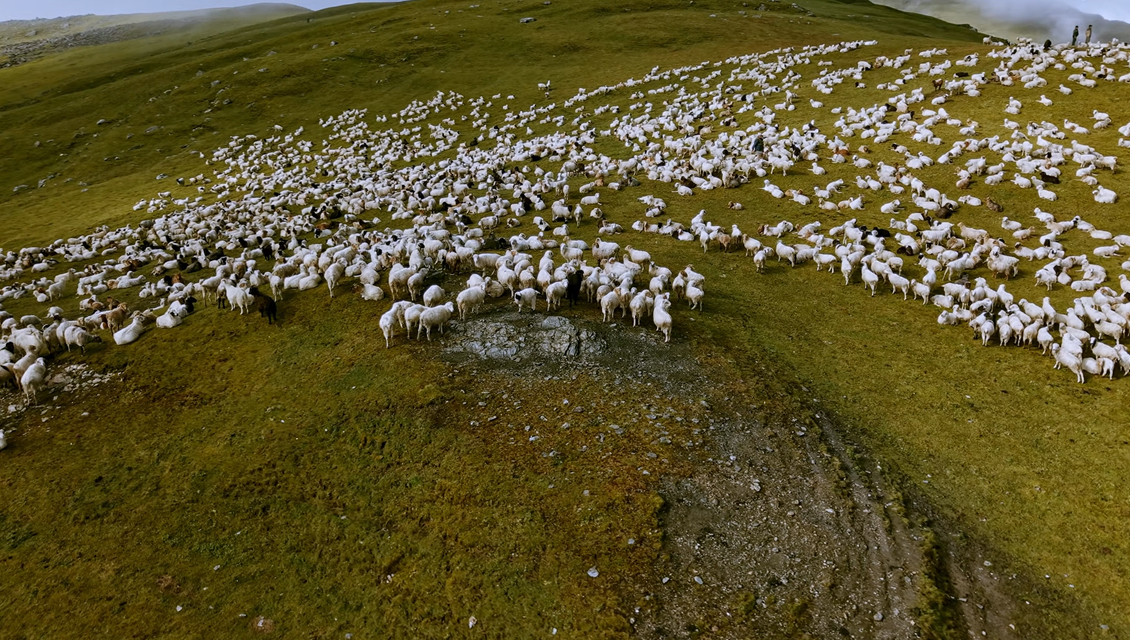
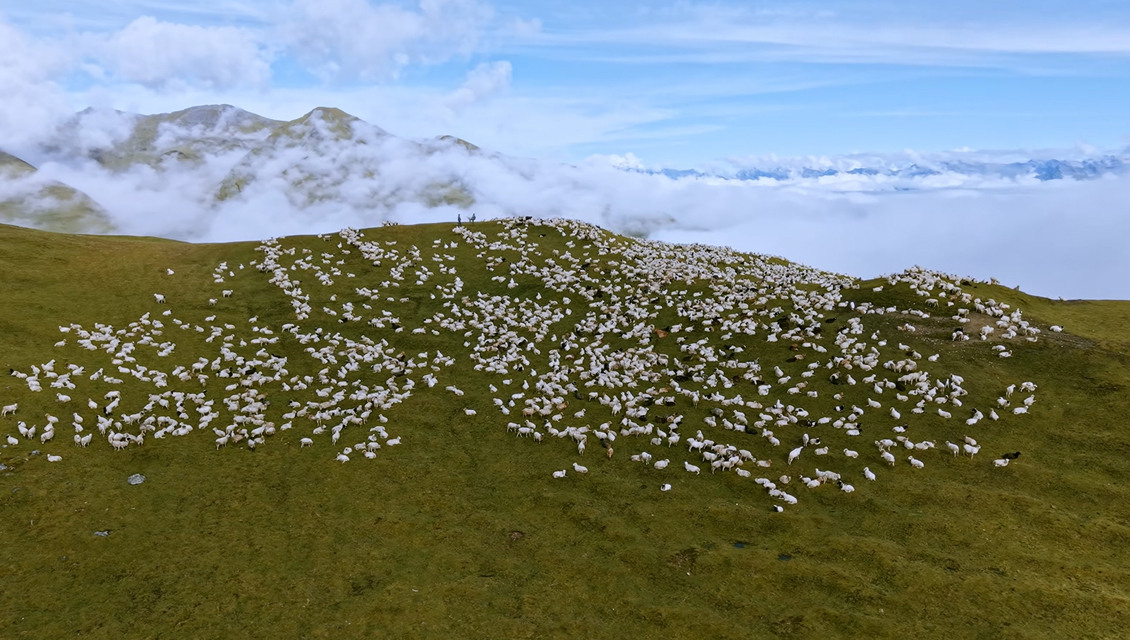
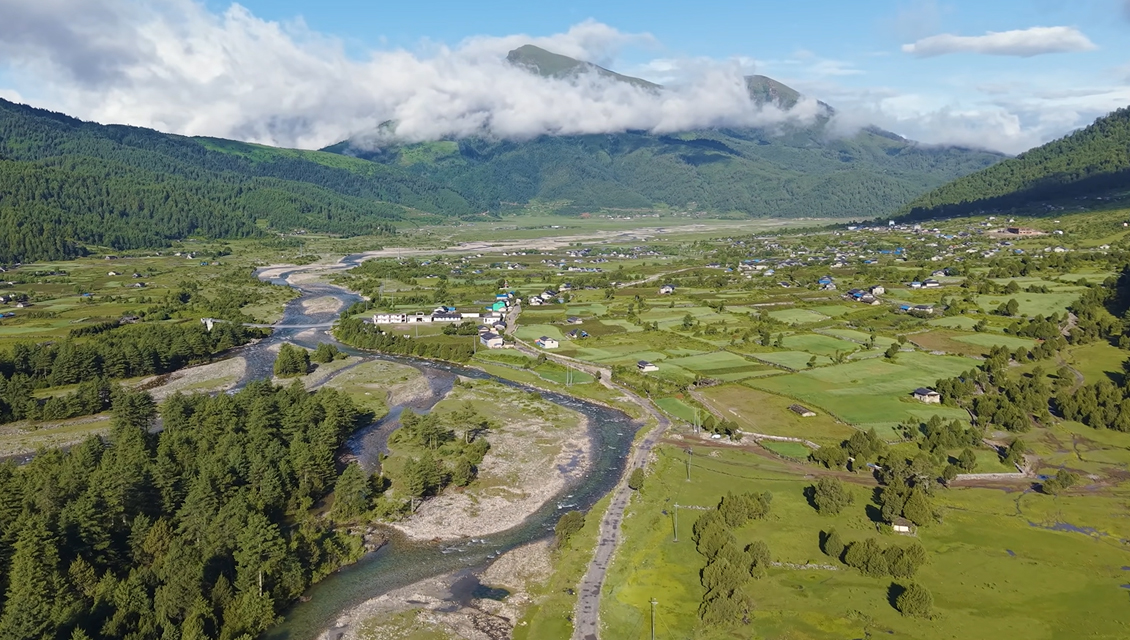
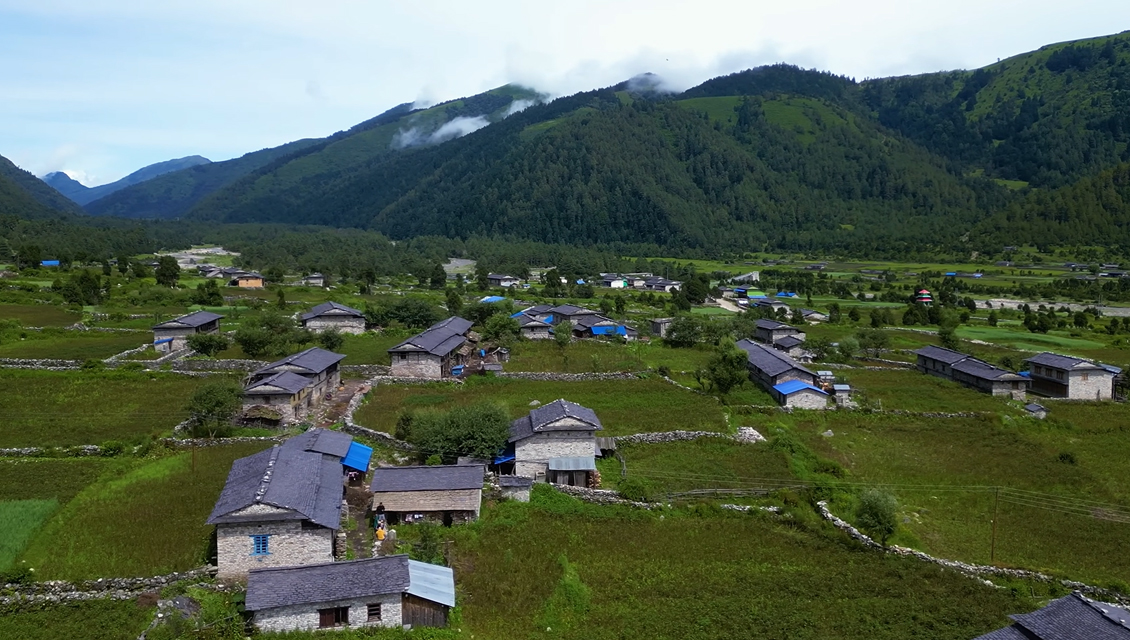
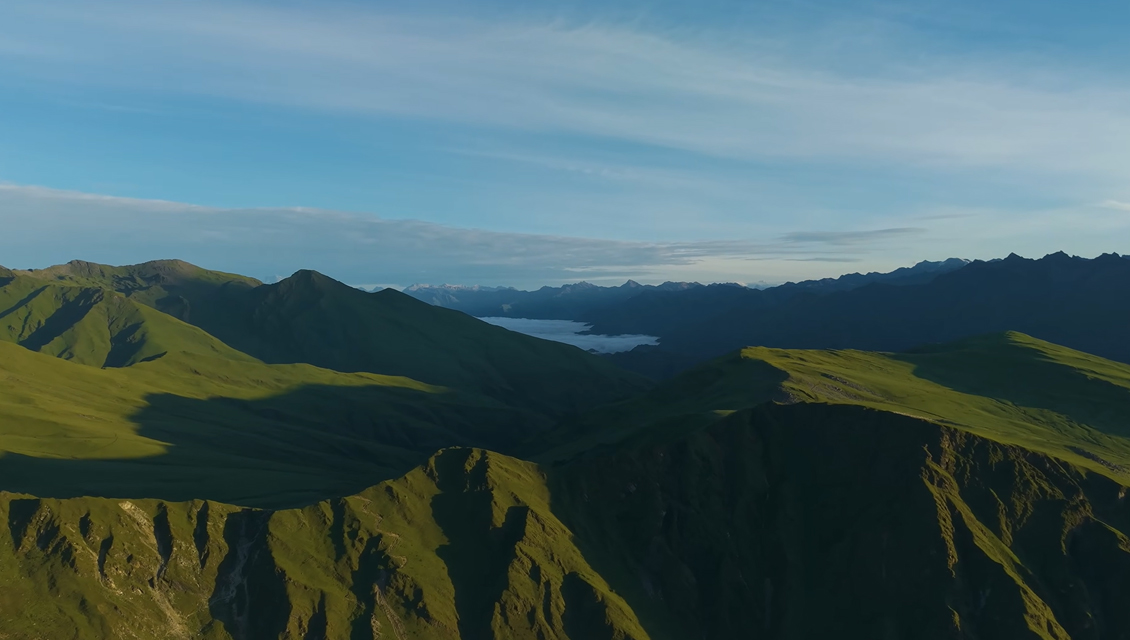
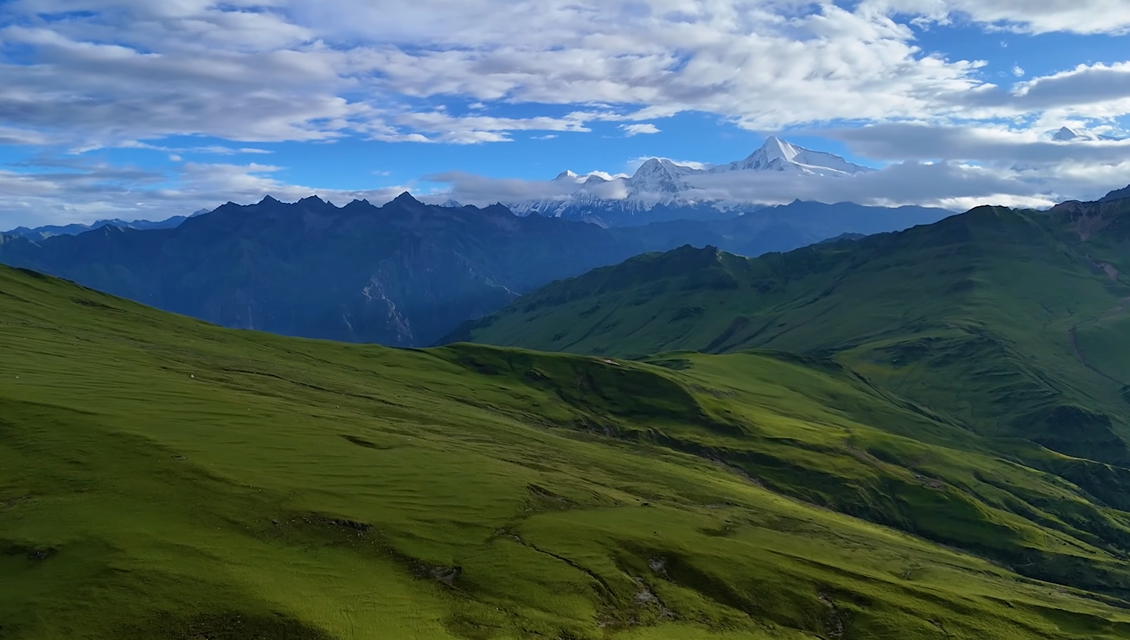
The Dhorpatan Hunting Reserve lies in the Rukum, Myagdi, and Baglung districts of western Nepal, within the Dhaulagiri Himalayan region. It is Nepal’s only hunting reserve and covers a vast area of alpine valleys, high ridges, subalpine forests, and remote grasslands.
Key geographical features include:
- High-altitude alpine and subalpine ecosystems (2,800m–5,500m)
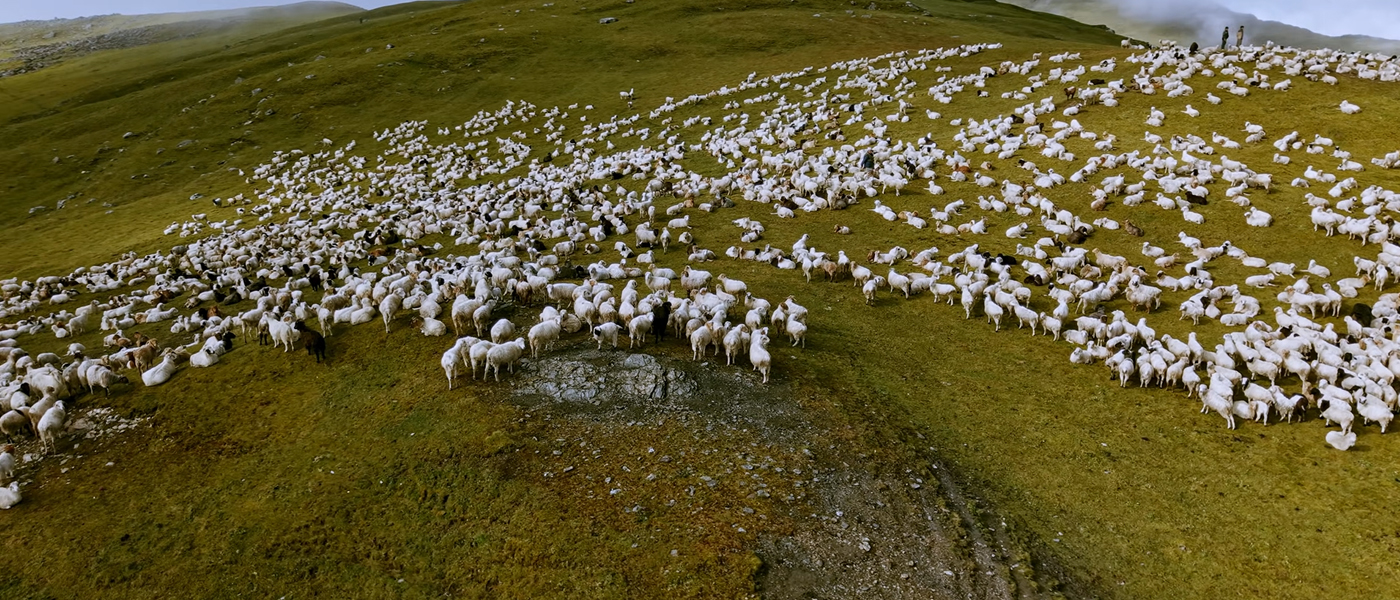
- Open Himalayan grasslands (Patans)
- Dense coniferous and mixed forests
- Rugged ridgelines and remote valleys
- Seasonal migration routes of Himalayan wildlife
- Isolated and low-population mountain environment
The remoteness of the reserve ensures minimal human disturbance and maintains natural wildlife behavior patterns.
Climate and Best Time for Hunting Activities
The climate in Dhorpatan is alpine to subalpine, with extreme seasonal variations affecting accessibility and wildlife movement.
Best Seasons
- Autumn (September–November): Best visibility, stable weather, and active wildlife movement
- Spring (March–May): Favorable conditions with moderate temperatures and clear terrain access
Off Seasons
- Winter (December–February): Heavy snowfall, restricted access to higher zones
- Monsoon (June–August): Landslides, slippery trails, and limited mobility
Autumn is considered the most reliable season for regulated hunting expeditions.
Wildlife Species (Regulated Hunting Categories)
Dhorpatan Hunting Reserve is home to several Himalayan species under strict quota-based management. Hunting is permitted only for specific species authorized by the Department of National Parks and Wildlife Conservation.
Common regulated species include:
- Himalayan Blue Sheep (Bharal)
- Himalayan Tahr
- Musk Deer (restricted and strictly controlled)
- Other wildlife in the reserve includes snow leopard, red panda, Himalayan black bear, and various pheasant species, which are fully protected and not part of hunting activities.
- Legal Framework and Permits
Wildlife hunting in Nepal operates under a strict legal structure governed by national conservation laws.
Mandatory requirements include:
- Official Hunting Permit issued by the Government of Nepal
- Licensed Hunting Operator arrangement
- Dhorpatan Hunting Reserve entry authorization
- Weapons import/export permits (temporary and regulated)
- Conservation fee and royalty payments
- Mandatory presence of government-appointed game scouts
- Compliance with quota-based species allocation
All activities are supervised by official wildlife authorities to ensure sustainability and ethical practices.
Highlights
- Legal hunting is allowed only in Dhorpatan Hunting Reserve under strict government regulation
- Only selected game species can be hunted with permits and quotas
- Hunting helps fund wildlife conservation and local community development
- Opportunity to hunt in remote Himalayan landscapes
- Popular target species include blue sheep and Himalayan tahr
- Combines adventure trekking and hunting experiences
- Guided by licensed outfitters and professional trackers
- Supports habitat management and anti poaching efforts
- Hunting of endangered and protected species is strictly prohibited
- Best seasons are generally spring and autumn
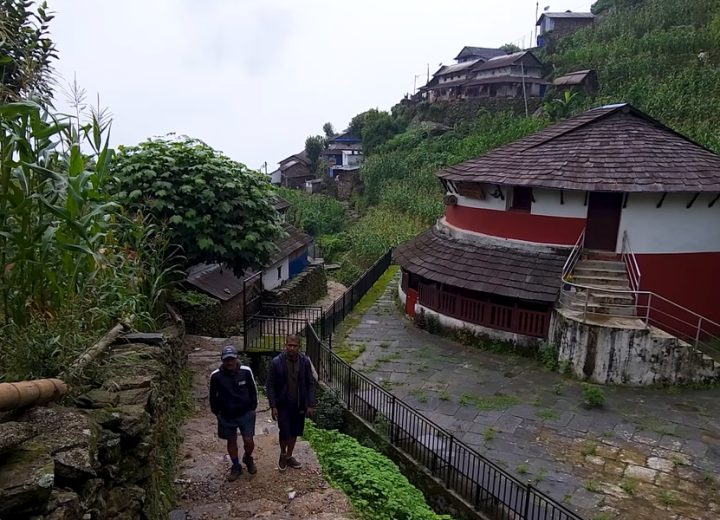
- Offers cultural experiences with local mountain communities
- One of the few regulated trophy hunting destinations in South Asia
Day-by-day itinerary
-
Arrival at Tribhuvan International Airport
Transfer to hotel and expedition briefing
Permit verification and document processing
Equipment inspection and safety briefing
Overnight in Kathmandu
Accomadation: Hotel
Place to visit: Nepal
Meals: Breakfast
-
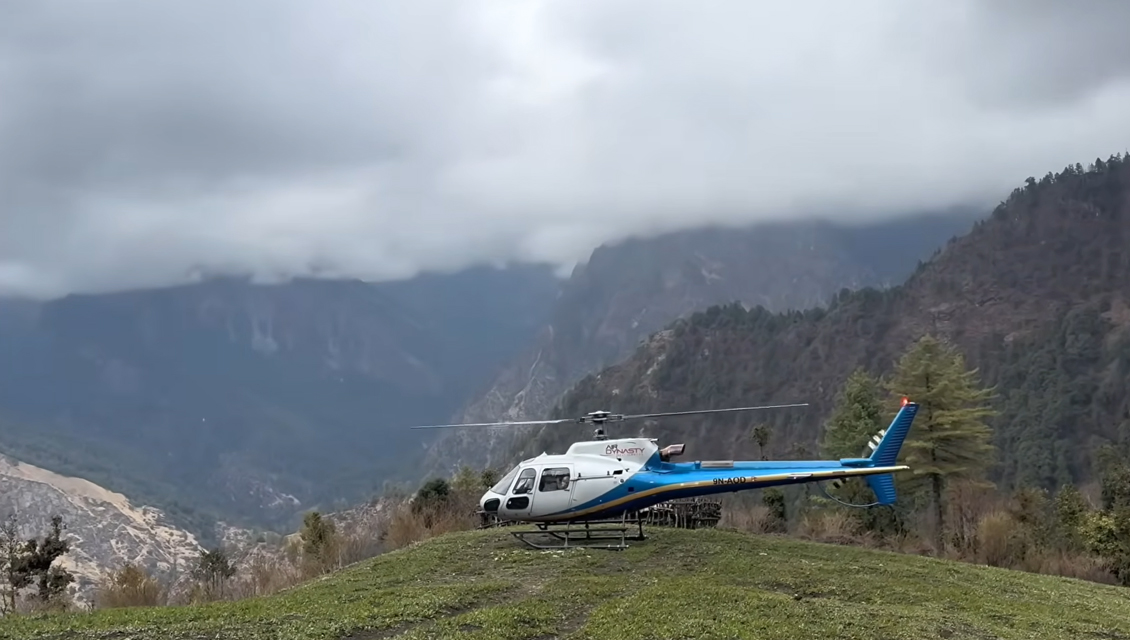
Domestic flight or drive to western Nepal gateway
Final logistics coordination
Overnight in transit lodge or hotel
Accomadation: Hotel
Place to visit: Nepal
Meals: Breakfast
-
Jeep transfer to reserve boundary
Meeting with government game scouts and local staff
Camp setup or lodge accommodation
Area orientation and safety briefing
Accomadation: Hotel
Place to visit: Nepal
Meals: Breakfast
-
Early morning tracking with professional guides and scouts
Wildlife observation and target species tracking
Controlled and regulated hunting activity (as per permit quota)
Field dressing and documentation under supervision
High-altitude camping in designated zones
Daily movement based on wildlife patterns
Accomadation: Hotel
Place to visit: Nepal
Meals: Breakfast
-
Return from hunting area
Equipment collection and inspection
Transfer to lower altitude lodge
Accomadation: Hotel
Place to visit: Nepal
Meals: Breakfast
-
Travel back via road or flight
Final permit clearance and documentation submission
Departure or optional cultural extension in Kathmandu
Accomadation: Hotel
Place to visit: Nepal
Meals:
Photos & video
Dates & prices
Private departures run on any date. Pick the start date that suits you and we will build the trip around it — same price, your own guide and team.
Good to know
Essential information
Accommodation
Accommodation is highly basic and expedition-style, reflecting the remote nature of the reserve.
- Camping tents in designated hunting zones
- Basic mountain lodges in lower access regions
- Shared or twin camping setups
- Limited heating and infrastructure
- Fully supported expedition camping systems
Luxury facilities are not available inside the reserve due to conservation restrictions.
Meals
All meals are provided on a full-board expedition basis.
Typical food includes:
- Rice, lentils, and vegetable-based meals
- Pasta, noodles, and soups
- High-energy trekking foods
- Meat-based meals (outside restricted hunting zones only)
- Tea, coffee, and hydration support
Meals are prepared by expedition cooks in field conditions.
Difficulty & Physical Requirements
This is a moderate to strenuous expedition experience, requiring:
- Strong physical fitness for high-altitude movement
- Ability to walk long distances in rugged terrain
- Experience in outdoor expedition environments
- Adaptability to cold and remote conditions
Terrain includes steep ascents, forest trails, and alpine ridges.
Guide, Scouts & Support Team
A fully professional team is mandatory, including:
- Licensed hunting guides
- Government-appointed game scouts
- Field assistants and porters
- Safety and communication support staff
- Logistics and camp management crew
All hunting activities are closely monitored for legal compliance and safety.
Safety & Regulations
Strict safety and conservation rules apply:
- Hunting only within approved zones and quotas
- No activity outside designated species list
- Mandatory reporting and documentation
- Environmental protection compliance
- Emergency evacuation protocols in place
- Zero-tolerance for illegal wildlife activity
Communication & Connectivity
- Very limited mobile coverage in reserve areas
- Satellite communication recommended
- Communication available in base regions only
Why Choose Dhorpatan Hunting Reserve Experience?
This is Nepal’s only legal and regulated hunting destination, offering a rare and controlled high-altitude wilderness experience:
- Sole government-approved hunting reserve in Nepal
- Strict quota-based and conservation-managed system
- Remote Himalayan alpine ecosystem
- Professionally guided and fully regulated operations
- Unique combination of adventure and wildlife management
- Extremely limited access, ensuring exclusivity
- High-altitude expedition-style environment
- Strong conservation and ecological monitoring framework
Keep exploring