Trekking In Nepal · Everest Region
Everest Base Camp via Gokyo Lake Trek
- Duration18 Days
- DifficultyBasic
- Max altitude5545m
- Group size17 People
- Best seasonSEP-NOV, MAR-MAY
- Start / finishKathmandu
Trip overview
The Everest Base Camp via Gokyo Lake Trek is one of the most scenic and rewarding trekking routes in the Everest region, combining the classic Everest Base Camp trail with the pristine beauty of the Gokyo Valley and its turquoise glacial lakes. This extended journey offers a perfect balance of adventure, natural diversity, cultural immersion, and high-altitude trekking challenges.
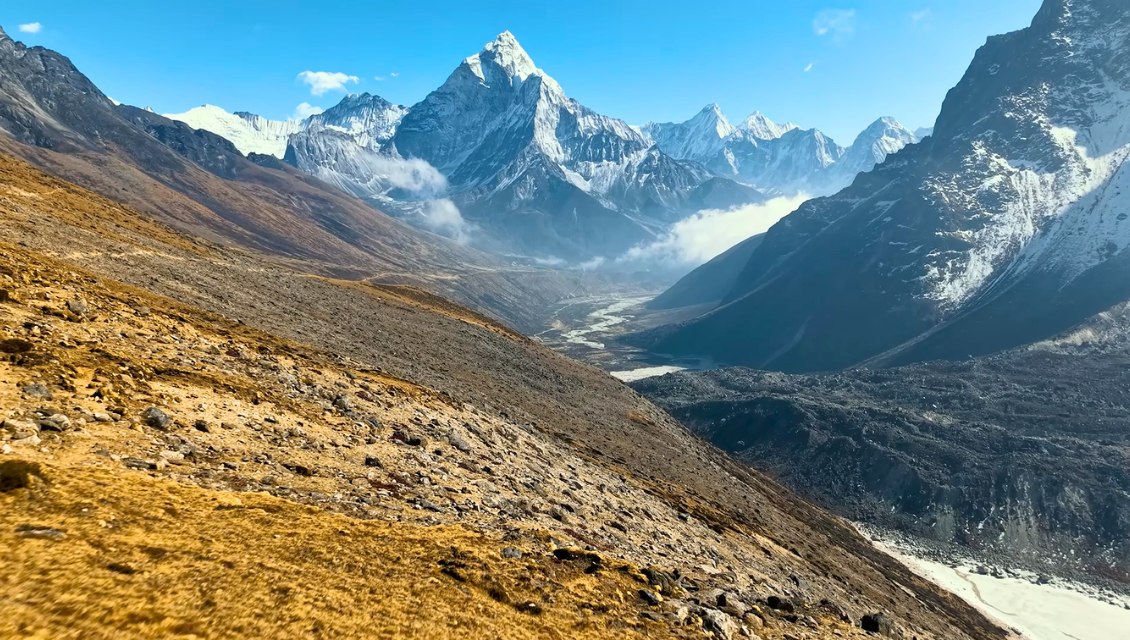
The trek allows travelers to explore two iconic Himalayan routes in a single itinerary. Trekkers first enter the tranquil Gokyo Valley, known for its stunning lakes and quiet trails, before crossing the high-altitude Cho La Pass to connect with the main Everest Base Camp route. Key highlights include Gokyo Lakes, Gokyo Ri viewpoint, Everest Base Camp, and Kala Patthar. Throughout the journey, trekkers enjoy breathtaking views of Mount Everest, Lhotse, Cho Oyu, and Ama Dablam.
This trek is ideal for experienced trekkers seeking a longer, more adventurous, and visually diverse Everest experience.
Geography and Landscape
The Everest Base Camp via Gokyo Lake Trek is located in the Khumbu region within Sagarmatha National Park. The journey begins with a flight to Lukla and follows the Dudh Koshi River valley before diverging toward the peaceful Gokyo Valley.
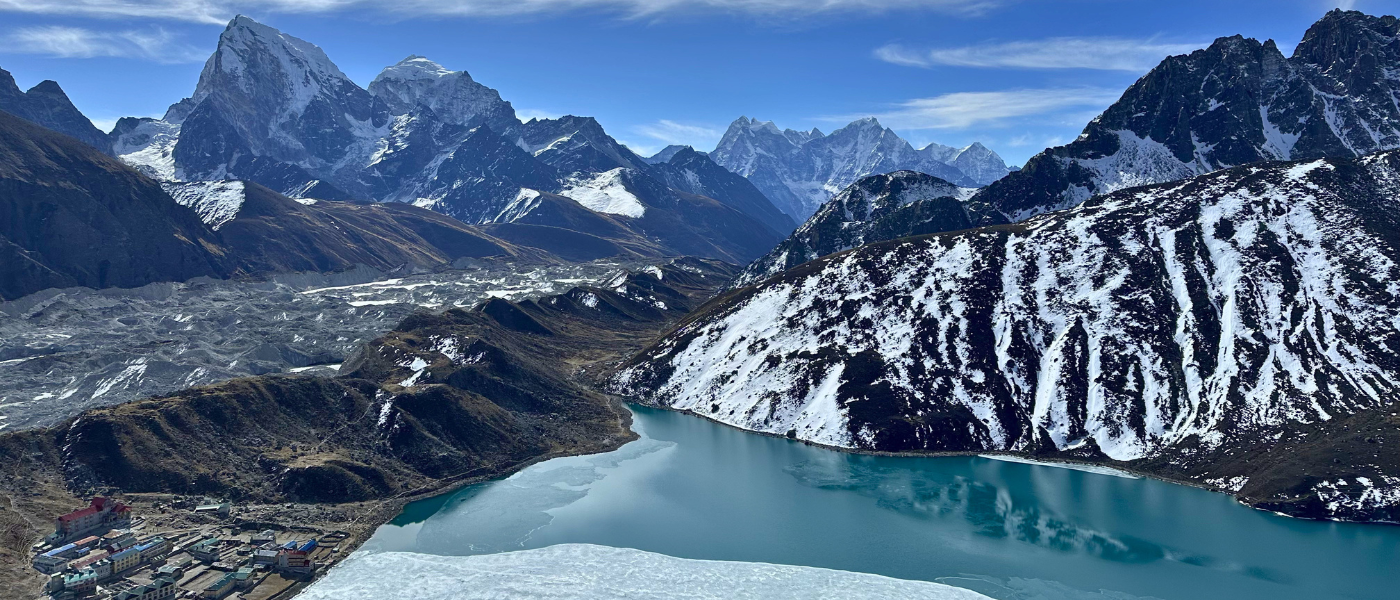
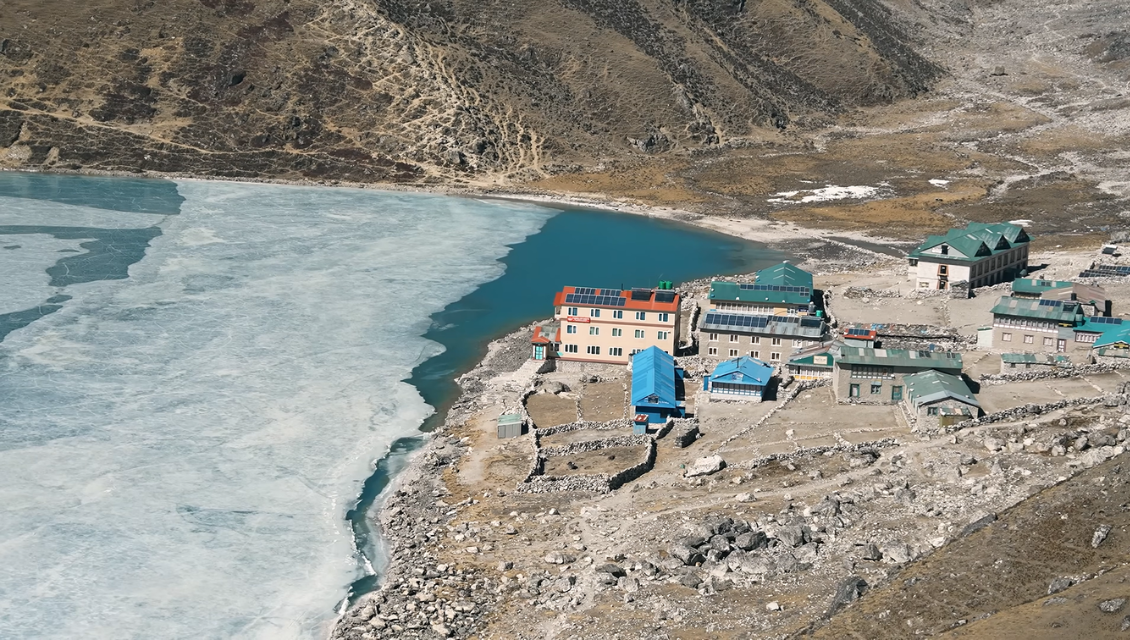
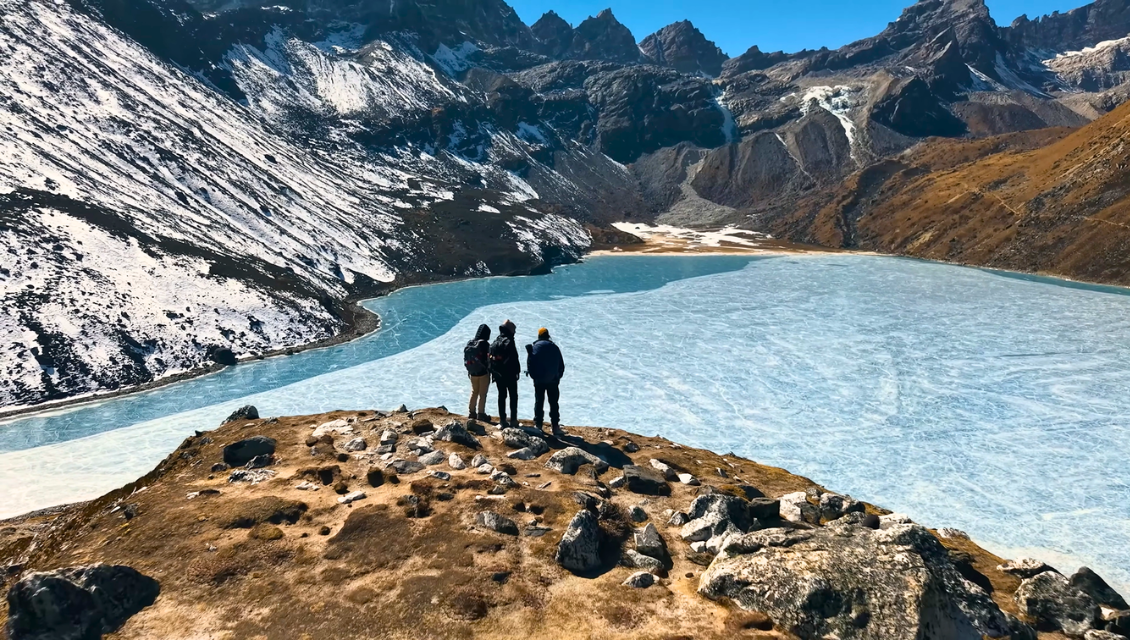
The landscape is extremely diverse, ranging from lush forests of rhododendron and pine to high alpine terrain, glacial moraines, and icy valleys. The Gokyo Valley is famous for its chain of six turquoise glacial lakes, considered sacred by both Hindus and Buddhists, and surrounded by dramatic Himalayan peaks.
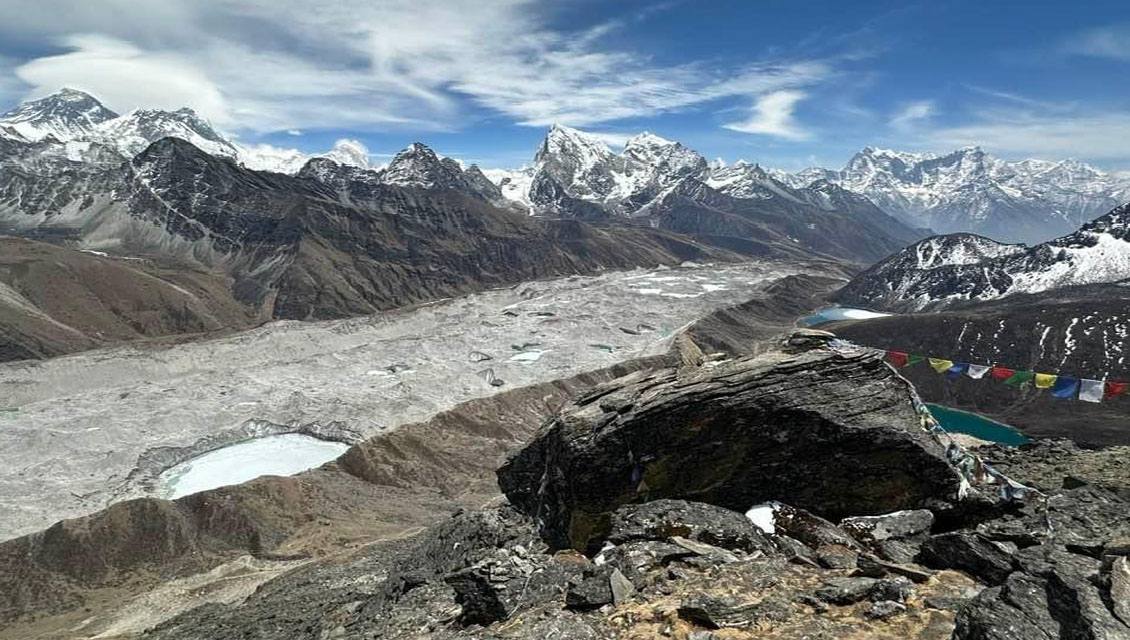
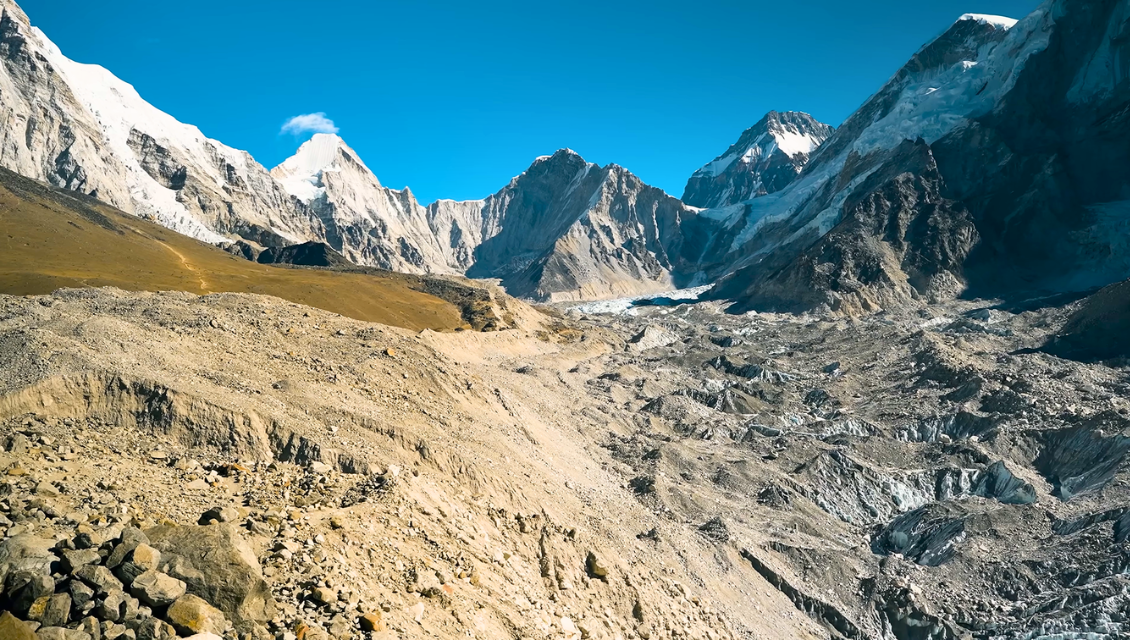
A major highlight is the ascent of Gokyo Ri (5,357 m), one of the finest panoramic viewpoints in the Everest region, offering sweeping views of Everest, Lhotse, Makalu, Cho Oyu, and the surrounding Himalayan giants. The route then crosses the challenging Cho La Pass (5,420 m), a high-altitude crossing that connects the Gokyo and Everest Base Camp valleys. From there, the trail continues toward Everest Base Camp and Kala Patthar, offering close-up views of the Khumbu Glacier and surrounding peaks.
Climate and Best Time to Trek
The best time to undertake the Everest Base Camp via Gokyo Lake Trek is during spring (March–May) and autumn (September–November). These seasons provide stable weather, clear skies, and excellent mountain visibility.
Spring offers pleasant temperatures and blooming rhododendron forests, while autumn is widely regarded as the best season due to post-monsoon clarity and ideal trekking conditions. Winter (December–February) is colder and more challenging, especially at Cho La Pass, but offers quiet trails and exceptional visibility for well-prepared trekkers. The monsoon season (June–August) is generally not recommended due to heavy rainfall, slippery trails, and limited visibility.
People and Culture
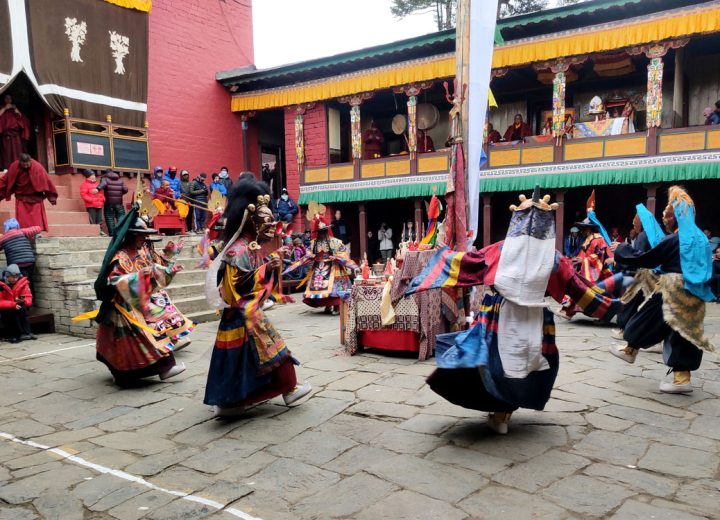
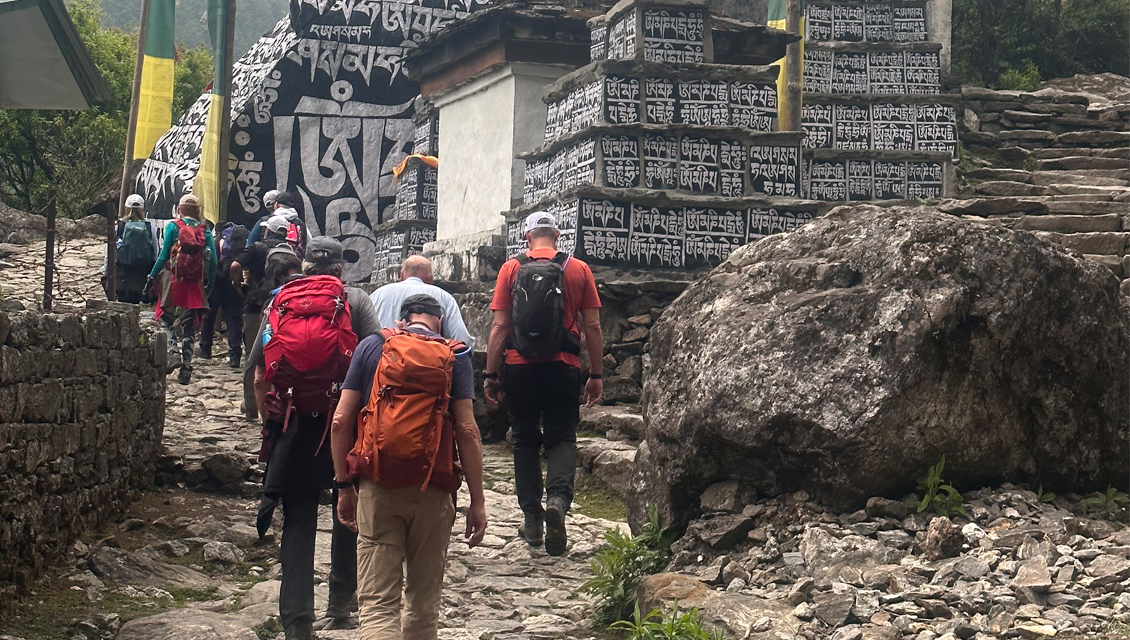
The Everest region is home to the Sherpa community, whose traditions, resilience, and deep spiritual connection to the mountains define the cultural identity of the Khumbu. The influence of Tibetan Buddhism is visible throughout the trail in the form of monasteries, prayer flags, mani walls, and sacred chortens.
Key cultural villages along the route include Namche Bazaar, Dole, Machhermo, Gokyo, Lobuche, and Pangboche, where trekkers experience authentic Sherpa hospitality and traditional mountain lifestyles. A major cultural highlight is Tengboche Monastery, one of the most important spiritual centers in the Everest region, set against a dramatic Himalayan backdrop.
The combination of sacred lakes, high mountain passes, iconic viewpoints, and rich Sherpa culture makes the Everest Base Camp via Gokyo Lake Trek one of the most complete and unforgettable trekking experiences in Nepal.
Highlights
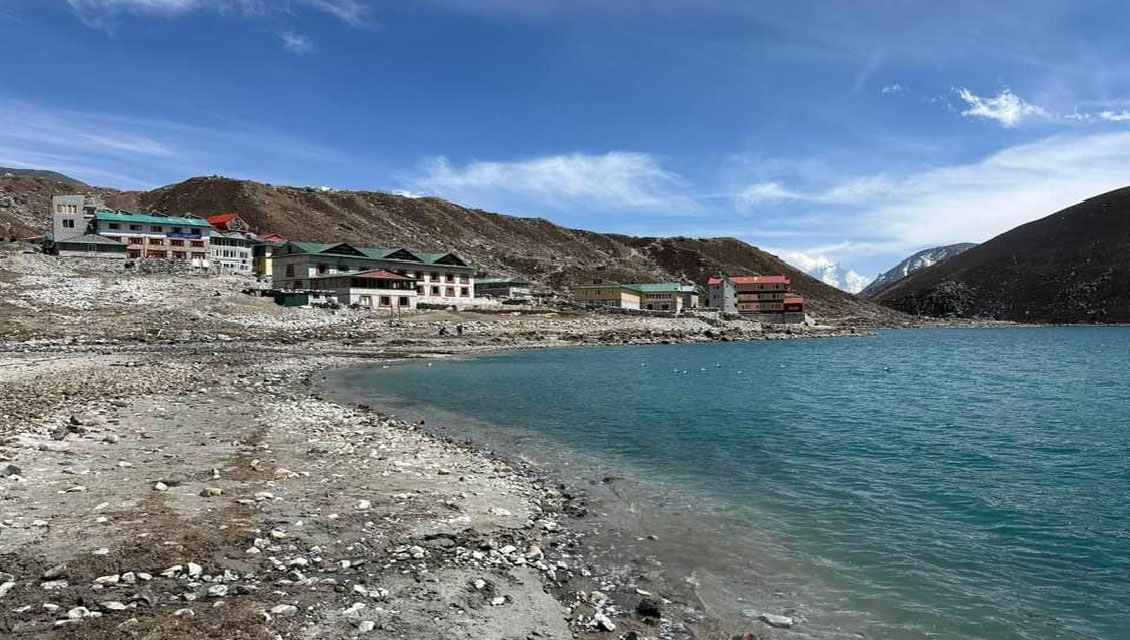
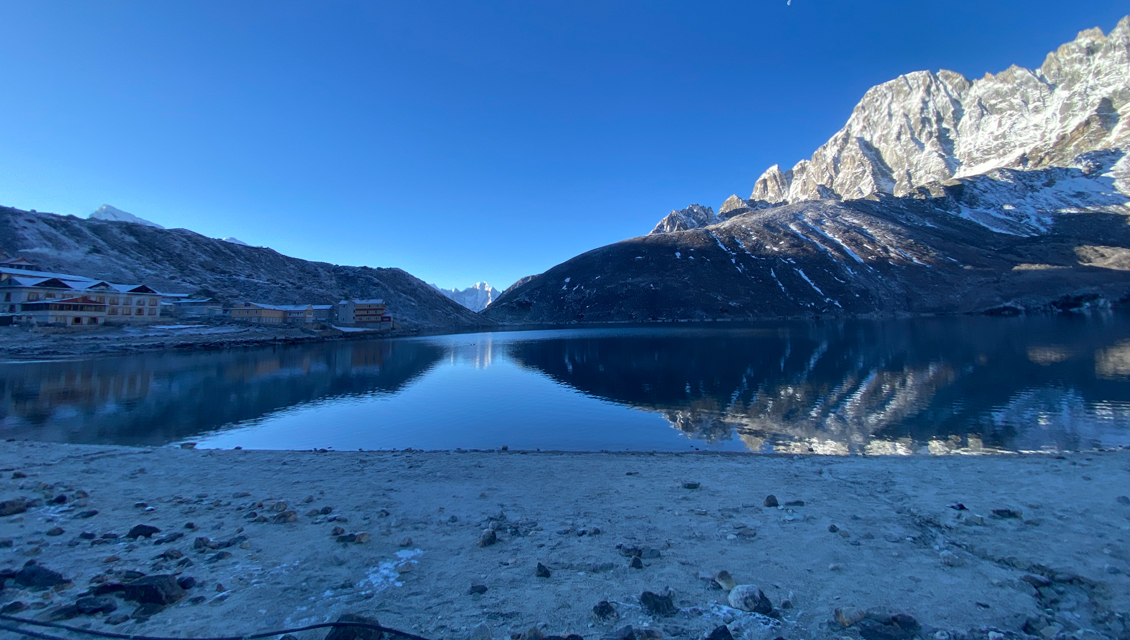
- Gokyo Lakes – turquoise alpine lakes surrounded by Himalayan peaks Gokyo Lakes
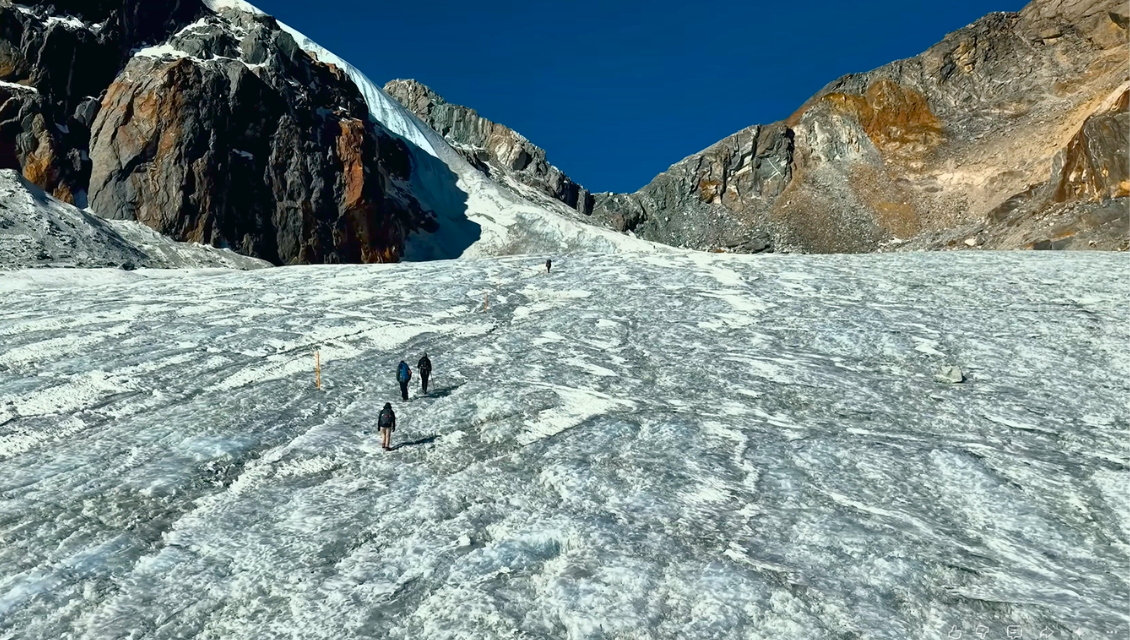
- High mountain pass – thrilling crossing at Cho La Pass with glacier views
- Panoramic viewpoints – Everest range views from Gokyo Ri and Kala Patthar
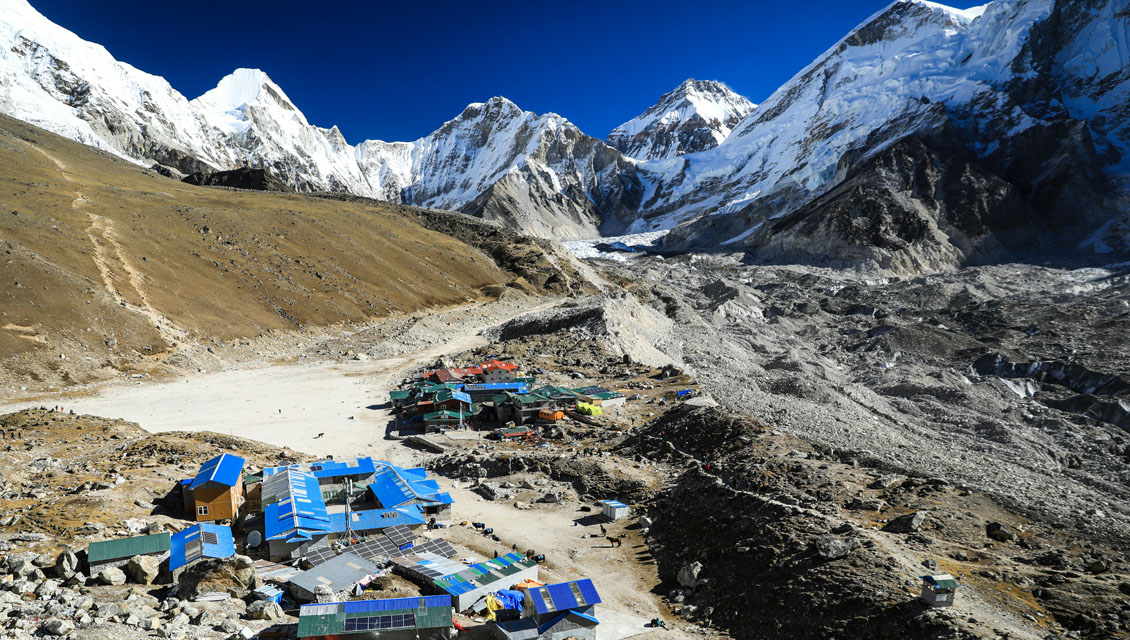
- Everest Base Camp & glacier – iconic trek endpoint and views of Khumbu Icefall
- Massive glacier landscapes – including the Ngozumpa Glacier
- Sherpa culture – traditional villages like Namche Bazaar and monasteries
- Diverse & quieter trail – forests, alpine terrain, and fewer crowds than the classic route
Day-by-day itinerary
-
Upon arrival at Tribhuvan International Airport, you will be welcomed by your trekking team and transferred to your hotel in Kathmandu. Spend the day relaxing or exploring the lively streets of Thamel, famous for its cafes, trekking shops, and cultural atmosphere. In the evening, attend a detailed trek briefing where your guide will explain the itinerary, equipment, permits, safety procedures, and acclimatization guidelines for the adventure ahead.
Accomadation: Hotel
Place to visit: Nepal
Meals: Dinner
-
Today is dedicated to final trek preparation and permit arrangements before heading into the mountains. You can organize and check your trekking gear, meet your guide and porter team, and make any last-minute purchases if needed. You may also spend time exploring Kathmandu’s temples, markets, and cultural sites while enjoying the vibrant atmosphere of Nepal’s capital city.
Accomadation: Hotel
Place to visit: Nepal
Meals: Breakfast
-
Trek Duration - 3-4 hours
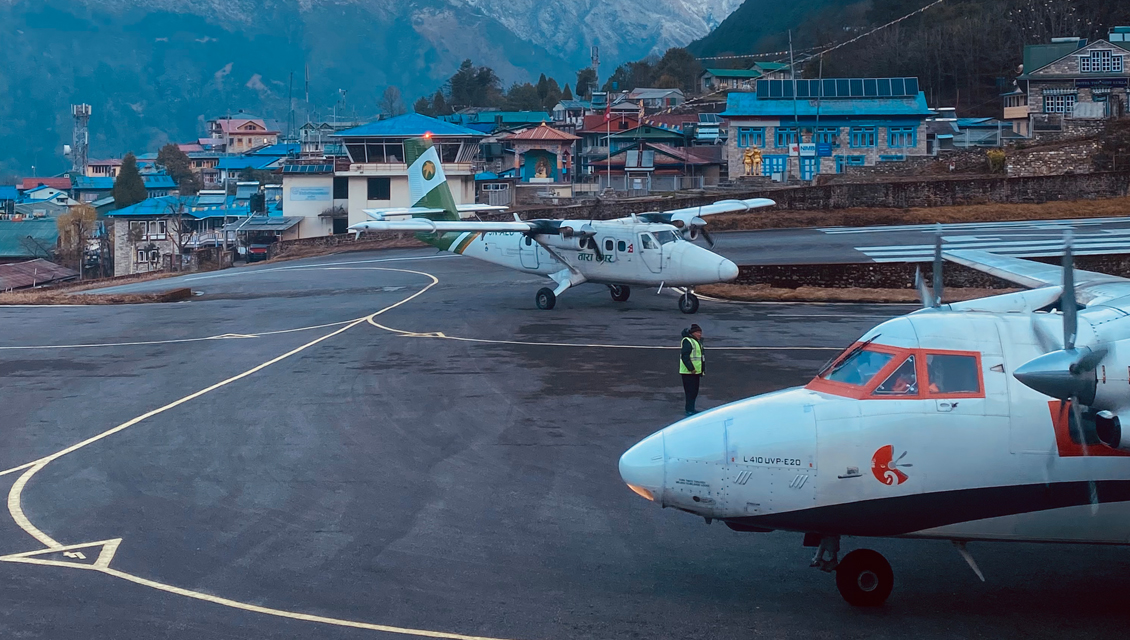
Begin the adventure with a scenic mountain flight from Kathmandu to Lukla, one of the most thrilling airports in the world. After meeting your porter team, start trekking through pine forests, Sherpa villages, and suspension bridges alongside the Dudh Koshi River. The gentle trail leads to the peaceful riverside village of Phakding.
Accomadation: Tea House
Place to visit: Everest Region
Meals: Breakfast Lunch Dinner
-
Trek Duration - 6-7 hours
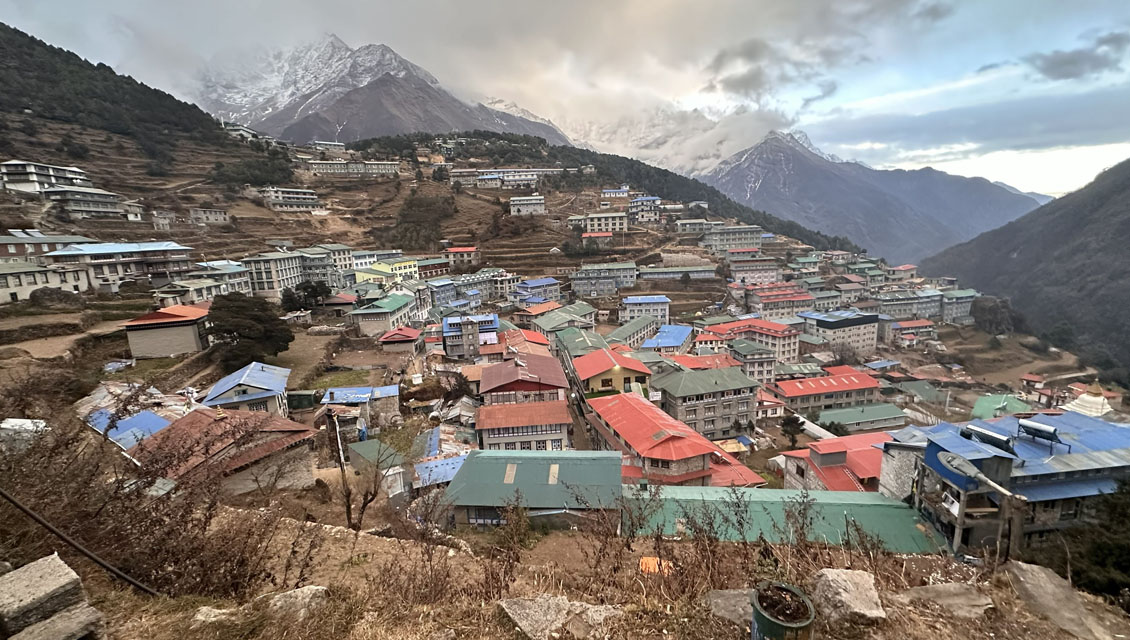
Today’s trek follows the Dudh Koshi River through forests and suspension bridges, including the famous Hillary Suspension Bridge. Enter Sagarmatha National Park and gradually ascend toward Namche Bazaar while enjoying the first distant views of Mount Everest. Namche is the vibrant Sherpa capital of the Everest region filled with lodges, bakeries, shops, and mountain culture.
Accomadation: Tea House
Place to visit: Everest Region
Meals: Breakfast Lunch Dinner
-
Trek Duration - 4-5 hours
This important acclimatization day helps your body adjust to the increasing altitude. You may hike to the Everest View Hotel for panoramic views of Everest, Nuptse, Ama Dablam, and surrounding peaks or explore the traditional Sherpa village of Khumjung and its ancient monastery. The remainder of the day can be spent exploring Namche Bazaar and its cultural attractions.
Accomadation: Tea House
Place to visit: Everest Region
Meals: Breakfast Lunch Dinner
-
Trek Duration - 5-6 hours
Leaving Namche behind, the trail climbs steadily through rhododendron forests, alpine landscapes, and yak pastures with spectacular Himalayan views along the way. The route passes small mountain settlements before reaching the peaceful village of Dole surrounded by beautiful high-altitude scenery.
Accomadation: Tea House
Place to visit: Everest Region
Meals: Breakfast Lunch Dinner
-
Trek Duration - 4-5 hours
Continue trekking through open alpine valleys and rugged mountain terrain while enjoying stunning views of Cho Oyu and surrounding peaks. The air becomes colder and thinner as you approach Machhermo, a quiet Himalayan settlement often used for acclimatization before reaching Gokyo.
Accomadation: Tea House
Place to visit: Everest Region
Meals: Breakfast Lunch Dinner
-
Trek Duration - 4-5 hours
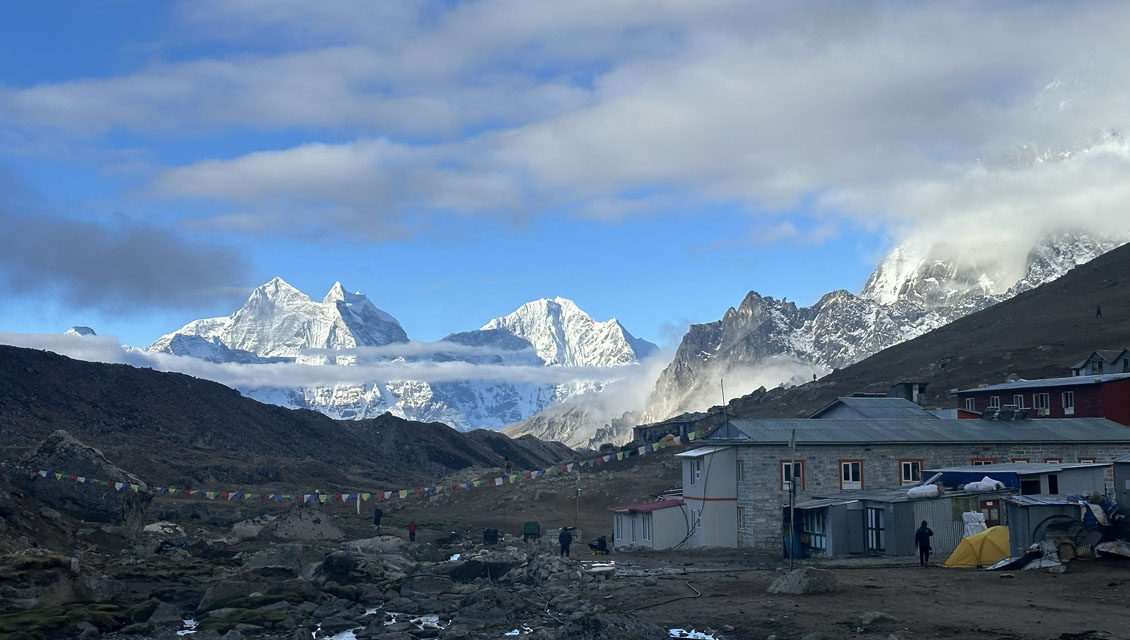
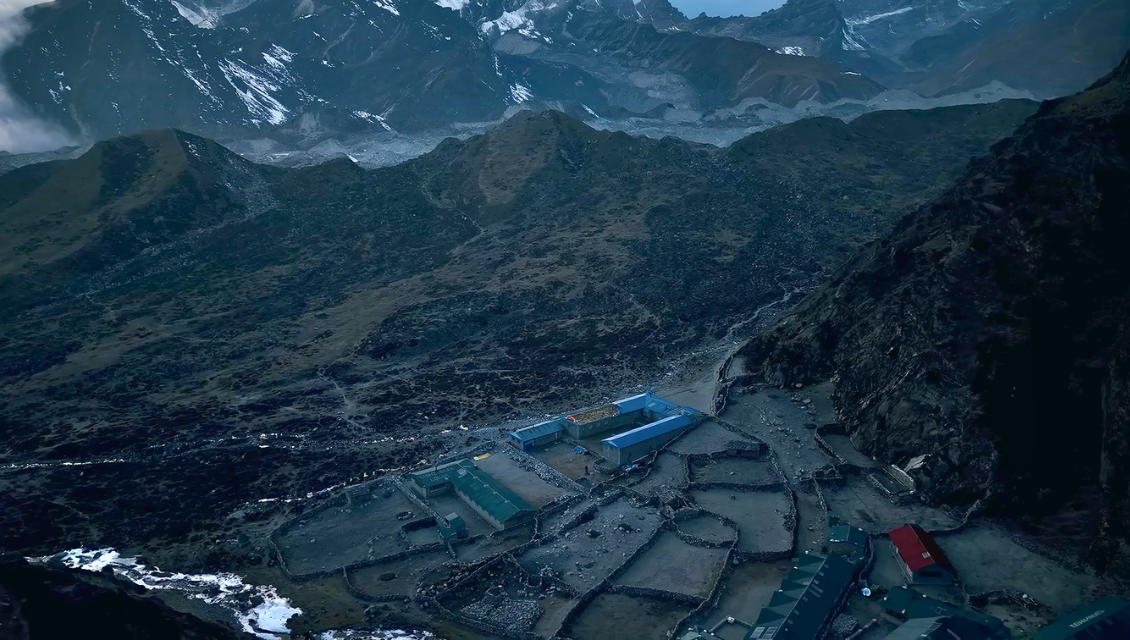
Today’s trek leads toward the beautiful Gokyo Valley beside the sacred turquoise glacial lakes of Gokyo. Along the route, enjoy breathtaking views of snow-capped mountains, rocky moraines, and the massive Ngozumpa Glacier, the longest glacier in Nepal. Gokyo offers a peaceful and less crowded Himalayan atmosphere.
Accomadation: Tea House
Place to visit: Everest Region
Meals: Breakfast Lunch Dinner
-
Trek Duration - 5-6 hours
An early morning hike to Gokyo Ri rewards trekkers with one of the finest panoramic views in the Himalayas. From the summit, enjoy breathtaking views of Everest, Lhotse, Makalu, Cho Oyu, and the vast Ngozumpa Glacier stretching across the valley. After enjoying the scenery, descend back to Gokyo for rest and acclimatization.
Accomadation: Tea House
Place to visit: Everest Region
Meals: Breakfast Lunch Dinner
-
Trek Duration - 7-8 hours
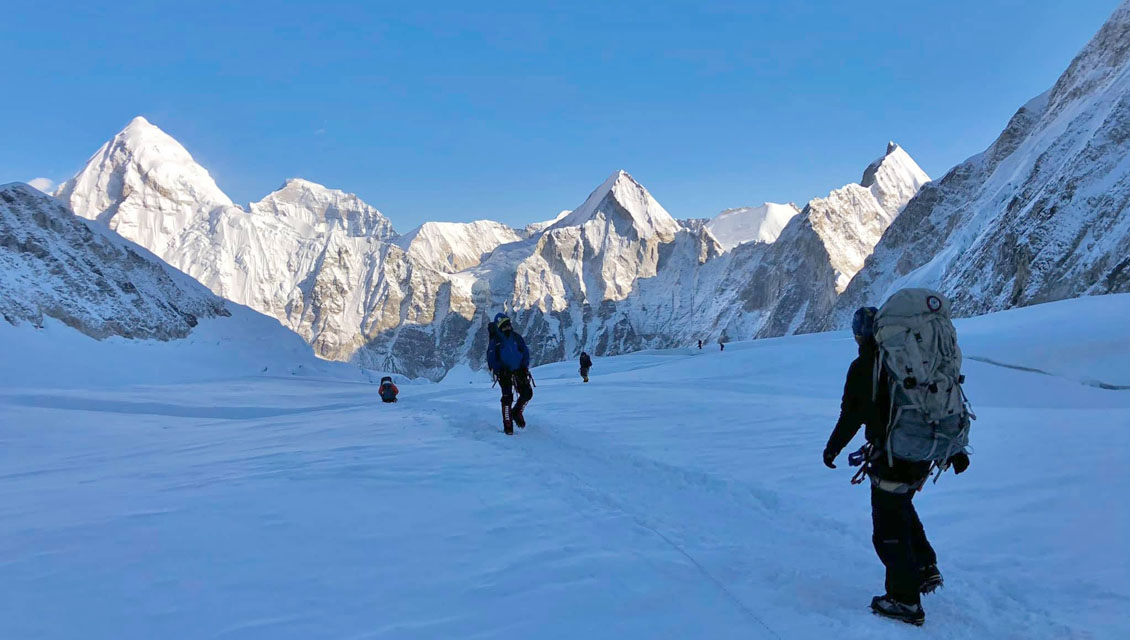
One of the most challenging and rewarding days of the trek, today involves crossing the high Cho La Pass through rocky trails, glacier sections, and snow-covered terrain. From the top of the pass, trekkers are rewarded with spectacular mountain and glacier views before descending to the remote village of Dzongla.
Accomadation: Tea House
Place to visit: Everest Region
Meals: Breakfast Lunch Dinner
-
Trek Duration - 4-5 hours
The trail descends from Dzongla and follows the moraine of the Khumbu Glacier toward Lobuche. Along the way, you will pass memorials dedicated to climbers who lost their lives on Everest, offering a powerful reminder of the mountain’s challenges and history.
Accomadation: Tea House
Place to visit: Everest Region
Meals: Breakfast Lunch Dinner
-
Trek Duration - 7-8 hours
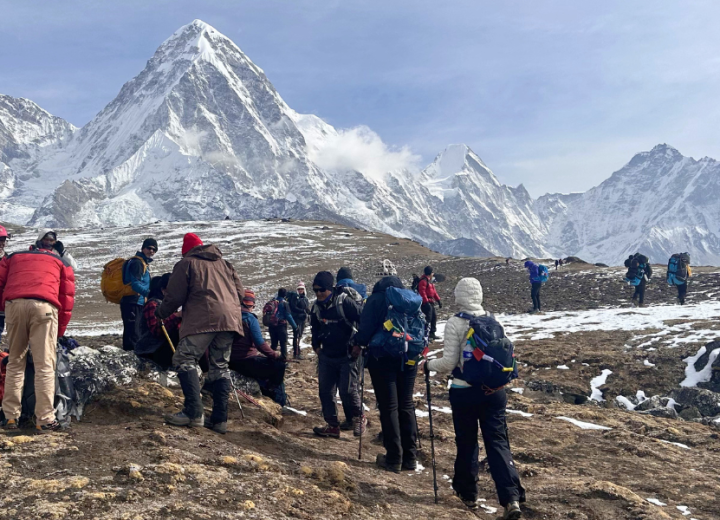
Trek alongside the Khumbu Glacier to Gorak Shep, the last settlement before Everest Base Camp. After a short rest, continue toward the legendary Everest Base Camp where climbers prepare for summit expeditions. Witness the dramatic Khumbu Icefall and incredible Himalayan surroundings before returning to Gorak Shep.
Accomadation: Tea House
Place to visit: Everest Region
Meals: Breakfast Lunch Dinner
-
Trek Duration - 7-8 hours
Wake early for a sunrise hike to Kala Patthar, one of the best viewpoints in the Everest region. From the summit, enjoy unforgettable panoramic views of Everest and surrounding Himalayan peaks glowing in the morning light. After the hike, descend through alpine trails toward the peaceful village of Pheriche.
Accomadation: Tea House
Place to visit: Everest Region
Meals: Breakfast Lunch Dinner
-
Trek Duration - 6-7 hours
Begin descending through forests, rivers, and traditional Sherpa villages while retracing your route back toward Namche Bazaar. The lower altitude brings warmer temperatures and easier breathing as you enjoy the final days in the Himalayas.
Accomadation: Tea House
Place to visit: Everest Region
Meals: Breakfast Lunch Dinner
-
Trek Duration - 6-7 hours
Complete the final trekking day by descending through forests, suspension bridges, and mountain villages back to Lukla. Celebrate the successful completion of your Everest Base Camp and Gokyo adventure with your trekking team.
Accomadation: Tea House
Place to visit: Everest Region
Meals: Breakfast Lunch Dinner
-
Travel Duration - 35 minutes flight
Take an early morning scenic flight back to Kathmandu while enjoying spectacular aerial views of the Himalayas. Upon arrival, transfer to your hotel and spend the remainder of the day relaxing, exploring the city, or shopping for souvenirs.
Accomadation: Hotel
Place to visit: Nepal
Meals: Breakfast Lunch Dinner
-
This extra day is reserved in case of weather-related flight delays from Lukla. If flights operate as scheduled, you may enjoy sightseeing around Kathmandu Valley, visit cultural heritage sites, or simply relax before your international departure.
Accomadation: Hotel
Place to visit: Nepal
Meals: Breakfast
-
Today marks the end of your unforgettable Himalayan adventure. According to your flight schedule, you will be transferred to Tribhuvan International Airport for your onward journey home or next destination.
Accomadation: Hotel
Place to visit: Nepal
Meals: Breakfast
What’s included
Cost includes
1. Transportations
- Private/tourist vehicles for airport pickup and drop-off in Kathmandu.
- Private/tourist vehicles transfer as per itinerary to access the trailheads.
- Domestic flight included for access to the trekking starting & ending point.
2. Accommodation & Meals
- 3 Night 3-star hotel in Kathmandu with bed & breakfast basis.
- Breakfast, lunch & dinner with tea & coffee during the trekking Period.
3. Permits
- Sagarmatha National Park Entry Permits. (Permit required for the Everest region)
- Local Government Entry Permits. (Khumbu Pasang Lhamu Rural Munacipality)
- Trekkers' Information Management System (TIMS) permits.
4. Guide & Staff
- Professional and experience License holder trekking guide salary & insurance.
- Porter salary, equipments & insurance.
- First aid medical kit for emergency support.
Cost excludes
1. International Flights
- Airfare from your home country to Nepal (Tribhuvan International Airport, Kathmandu).
- Return airfare from Nepal (Tribhuvan International Airport, Kathmandu) to your home country.
2. Visa Fees
- Nepal entry visa fee for entering Nepal (available on arrival at Tribhuvan International Airport, Kathmandu, or through a Nepalese embassy).
3. Travel Insurance (Mandatory)
- Comprehensive travel insurance covering high-altitude trekking, emergency medical treatment, helicopter evacuation, trip cancellation, and other unforeseen circumstances.
4. Personal Expenses
- Tips, gifts, and souvenirs for trekking guides and porters.
- Personal trekking equipment and gear.
- Charges for lodge Wi-Fi, hot showers, battery charging, and laundry services.
5. Meals & Beverages
- Lunch and dinner in Kathmandu, Pokhara, and other locations where accommodation is provided in 3-star category hotels.
- Soft drinks, bottled water, alcoholic beverages, and snacks consumed during meals
Photos & video

Dates & prices
Private departures run on any date. Pick the start date that suits you and we will build the trip around it — same price, your own guide and team.
Good to know
Essential information
Accommodation
Accommodation throughout the route is provided in traditional Himalayan teahouses and mountain lodges. Facilities are basic but comfortable, typically offering twin-sharing rooms with simple bedding and shared bathroom facilities.
Lower-altitude settlements such as Lukla, Phakding, and Namche Bazaar provide relatively well-developed lodging options. As altitude increases, particularly in Gokyo, Dzongla, and Lobuche, accommodations become more basic due to remoteness and climatic conditions.
Meals
A full-board meal system (Breakfast, Lunch, and Dinner) is standard during the trek. Meals are freshly prepared and designed to provide sufficient energy for high-altitude trekking.
Typical menu options include:
- Traditional Dal Bhat set meals
- Pasta, noodles, fried rice, and soups
- Potatoes, eggs, and seasonal vegetables
- Bread, pancakes, and porridge
- Hot beverages such as tea, coffee, and soup
Nutritional intake plays a crucial role, especially during demanding sections such as the Cho La Pass crossing.
Trek Difficulty & Physical Requirements
The Everest Base Camp via Gokyo route is classified as a strenuous high-altitude trek, suitable for experienced trekkers with strong physical conditioning.
Daily trekking duration generally ranges from 5 to 8 hours, with significant elevation gain and challenging terrain. The most demanding section is the crossing of Cho La Pass (5,420m), which may involve glacier traversal, steep ascents, and icy or technical conditions.
A high level of cardiovascular fitness, endurance, and prior trekking experience is strongly recommended.
Permits & Regulations
The following permits are required:
- Sagarmatha National Park Entry Permit
- Khumbu Pasang Lhamu Rural Municipality Permit
- TIMS Card (Trekkers’ Information Management System)
All permits are typically arranged in advance by the trekking operator for a seamless travel experience.
Best Time for Trekking
- Spring (March–May): Stable weather, clear skies, and blooming rhododendron forests
- Autumn (September–November): Peak trekking season with optimal visibility and dry conditions
- Winter (December–February): Cold temperatures but exceptionally clear mountain views
- Monsoon (June–August): Not recommended due to rainfall, poor visibility, and trail hazards
Transportation & Access
The primary access route is a scenic mountain flight from Kathmandu to Lukla, considered one of the most adventurous airstrips in the world.
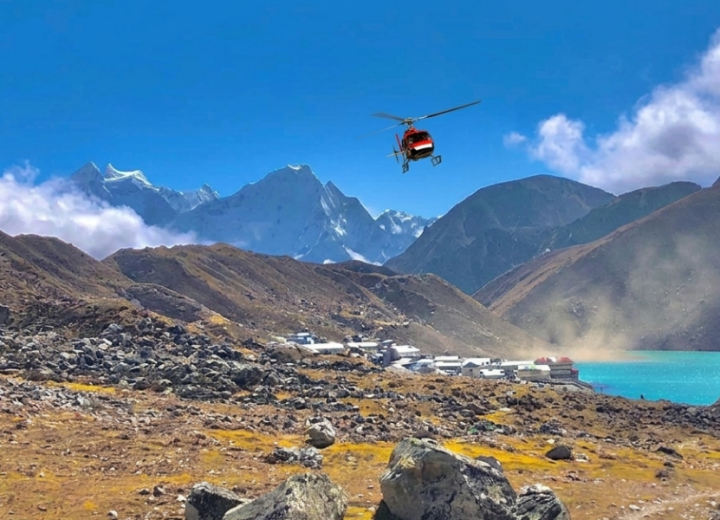
Alternative helicopter transfers are available for luxury or time-sensitive itineraries. The trek follows a circular route via Gokyo Valley and Everest Base Camp before returning to Lukla.
Altitude Safety & Acclimatization
The itinerary involves trekking above 5,300 meters, requiring careful acclimatization and altitude management.
Designated acclimatization stops in locations such as Namche Bazaar, Gokyo, and Dingboche are essential for safety and adaptation.
Experienced guides continuously monitor health conditions, including oxygen saturation levels. Emergency helicopter evacuation services are available if required.
Travel Insurance Requirements
Comprehensive travel insurance is mandatory and must include:
- Coverage for high-altitude trekking (minimum up to 6,000m)
- Emergency helicopter evacuation and rescue
- Medical treatment and hospitalization
- Accident, injury, and repatriation coverage
Additional information
Guide & Porter Services
The trek is led by licensed and highly experienced Himalayan guides who ensure safety, route management, and cultural interpretation throughout the journey. Porters carry main luggage, allowing trekkers to focus on the experience with minimal load.
Guides provide crucial support during challenging sections such as Cho La Pass crossing.
Technical Preparation
Although no technical climbing is required, trekkers should be prepared for high-altitude terrain conditions:
- Walking with crampons on snow and ice
- Proper use of trekking poles on steep gradients
- Basic glacier travel awareness
- Controlled pacing and energy management at altitude
Essential Equipment
Recommended gear includes:
- Durable, high-ankle trekking boots
- Layered clothing system for extreme temperature variation
- Insulated down jacket (rated -20°C to -30°C)
- Waterproof shell jacket and trousers
- High-altitude sleeping bag
- Gloves, thermal hat, buff, and UV sunglasses
- Trekking poles and 30–40L daypack
- Personal first aid kit and essential medications
Communication & Connectivity
Telecommunication coverage (Nepal Telecom and Ncell) is available intermittently along the route. However, signal strength decreases significantly at higher altitudes.
Wi-Fi services are offered in most teahouses at an additional cost, though connectivity becomes limited in remote sections such as Gokyo Valley and Cho La Pass.
Why Choose the Everest Base Camp via Gokyo Route?
This itinerary is widely regarded as one of the most rewarding trekking circuits in the Himalayas due to its exceptional diversity and scenic value:
- Superior scenic variety compared to the standard Everest Base Camp route
- Spectacular turquoise waters of the Gokyo Lakes
- Panoramic viewpoint from Gokyo Ri
- Significantly fewer trekkers on the trail
- Adventurous high-pass crossing at Cho La (5,420m)
- Combined experience of Everest Base Camp and Gokyo Valley in a single circuit
- Unmatched Himalayan panoramas of Everest, Makalu, Lhotse, and Cho Oyu
- Ideal for seasoned trekkers seeking a comprehensive and challenging Himalayan expedition
- A perfect blend of adventure, culture, glaciers, and high-altitude landscapes
Keep exploring