Accommodation
Accommodation is carefully selected to balance comfort, altitude adaptation, and authentic Himalayan cultural experience throughout the expedition.
In Kathmandu, riders stay in well-established 3-star or boutique hotels with modern facilities including private bathrooms, hot showers, Wi-Fi, and comfortable twin-sharing rooms.
In Bandipur, accommodation is arranged in heritage-style boutique hotels or scenic hilltop lodges offering traditional architecture, peaceful surroundings, and panoramic Himalayan views.
In the Lower Mustang region (Kalapani, Kagbeni, Chuksang), accommodation is provided in locally run mountain lodges and guesthouses. These are simple but clean, offering twin-sharing rooms, warm bedding, and basic amenities suited for high-altitude conditions.
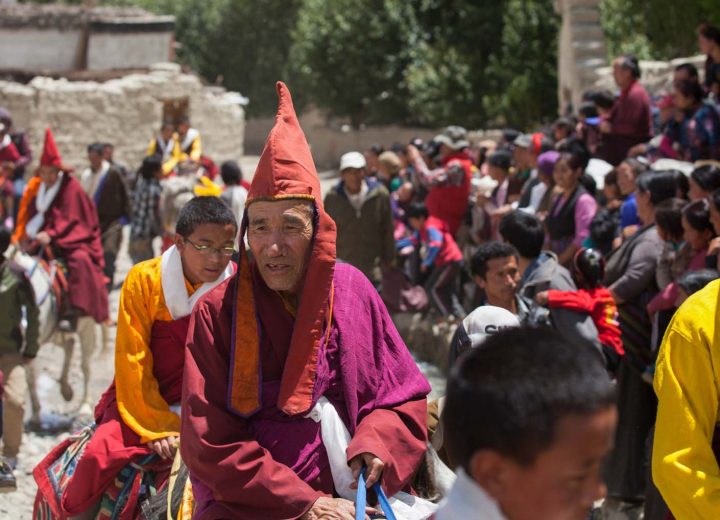
In Ghami and Lomanthang, accommodation reflects the remote trans-Himalayan environment, with traditional mud-brick lodges and Tibetan-style guesthouses providing an authentic cultural stay experience.
In Yara and surrounding valleys, facilities are very basic due to extreme remoteness, but offer warm hospitality and essential comfort.
In Gorkha and return regions, comfortable hotels and local lodges are arranged depending on location.
All accommodation is on a twin-sharing basis throughout the expedition.
Meals
A structured meal plan is designed to support long-distance motorcycle riding across high-altitude desert terrain and variable climates.
Daily breakfast included throughout the entire journey
Welcome dinner in Kathmandu with full expedition briefing
Farewell dinner in Kathmandu after completion of the tour
Full-board meals (Breakfast, Lunch, Dinner) in remote Mustang regions
Typical Food Options:
- Traditional Nepali Dal Bhat (energy-rich staple for riders)
- Thakali set meals (regional specialty of Mustang and lower valleys)
- Tibetan-style dishes such as thukpa, noodles, and soups
- Momo (dumplings), fried rice, pasta, and simple continental meals
- Eggs, bread, porridge, pancakes for breakfast
- Seasonal vegetables and locally sourced organic food
- Butter tea, herbal tea, coffee, and hot lemon drinks
Meal variety is excellent in cities and lower regions, while in Upper Mustang it is simple but nutritious, designed to support endurance riding.
Difficulty & Riding Requirements
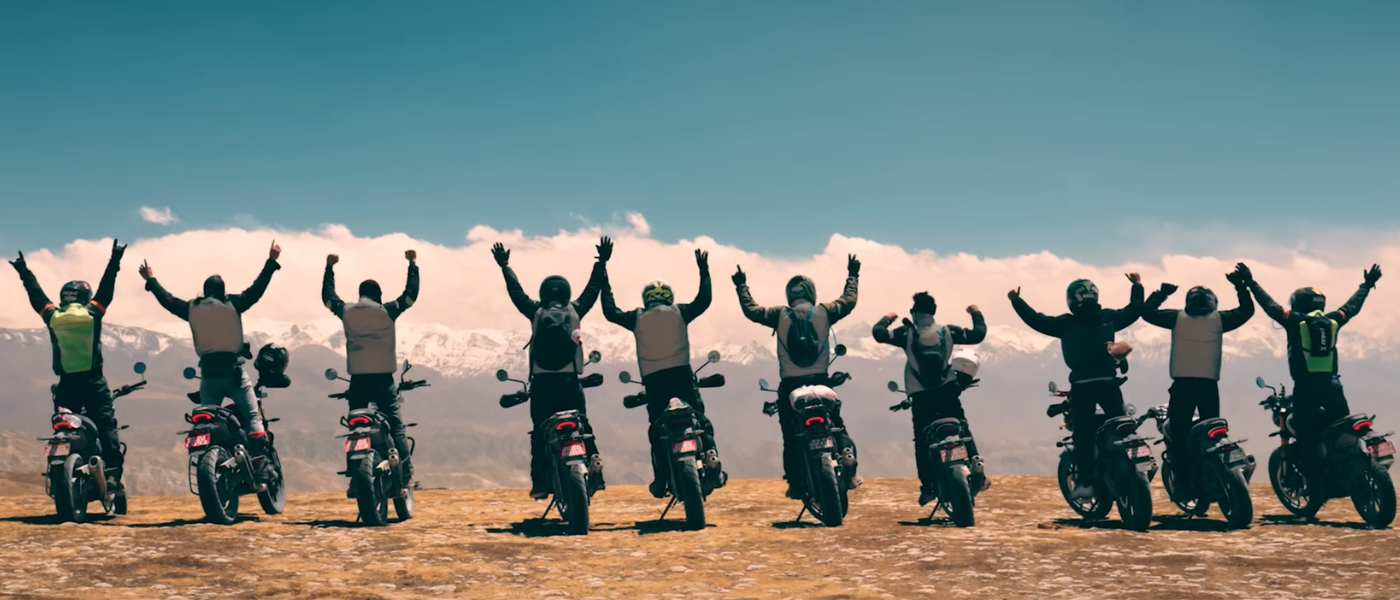
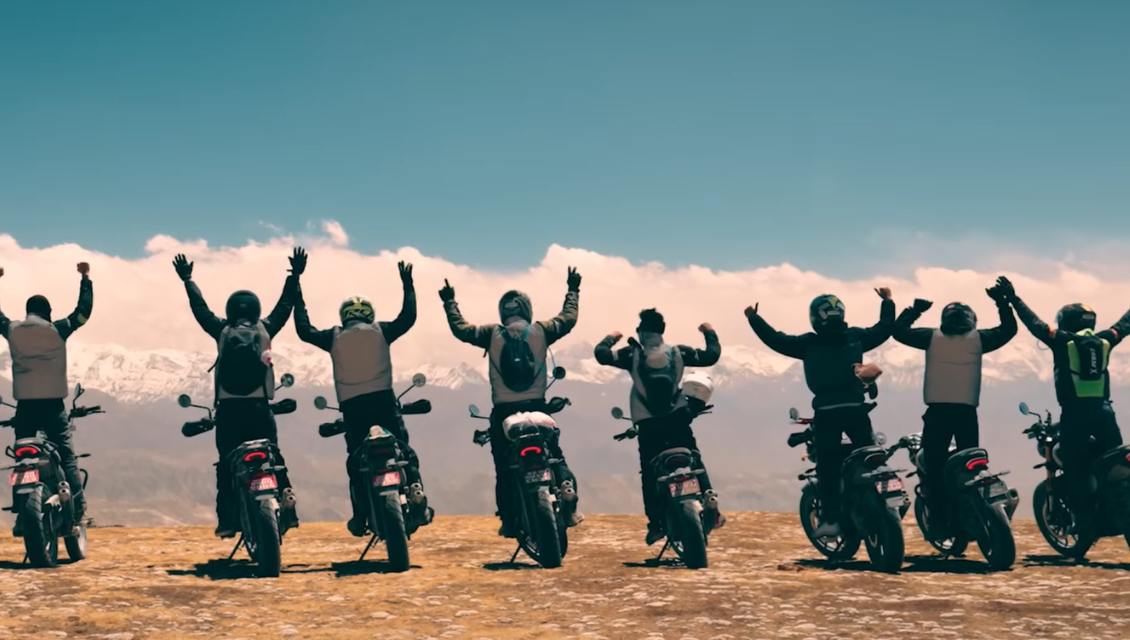
The Upper Mustang Motorbike Tour is classified as a moderate to challenging high-altitude adventure expedition.
This route is suitable for experienced riders with confidence in long-distance touring and mixed terrain riding.
Riders should be prepared for:
- Long riding days (5–8 hours depending on terrain)
- High-altitude riding up to 3,800–4,200 meters
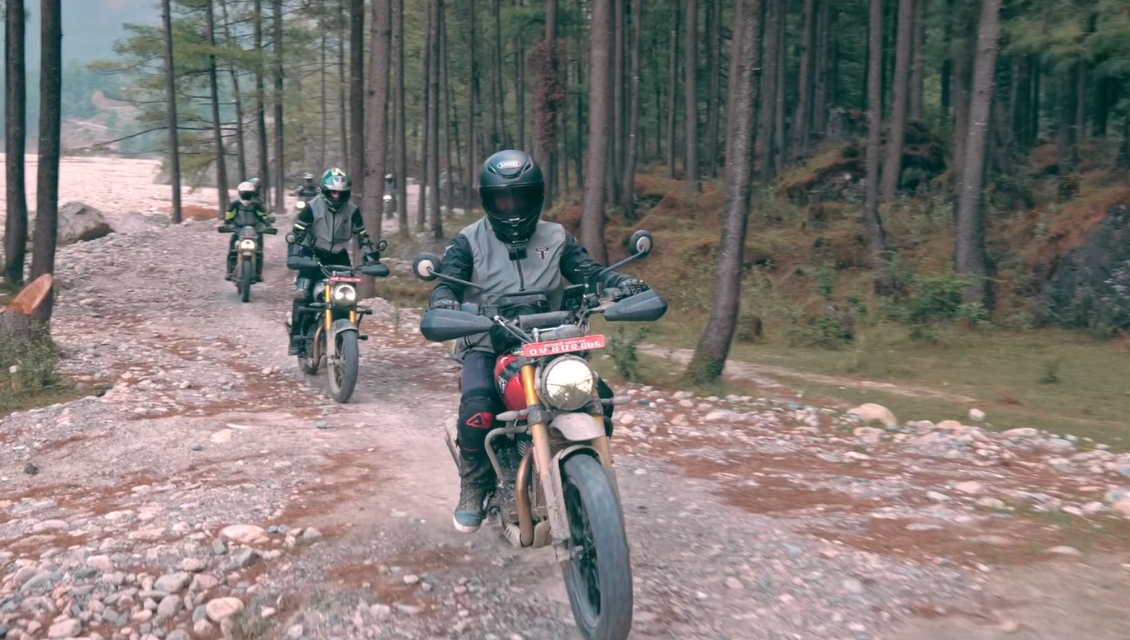
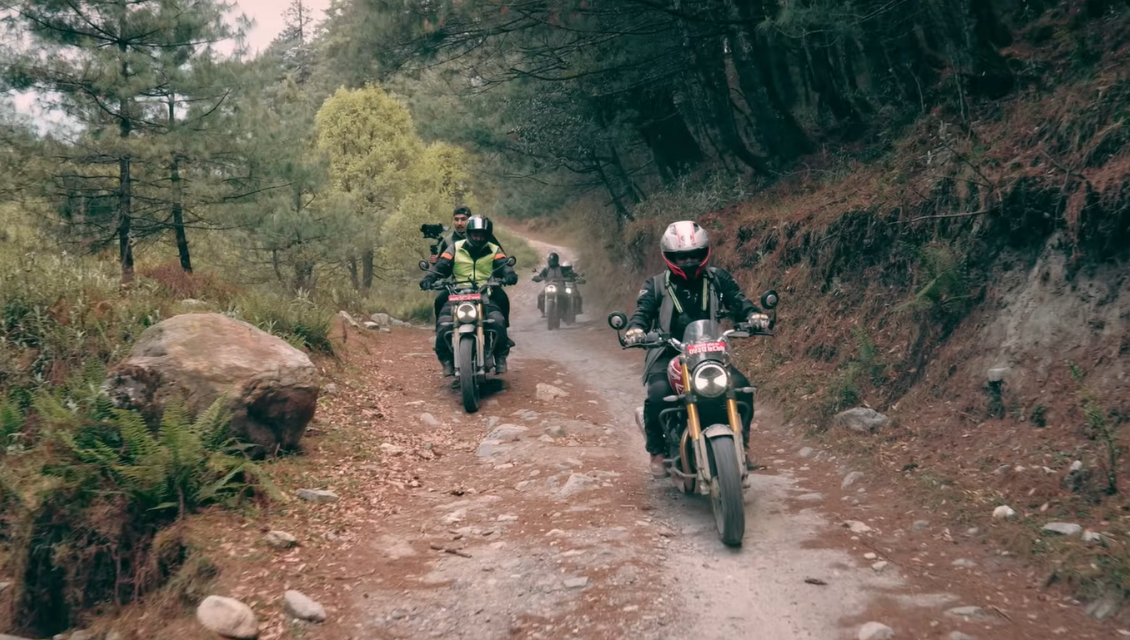
- Rocky, dusty, and off-road desert tracks
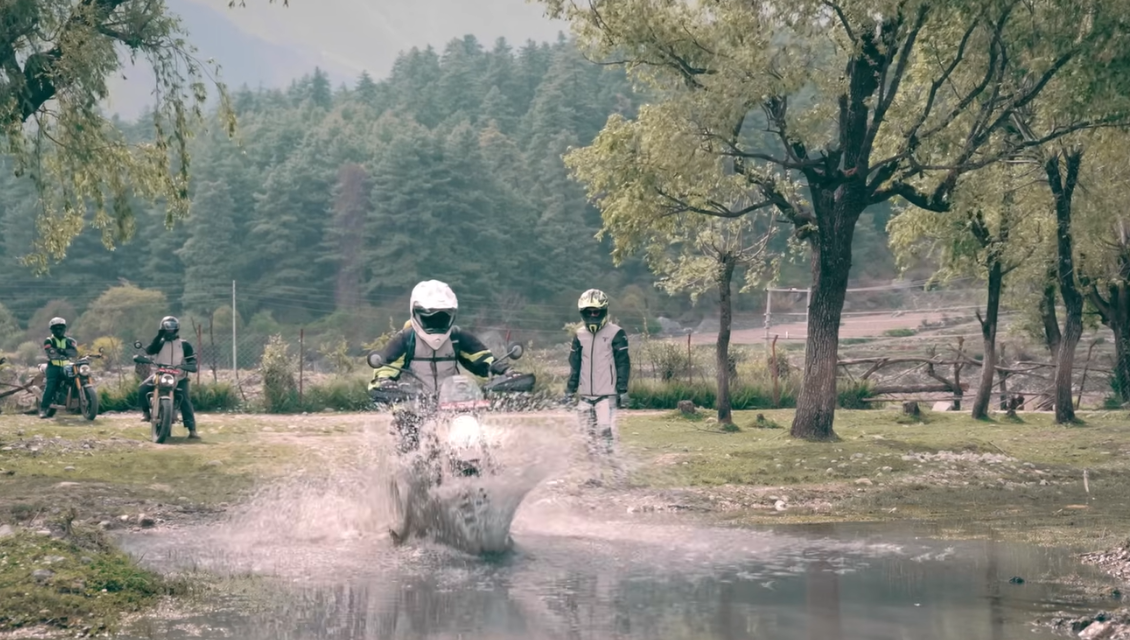
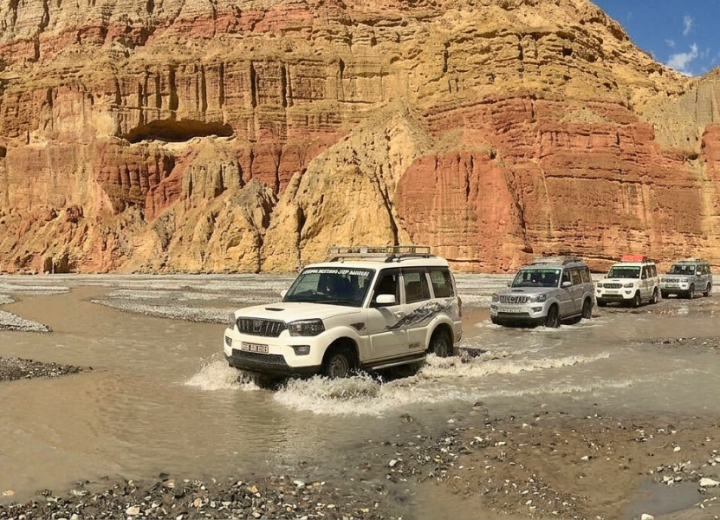
- River crossings, gravel sections, and uneven Himalayan terrain
- Strong winds and rapidly changing weather conditions
No extreme technical off-road expertise is required, but good balance, control, and endurance are essential for Upper Mustang terrain.
Permits
Upper Mustang is a restricted region; therefore, special permits are required and fully arranged in advance:
- Upper Mustang Restricted Area Permit (RAP)
- Annapurna Conservation Area Permit (ACAP)
- Local government entry permits (Gorkha and Mustang regions)
- All tourism registration and expedition documentation
All permits are handled by the organizing company prior to departure.
Transportation & Access
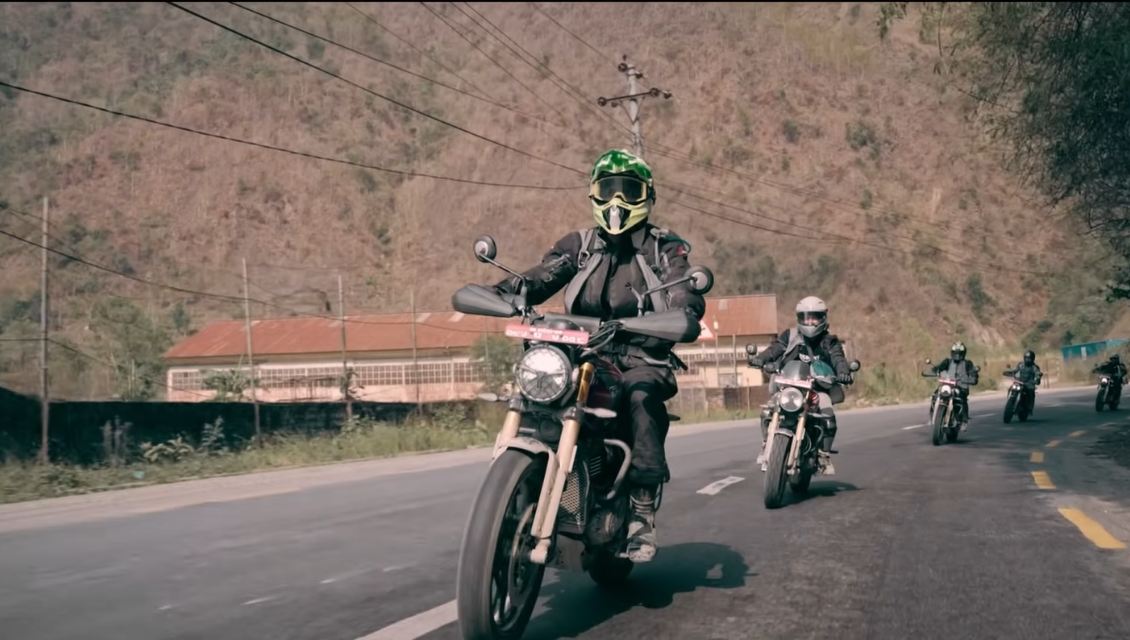
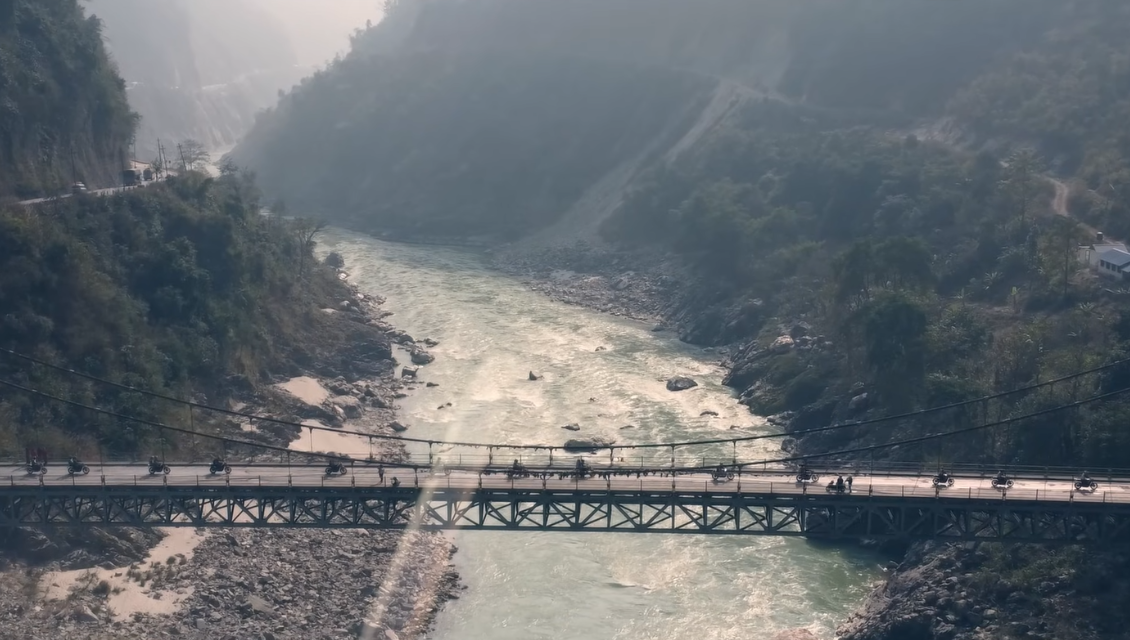
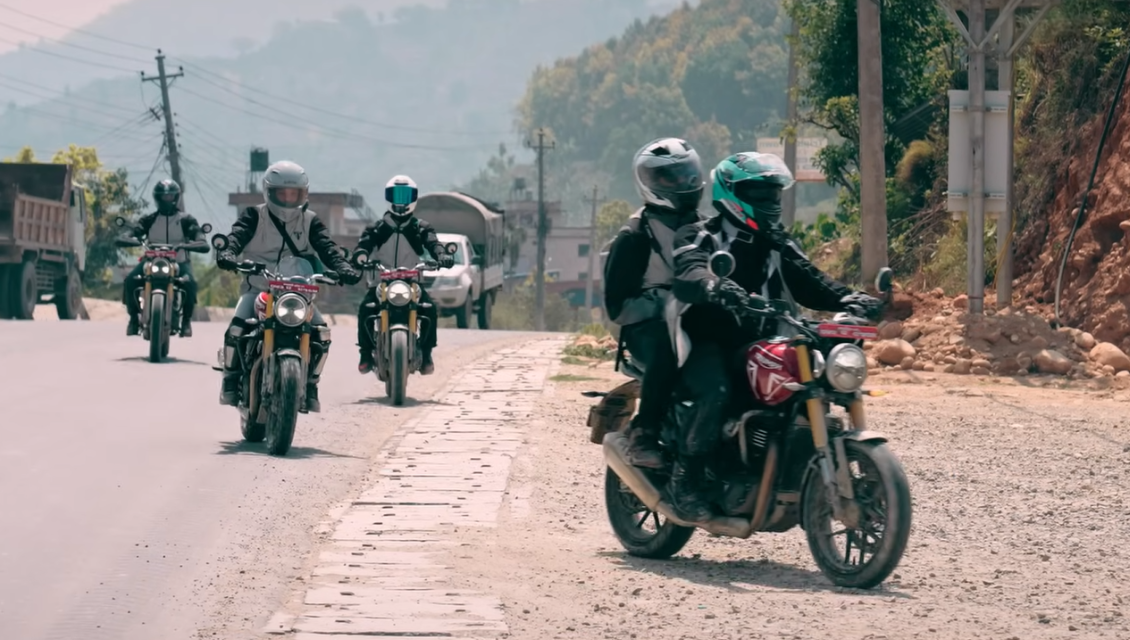
The expedition starts and ends in Kathmandu and follows a fully guided motorcycle circuit through Nepal’s mid-hills, Himalayan valleys, and trans-Himalayan desert landscapes.
Services include:
- Airport pick-up and drop-off in Kathmandu
- Fully guided motorcycle expedition support team
- Support vehicle for luggage, tools, and emergency backup
- Fuel coordination at major towns and designated refueling points
- Recovery and logistics support in remote regions
Due to the remoteness of Upper Mustang, logistical planning and fuel management are strictly controlled by the support team.
Safety & Riding Support
Safety is a top priority throughout the Upper Mustang expedition.
The tour is led by experienced Himalayan motorcycle expedition leaders with strong knowledge of desert terrain, altitude, and remote area navigation.
Support includes:
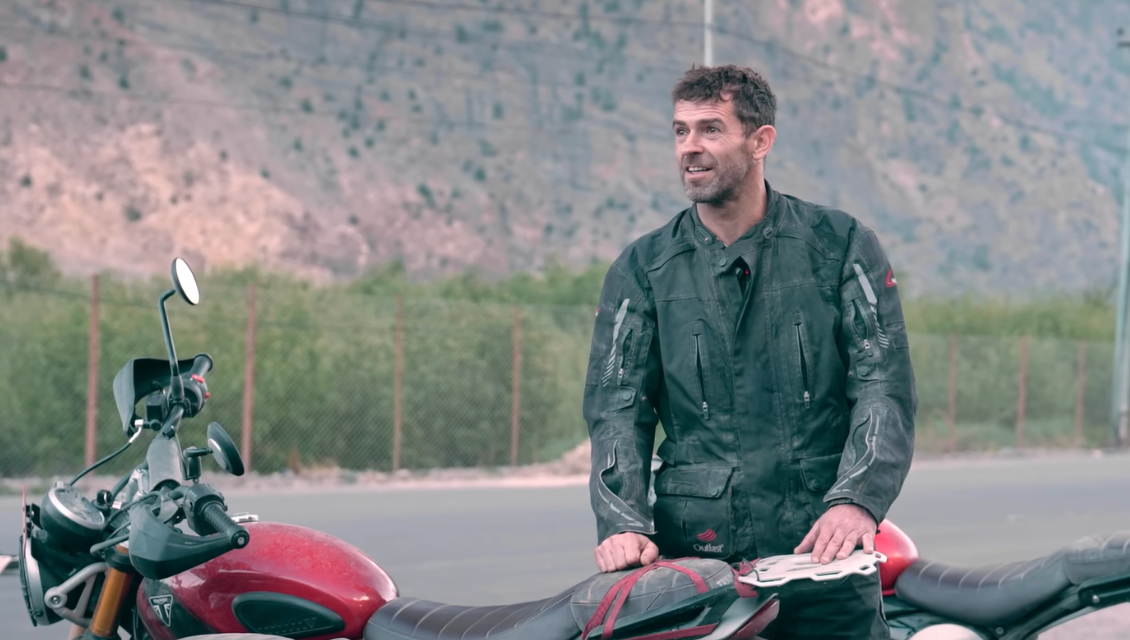
- Pre-ride safety briefing and motorcycle orientation in Kathmandu
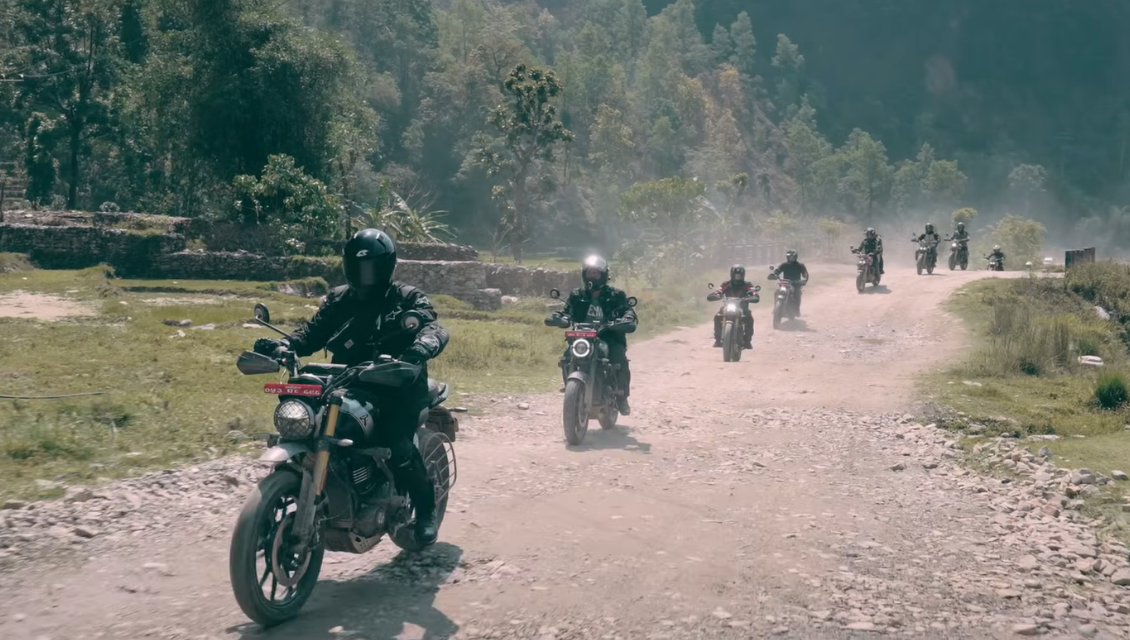
- Daily route planning and group riding management
- On-route mechanical support and repair assistance
- Emergency communication support (satellite/mobile where available)
- First-aid kit and altitude sickness monitoring
- 24/7 assistance from expedition leadership team
Riders are expected to strictly follow group discipline and safety instructions in all remote sections.