Trekking In Nepal · Manasalu - Tsum Valley Region
Manaslu Heritage Trail
- Duration11 Days
- DifficultyModerate
- Max altitude3200m
- Group size17 People
- Best seasonSEP-NOV, MAR-MAY
- Start / finishKathmandu
Trip overview
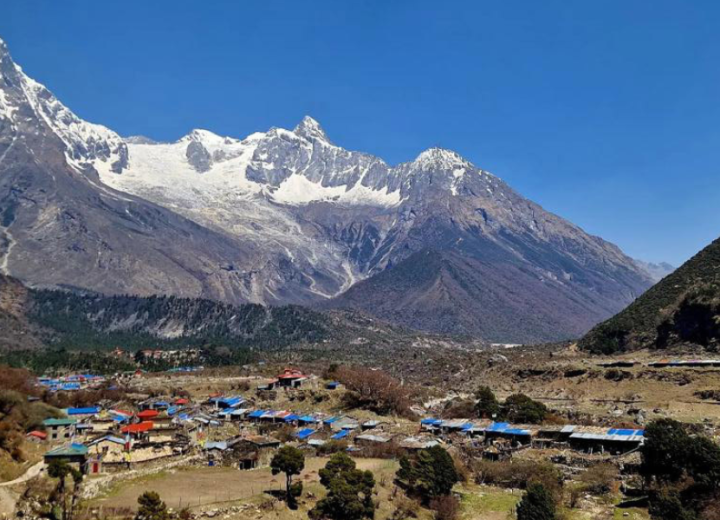
The Manaslu Heritage Trail is a remote and culturally immersive Himalayan journey that explores the traditional villages surrounding Mount Manaslu. It combines rich Tibetan-influenced culture, untouched mountain landscapes, and peaceful trekking routes far from the crowded Everest and Annapurna regions.
This trek is ideal for travelers seeking an authentic Himalayan experience with moderate difficulty, offering close views of Mount Manaslu (8,163m), Ganesh Himal, and surrounding peaks while passing through ancient villages, monasteries, and sacred landscapes.
The route typically follows the lower Manaslu region and culturally significant settlements such as Barpak, Laprak, Philim, and surrounding Gurung and Tibetan-influenced villages, depending on the itinerary variation.
Geography and Landscape
The Manaslu Heritage Trail lies in north-central Nepal within the Manaslu Conservation Area, a region known for its dramatic mountain scenery and cultural preservation.
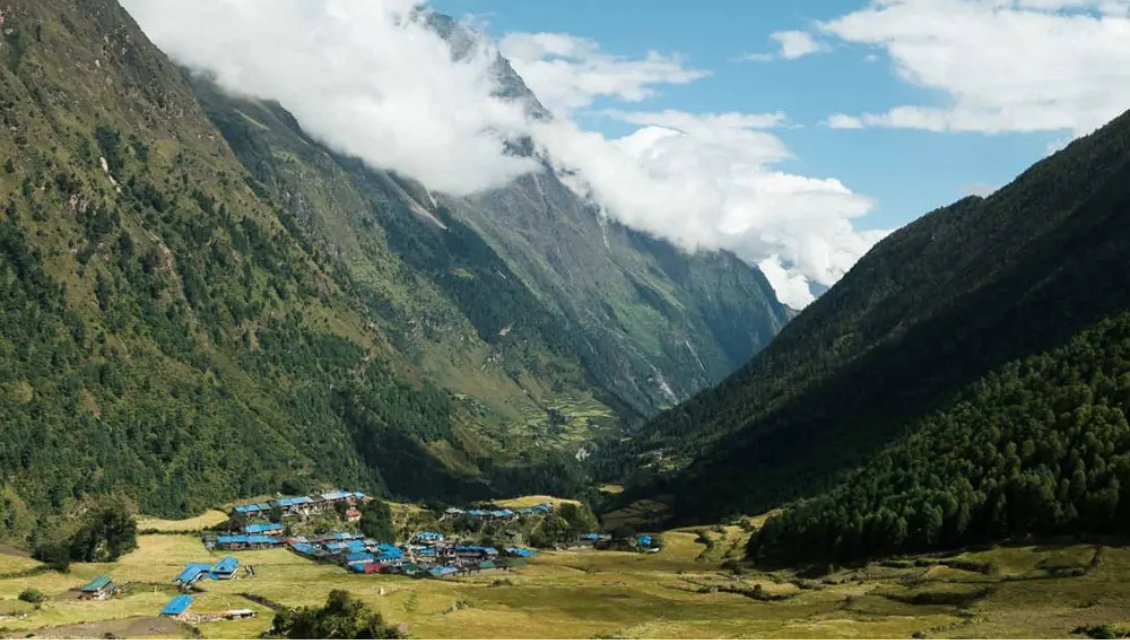
The journey begins in the lower hills of Gorkha district, where terraced farmlands, river valleys, and traditional villages dominate the landscape. As the trail progresses, it gradually ascends into forested hills filled with rhododendron, oak, and pine forests.
Higher sections of the trek offer panoramic views of Manaslu, Himalchuli, Ngadi Chuli, and Ganesh Himal, along with deep river gorges carved by the Budhi Gandaki River system.
Unlike the high Manaslu Circuit, the heritage trail stays in lower elevations, making it more accessible while still offering dramatic Himalayan scenery and cultural depth. Trails often pass suspension bridges, waterfalls, hillside villages, and ancient trade routes once used for salt and wool exchange between Nepal and Tibet.
Climate and Best Time to Trek
The best seasons for the Manaslu Heritage Trail are spring (March–May) and autumn (September–November), when weather conditions are stable and mountain visibility is at its best.
Spring brings blooming rhododendron forests, green hills, and comfortable temperatures, while autumn offers crisp air, dry trails, and crystal-clear Himalayan views.
Winter (December–February) is colder but still suitable for lower-altitude trekking, with quieter trails and clear skies. Monsoon season (June–August) is less ideal due to heavy rainfall, slippery trails, and occasional landslides.
Overall, autumn is the most recommended season for optimal visibility and trekking comfort.
People and Culture
The Manaslu region is home to a rich mix of Gurung, Tibetan-influenced Buddhist, and Magar communities, each with deep cultural traditions and mountain heritage.
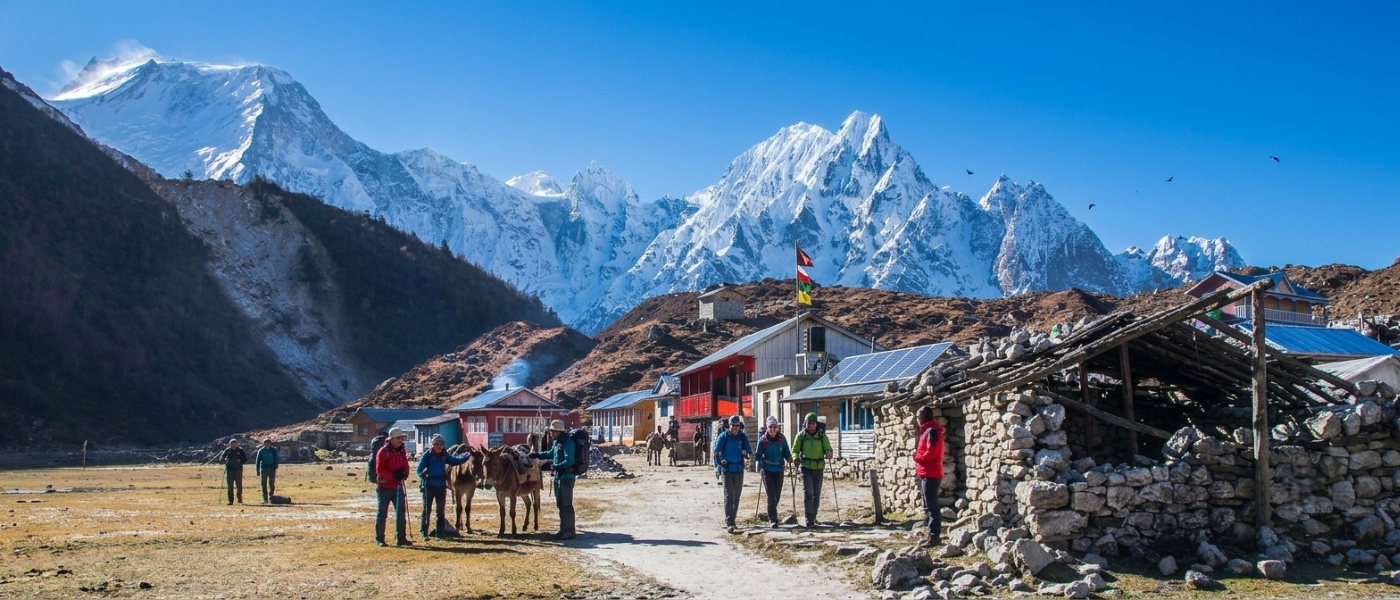
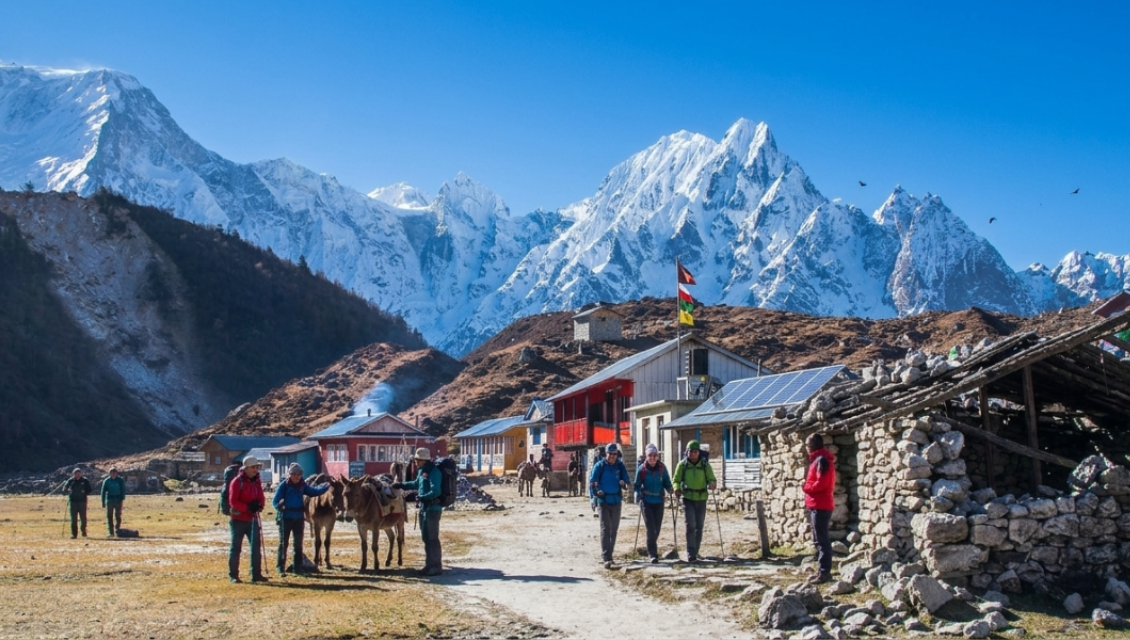
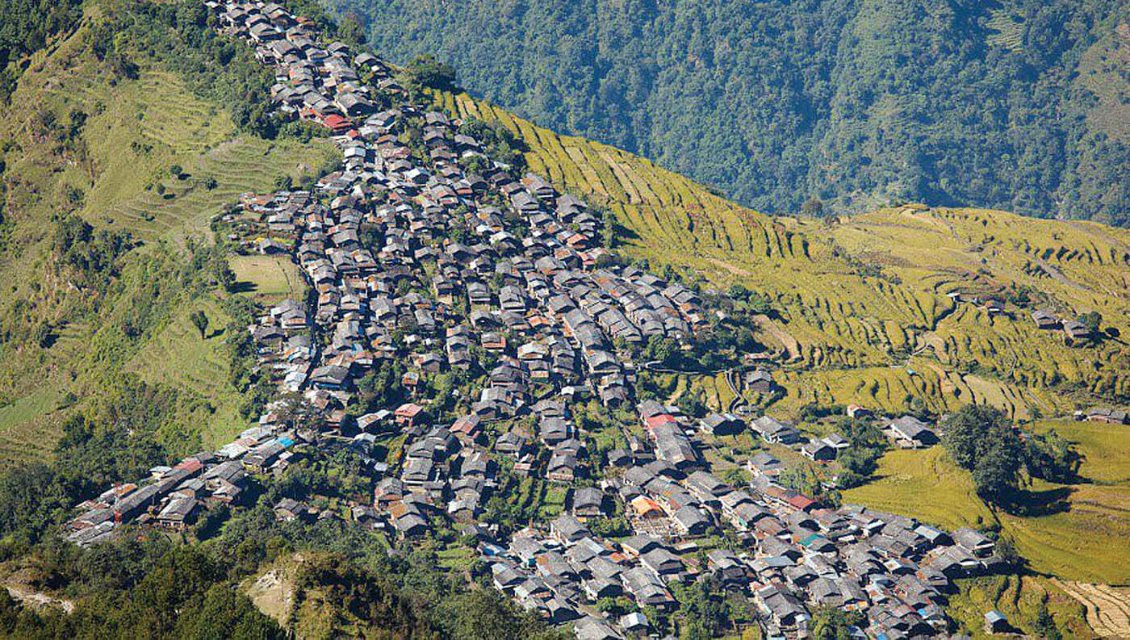
Villages along the trail showcase traditional stone houses, prayer flags, mani walls, and ancient monasteries that reflect strong Himalayan Buddhist influence. In some areas, pre-Buddhist Bon traditions are also present, adding cultural diversity.
Local life is centered around agriculture, yak herding, trade, and monastery-based spiritual practice. Festivals, rituals, and daily prayers are an important part of community life.
Trekkers experience authentic hospitality through homestays and teahouses, offering traditional food, cultural storytelling, and close interaction with local families.
The Manaslu Heritage Trail is considered one of Nepal’s most culturally rich and less-explored trekking experiences, combining mountain scenery, spiritual heritage, and untouched rural life in one journey.
Highlights
- Views of Manaslu, Himalchuli, and Ganesh Himal
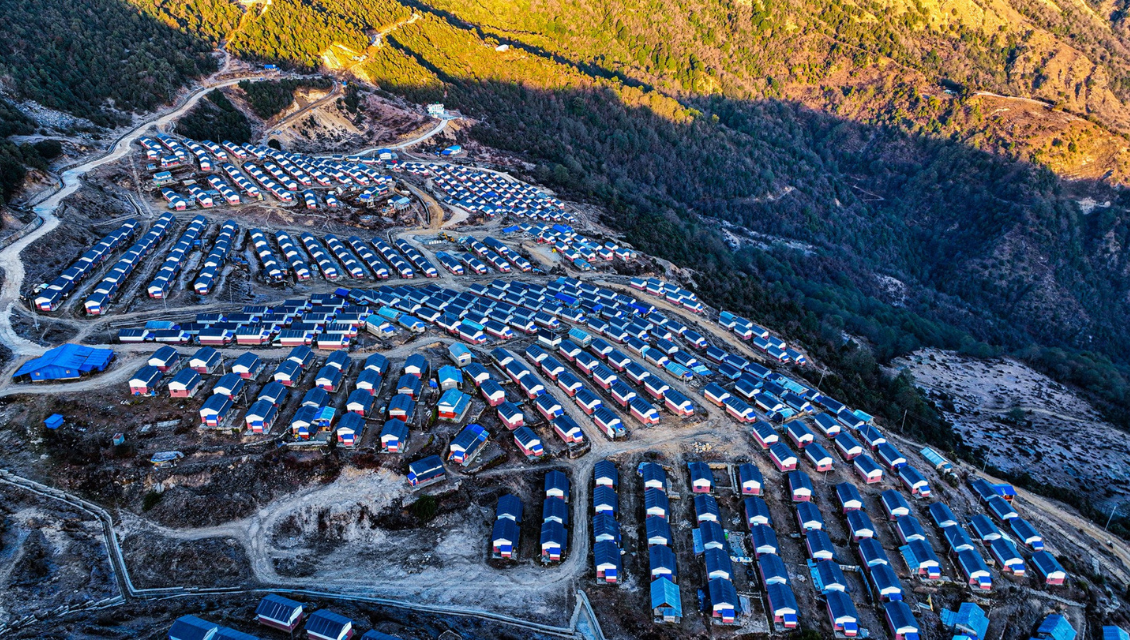
- Visit Barpak, symbol of resilience after the 2015 earthquake
- Stay in Laprak Gurung village with traditional rebuilt homes
- Explore Sirandanda eco-homestay village
- Cross Singa La Pass (3,200m) with Himalayan views
- Authentic community homestay cultural experience
- Trek through a quiet, less-touristed Himalayan region
Day-by-day itinerary
-
Upon arrival at Tribhuvan International Airport, you will be greeted by a representative and transferred to your hotel in Kathmandu. After check-in, you’ll attend a short trek briefing with your guide, covering safety, culture, and packing tips.If time allows, you can explore nearby landmarks such as Boudhanath Stupa or the bustling streets of Thamel.
Accomadation: Hotel
Place to visit: Nepal
Meals: Dinner
-
Trek Duration: 4–6 hrs preparation
This day is fully dedicated to trek preparation and permit arrangements for the Manaslu Heritage Trail. Required permits are processed, documents are verified, and logistics are finalized. Your guide also checks all trekking gear including boots, clothing layers, backpack, and essential equipment. Final briefing is conducted covering route details, safety protocols, and altitude awareness.
Accomadation: Tea House
Place to visit: Manasalu - Tsum Valley Region
Meals: Breakfast
-
Trek Duration: 6–7 hrs driving
Today you begin your journey to the Manaslu region with a scenic drive from Kathmandu to Gorkha, the historic capital of King Prithvi Narayan Shah. After a short break in Gorkha, continue uphill to Sirandanda, a peaceful ridge-top village with panoramic views of Manaslu and Ganesh Himal.
Accomadation: Tea House
Place to visit: Manasalu - Tsum Valley Region
Meals: Breakfast Lunch Dinner
-
Trek Duration: 4–5 hrs walking
Trek through terraced hillsides, pine forests, and scenic ridges to Barpak, a large Gurung village rebuilt after the 2015 earthquake. Explore the village and experience local hospitality and culture.
Accomadation: Tea House
Place to visit: Manasalu - Tsum Valley Region
Meals: Breakfast Lunch Dinner
-
Trek Duration: 5–6 hrs walking
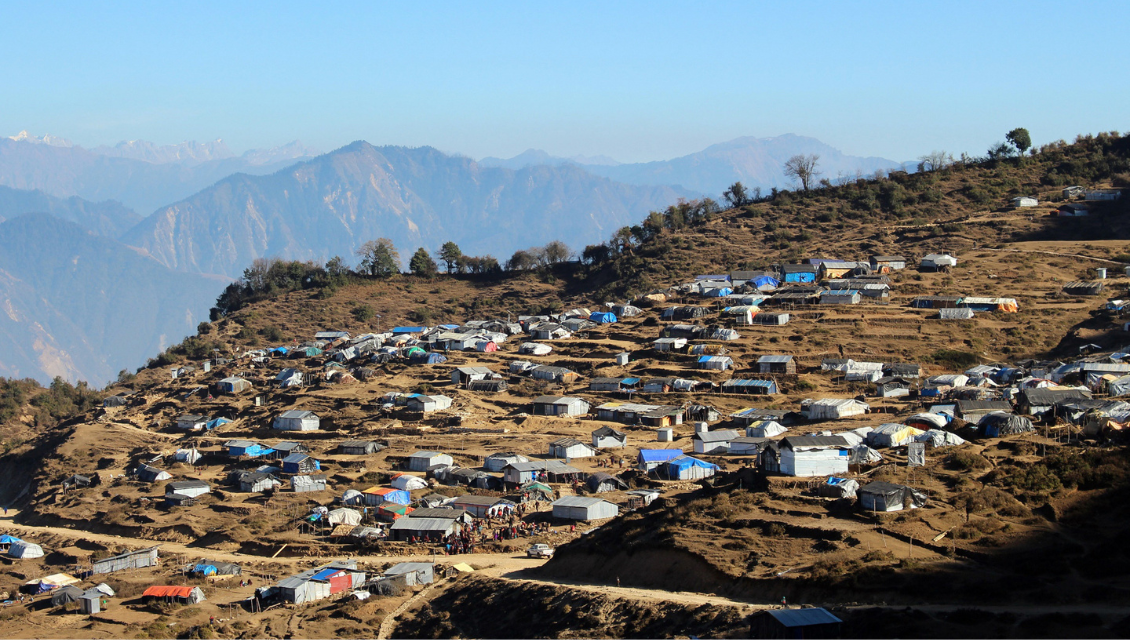
A mix of ascents and descents through ridgelines leads to Laprak, a traditional Gurung settlement rich in Tibetan Buddhist culture and mountain views including Himalchuli and Buddha Himal.
Accomadation: Tea House
Place to visit: Manasalu - Tsum Valley Region
Meals: Breakfast Lunch Dinner
-
Trek Duration: 5–6 hrs walking
The trail enters remote pastureland used by yak and sheep herders. Nambai Kharka offers a peaceful wilderness camping experience surrounded by open alpine landscapes.
Accomadation: Tea House
Place to visit: Manasalu - Tsum Valley Region
Meals: Breakfast Lunch Dinner
-
Trek Duration: 6–7 hrs walking
Cross Singa La Pass with spectacular views of Manaslu, Ganesh Himal, Langtang, and Annapurna ranges. Descend to Dharche Danda, a spiritually significant ridge known for prayer flags and sunrise views.
Accomadation: Tea House
Place to visit: Manasalu - Tsum Valley Region
Meals: Breakfast Lunch Dinner
-
Trek Duration: 4–5 hrs walking
Descend to Uhiya, a hidden Gurung village with Tibetan cultural influence. Experience local farming life, weaving traditions, and warm hospitality.
Accomadation: Tea House
Place to visit: Manasalu - Tsum Valley Region
Meals: Breakfast Lunch Dinner
-
Trek Duration: 1 hr walking + 6–7 hrs driving
Short trek to meet your vehicle, then drive along the Budhi Gandaki valley via Soti Khola to Gorkha Bazaar. Visit historical Gorkha Durbar if time permits.
Accomadation: Hotel
Place to visit: Nepal
Meals: Breakfast Lunch Dinner
-
Altitude: 1,400m - 1,400m
Trek Duration: 6–7 hrs driving
Drive back to Kathmandu through rivers, terraced hills, and rural towns. Evening at leisure or farewell dinner with your guide.
Place to visit: Nepal
Meals: Breakfast Lunch Dinner
-
Transfer to Tribhuvan International Airport for your onward flight. Your Manaslu Heritage Trail journey ends with lasting mountain and cultural memories.
Place to visit: Nepal
Meals: Breakfast
What’s included
Cost includes
1. Transportations
- Private/tourist vehicles for airport pickup and drop-off in Kathmandu.
- Private/tourist vehicles transfer as per itinerary to access the trailheads.
2. Accommodation & Meals
- 3 Nights 3 star hotel in Kathmandu with bed & breakfast basis.
- All Meals (breakfast, lunch & dinner with tea & coffee) during the trekking Period.
3. Permits
- Manaslu restricted Area (Special Permit) permits.
- Annapurna Conservation Area Project (ACAP) permits.
- Manaslu Conservation Area Project (MCAP) Permits.
- Trekkers' Information Management System (TIMS) permits.
4. Guide & Staff
- Professional and experience License holder trekking guide salary & insurance.
- Porter salary, equipments & insurance.
- First aid medical kit for emergency support.
Cost excludes
1. International Flights
- Airfare from your home country to Nepal (Tribhuvan International Airport, Kathmandu).
- Return airfare from Nepal (Tribhuvan International Airport, Kathmandu) to your home country.
2. Visa Fees
- Nepal entry visa fee for entering Nepal (available on arrival at Tribhuvan International Airport, Kathmandu, or through a Nepalese embassy).
3. Travel Insurance (Mandatory)
- Comprehensive travel insurance covering high-altitude trekking, emergency medical treatment, helicopter evacuation, trip cancellation, and other unforeseen circumstances.
4. Personal Expenses
- Tips, gifts, and souvenirs for trekking guides and porters.
- Personal trekking equipment and gear.
- Charges for lodge Wi-Fi, hot showers, battery charging, and laundry services.
5. Meals & Beverages
- Lunch and dinner in Kathmandu, Pokhara, and other locations where accommodation is provided in 3-star category hotels.
- Soft drinks, bottled water, alcoholic beverages, and snacks consumed during meals
Photos & video
Dates & prices
Private departures run on any date. Pick the start date that suits you and we will build the trip around it — same price, your own guide and team.
Good to know
Essential information
Accommodation
Accommodation is mainly in traditional teahouses and homestays throughout the Manaslu Heritage Trail.
Villages such as Barpak, Laprak, Philim, Jagat, Deng, Namrung, and Lho offer basic but comfortable lodging with twin-sharing rooms and shared bathroom facilities. In more remote sections, accommodation becomes simpler but remains sufficient for trekking needs.
Homestay experiences are a key highlight, offering authentic local hospitality and cultural interaction with Gurung and Tibetan-influenced communities.
Meals
A full-board meal system (Breakfast, Lunch, Dinner) is available during the trek.
Meals are freshly prepared and energy-rich, suitable for multi-day trekking
Typical food includes:
- Dal Bhat (rice, lentils, vegetables)
- Tibetan bread and chapati
- Noodles, pasta, fried rice
- Potatoes, soups, and seasonal vegetables
- Eggs, pancakes, porridge
- Tea, coffee, and hot drinks
Food variety is better in lower villages and becomes simpler at higher altitudes.
Difficulty & Physical Requirements
The Manaslu Heritage Trail is classified as moderate, suitable for trekkers with reasonable fitness levels.
Daily walking: 5–7 hours
Gradual altitude gain with some steep ascents and descents
No extreme technical climbing required
However, longer trekking days and remote terrain require endurance and basic trekking experience.
Permits
Required permits include:
- Manaslu Conservation Area Permit (MCAP)
- Restricted Area Permit (RAP) (depending on route section)
- TIMS Card (Trekkers’ Information Management System)
Permits are generally arranged by the trekking operator.
Best Season
- Spring (March–May): Rhododendron bloom, clear views, pleasant weather
- Autumn (September–November): Best overall conditions and visibility
- Winter (December–February): Cold but clear and quiet trails
- Monsoon (June–August): Not recommended due to rain and landslides
Autumn is the most stable and recommended season.
Transportation & Access
The trek usually begins with a drive from Kathmandu to Gorkha region trailheads such as Barpak or Laprak.
The route explores lower Manaslu villages and cultural trails, often ending with a return drive back to Kathmandu via Besisahar or Arughat.
Safety & Acclimatization
The Manaslu Heritage Trail is a moderate-altitude trek, but proper pacing is still important.
Key safety points:
- Gradual ascent through village-to-village trekking
- Hydration and steady walking pace
- Weather awareness in higher hill regions
- Basic altitude awareness above 3,000m
Professional guides assist with navigation, safety, and local coordination.
Travel Insurance
Recommended insurance should cover:
- Trekking up to at least 3,500–4,000m
- Emergency evacuation (helicopter if needed)
- Medical treatment and accidents
- Trip cancellation coverage
Additional information
Guide & Porter Services
Licensed guides are strongly recommended for:
- Navigation through remote trails
- Cultural interpretation
- Safety and logistics
Porters assist with luggage to make trekking more comfortable.
Cultural & Natural Highlights
The Manaslu Heritage Trail offers a rich mix of culture and nature:
- Traditional Gurung and Tibetan-influenced villages
- Ancient monasteries, chortens, and prayer flags
- Views of Manaslu, Ganesh Himal, Himalchuli, Ngadi Chuli
- Terraced farmland, forests, and river valleys
- Remote Himalayan lifestyle and homestays
- Less crowded and highly authentic trekking experience
Essential Equipment
Recommended gear:
- Trekking boots
- Layered clothing system
- Warm jacket (10°C to -10°C range)
- Waterproof jacket and pants
- Gloves, hat, buff, sunglasses
- Trekking poles
- Sleeping bag (moderate cold rating)
- Daypack (30–40L)
- Basic first aid kit
Communication & Connectivity
Mobile signal: Available in lower villages, limited in remote areas
Wi-Fi: Available in some teahouses (low reliability, extra cost)
Why Choose the Manaslu Heritage Trail?
- Authentic cultural trekking experience in rural Nepal
- Less crowded than Everest and Annapurna regions
- Beautiful mix of hills, rivers, forests, and mountain views
- Strong Gurung and Tibetan cultural heritage
- Ideal for moderate trekkers seeking a peaceful Himalayan journey
- Combines nature, culture, and village life in one route
Keep exploring