Trekking In Nepal · Annapurna Region
Muktinath Trek
- Duration14 Days
- DifficultyModerate
- Max altitude3760m
- Group size17 People
- Best seasonSEP-NOV, MAR-MAY
- Start / finishKathmandu
Trip overview
The Muktinath Trek is a spiritually significant and culturally rich Himalayan journey that leads to one of the most sacred pilgrimage sites in Nepal. Located in the Mustang region, this trek combines dramatic mountain scenery, ancient Hindu-Buddhist heritage, and the unique trans-Himalayan landscape of the Kali Gandaki Valley.
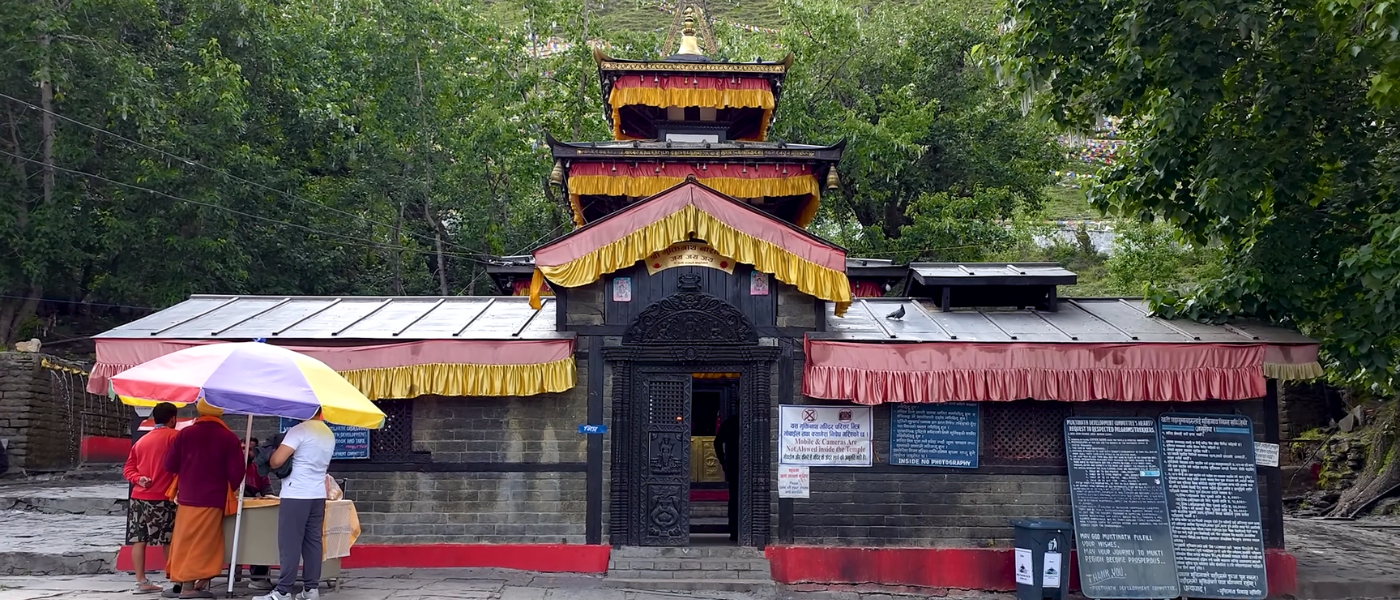
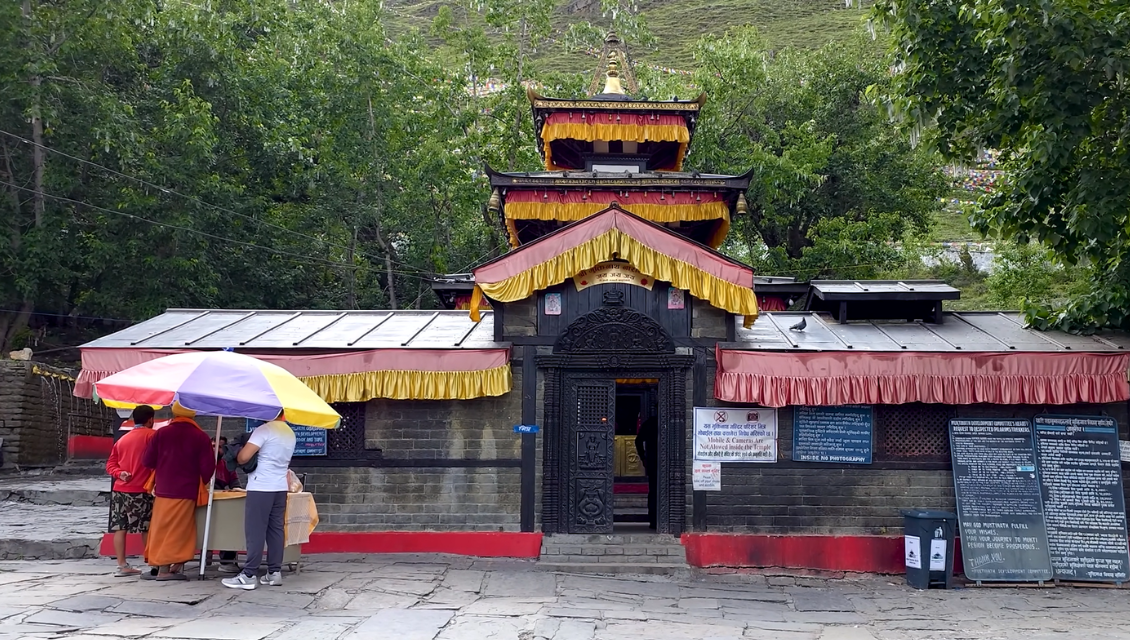
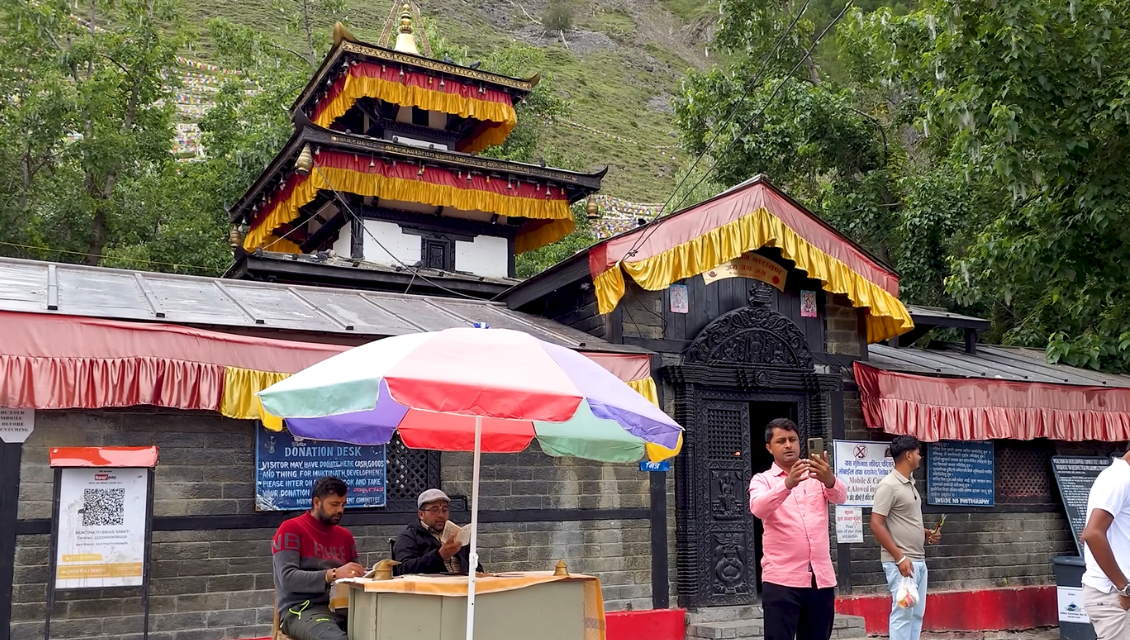
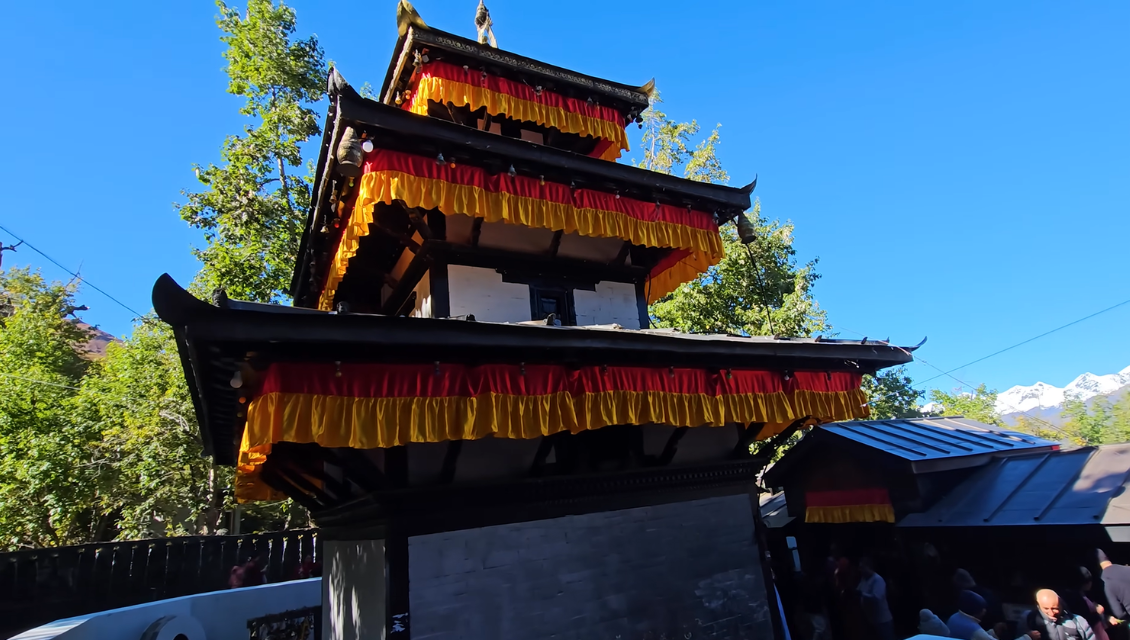
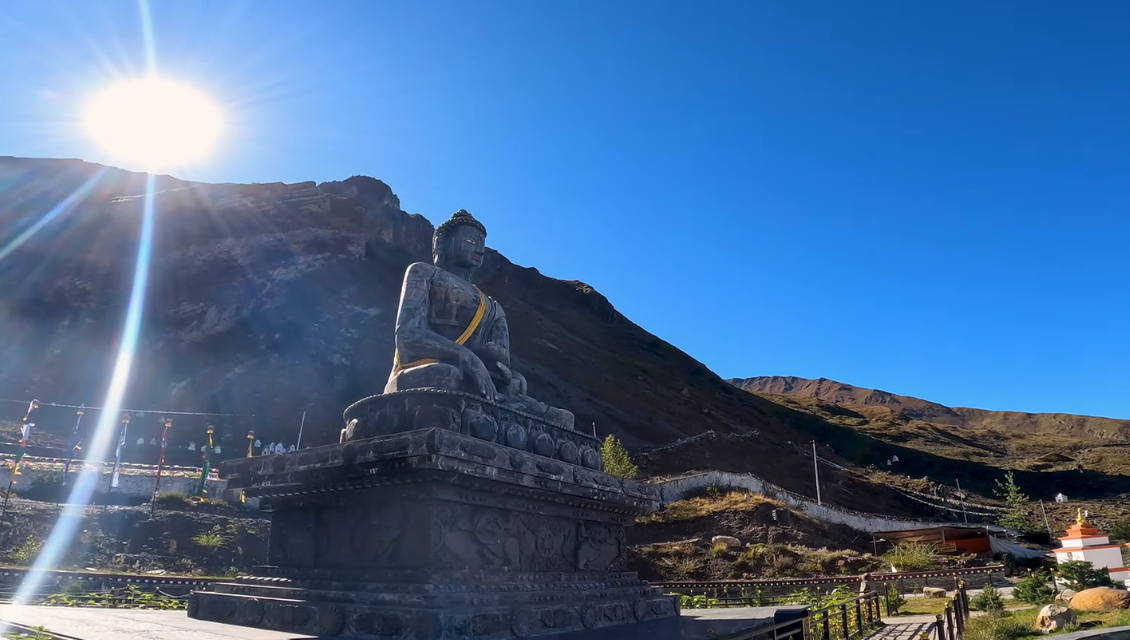
The main highlight of the trek is the holy temple of Muktinath Temple, a revered pilgrimage site for both Hindus and Buddhists. Situated at an altitude of 3,800 meters, Muktinath is believed to be a place of liberation (moksha), attracting pilgrims from Nepal, India, and around the world.
Throughout the journey, trekkers enjoy spectacular views of Himalayan peaks including Dhaulagiri, Annapurna I, and Nilgiri, while experiencing a combination of cultural exploration and moderate trekking adventure. This trek is suitable for both pilgrims and adventure travelers seeking a meaningful Himalayan experience.
Geography and Landscape
The Muktinath Trek is located in the Mustang region of north-central Nepal within Annapurna Conservation Area. The journey typically follows the Kali Gandaki Valley, one of the deepest gorges in the world, flanked by the massive Annapurna and Dhaulagiri ranges.
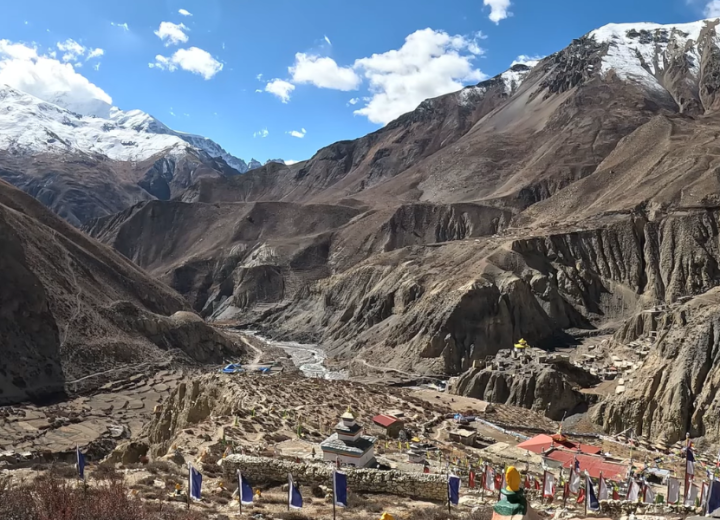
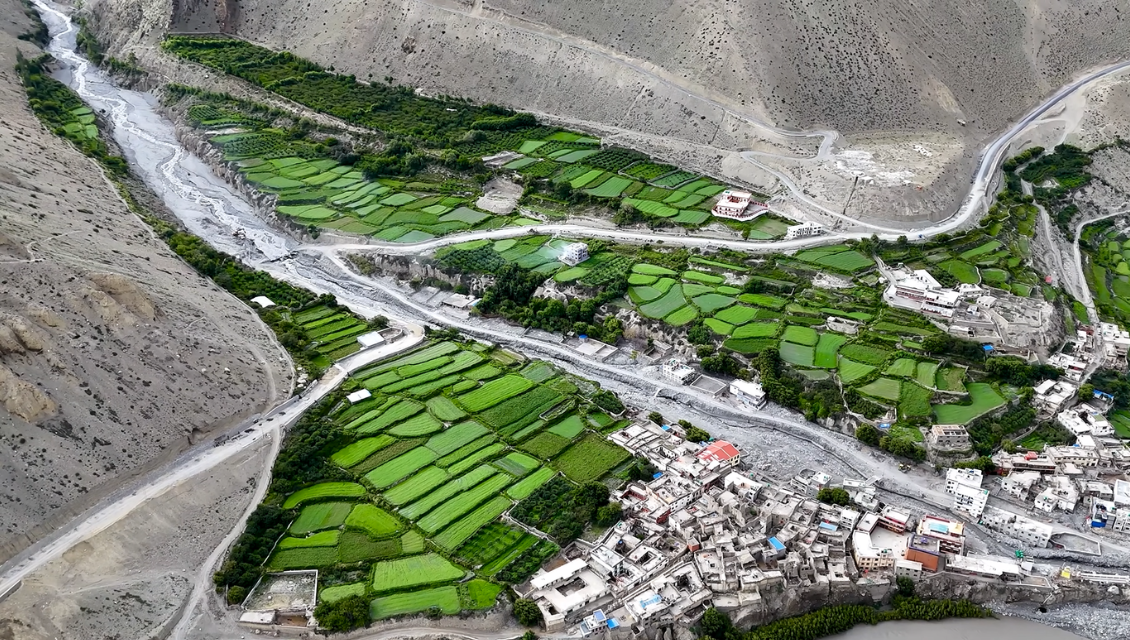
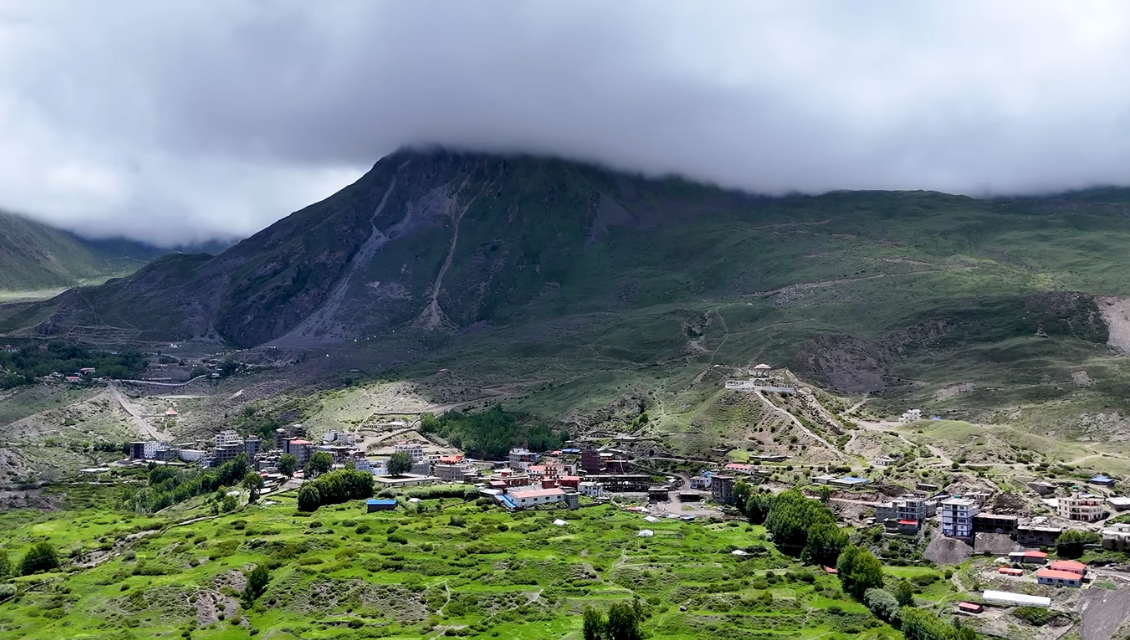
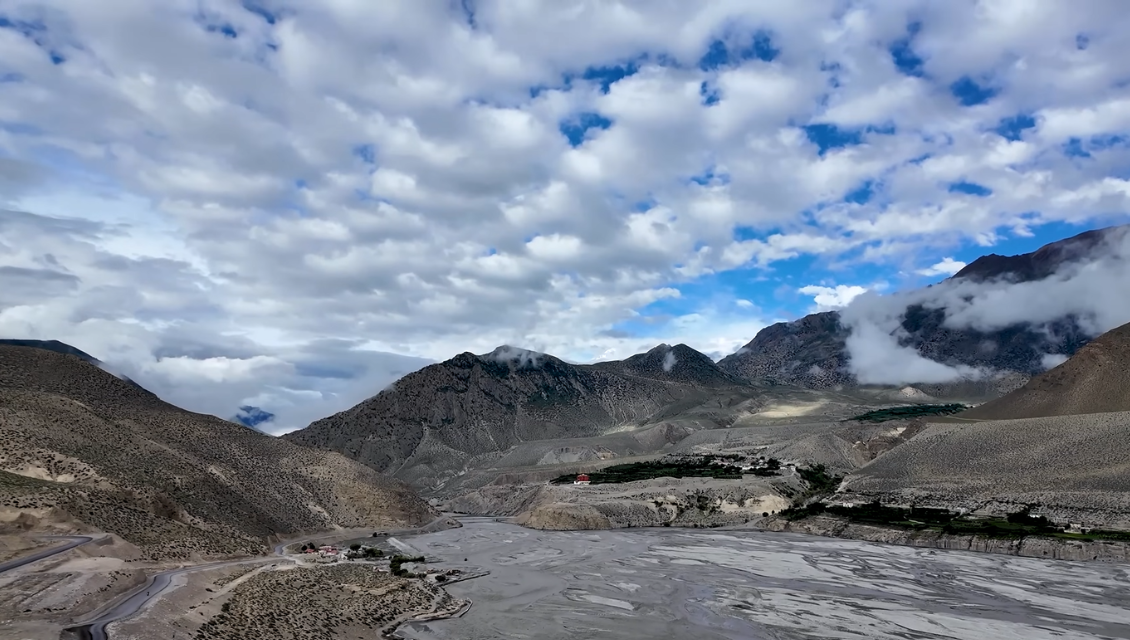
The landscape is strikingly diverse, transitioning from lush green hills and terraced farmland in the lower regions to arid, desert-like terrain as one moves toward Mustang. This trans-Himalayan environment is heavily influenced by Tibetan plateau geography, featuring dry cliffs, wind-swept valleys, and colorful rock formations.
Key stops along the route include villages such as Jomsom, Kagbeni, and Ranipauwa, each offering unique cultural and scenic experiences. Kagbeni, in particular, is a historic gateway to Upper Mustang and preserves ancient Tibetan-style architecture and traditions.
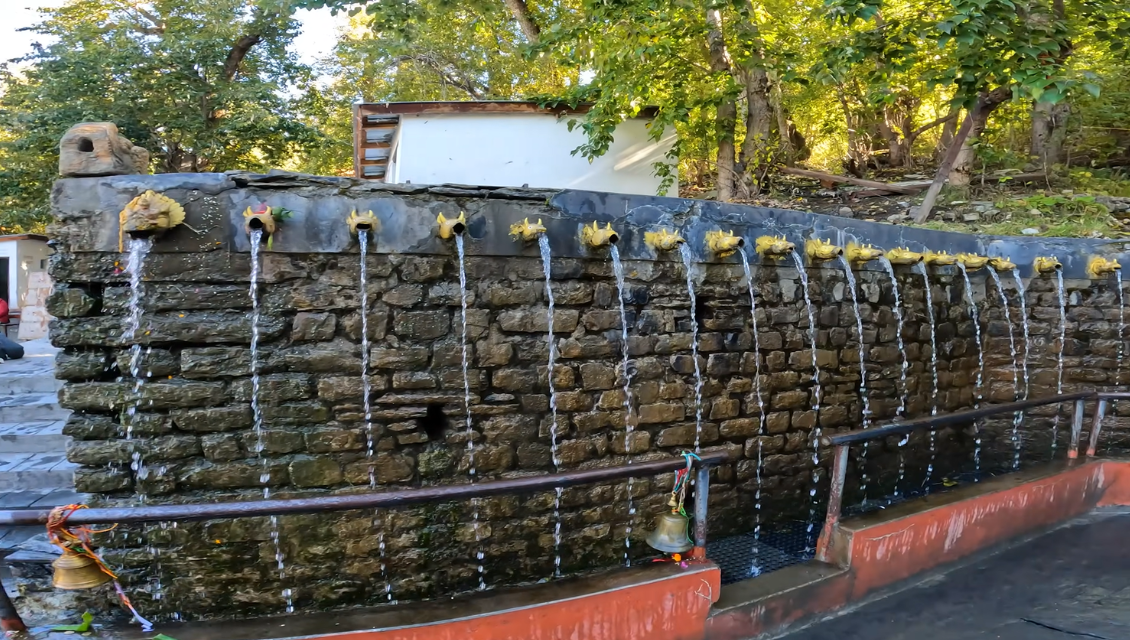
The highlight of the trek is Muktinath itself, where natural springs and 108 water spouts flow beside a sacred Vishnu temple, symbolizing purification and spiritual liberation.
Climate and Best Time to Trek
The best seasons for the Muktinath Trek are spring (March–May) and autumn (September–November). During these months, weather conditions are generally stable, skies are clear, and mountain visibility is excellent.
Spring offers pleasant temperatures and blooming landscapes in lower elevations, while autumn provides crisp air and ideal trekking conditions after the monsoon season. Winter (December–February) can be very cold, especially at higher elevations, but still possible for well-prepared trekkers. The monsoon season (June–August) is less favorable due to rain, landslides, and limited visibility in lower regions.
Overall, autumn is the most recommended season for a comfortable and rewarding Muktinath Trek experience.
People and Culture
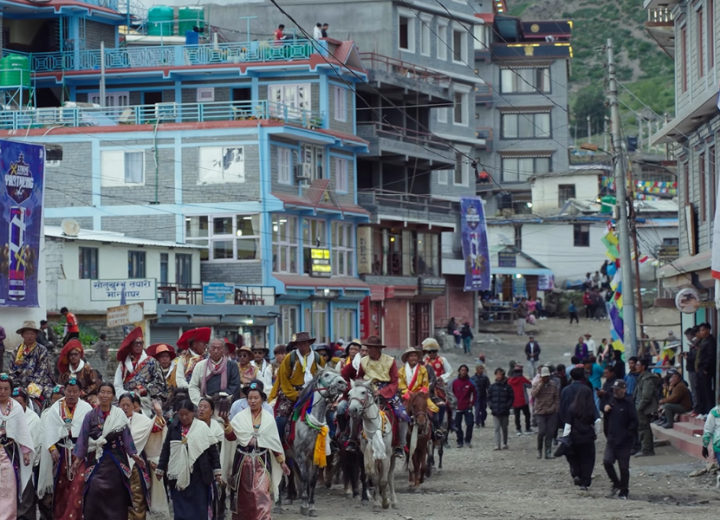
The Muktinath region is culturally diverse, inhabited by Thakali, Gurung, and Tibetan-influenced Mustang communities. The region reflects a unique blend of Hindu and Buddhist traditions, making it one of the most spiritually significant areas in Nepal.
The Muktinath Temple is a major pilgrimage site where devotees perform rituals for purification and salvation. Nearby villages such as Kagbeni and Jharkot showcase ancient monasteries, prayer wheels, chortens, and traditional stone houses that reflect Tibetan Buddhist heritage.
The Thakali people of the lower Mustang region are also known for their rich culinary traditions, hospitality, and historical role in Himalayan trade routes. The combination of sacred pilgrimage, trans-Himalayan landscapes, and cultural diversity makes the Muktinath Trek a deeply meaningful and visually stunning journey.
Highlights
- Panoramic views of Annapurna, Dhaulagiri, and Nilgiri ranges
- Visit to sacred Muktinath Temple – major pilgrimage site
- Trek through diverse landscapes – forests, valleys, and desert-like terrain
- Kali Gandaki Gorge – world’s deepest gorge
- Tibetan-influenced villages – rich culture and architecture
- Himalayan flora & fauna – rare biodiversity along the trail
- Natural hot springs at Tatopani – relaxation stop
- Moderate trek – suitable for beginners with some experience
Day-by-day itinerary
-
We will pick you up from the airport. One of our representatives from Nord Extreme will be there to welcome and assist you upon arrival in Kathmandu. The remainder of the day is free to relax after your journey or explore the vibrant streets of Thamel. You may also prepare for the trek ahead and enjoy the lively atmosphere of Nepal’s capital city.
Accomadation: Hotel
Place to visit: Nepal
Meals: Dinner
-
Today is dedicated to trek preparation and permit arrangements before beginning your Himalayan adventure. Our team from Nord Extreme will assist you with permit processing, trekking briefing, gear checking, altitude awareness, and final trip preparation to ensure a safe and comfortable journey ahead. You may also use this day to purchase any last-minute trekking essentials.
Accomadation: Hotel
Place to visit: Nepal
Meals: Breakfast
-
Travel Duration - 25 minutes flight or 6-7 hours drive
Travel either by a scenic drive or a short domestic flight to Pokhara, Nepal’s beautiful lake city surrounded by Himalayan peaks. Upon arrival, enjoy the peaceful lakeside atmosphere, mountain views, and relaxing environment before beginning the trek.
Accomadation: Hotel
Place to visit: Nepal
Meals: Breakfast Lunch Dinner
-
Trek Duration - 4-5 hours
After a short drive to Nayapul, begin your trek through terraced farmland, riverside trails, and traditional Gurung villages. The route gradually ascends through beautiful countryside landscapes before reaching Tikhedhunga, a peaceful mountain settlement surrounded by green hills.
Accomadation: Tea House
Place to visit: Annapurna Region
Meals: Breakfast Lunch Dinner
-
Trek Duration - 6-7 hours
Today’s trail climbs steadily through dense rhododendron forests and long stone staircases while offering stunning views of Annapurna and Dhaulagiri. As you ascend higher into the mountains, enjoy the peaceful forest atmosphere before arriving at the beautiful hill village of Ghorepani.
Accomadation: Tea House
Place to visit: Annapurna Region
Meals: Breakfast Lunch Dinner
-
Trek Duration - 6-7 hours
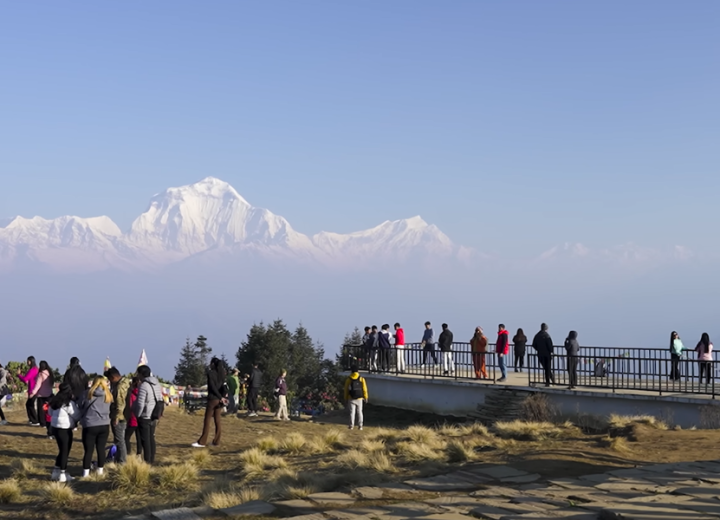
Wake early for a sunrise hike to Poon Hill, one of Nepal’s most famous viewpoints, offering breathtaking panoramic views of Annapurna, Dhaulagiri, Machhapuchhre, and surrounding Himalayan peaks glowing in the morning light. After enjoying the scenery, descend through forests and villages toward Tatopani, known for its natural hot springs.
Accomadation: Tea House
Place to visit: Annapurna Region
Meals: Breakfast Lunch Dinner
-
Trek Duration - 5-6 hours
Follow the Kali Gandaki River through dramatic gorges, waterfalls, suspension bridges, and terraced farmland while gradually ascending toward Ghasa. The trail offers beautiful natural scenery and peaceful mountain landscapes throughout the day.
Accomadation: Tea House
Place to visit: Annapurna Region
Meals: Breakfast Lunch Dinner
-
Trek Duration - 5-6 hours
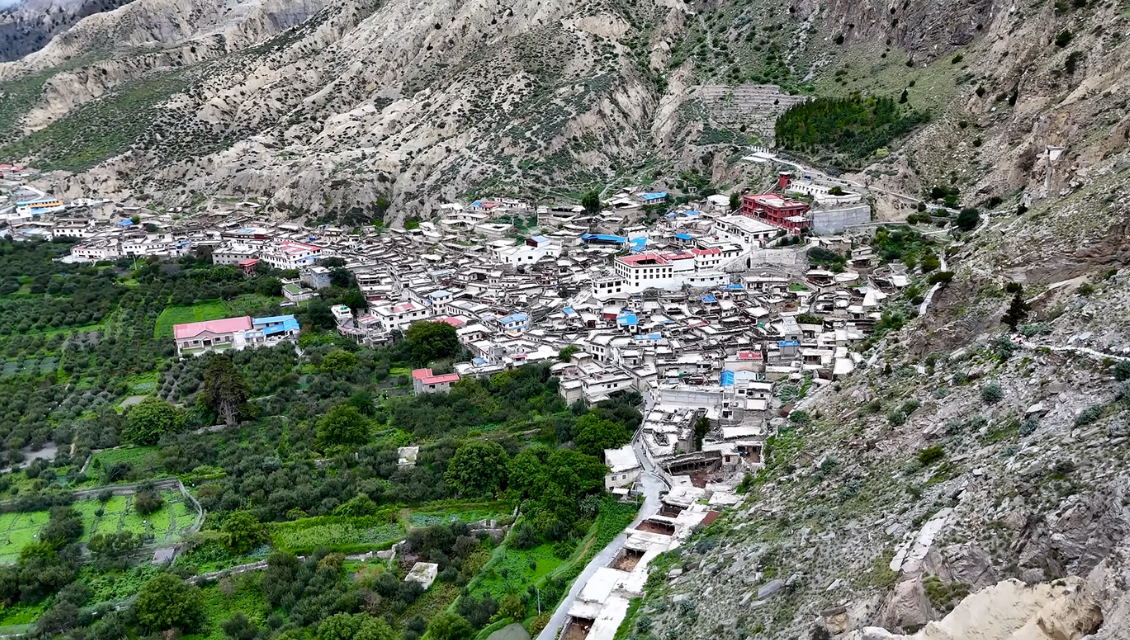
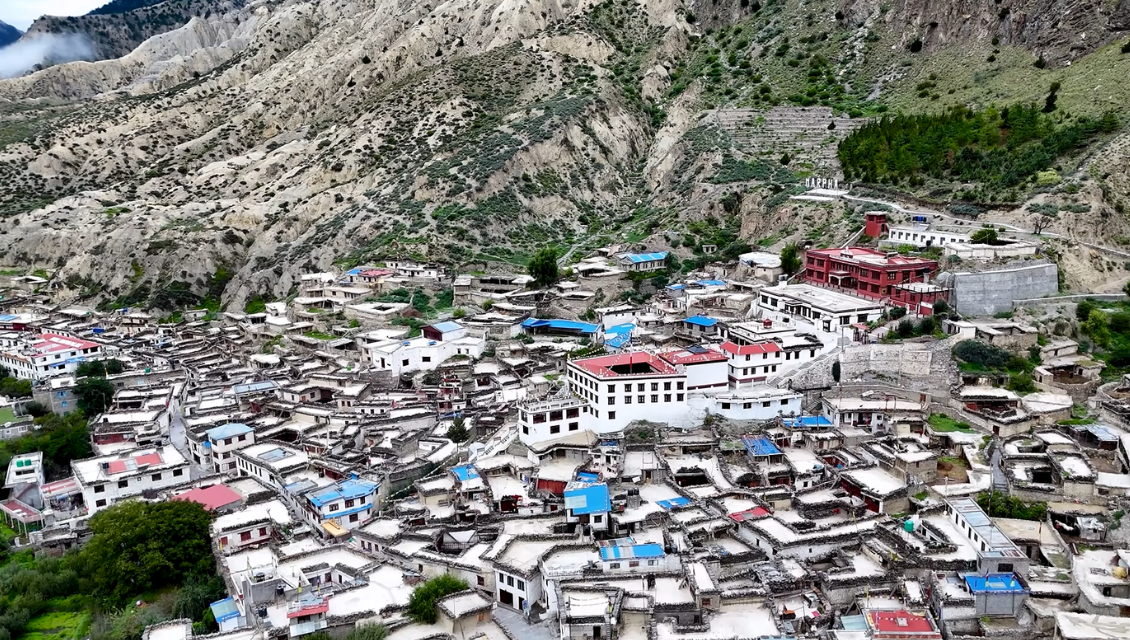
Today’s trek enters the traditional Thakali region, passing charming villages, apple orchards, and dry mountain landscapes. Marpha is famous for its whitewashed houses, narrow stone-paved alleys, monasteries, and local apple products, offering a unique cultural experience.
Accomadation: Tea House
Place to visit: Annapurna Region
Meals: Breakfast Lunch Dinner
-
Trek Duration - 4-5 hours
Continue trekking through the windy and arid landscapes of the Mustang region toward Kagbeni, a historic medieval village located at the gateway to Upper Mustang. The village is rich in Tibetan culture, ancient monasteries, prayer wheels, and traditional mud-brick houses.
Accomadation: Tea House
Place to visit: Annapurna Region
Meals: Breakfast Lunch Dinner
-
Trek Duration - 4-5 hours
Ascend steadily through dramatic Himalayan landscapes toward the sacred pilgrimage site of Muktinath. The temple complex is revered by both Hindus and Buddhists and offers spiritual significance along with breathtaking mountain scenery. Spend time exploring the temples, prayer wheels, and surrounding monasteries.
Accomadation: Tea House
Place to visit: Annapurna Region
Meals: Breakfast Lunch Dinner
-
Trek Duration - 5 hours
After exploring the sacred surroundings of Muktinath, begin descending through dry Himalayan valleys and traditional mountain settlements toward Jomsom. Known for its strong winds, apple orchards, and mountain scenery, Jomsom is a lively town in the Mustang region with a unique Himalayan atmosphere.
Accomadation: Tea House
Place to visit: Annapurna Region
Meals: Breakfast Lunch Dinner
-
Travel Duration - 20-25 minutes flight
Take a scenic mountain flight from Jomsom to Pokhara while enjoying spectacular aerial views of the Annapurna and Dhaulagiri ranges. Upon arrival, spend the rest of the day relaxing by Phewa Lake or exploring Pokhara’s cafes, restaurants, and lakeside streets.
Accomadation: Hotel
Place to visit: Nepal
Meals: Breakfast Lunch Dinner
-
Travel Duration - 25 minutes flight or 6-7 hours drive
Travel back to Kathmandu by flight or scenic drive through river valleys, hills, and countryside landscapes. Upon arrival, enjoy free time for shopping, sightseeing, or relaxing before your final departure.
Accomadation: Hotel
Place to visit: Nepal
Meals: Breakfast Lunch Dinner
-
Today marks the end of your journey in Nepal. According to your flight schedule, our team from Nord Extreme will transfer you to Tribhuvan International Airport for your onward journey. We hope you had a wonderful trekking experience in the Himalayas and wish you a safe and pleasant journey ahead.
Place to visit: Nepal
Meals: Breakfast
What’s included
Cost includes
1. Transportations
- Private/tourist vehicles for airport pickup and drop-off in Kathmandu.
- Private/tourist vehicles transfer as per itinerary to access the trailheads.
- Domestic flight included for access to the trekking starting & ending point.
2. Accommodation & Meals
- 3 Nights 3 star hotel in Kathmandu with bed & breakfast basis.
- 2 nights 3 star hotel in Pokhara with bed & breakfast basis.
- All Meals (breakfast, lunch & dinner with tea & coffee) during the trekking Period.
3. Permits
- Annapurna Conservation Area Project (ACAP) permits.
- Trekkers' Information Management System (TIMS) permits.
4. Guide & Staff
- Professional and experience License holder trekking guide salary & insurance.
- Porter salary, equipments & insurance.
- First aid medical kit for emergency support.
Cost excludes
1. International Flights
- Airfare from your home country to Nepal (Tribhuvan International Airport, Kathmandu).
- Return airfare from Nepal (Tribhuvan International Airport, Kathmandu) to your home country.
2. Visa Fees
- Nepal entry visa fee for entering Nepal (available on arrival at Tribhuvan International Airport, Kathmandu, or through a Nepalese embassy).
3. Travel Insurance (Mandatory)
- Comprehensive travel insurance covering high-altitude trekking, emergency medical treatment, helicopter evacuation, trip cancellation, and other unforeseen circumstances.
4. Personal Expenses
- Tips, gifts, and souvenirs for trekking guides and porters.
- Personal trekking equipment and gear.
- Charges for lodge Wi-Fi, hot showers, battery charging, and laundry services.
5. Meals & Beverages
- Lunch and dinner in Kathmandu, Pokhara, and other locations where accommodation is provided in 3-star category hotels.
- Soft drinks, bottled water, alcoholic beverages, and snacks consumed during meals
Photos & video
Dates & prices
Private departures run on any date. Pick the start date that suits you and we will build the trip around it — same price, your own guide and team.
Good to know
Essential information
Accommodation
Accommodation is provided in teahouses and mountain lodges throughout the route.
In lower regions such as Besisahar, Chame, and Manang, lodges are relatively comfortable with better facilities. As the trek approaches Mustang and Muktinath Temple, accommodation becomes more basic due to high altitude and dry Himalayan conditions.
Rooms are typically twin-sharing with simple bedding and shared bathroom facilities.
Meals
A full-board meal system (Breakfast, Lunch, and Dinner) is available throughout the trek. Meals are freshly prepared and designed to support trekking in high-altitude environments.
Typical menu options include:
- Traditional Dal Bhat set meals
- Noodles, pasta, and fried rice
- Soups, potatoes, and vegetables
- Tibetan bread, pancakes, and eggs
- Tea, coffee, and butter tea
Food variety becomes more limited in higher Mustang regions.
Difficulty & Physical Requirements
The Muktinath Trek is classified as moderate, suitable for trekkers with a reasonable level of fitness.
Daily trekking ranges from 4 to 7 hours, with gradual altitude gain and some high mountain terrain. The route does not require technical climbing but includes high-altitude walking conditions.
Permits
Required permits include:
- Annapurna Conservation Area Permit (ACAP)
- TIMS Card (Trekkers’ Information Management System)
All permits are arranged by the trekking agency.
Best Season
- Spring (March–May): Clear views, pleasant weather, and blooming landscapes
- Autumn (September–November): Best visibility and ideal trekking conditions
- Winter (December–February): Cold but possible with fewer crowds
- Monsoon (June–August): Not recommended due to rain and landslide risk
Transportation & Access
The trek can be accessed via multiple routes:
- Classic Annapurna Circuit route (via Besisahar → Manang → Thorong La Pass → Muktinath)
- Direct jeep access from Pokhara to Jomsom/Muktinath (shorter option)
- Optional flight: Pokhara → Jomsom
The most popular route includes crossing the high-altitude Thorong La Pass (5,416m) before descending to Muktinath Temple.
Safety & Acclimatization
Due to high altitude conditions, proper acclimatization is essential, especially if crossing Thorong La Pass.
Key acclimatization stops include Manang and intermediate villages along the Annapurna trail. Guides monitor weather conditions and trekkers’ health throughout the journey.
Emergency evacuation services are available if required.
Travel Insurance
Comprehensive travel insurance is mandatory and should include:
- High-altitude trekking coverage (up to 6,000m)
- Emergency helicopter evacuation
- Medical treatment and hospitalization
- Trip cancellation and accident coverage
Additional information
Guide & Porter Services
Licensed guides are recommended (and mandatory in restricted sections) to ensure safe navigation, cultural interpretation, and permit management.
Porters are available to carry luggage, making the trek more comfortable and manageable.
Cultural & Spiritual Highlights
- The Muktinath Trek is deeply spiritual and culturally enriching:
- Sacred pilgrimage site of Muktinath Temple
- 108 holy water spouts and eternal flame (Jwala Mai Temple)
- Hindu and Buddhist pilgrimage significance
- Traditional Thakali and Tibetan-influenced villages
- Stunning views of Dhaulagiri and Nilgiri ranges
- Crossing of Thorong La Pass (if on Annapurna Circuit route)
- Blend of Himalayan and trans-Himalayan landscapes
Essential Equipment
Recommended trekking gear includes:
- Comfortable trekking boots
- Layered clothing system for cold and windy conditions
- Warm down jacket (-10°C to -20°C recommended)
- Waterproof jacket and trousers
- Gloves, hat, buff, and sunglasses
- Trekking poles and daypack (30–40L)
- Basic first aid kit and personal medication
Communication & Connectivity
Mobile network coverage is available in lower Annapurna regions and in Jomsom, but becomes limited around high-altitude and remote sections.
Wi-Fi is available in some lodges at an extra cost, though connectivity is not reliable in all areas.
Why Choose the Muktinath Trek?
This trek is ideal for travelers seeking a combination of spirituality, culture, and Himalayan adventure:
- Visit the sacred pilgrimage site of Muktinath Temple
- Experience both Hindu and Buddhist religious traditions
- Scenic Himalayan and trans-Himalayan landscapes
- Option to cross the famous Thorong La Pass
- Suitable for moderate-level trekkers
- Combine nature, culture, and spirituality in one journey
- Easy access from Pokhara or Annapurna Circuit route
- One of Nepal’s most important pilgrimage treks
Keep exploring