Transportations
- Private/tourist vehicles for airport pickup and drop-off in Kathmandu.
- Private/tourist vehicles transfer as per itinerary to access the trailheads.
- Domestic flight included for access to the trekking starting & ending point.
Festival Trek in Nepal · Annapurna Region
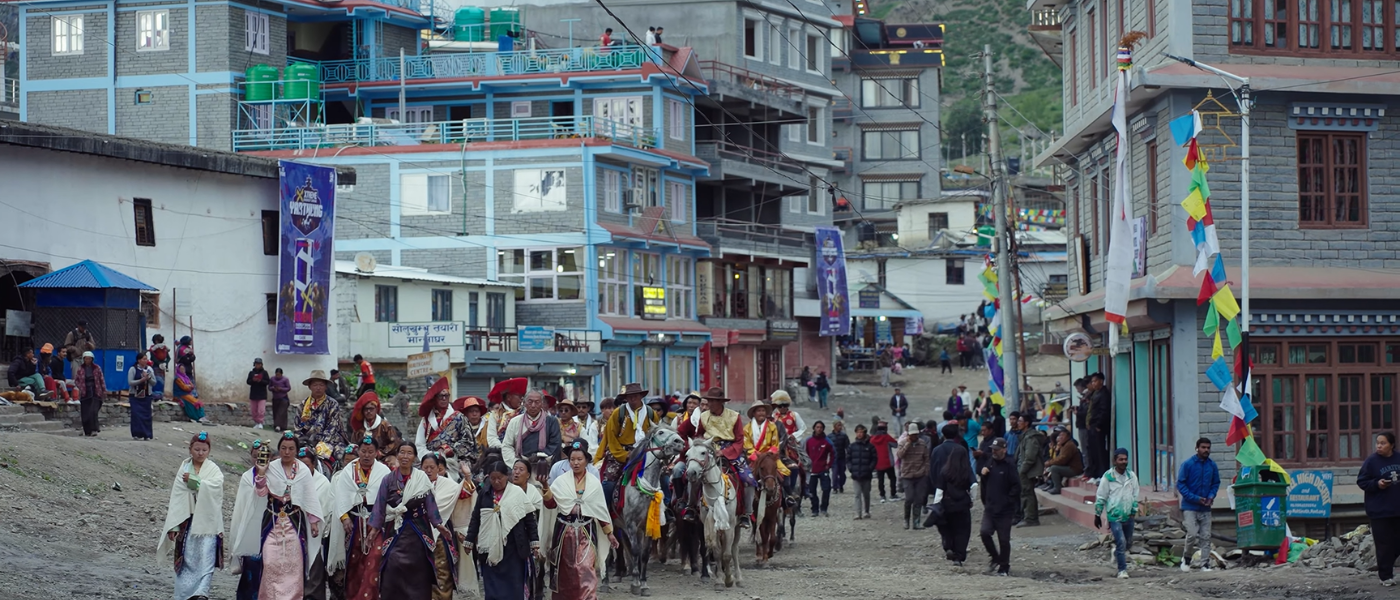
The Muktinath Yartung Festival Trek is a unique cultural and spiritual journey in the Mustang region of Nepal, combining scenic trekking with one of the most vibrant traditional festivals celebrated by the Thakali and Tibetan-influenced communities. This trek offers a rare opportunity to witness horse racing, cultural performances, and religious rituals set against the dramatic backdrop of the trans-Himalayan landscape.
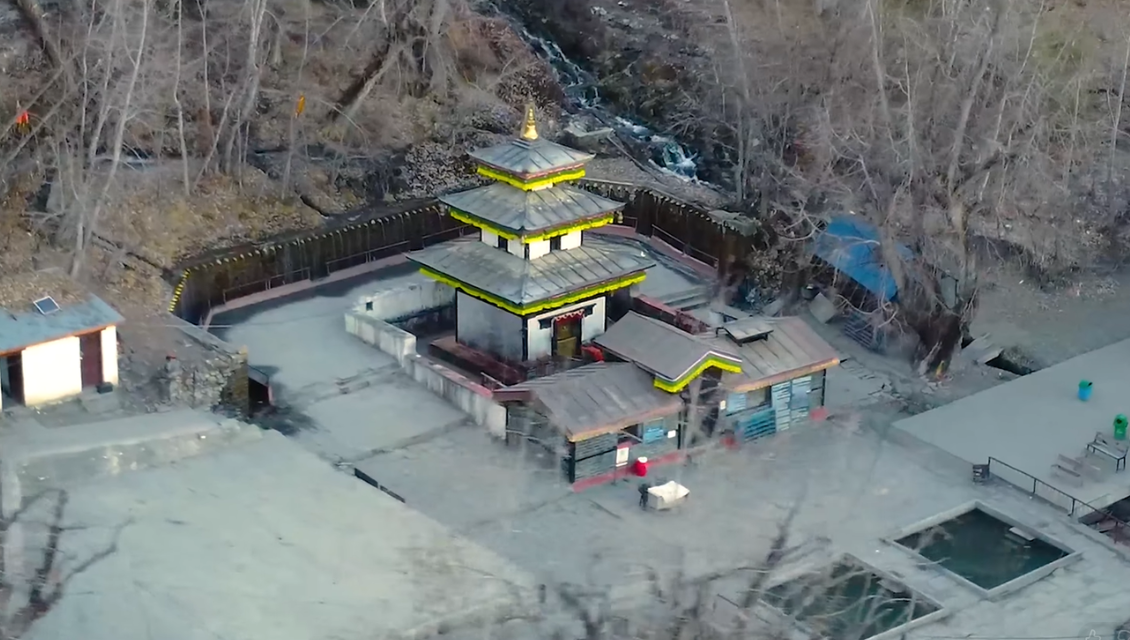
The journey leads travelers through the Kali Gandaki Valley to the sacred site of Muktinath Temple, one of the most important pilgrimage destinations for both Hindus and Buddhists. The highlight of the trip is the Yartung Festival, celebrated in villages such as Jomsom and surrounding Mustang settlements, where locals gather for traditional horse races, dances, and communal celebrations marking the end of the summer season.
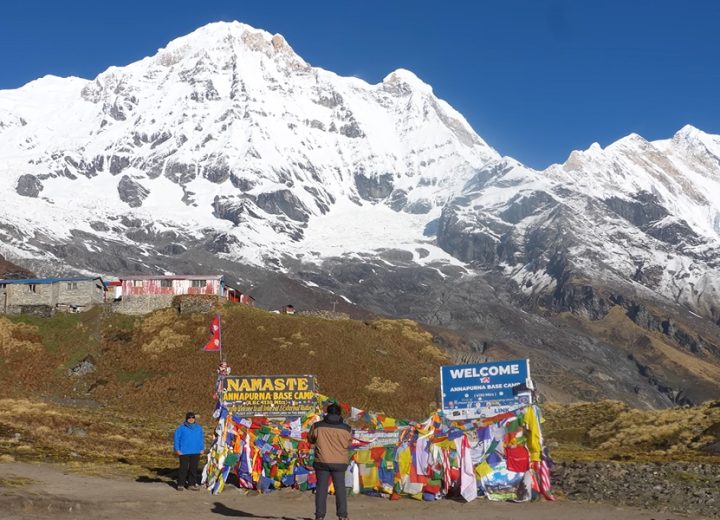
Along the route, trekkers are rewarded with stunning views of Himalayan peaks including Dhaulagiri, Annapurna I, and Nilgiri ranges. This trek is ideal for cultural explorers, photographers, and adventure travelers seeking a deeper understanding of Mustang’s unique heritage.
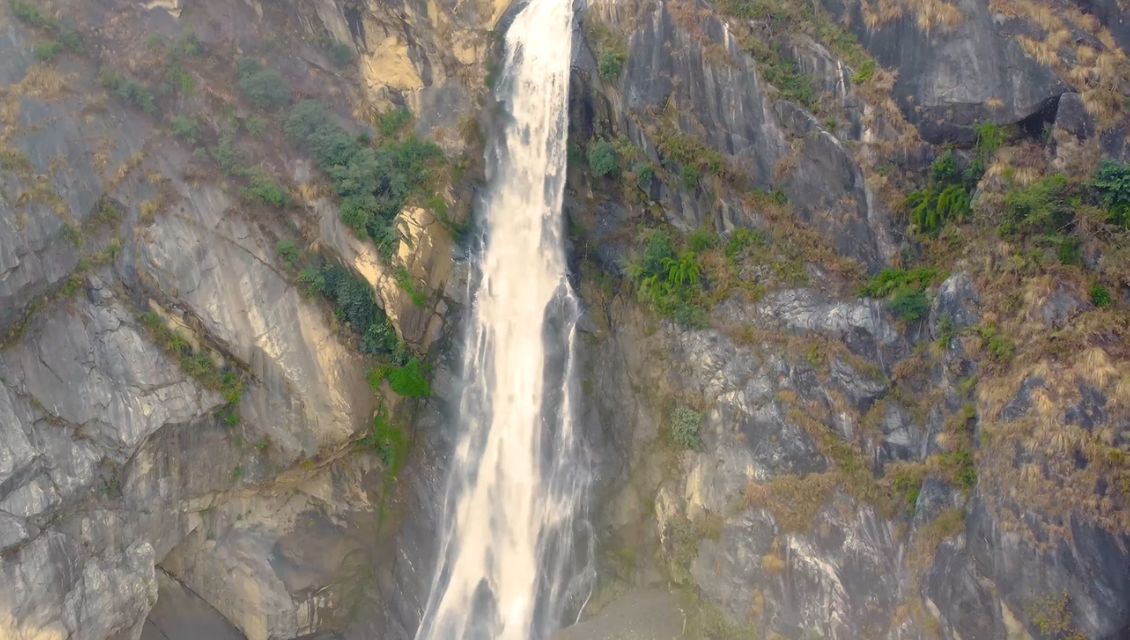
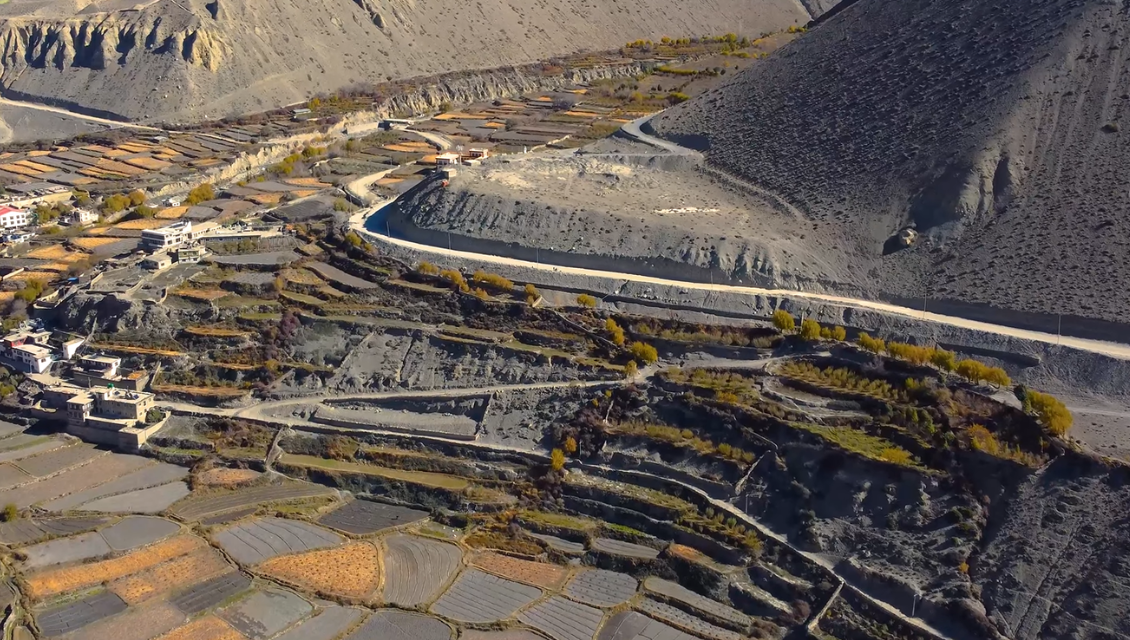
The Muktinath Yartung Festival Trek takes place in the Mustang region within Annapurna Conservation Area. The route follows the dramatic Kali Gandaki Valley, one of the deepest river gorges in the world, surrounded by towering Himalayan peaks.
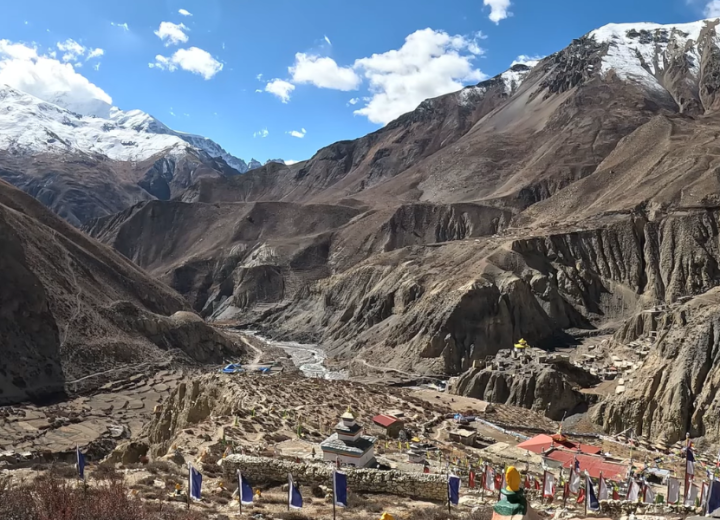
The landscape is a striking blend of lush lower valleys and arid trans-Himalayan terrain. As the trek ascends, the environment becomes increasingly dry and desert-like, with wind-carved cliffs, colorful rock formations, and vast open valleys influenced by the Tibetan plateau.
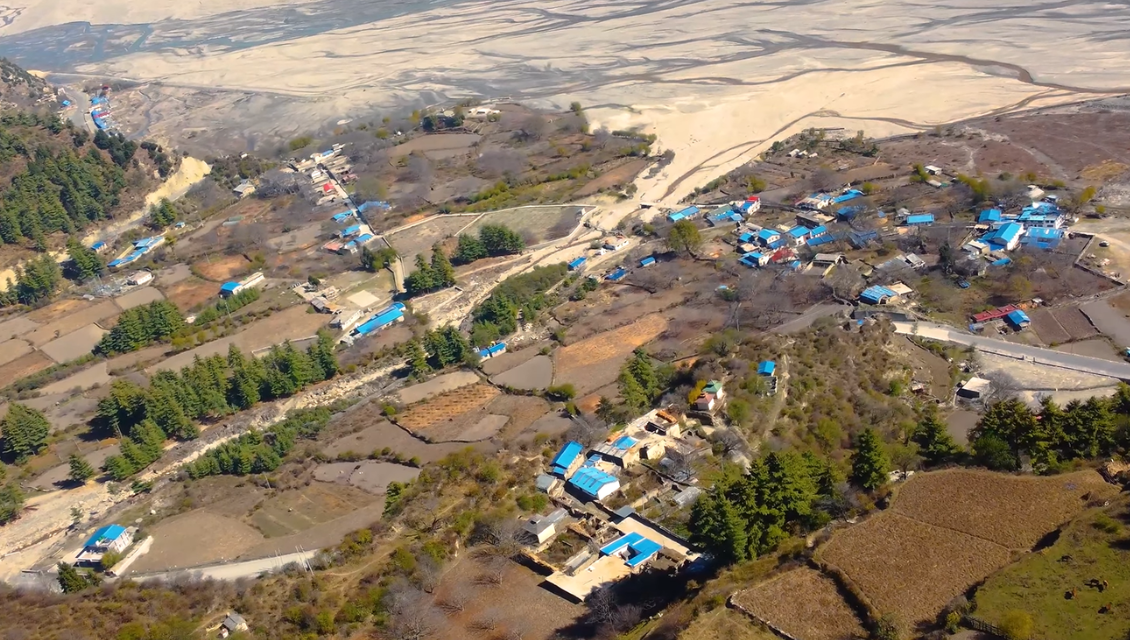
Key locations along the route include Jomsom, Kagbeni, and Ranipauwa. Kagbeni is a historic village with strong Tibetan cultural influences and serves as a gateway to Upper Mustang. Jomsom acts as the main hub of the region and becomes the center of activity during the Yartung Festival.
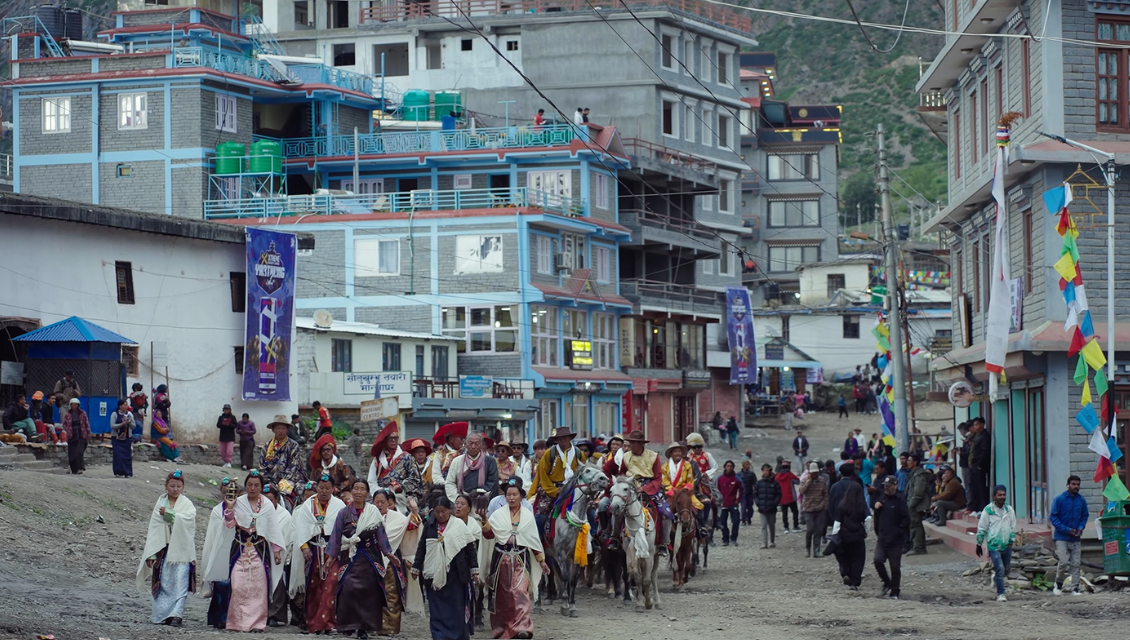
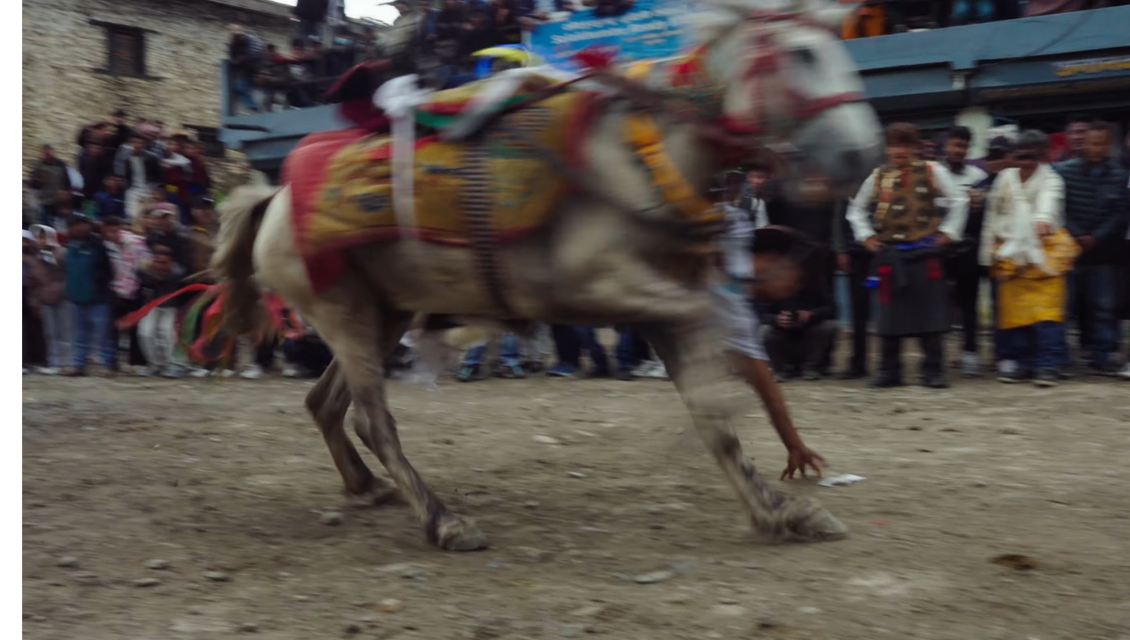
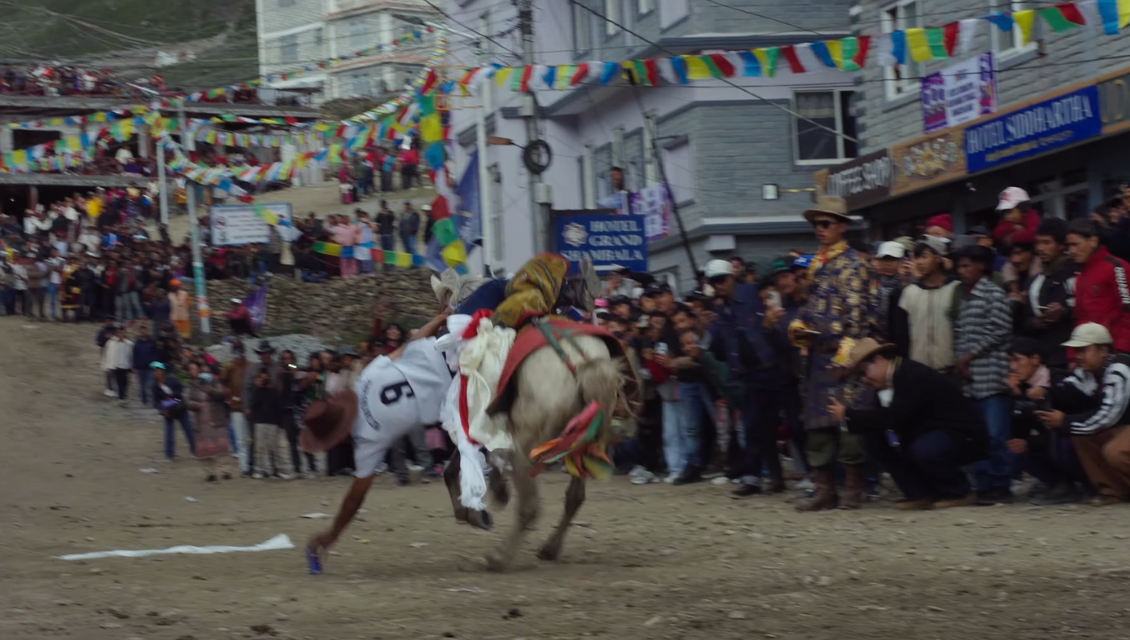
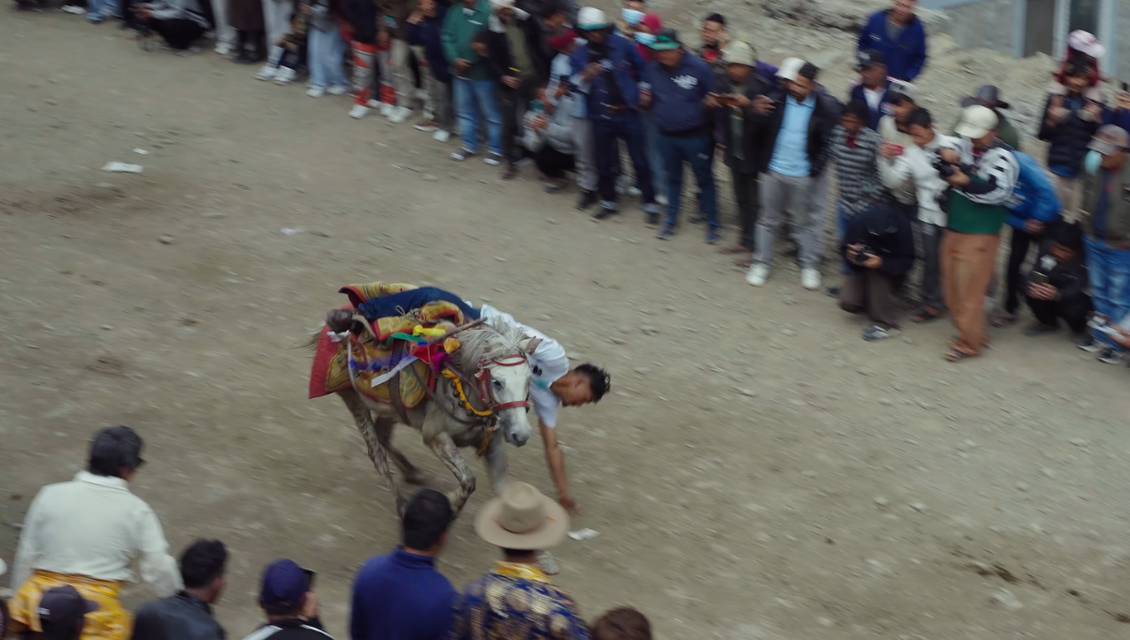
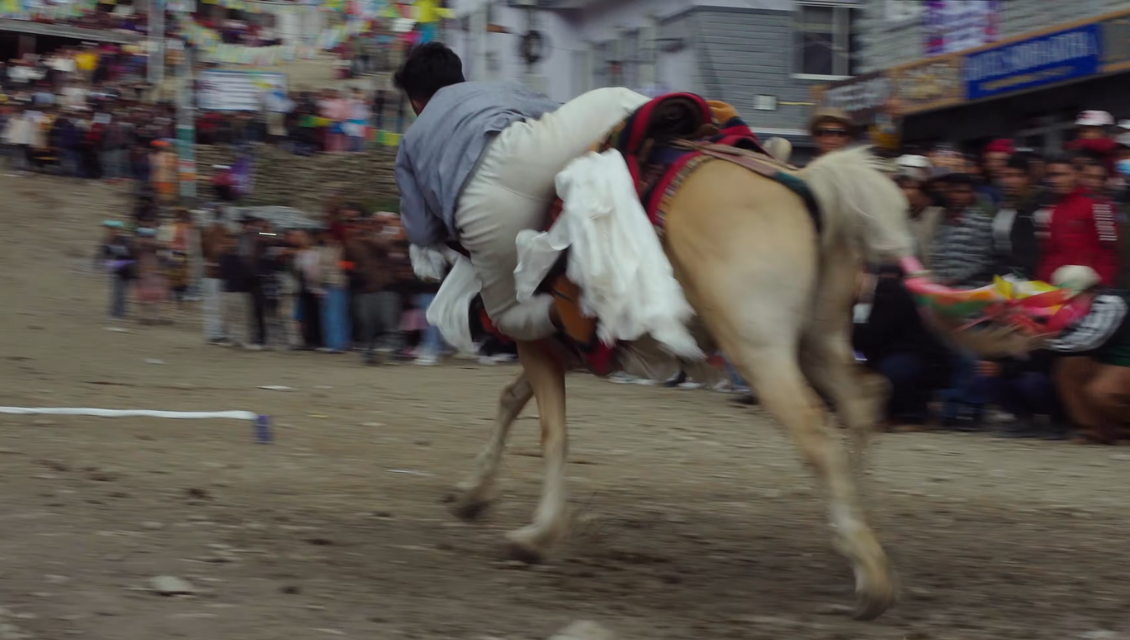
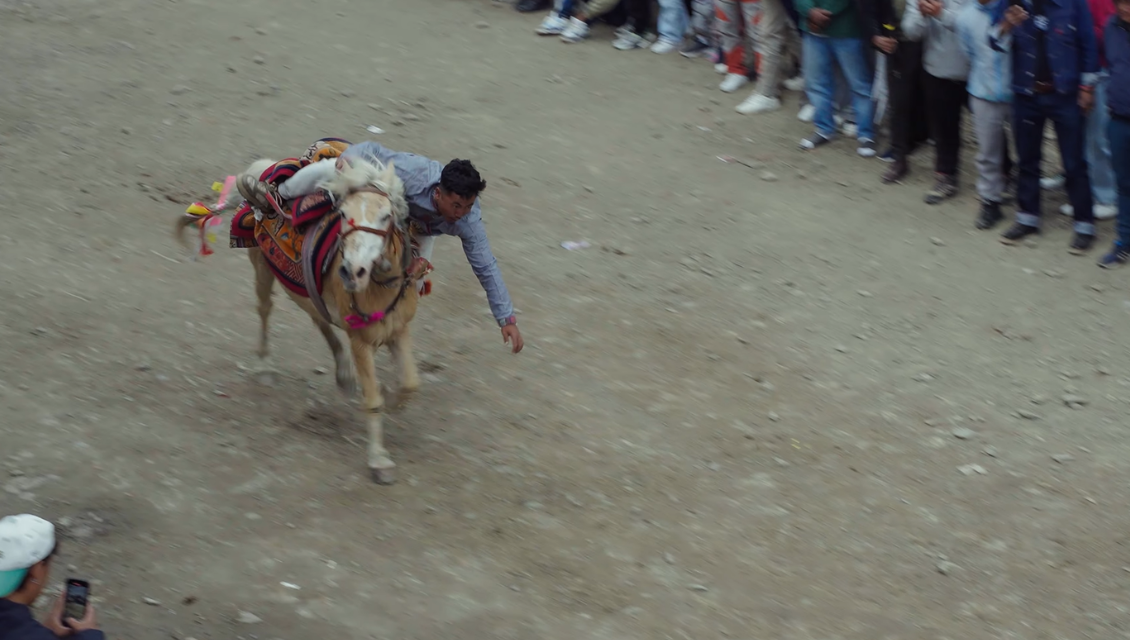
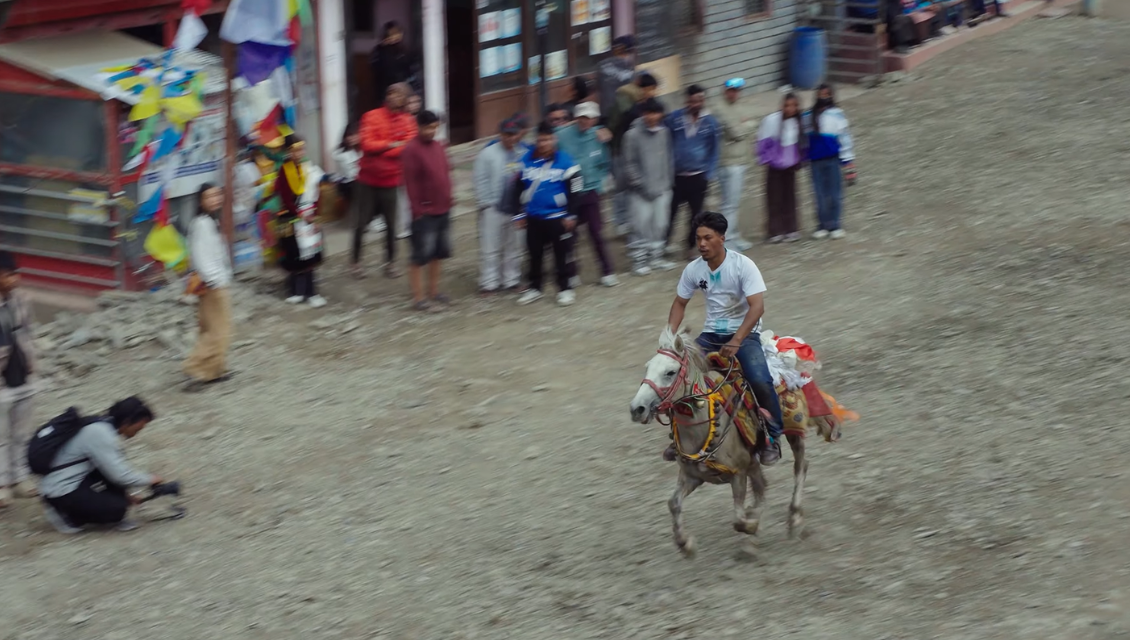
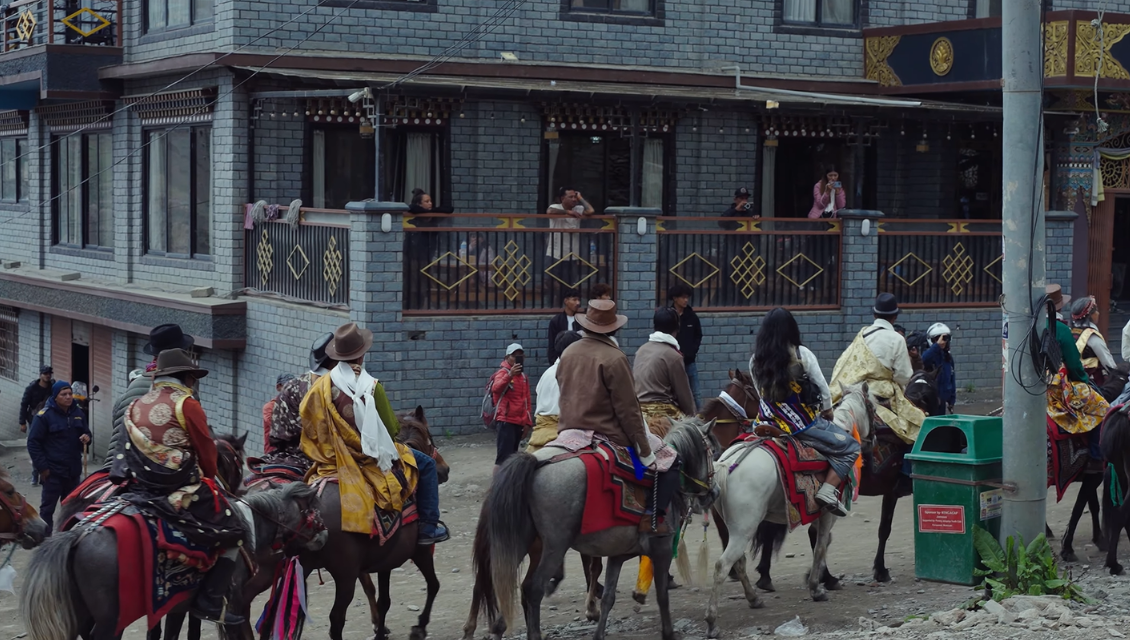
The festival itself is a major cultural highlight, featuring traditional horse racing competitions, local dances, music, and community gatherings that celebrate the end of the farming season and honor ancestral traditions.
The best time for the Muktinath Yartung Festival Trek is during autumn (September to November), when the Yartung Festival is typically celebrated. This season offers stable weather, clear skies, and excellent visibility of the Himalayan peaks.
Spring (March to May) is also a good trekking season with pleasant temperatures and blooming landscapes in lower elevations. Winter (December to February) is cold and can be challenging due to snow and strong winds, especially in the upper Mustang region. The monsoon season (June to August) is less suitable due to rainfall, flight delays, and reduced visibility in lower valleys.
Overall, autumn is the most recommended season as it combines ideal trekking conditions with the vibrant cultural atmosphere of the Yartung Festival.
The Mustang region is home to a rich mix of Thakali, Tibetan-influenced, and Himalayan communities, each contributing to the cultural diversity of the area. The Yartung Festival is one of the most important celebrations in the region, traditionally marking the end of the monsoon season and the beginning of harvest-related activities.
During the festival, locals participate in horse racing events, traditional dances, music performances, and communal gatherings that reflect the deep-rooted customs of Mustang society. The atmosphere is lively and colorful, offering visitors an authentic cultural experience rarely seen elsewhere in Nepal.
Religious life in the region is strongly influenced by both Hindu and Buddhist traditions, especially around Muktinath Temple, where pilgrims perform rituals for purification and spiritual liberation.
Villages such as Jomsom and Kagbeni showcase traditional stone architecture, prayer flags, monasteries, and ancient trade routes that once connected Nepal and Tibet. The combination of festival energy, spiritual significance, and dramatic Himalayan scenery makes the Muktinath Yartung Festival Trek a truly unique and unforgettable experience.
Upon arrival at Tribhuvan International Airport, you will be warmly welcomed and transferred to your hotel in Kathmandu. The day is reserved for rest after your journey, along with preparation for the trek.
Today is dedicated to trek preparation and permit processing before flying to the Mustang region. You will meet your guide for a full briefing covering the itinerary, altitude awareness, cultural highlights of the Yartung Festival, and safety guidelines. This is also the time to organize your trekking gear and make any last-minute purchases if needed.
Travel Duration - 25-minute flight or 6–7 hours drive
A scenic flight takes you from Kathmandu to Pokhara, offering breathtaking views of the Himalayas. Upon arrival, enjoy the peaceful lakeside atmosphere and relax beside Phewa Lake while preparing for the journey toward the Mustang region.
Fly or drive to Jomsom and begin your trek through the dramatic Kali Gandaki Valley. The trail passes through dry, windy landscapes and traditional Mustang villages before reaching Kagbeni, a medieval settlement rich in Tibetan culture and history.
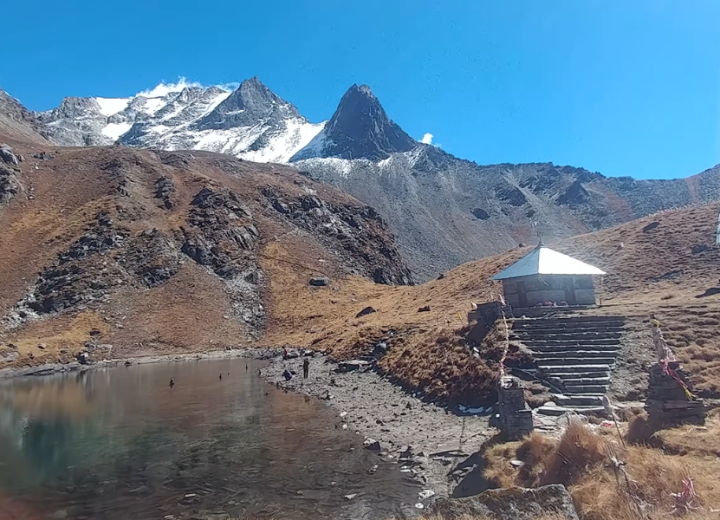
Today’s trek gradually ascends through the Kali Gandaki Valley, passing Marpha, famous for its apple orchards and whitewashed houses. Continue onward toward the sacred pilgrimage site of Muktinath, a spiritual center for both Hindus and Buddhists, surrounded by stunning Himalayan views.
Festival Duration - Full Day Activities
Experience the vibrant Yartung Festival, featuring traditional horse racing, masked dances, cultural performances, and local prayer ceremonies. The atmosphere is lively as locals from across the region gather to celebrate this important Himalayan festival with music, rituals, and community gatherings.
Festival Duration - Full Day Activities
Continue experiencing the Yartung Festival with final religious ceremonies, monastery prayers, and community celebrations. This day offers deeper cultural immersion, allowing you to interact with locals and observe traditional Mustang customs in a sacred mountain setting.
Spend the day exploring the sacred Muktinath Temple complex and surrounding villages. Visit monasteries, prayer wheels, and local settlements while enjoying panoramic views of the Annapurna and Dhaulagiri ranges. This day also helps with relaxation and altitude acclimatization.
Begin your descent through the Kali Gandaki Valley, retracing scenic trails through dry mountain landscapes and traditional Mustang villages. Depending on pace and preference, overnight will be in Kagbeni or Jomsom.
Travel Duration - 20–25 min flight + 25 min flight / 6–7 hours drive
Take a scenic flight or drive back to Pokhara, followed by a return to Kathmandu. Enjoy one last aerial view of the Himalayas and reflect on your cultural and trekking experience in the Mustang region.
Depending on your flight schedule, transfer to Tribhuvan International Airport for your onward journey. This marks the end of your Himalayan adventure filled with cultural experiences, festivals, and mountain exploration.
Private departures run on any date. Pick the start date that suits you and we will build the trip around it — same price, your own guide and team.
Accommodation
Accommodation is provided in teahouses, lodges, and small guesthouses along the Kali Gandaki Valley and Mustang route.
In lower sections such as Tatopani and Jomsom, facilities are relatively comfortable with better services. As the trek approaches Muktinath Temple, accommodation becomes more basic due to dry Himalayan conditions and remoteness.
Rooms are generally twin-sharing with simple bedding and shared bathroom facilities.
Meals
A full-board meal system (Breakfast, Lunch, and Dinner) is provided throughout the trek. Meals are freshly prepared and reflect a mix of Nepali, Thakali, and Tibetan-influenced cuisine.
Typical menu options include:
Food variety becomes simpler at higher altitudes but remains sufficient for trekking needs.
Difficulty & Physical Requirements
The Muktinath Yartung Festival Trek is classified as moderate, suitable for trekkers with average fitness levels.
Daily walking duration ranges from 4 to 7 hours, with gradual altitude gain and some high-altitude trekking conditions. No technical climbing is required.
Permits
Required permits include:
If traveling via restricted Upper Mustang sections, additional permits may be required depending on the route.
Best Season
The Yartung Festival is celebrated during the monsoon/post-monsoon transition period (July–August), making it a unique seasonal cultural experience.
Season highlights:
Note: Weather may be unpredictable due to monsoon influence.
Transportation & Access
Common access routes include:
Some itineraries also connect via Annapurna Circuit or Lower Mustang trails.
Safety & Acclimatization
Although the trek reaches around 3,800 meters, proper pacing and hydration are recommended.
The route is generally safe, but travelers should be prepared for:
Experienced guides ensure safe navigation and festival coordination.
Travel Insurance
Recommended travel insurance should include:
Guide & Cultural Interpretation
Professional local guides provide insight into both trekking logistics and cultural heritage, including:
Festival Highlights
The Yartung Festival is one of the most dynamic cultural events in the Mustang region, featuring:
Essential Equipment
Recommended trekking gear includes:
Communication & Connectivity
Mobile network coverage is available in Jomsom and lower Mustang regions but becomes weaker toward higher villages.
Wi-Fi is available in some lodges for an additional cost, but connectivity may be limited during festival activities.
Why Choose the Muktinath Yartung Festival Trek?
This trek is ideal for travelers seeking a rare blend of culture, spirituality, and Himalayan adventure:
Keep exploring