Government-licensed operator · Sherpa-owned since day one
Kailash Mansarovar Yatra via Kodari

Overland Tour Tibet · Tibet

Kailash Mansarovar Yatra via Kodari

11 Days 5,630 m
  • Duration11 Days
  • DifficultyModerate
  • Max altitude5,630 m
  • Group size17 People
  • Best seasonAll the Year
  • Start / finishKathmandu

Trip overview

The Mount Kailash Pilgrimage Tour via Kodari is one of the most revered spiritual journeys in the Himalayas, offering travelers the opportunity to visit the sacred Mount Kailash and Lake Manasarovar while traversing the spectacular landscapes of the Tibetan Plateau.

This classic pilgrimage route follows the historic Friendship Highway from the Nepal–Tibet border at Kodari, crossing dramatic Himalayan valleys, high mountain passes, and vast open plains before reaching the sacred region of Western Tibet. The tour culminates in the completion of the holy Mount Kailash Kora, a 52-kilometer pilgrimage circuit considered one of the world’s most significant spiritual journeys.

For centuries, devotees from Nepal, India, Tibet, Bhutan, and beyond have traveled to Mount Kailash seeking spiritual purification, blessings, and enlightenment. Revered by Hindus as the abode of Lord Shiva, by Buddhists as the dwelling place of Demchok (Chakrasamvara), by Jains as the site of liberation of their first Tirthankara, and by followers of the Bon religion as their most sacred mountain, Mount Kailash remains one of the world’s most important pilgrimage destinations.

Combining sacred sites, breathtaking landscapes, cultural encounters, and physical challenge, this journey offers an unforgettable experience in the heart of the Tibetan Himalayas.

Geography and Landscape

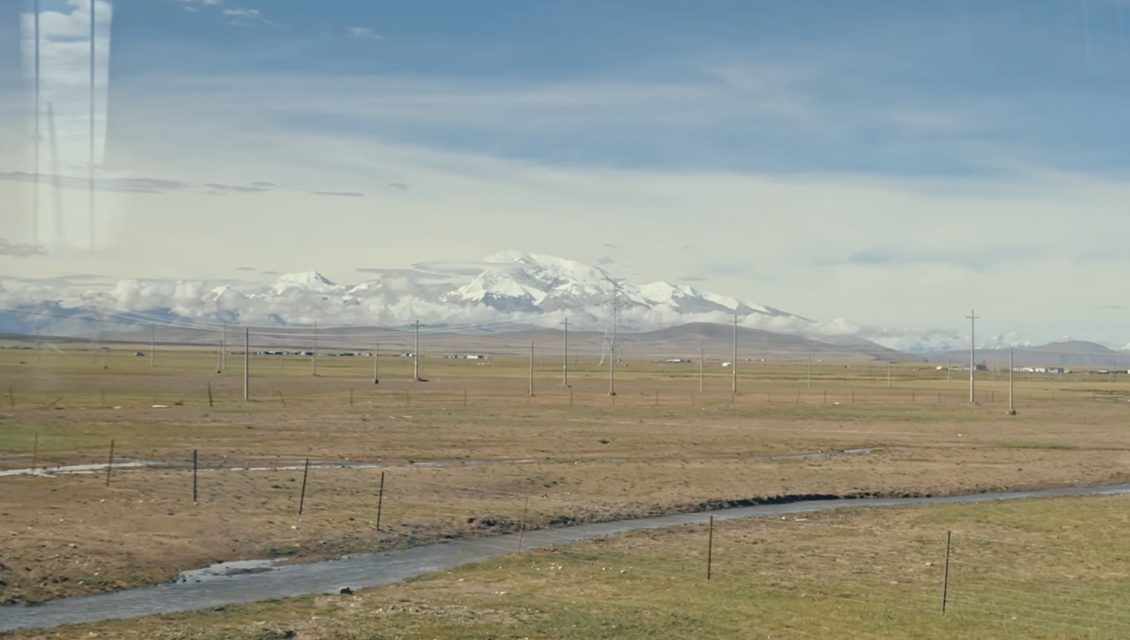
The tour traverses some of the most dramatic and diverse landscapes in the Tibetan Autonomous Region. Beginning from the lush Himalayan valleys near the Nepal border, the route gradually ascends onto the vast Tibetan Plateau, often referred to as the “Roof of the World.”

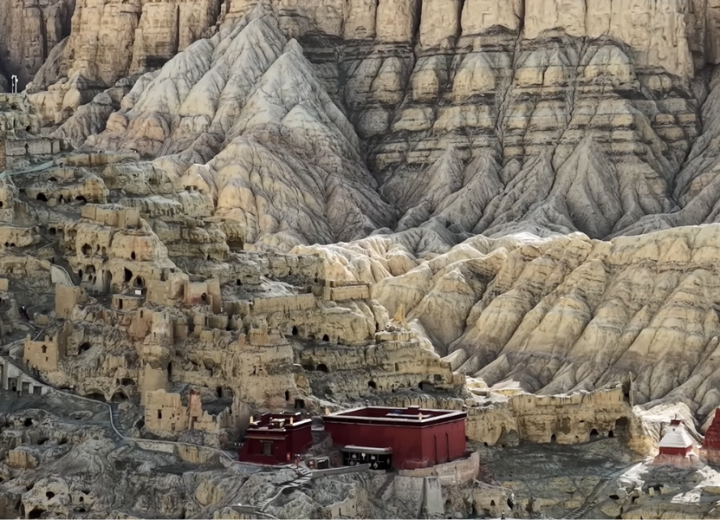
Travelers encounter spectacular mountain scenery, including snow-covered Himalayan peaks, alpine lakes, glacial rivers, and endless grasslands inhabited by nomadic yak herders. The journey passes through remote Tibetan settlements and expansive high-altitude plains stretching toward the sacred Kailash region.

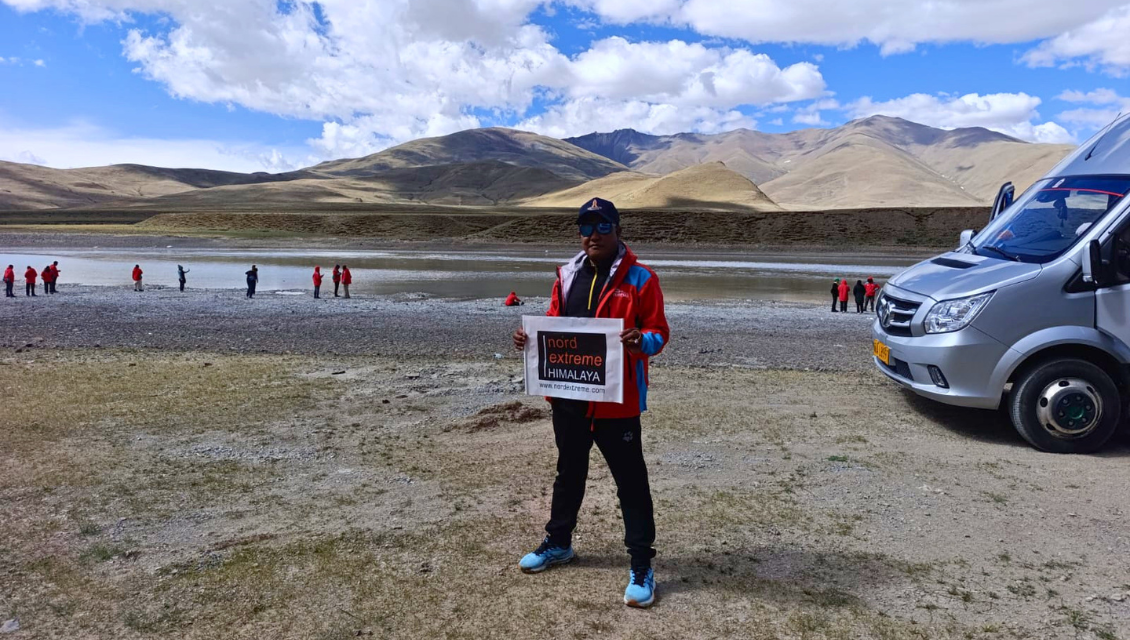
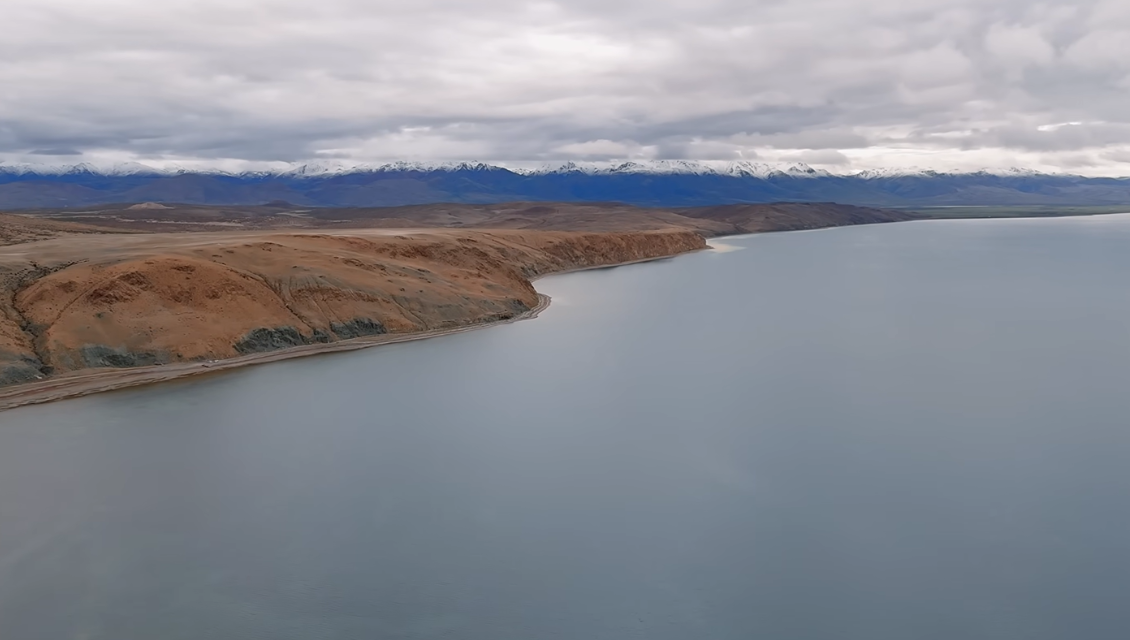
One of the most remarkable natural highlights is the pristine Lake Manasarovar (4,590m), one of Asia’s highest freshwater lakes and a sacred pilgrimage destination for millions of devotees. Its crystal-clear waters reflect the surrounding snow-capped peaks and create one of Tibet’s most beautiful landscapes.

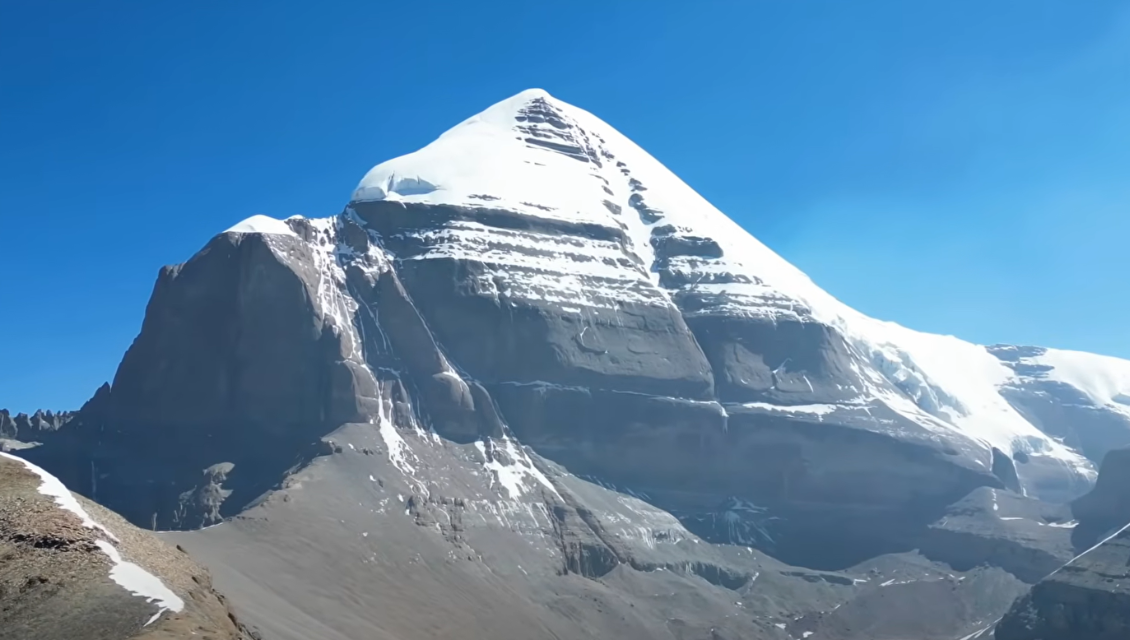
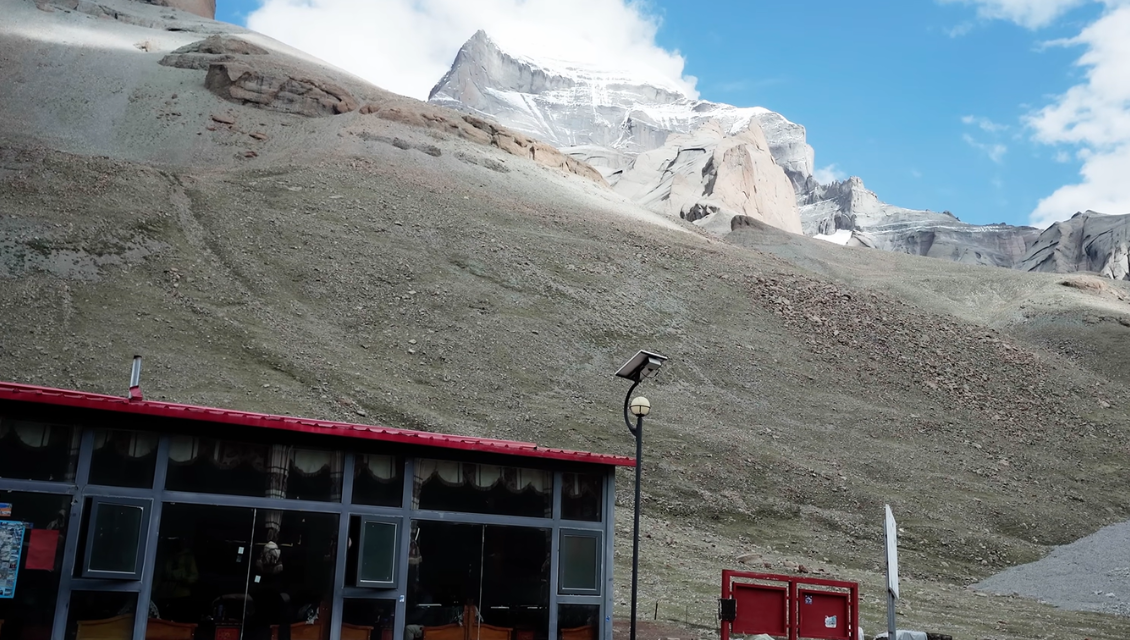
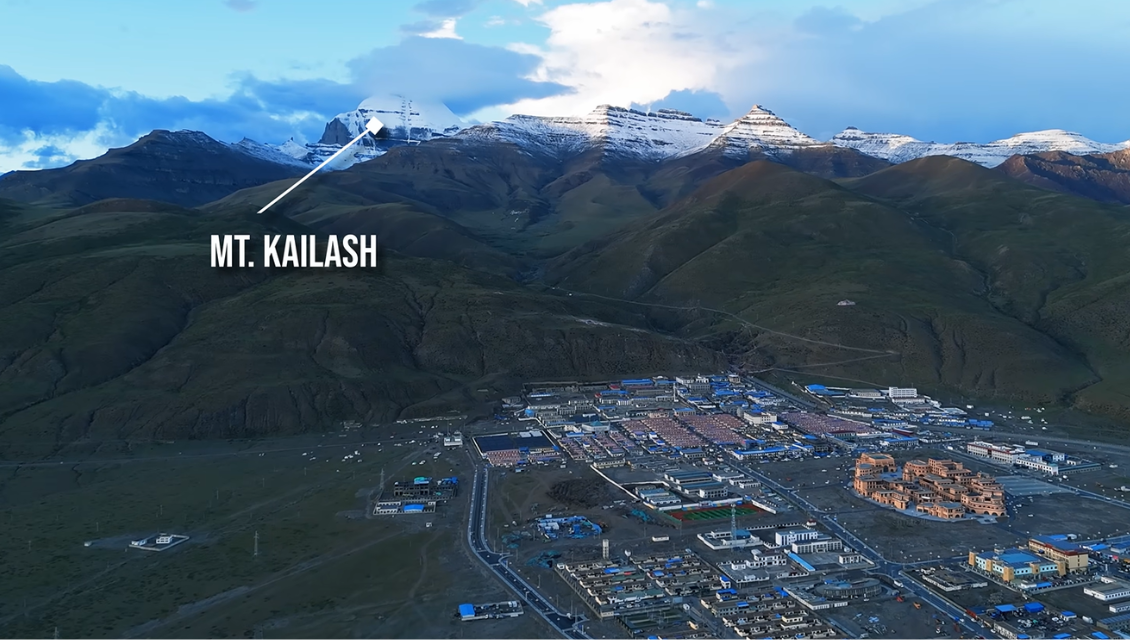
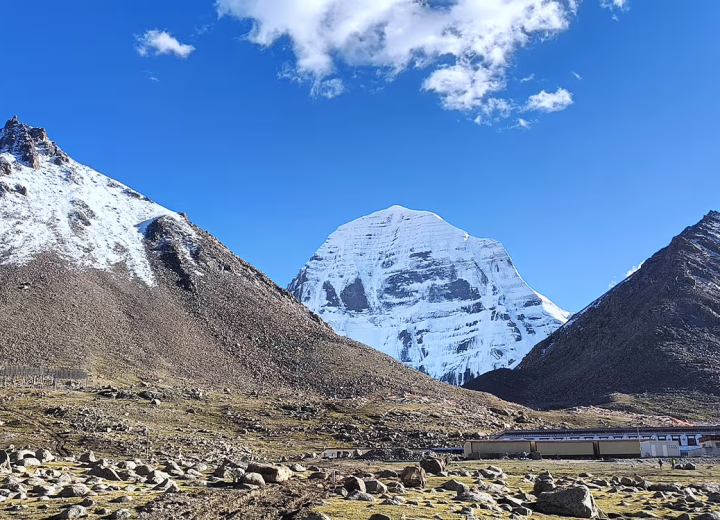
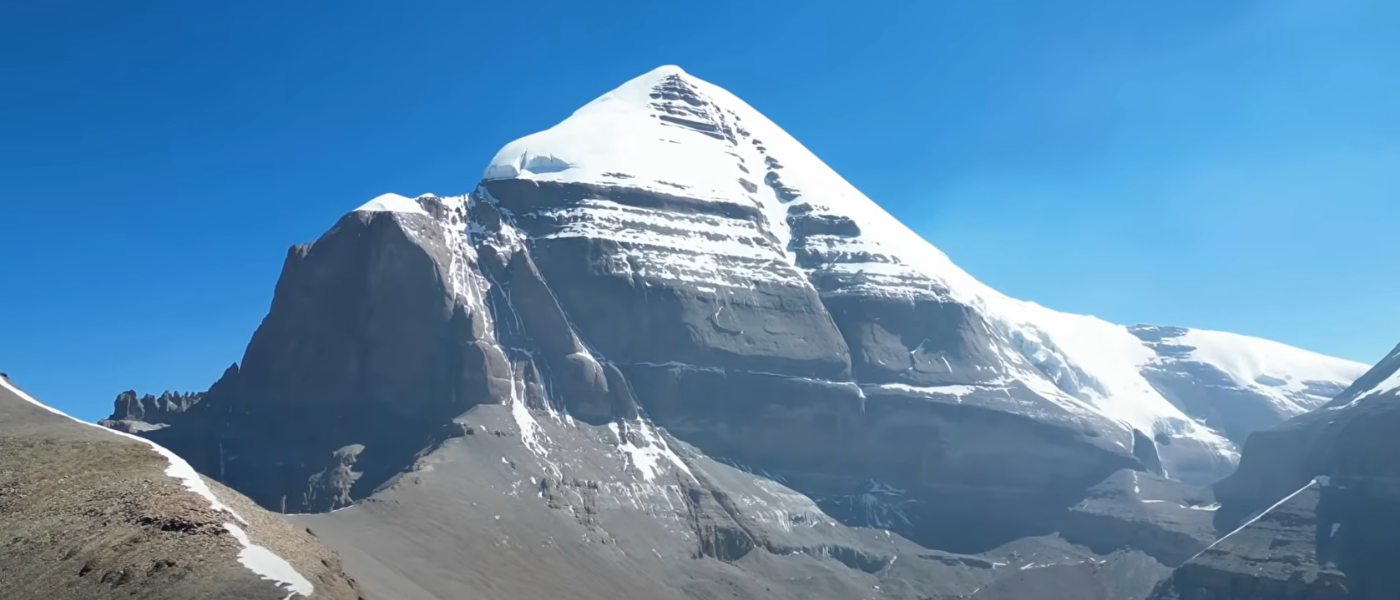
Dominating the region is Mount Kailash (6,638m), a striking pyramid-shaped mountain rising dramatically from the surrounding plateau. Unlike many Himalayan peaks, Mount Kailash stands alone, creating a powerful spiritual and visual presence.

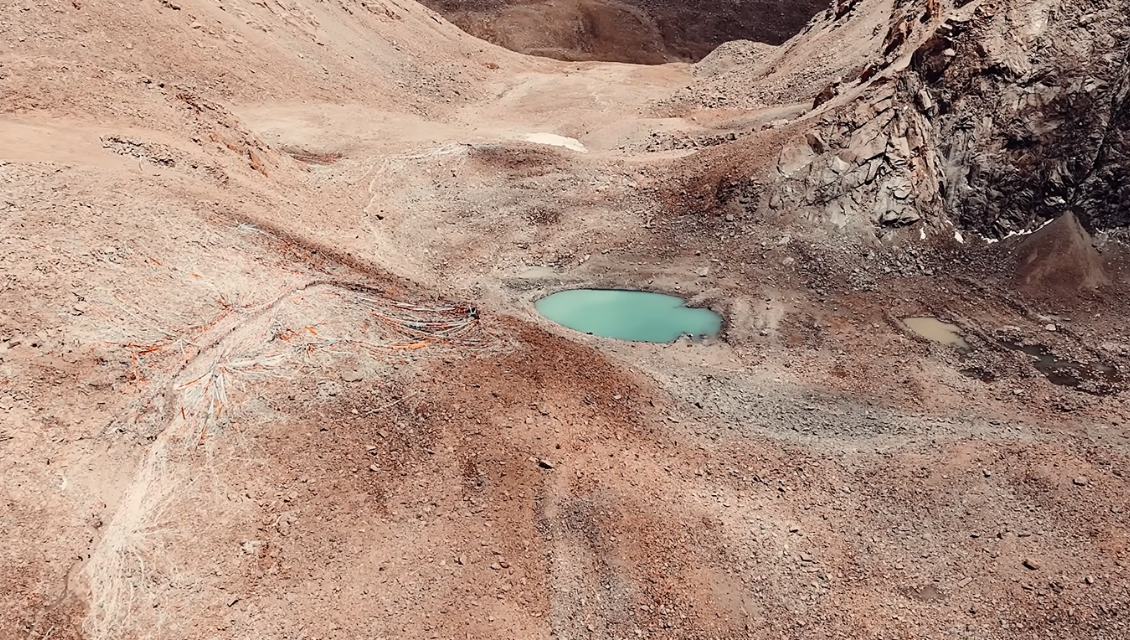
The Kailash Kora traverses diverse terrain, including the Lha Chu Valley, rocky mountain trails, glacial moraines, sacred lakes, and the formidable Dolma La Pass (5,630m), the highest point of the pilgrimage route.

Climate and Best Time to Visit

Western Tibet experiences a dry, cold, high-altitude climate characterized by intense sunshine, low humidity, and significant temperature variations between day and night.

Spring (April – May)

Spring offers pleasant weather, blooming alpine vegetation, and relatively fewer pilgrims. Snow may remain on higher passes, creating beautiful mountain scenery.

Summer (June – August)

Summer is the most popular pilgrimage season. Temperatures are generally mild, ranging between 10°C and 20°C during the day. The landscape becomes greener, and most pilgrimage festivals occur during this period.

Autumn (September – October)

Autumn provides stable weather, excellent visibility, and some of the clearest mountain views of the year. Comfortable temperatures and reduced rainfall make this the preferred season for trekking and photography.

Winter (November – March)

Winter is extremely cold, with temperatures often dropping well below freezing. Heavy snowfall and severe weather can affect transportation and trekking conditions.

Best Time for the Tour

The recommended period for the Mount Kailash Pilgrimage Tour is from May through October, with September and October offering the best combination of clear skies, comfortable temperatures, and exceptional mountain visibility.

People and Culture

The region is inhabited primarily by ethnic Tibetans who continue to maintain their traditional way of life despite the remoteness and harsh environmental conditions.

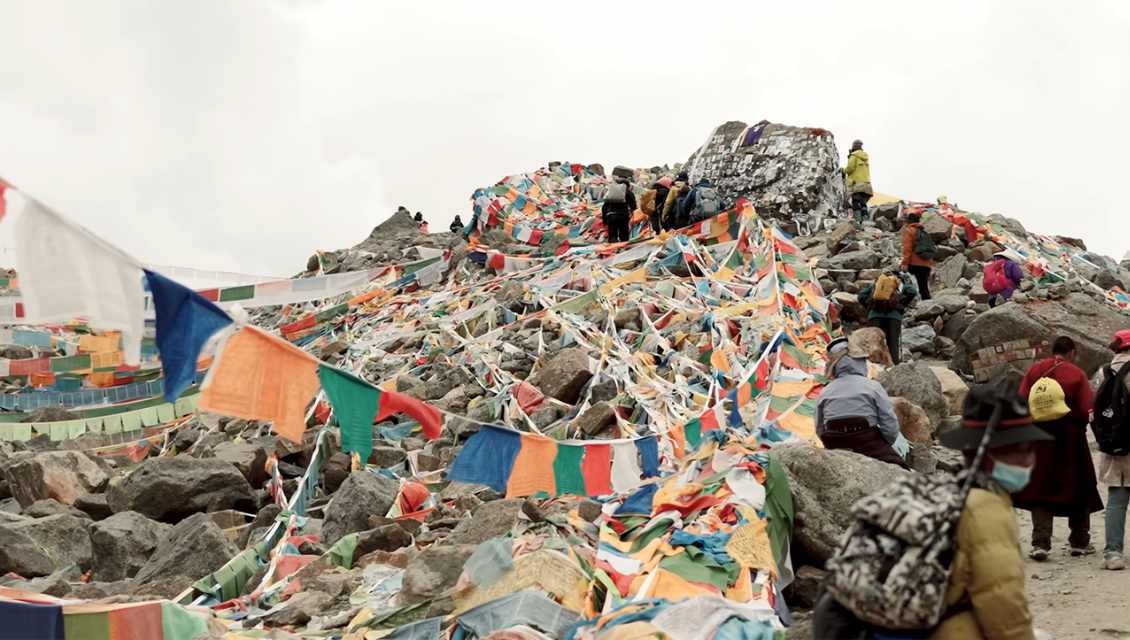
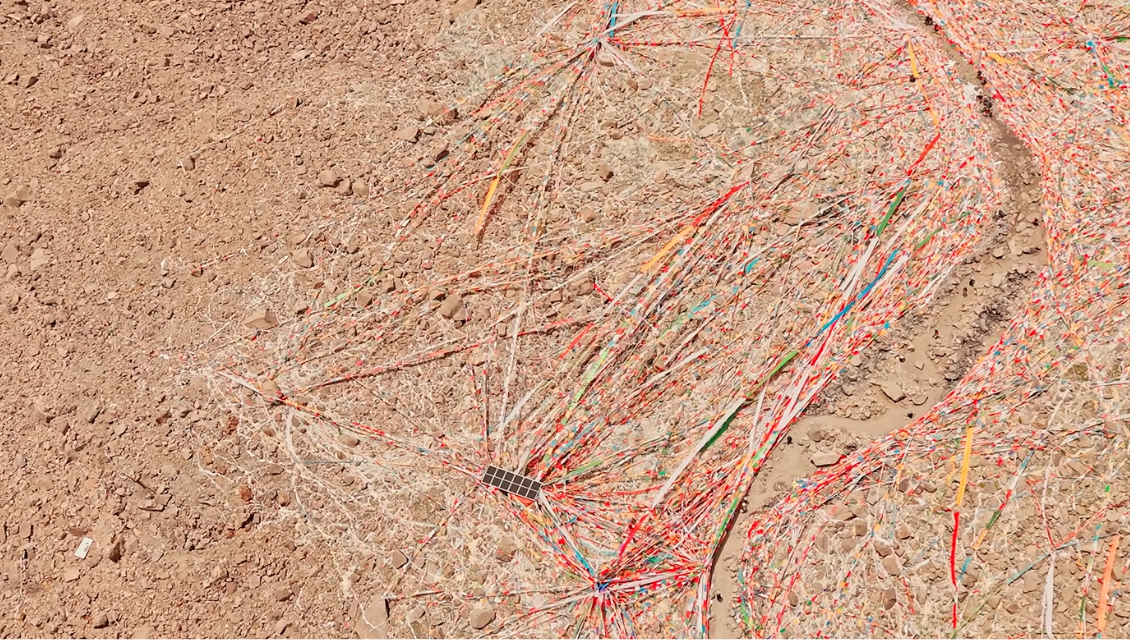
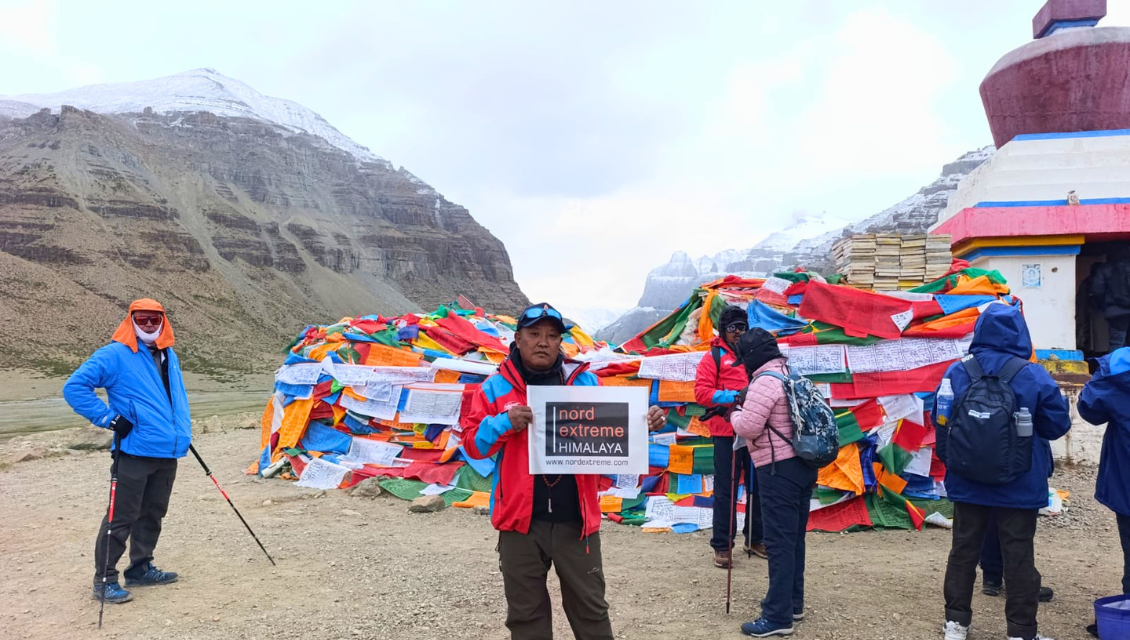
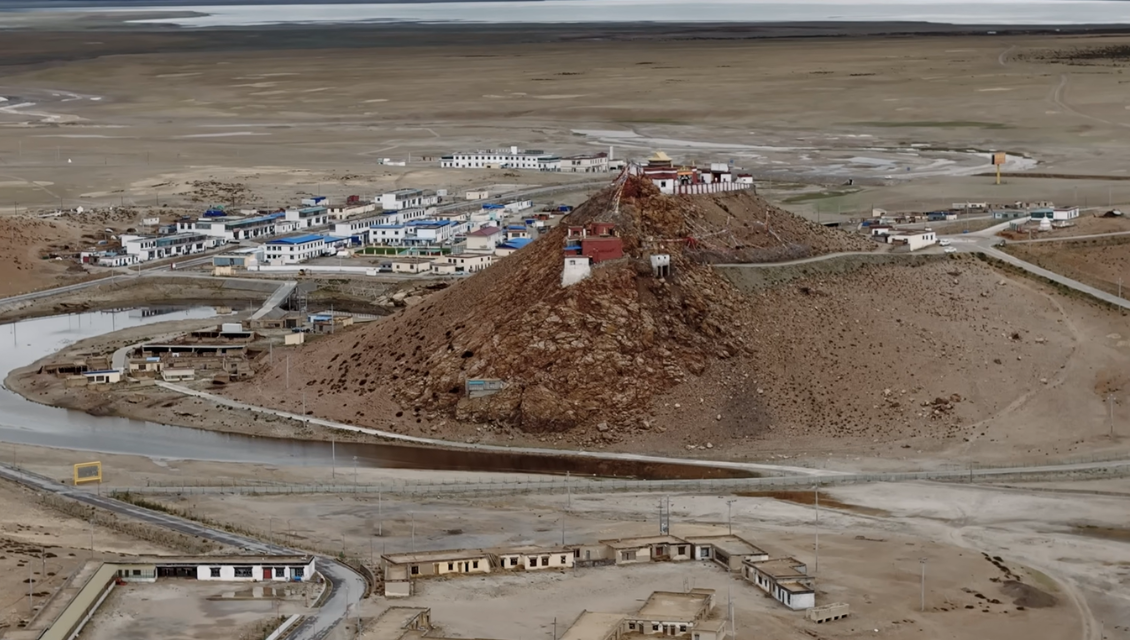
Tibetan Buddhism is deeply woven into daily life, and visitors will encounter monasteries, prayer wheels, mani walls, prayer flags, and pilgrims throughout the journey. The culture is rich in spiritual traditions, folklore, and ancient customs that have remained largely unchanged for centuries.

Mount Kailash occupies a unique position in world spirituality. Hindus believe it is the eternal residence of Lord Shiva and Goddess Parvati. Tibetan Buddhists regard it as the abode of Demchok, symbolizing supreme bliss. Jains recognize it as the site where their first Tirthankara attained liberation, while followers of the Bon religion consider it the center of their spiritual universe.

Pilgrims often undertake the Kailash Kora as an act of devotion. Some complete the circuit on foot, while others perform full-body prostrations around the entire mountain, a process that can take several weeks.

The journey provides a rare opportunity to witness authentic Tibetan culture, religious devotion, and traditional Himalayan lifestyles in one of the world’s most isolated regions.

Highlights

  • Complete the sacred Mount Kailash Kora (52 km pilgrimage circuit)
  • Visit the holy Lake Manasarovar, one of the most sacred lakes in Asia
  • Cross the famous Dolma La Pass (5,630m)
  • Experience one of the world's most important spiritual pilgrimages
  • Travel along the historic Friendship Highway
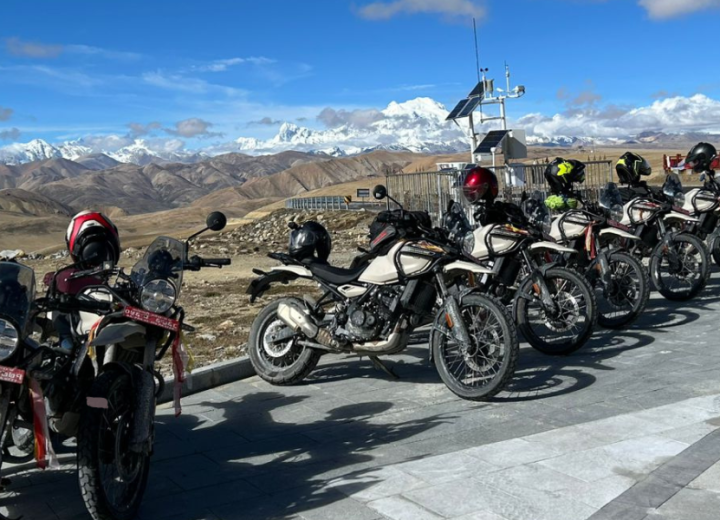
  • Witness spectacular Himalayan and Trans-Himalayan landscapes
  • Explore remote Tibetan villages and nomadic settlements
  • Enjoy breathtaking views of Mount Kailash's north face
  • Visit Yamadwar, Dirapuk Monastery, and Zutulpuk Monastery
  • Learn about Tibetan Buddhism, Bon traditions, and Himalayan spirituality
  • Experience the culture and traditions of Western Tibet
  • Scenic overland journey from Nepal to Mount Kailash and back
  • Professional English-speaking Tibetan guide throughout the tour
  • Comfortable hotel accommodation and traditional guesthouse experiences during the Kora

Day-by-day itinerary

    • StayHotel
    • VisitNepal
    • MealsDinner

    Driving Duration: 1–2 hrs airport transfer

    Upon arrival at Tribhuvan International Airport, you will be welcomed by our representative and transferred to your hotel. The rest of the day is free for relaxation and preparation for the upcoming pilgrimage. In the evening, a brief tour orientation will be provided.

What the price covers

What’s included

Transportation

  • Private tourist vehicle for airport pickup and drop-off in Kathmandu
  • Private overland transportation from Kathmandu to Kodari (Nepal–Tibet border) and return
  • Comfortable Tibetan tourist vehicle throughout Tibet as per itinerary (4WD/coach depending on group size)
  • All fuel, tolls, parking, and road taxes during the Tibet journey

Accommodation & Meals

  • 3 nights hotel accommodation in Kathmandu (bed & breakfast basis)
  • Standard hotel accommodation in Tibet (Nyalam, Saga, Darchen, etc.) on twin-sharing basis
  • Basic guesthouse accommodation during Kailash Kora (Dirapuk & Zutulpuk)
  • Daily breakfast throughout the trip
  • Full-board meals (breakfast, lunch & dinner with tea/coffee) during the Tibet section (except Kathmandu)

Permits & Documentation

  • Tibet Travel Permit (TTP)
  • Military / Restricted Area Permit for the Mount Kailash region
  • Chinese Group Visa arrangement support (processed in Kathmandu)
  • All required entry permits for Lake Manasarovar and Kailash pilgrimage

Guide & Support Team

  • Professional English-speaking Tibetan guide throughout the Tibet section
  • Experienced Tibetan driver for the overland journey
  • Support staff assistance during Kailash Kora (as per group size)
  • Basic first aid kit for emergency support
  • Shared oxygen supply for high-altitude sections

Kailash Pilgrimage Support

  • Assistance during Mount Kailash Kora (3-day trek)
  • Basic accommodation in pilgrimage guesthouses
  • Yak/dzopkyo support for luggage (subject to availability and local arrangement)
  • Emergency coordination support during high-altitude trekking

Government Taxes & Service Charges

  • All applicable Tibet government taxes and local entry fees
  • Agency service charges and coordination expenses

Not included

International Flights

  • Airfare from home country to Kathmandu
  • Return international flight from Kathmandu to home country

Visa Fees

  • Nepal entry visa fee (on arrival or prior arrangement)
  • China Group Visa fee (payable separately as per arrangement)

Travel Insurance (Mandatory)

  • Comprehensive high-altitude travel insurance covering trekking above 5,000m
  • Emergency medical treatment
  • Helicopter evacuation (strongly required for Kailash region)
  • Trip cancellation and emergency evacuation

Personal Expenses

  • Tips for guide, driver, and support staff
  • Personal trekking equipment (warm clothing, boots, sleeping bag, etc.)
  • Hot showers, Wi-Fi, charging, and laundry services in Tibet
  • Personal shopping, souvenirs, and extra hotel services
  • Any services not mentioned in the itinerary

Meals & Beverages

  • Lunch and dinner in Kathmandu
  • Any meals not specified in the itinerary
  • Bottled water, soft drinks, alcoholic beverages, snacks, and personal refreshments

Dates & prices

Private departures run on any date. Pick the start date that suits you and we will build the trip around it — same price, your own guide and team.

Good to know

Essential information

Accommodation

Accommodation along the Kodari route is a mix of comfortable hotels in cities and basic guesthouses in remote Tibetan regions.

  • Kathmandu: 3–4 star hotels with modern amenities 
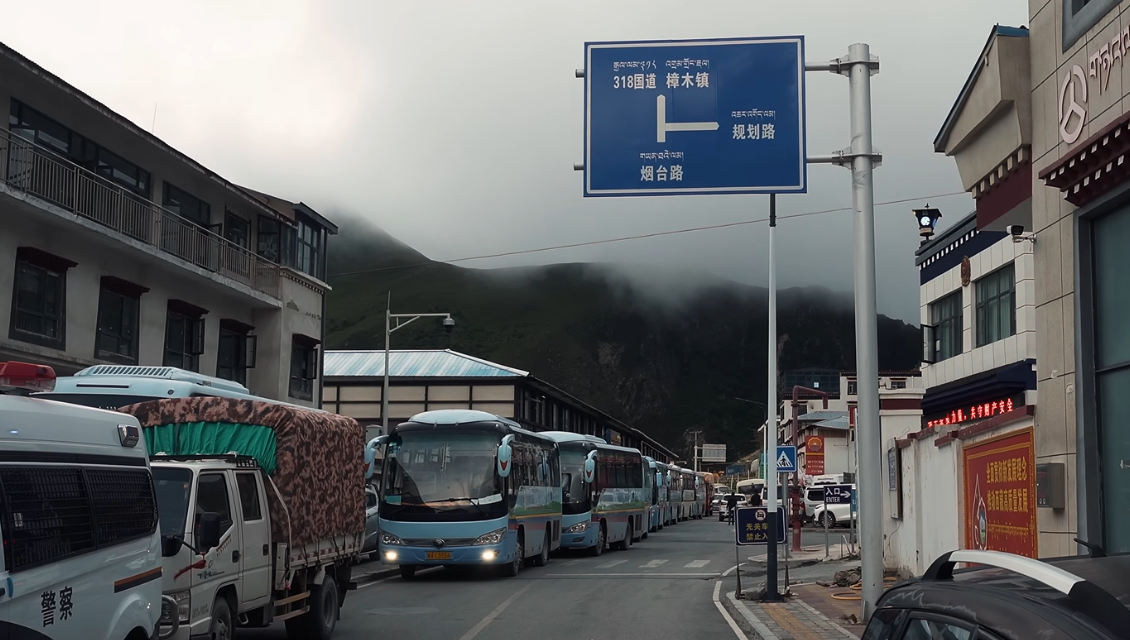
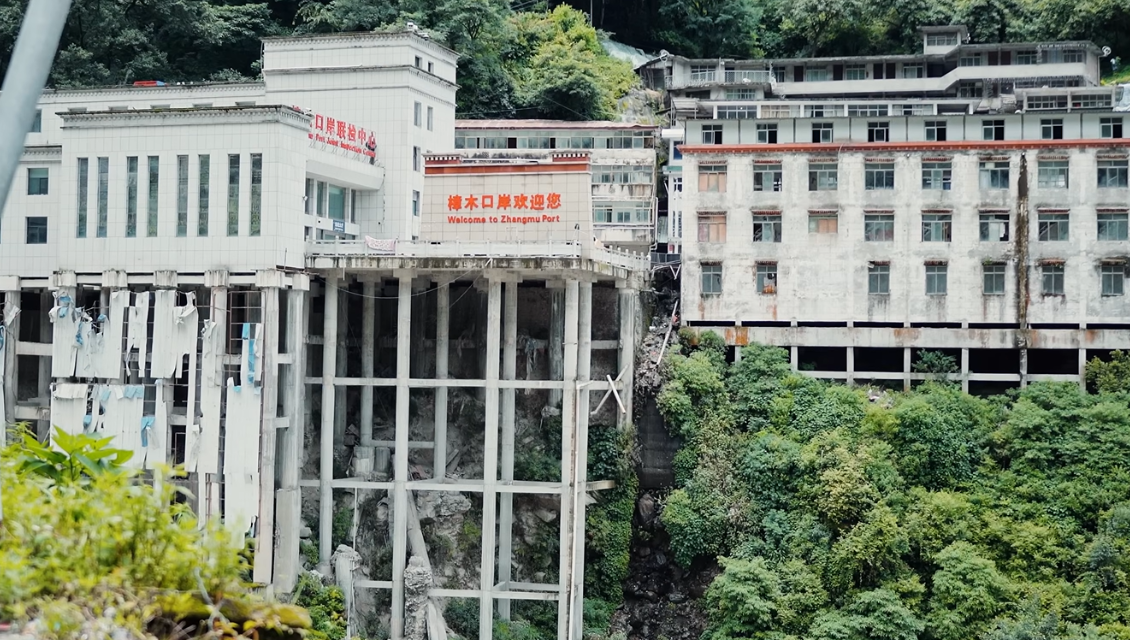
  • Kodari / Zhangmu (border area): Basic to mid-level guesthouses (depending on road and season conditions) 
  • Nyalam / Tingri region: Standard Tibetan guesthouses or simple hotels 
  • Saga, Darchen (Kailash region): Basic pilgrimage hotels with essential facilities 
  • Lake Manasarovar area: Very basic guesthouses or tented accommodation (seasonal) 

Rooms are generally twin-sharing with simple bedding. Facilities become more basic as altitude increases.

Meals

A full-board meal system (Breakfast, Lunch, and Dinner) is provided throughout the journey.

Food is simple and adapted to high-altitude travel conditions.

Typical menu includes:

  • Fried rice, noodles, and vegetable dishes 
  • Tibetan bread and soups 
  • Dal Bhat (on Nepal side sections) 
  • Momos and simple dumplings 
  • Eggs, toast, and basic breakfast items 
  • Tea, coffee, and hot beverages 

Food availability becomes limited in remote Tibetan regions, but hygienic and freshly prepared meals are ensured.

Difficulty & Physical Requirements

The Kodari route is considered moderate to challenging, mainly due to altitude and long driving days.

Key challenges include:

  • Long overland travel (6–9 hours driving on some days) 
  • High altitude above 5,000m 
  • Basic road conditions in some Tibetan sections 
  • Cold, dry, and windy climate 

The Kailash Kora (circuit trek) remains the most physically demanding part of the journey, requiring:

  • Good physical fitness 
  • Slow and steady walking pace 
  • Mental preparedness for high altitude 
  • No technical climbing is required.

Permits

Required permits include:

  • Tibet Travel Permit (TTB) 
  • Chinese Group Visa 
  • Alien Travel Permit (PSB) 
  • Military permits for restricted regions 
  • Kailash special pilgrimage permit 

All permits must be arranged through a licensed Tibet operator in coordination with Nepal-based agencies.

Best Season

  • April–June: Best travel conditions, clear skies, stable weather 
  • September–October: Peak pilgrimage season with excellent visibility 
  • July–August: Monsoon in Nepal; Tibet remains relatively dry but weather is variable 
  • November–March: Very cold, snowbound passes, and limited accessibility 

Transportation & Route

This is a fully overland journey by private 4WD vehicles on both Nepal and Tibet sides.

Typical route:

Kathmandu → Kodari → Zhangmu → Nyalam → Tingri → Saga → Lake Manasarovar → Darchen → Mount Kailash (Kora) → Return via same route or alternative exit point

Key highlights include:

  • Drive through Bhote Koshi river valley in Nepal 
  • Cross at historic Kodari–Zhangmu border 
  • Ascend onto the Tibetan plateau 
  • Scenic drives across high-altitude deserts and lakes 
  • Sacred Kailash Parikrama (Kora) circuit 

Safety & Acclimatization

Proper acclimatization is essential due to extreme altitude conditions.

Key safety measures:

  • Gradual ascent from Kathmandu to Tibet plateau 
  • Rest stops in Nyalam and Saga for acclimatization 
  • Controlled walking pace during Kailash Kora 
  • Oxygen support available in emergency situations 
  • Continuous monitoring by experienced guides 
  • Altitude awareness is critical throughout the journey.

Travel Insurance

Mandatory travel insurance must include:

  • High-altitude coverage (up to 6,000m+) 
  • Emergency medical treatment 
  • Helicopter evacuation coverage 
  • Trip cancellation and interruption protection 
Additional information

Guide Services

A licensed Tibetan guide accompanies the group throughout Tibet, assisting with:

  • Religious and cultural interpretation 
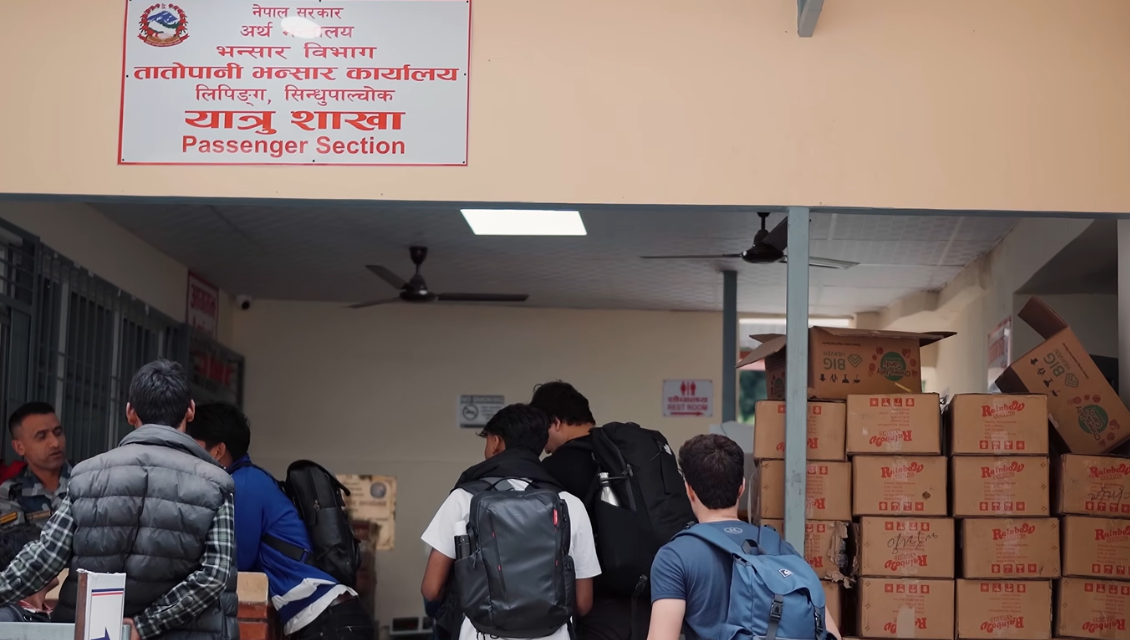
  • Permit management and border formalities 
  • Safety monitoring and logistics coordination 
  • On-ground support during pilgrimage 

Nepal side assistance includes experienced tour escorts.

Cultural & Spiritual Highlights

This journey is rich in spiritual meaning and Himalayan culture:

  • Sacred Mount Kailash – Axis of spiritual universe 
  • Lake Manasarovar – holy freshwater lake of purification 
  • Kailash Kora (Parikrama) – sacred circumambulation route 
  • Ancient Tibetan monasteries and prayer sites 
  • High-altitude desert landscapes of western Tibet 
  • Cultural fusion of Hindu, Buddhist, Jain, and Bon traditions 

Essential Equipment

Recommended gear includes:

  • Heavy warm clothing for extreme cold 
  • Down jacket and thermal layers 
  • Waterproof and windproof outerwear 
  • Trekking boots with strong grip 
  • Gloves, hat, and thermal socks 
  • Sunglasses with UV protection 
  • Trekking poles for Kora section 
  • Personal medication and altitude tablets 
  • Small daypack for daily essentials 

Communication & Connectivity

  • Mobile network available in Kathmandu and border towns 
  • Limited connectivity in Tibetan plateau regions 
  • Occasional Wi-Fi in major towns like Saga and Darchen 
  • No connectivity during Kailash Kora circuit 

Why Choose the Mount Kailash Pilgrimage Tour via Kodari?

This route is one of the most traditional and scenic pilgrimage pathways to Mount Kailash:

  • Historic Nepal–Tibet border crossing at Kodari 
  • Gradual and scenic ascent into Tibet 
  • Direct overland access to sacred Kailash region 
  • Rich cultural and spiritual experience 
  • Ideal for groups preferring road-based pilgrimage 
  • Combination of Himalayan valleys and Tibetan plateau landscapes 
  • Sacred Kailash Kora and Lake Manasarovar experience 
  • A classic and well-established pilgrimage route

Keep exploring

You may also like

More in Tibet
From USD 2,990 Book now