Accommodation
- 3 nights' accommodation in Kathmandu at a 3-star hotel or similar.
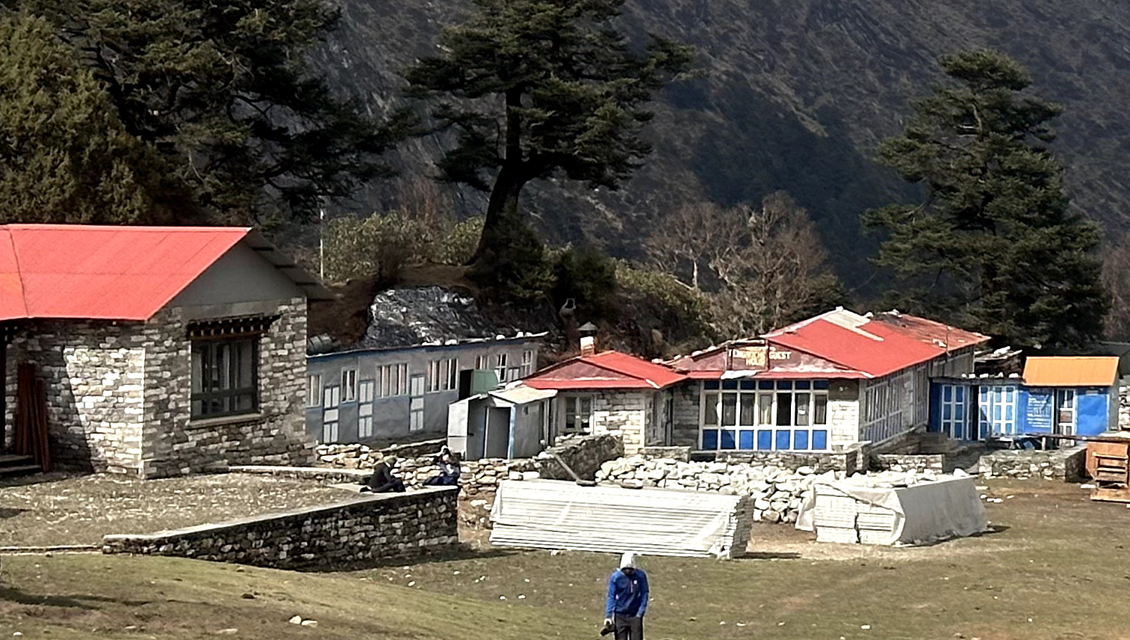
- Twin-sharing teahouse accommodation during the trek.
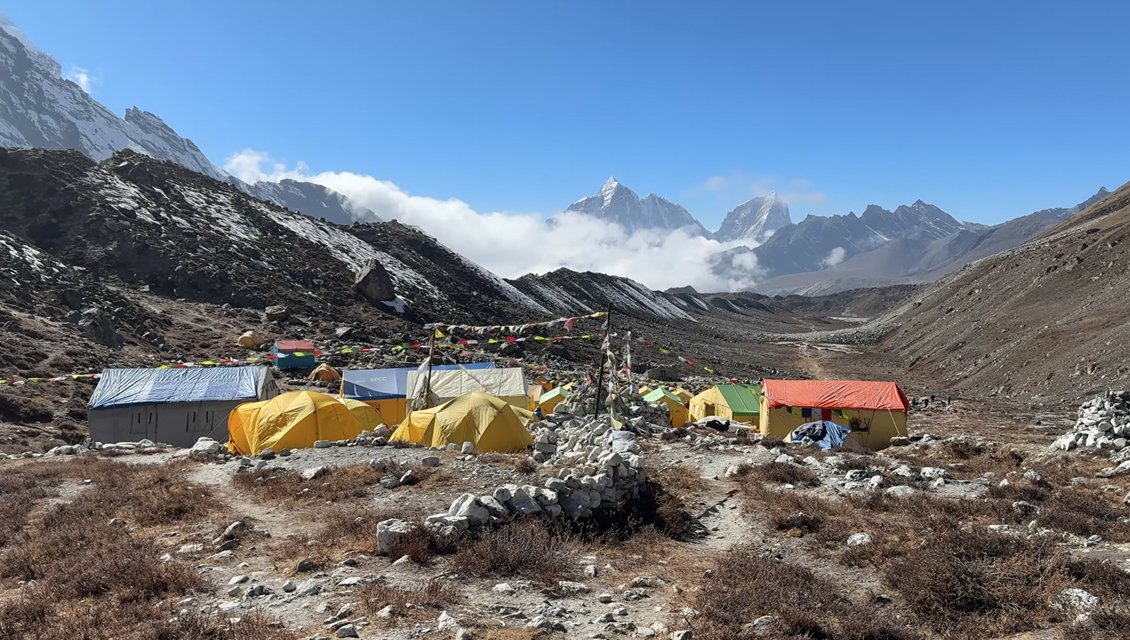
- Tent accommodation at Island Peak Base Camp.
- Lodge accommodation in Lukla.
Expeditions in Nepal · Everest Region
Island Peak Climbing is one of the most popular trekking peak expeditions in the Everest region of Nepal. Known locally as Imja Tse, the peak offers an excellent introduction to Himalayan mountaineering for climbers seeking their first technical summit experience.
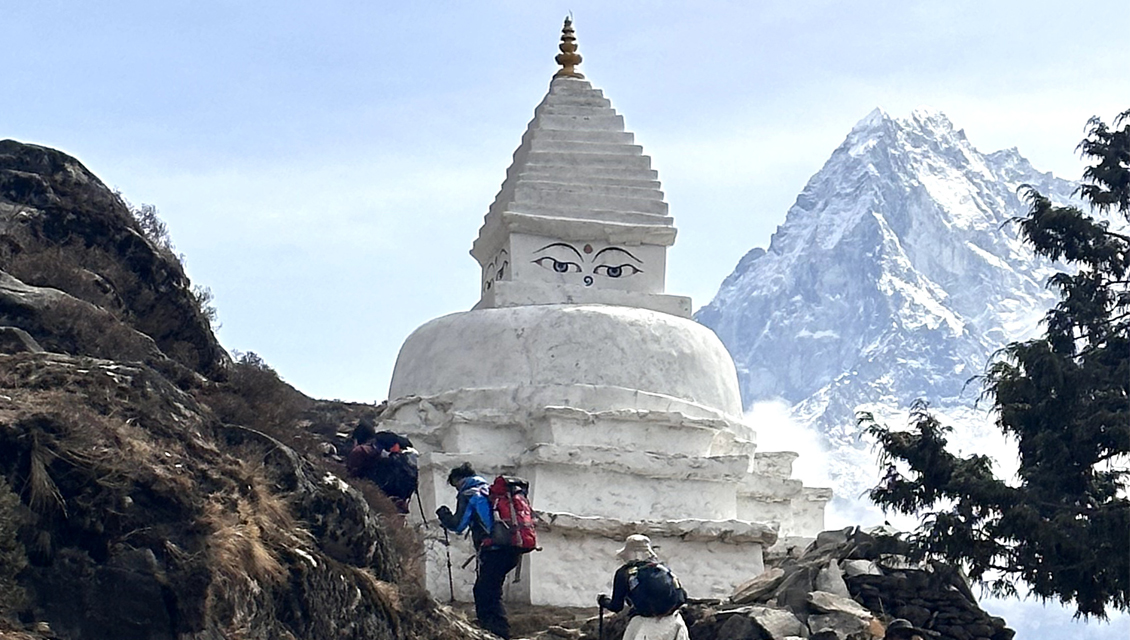
The journey typically begins with a flight to Lukla and follows the classic Everest trail through Namche Bazaar, Tengboche, Dingboche, and Chhukung before reaching Island Peak Base Camp. The expedition is often combined with the Everest Base Camp trek for better acclimatization and a more complete Himalayan experience.
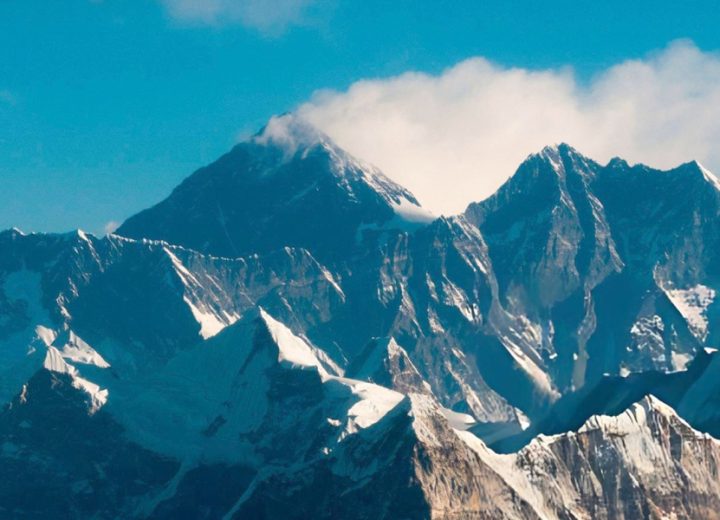
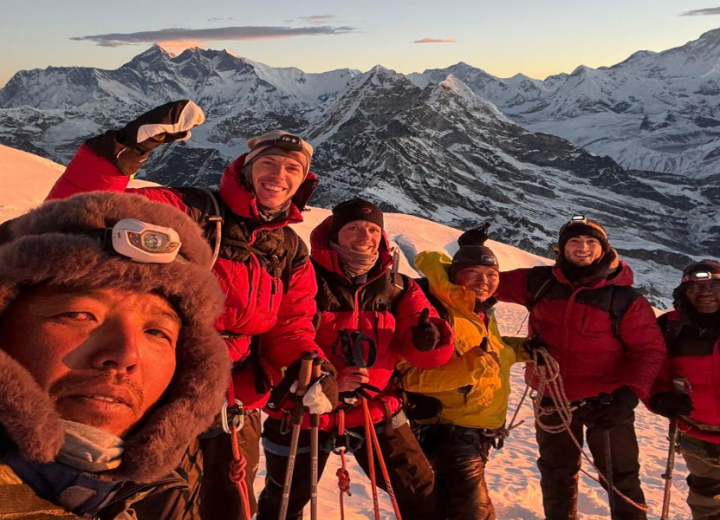
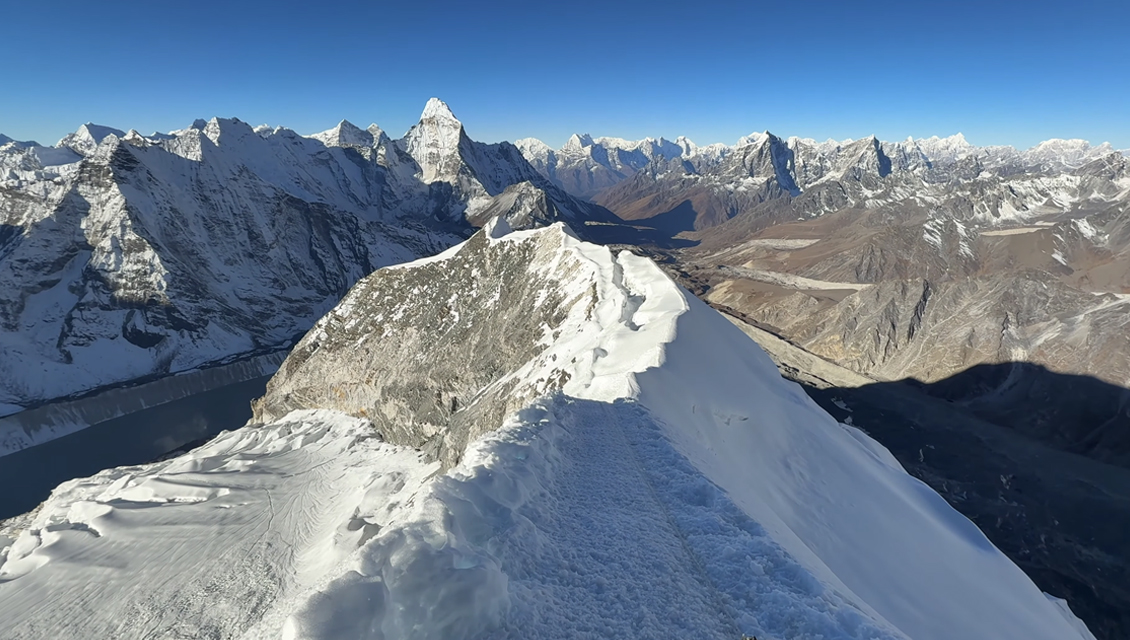
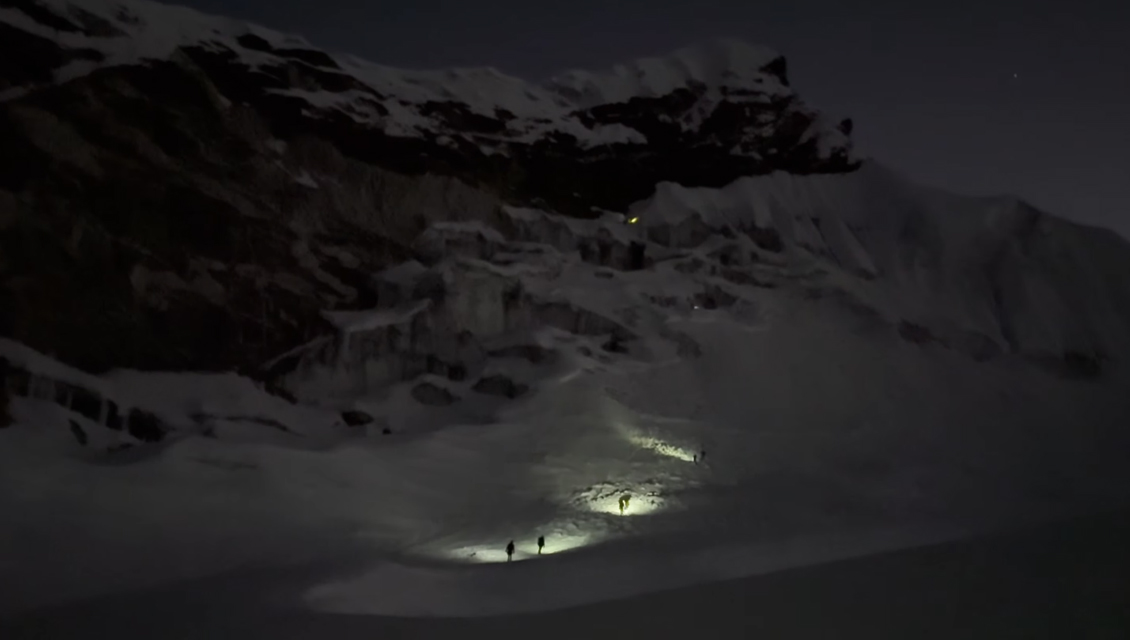
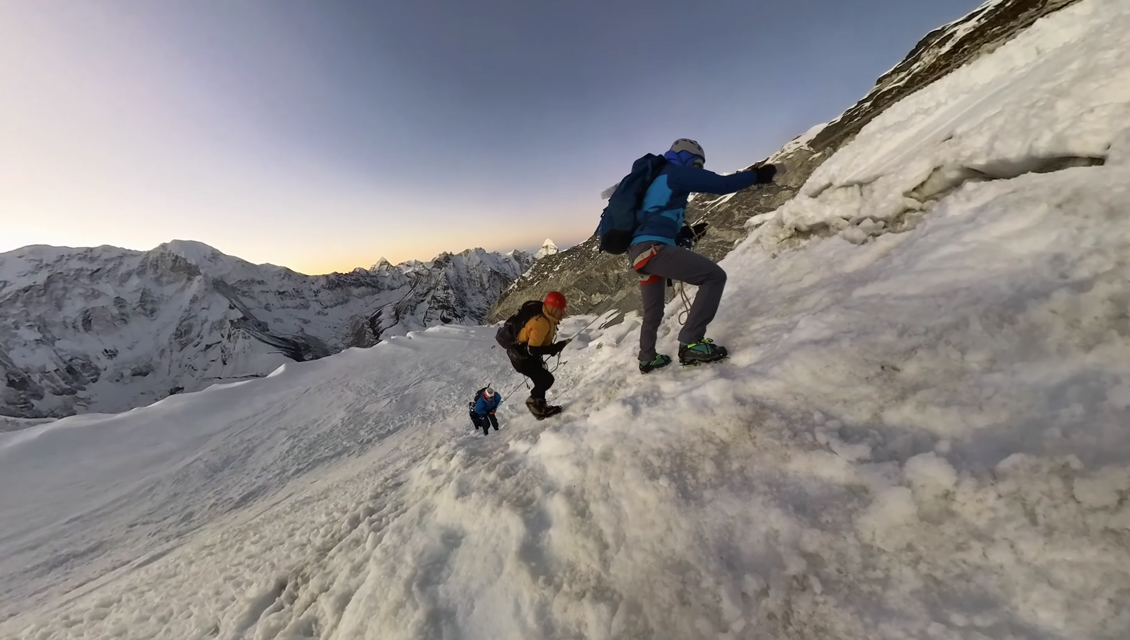
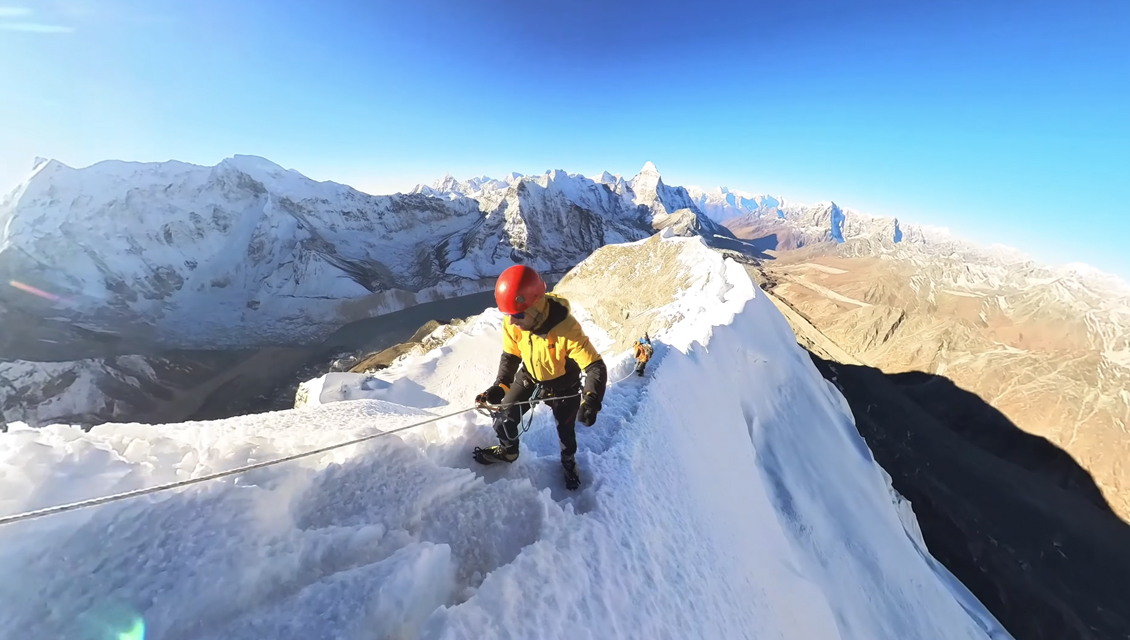
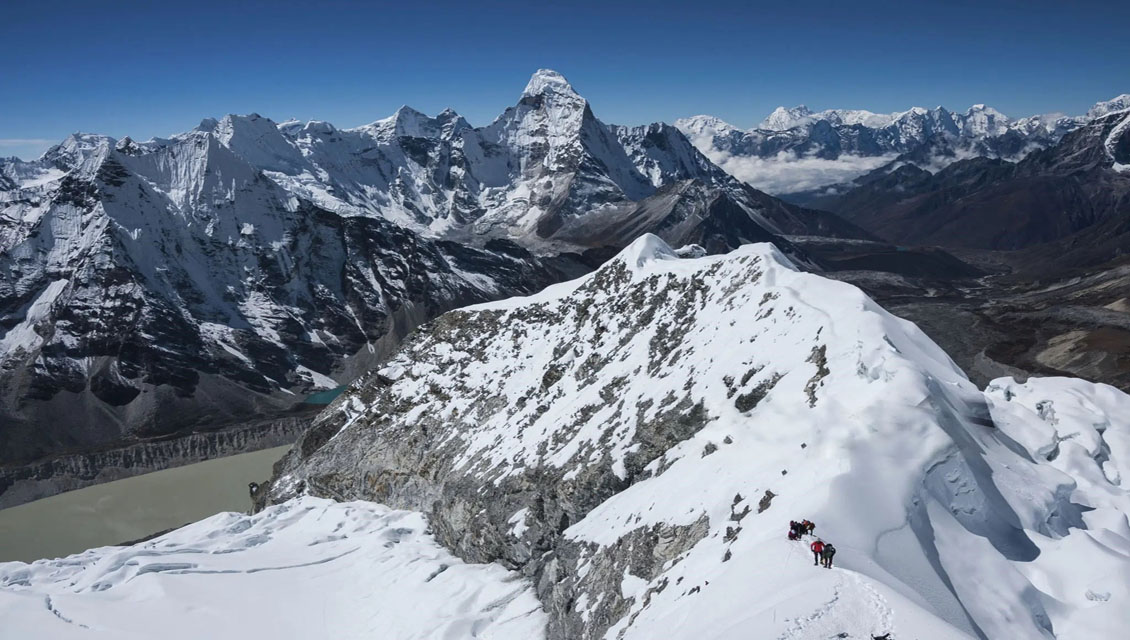
From Base Camp, climbers ascend to High Camp and attempt a summit that includes glacier travel, fixed rope sections, and a steep headwall. The summit rewards climbers with breathtaking views of Lhotse, Ama Dablam, Makalu, and Baruntse.
Island Peak is located in the upper Imja Valley within the Everest region and lies inside the protected area of Sagarmatha National Park.
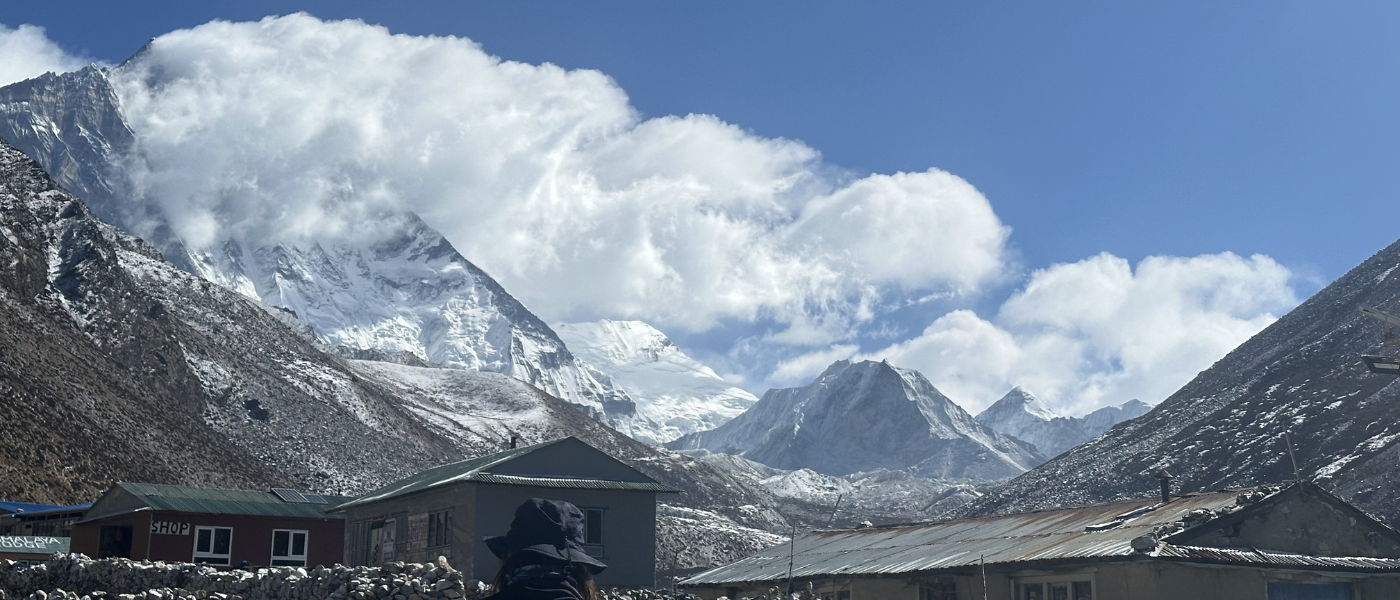
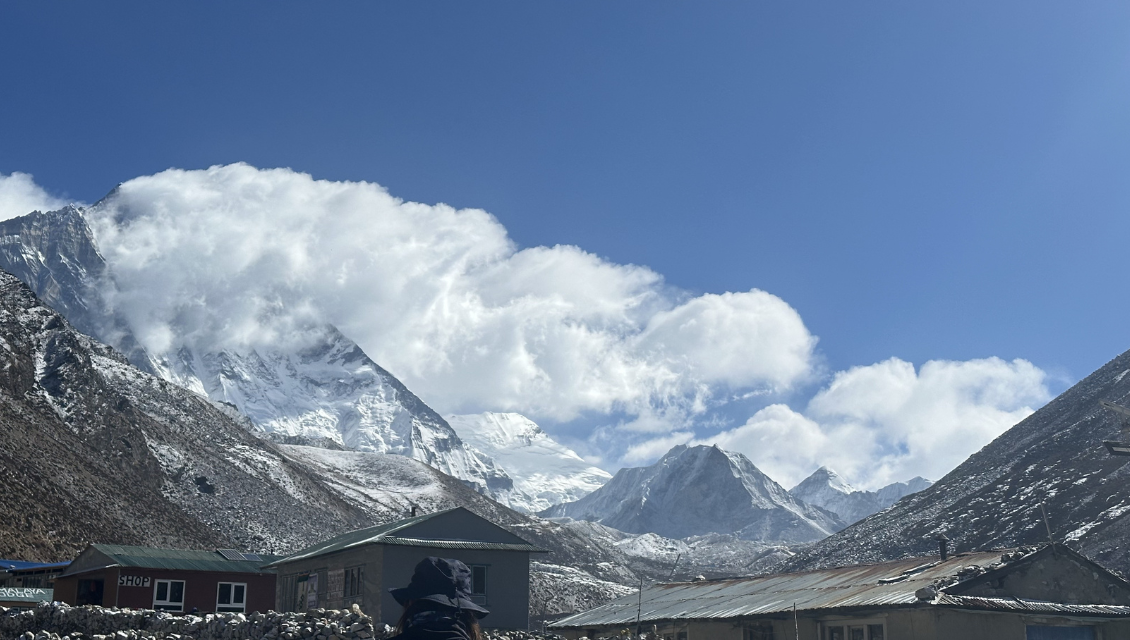
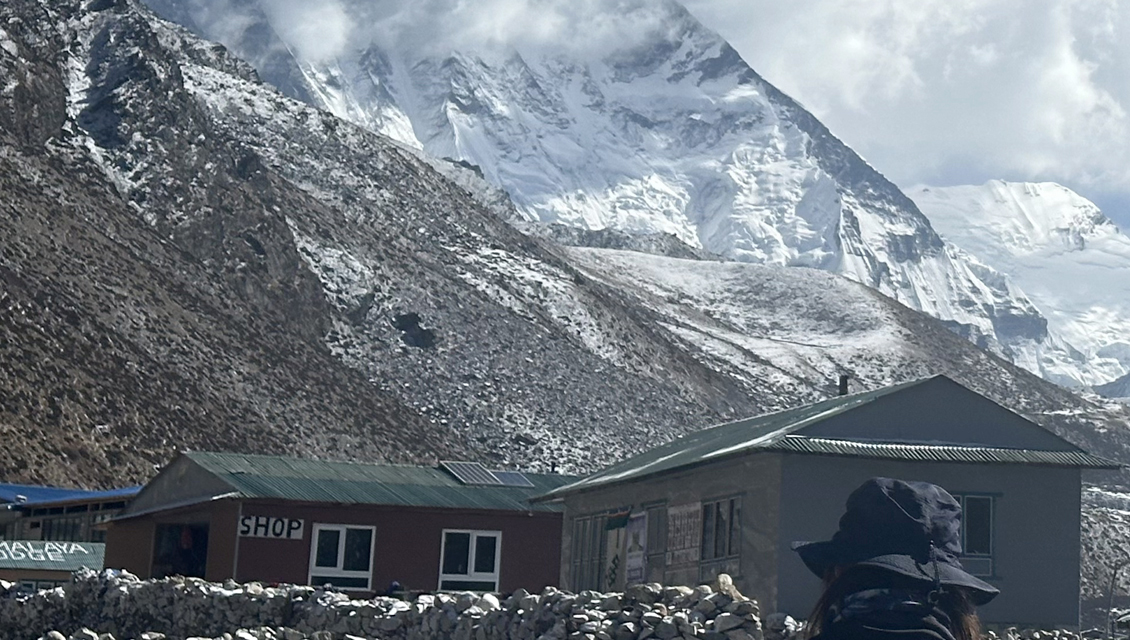
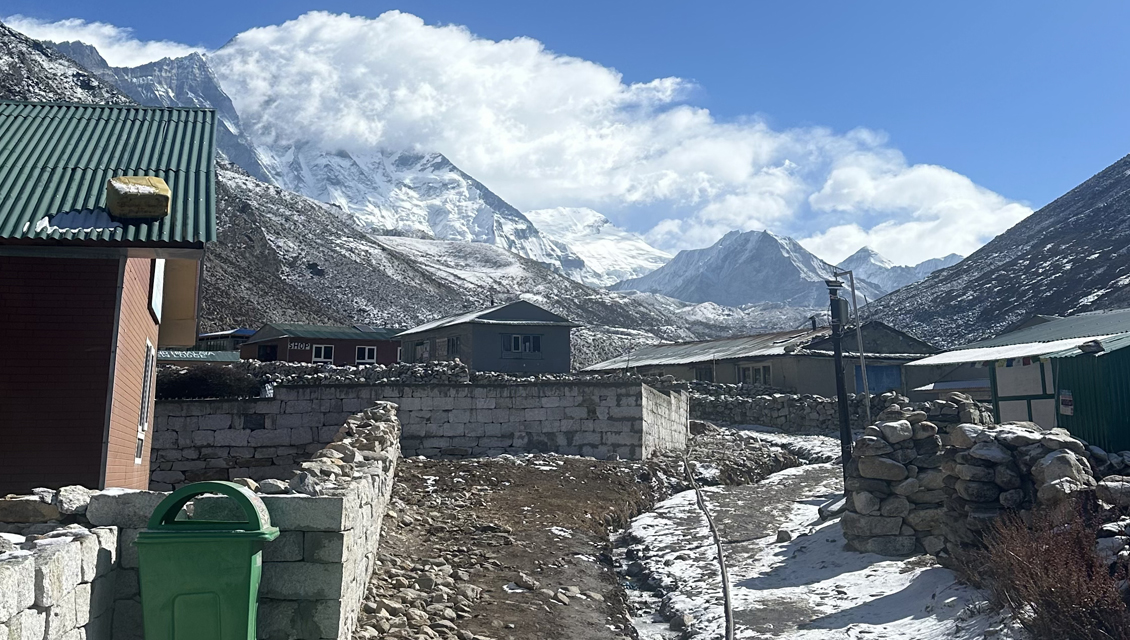
The landscape is defined by dramatic Himalayan terrain, including deep river valleys, alpine meadows, glacial moraines, and massive ice formations. As climbers approach Chhukung and Island Peak Base Camp, the environment becomes increasingly rugged and alpine, dominated by glaciers and towering snow peaks.
One of the most striking features of the region is the surrounding Himalayan panorama. Island Peak sits beneath the towering south face of Lhotse, with views of Ama Dablam, Nuptse, Makalu, and other iconic peaks, creating a truly world-class mountain environment.
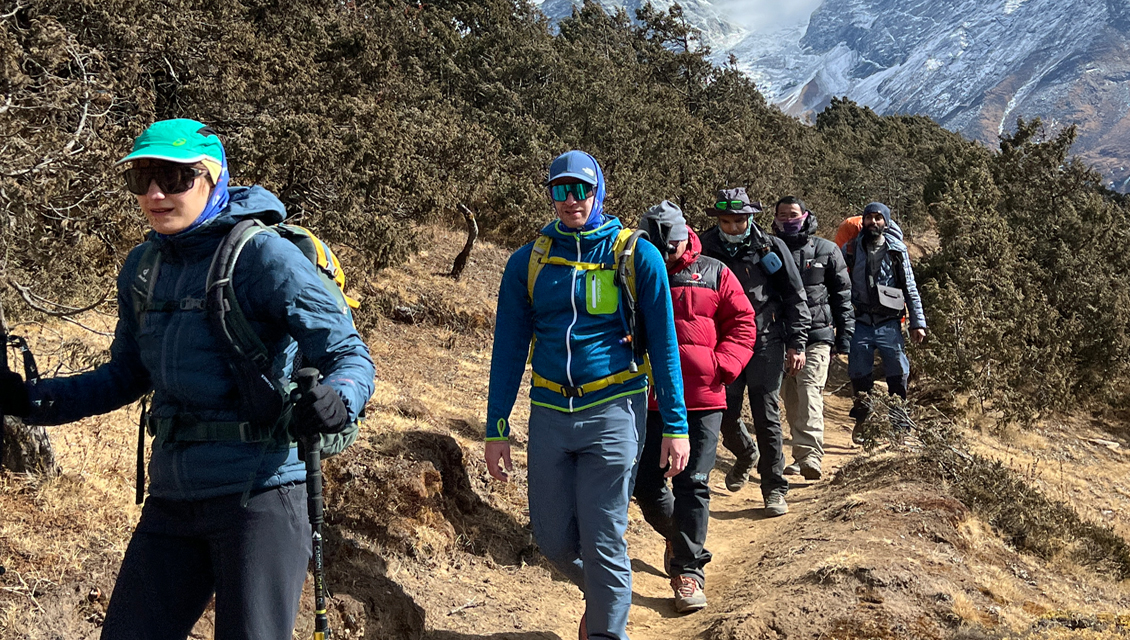
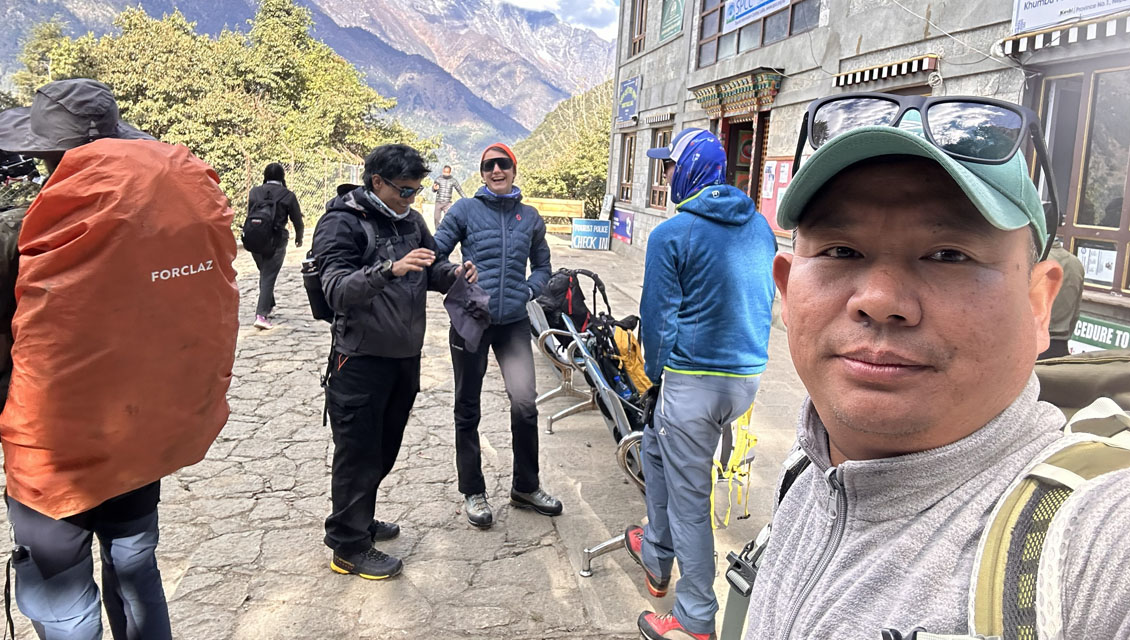
Island Peak Climbing is led by highly experienced Sherpa climbing guides who provide full technical and safety support throughout the expedition.
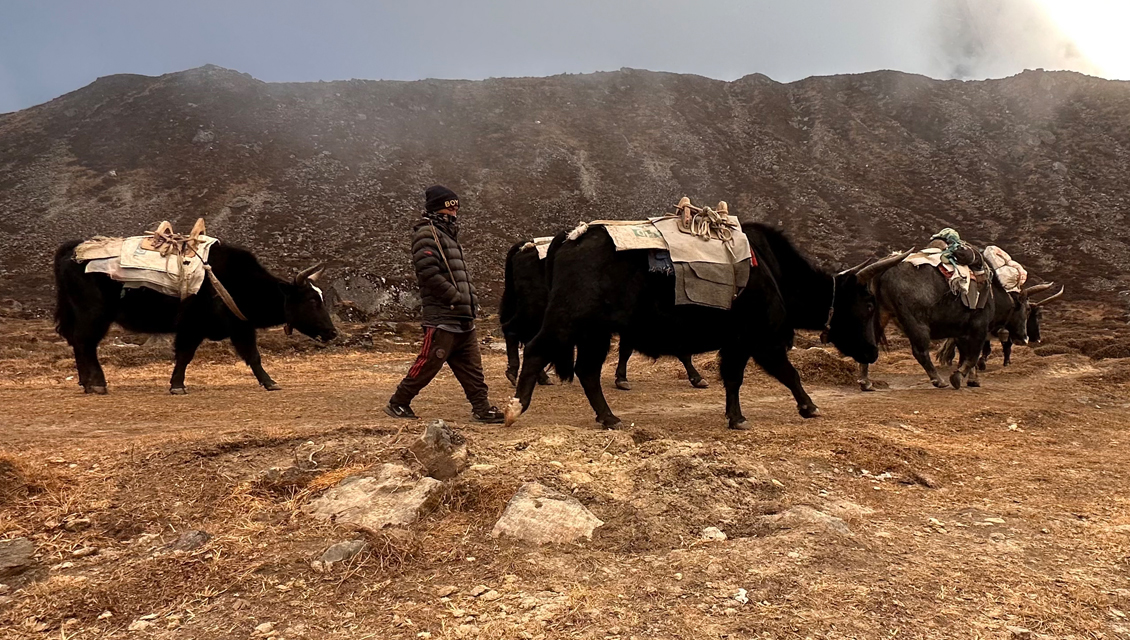
Porters support the expedition by carrying logistics and equipment up to Base Camp, while guides ensure climbers are fully prepared for the technical demands of summit day.
With professional Sherpa guidance, Island Peak offers a safe, structured, and highly rewarding introduction to Himalayan mountaineering.
Your journey begins upon arrival in Kathmandu, where our representative welcomes you and transfers you to your hotel. The rest of the day is free to rest and prepare for the expedition. In the evening, you will meet your guide for a briefing and equipment check.
Time: Full day (3–5 hours activities)
Today is dedicated to final trek preparation and permit arrangements. Your guide will check all equipment, clothing, and climbing gear. Necessary permits for Island Peak Climbing, Sagarmatha National Park, and local municipality are finalized. You can also explore Thamel for any last-minute shopping or gear rental.
A scenic mountain flight takes you to Lukla, the gateway to the Everest region. After meeting the trekking crew, you begin your trek through Sherpa villages, suspension bridges, and pine forests to reach Phakding.
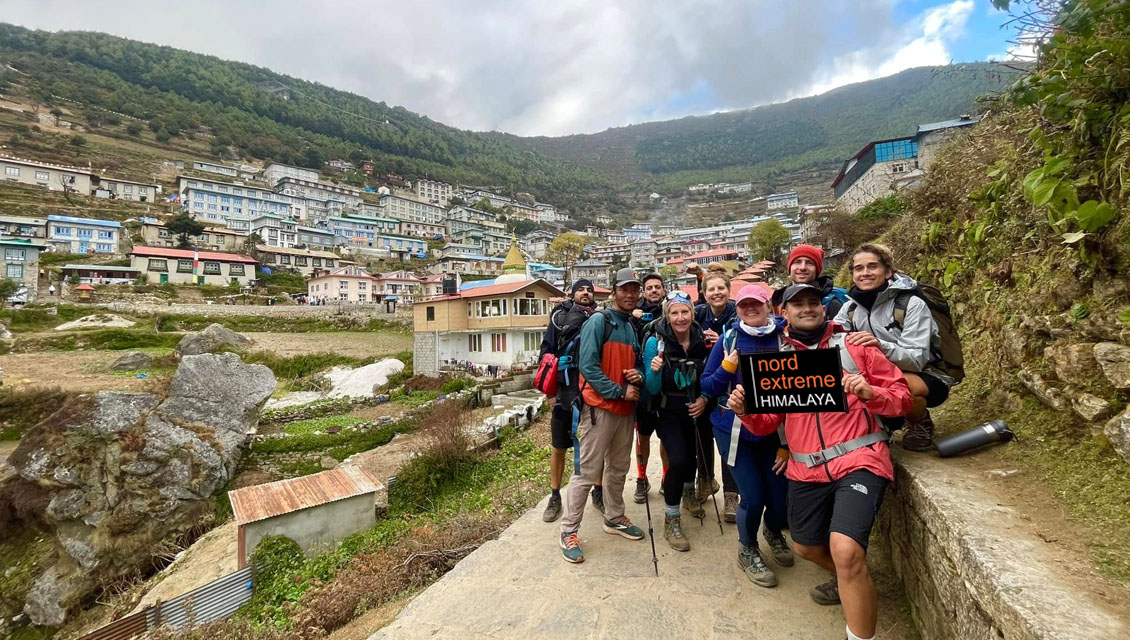
You follow the Dudh Koshi River and cross several suspension bridges before entering Sagarmatha National Park. A steep uphill climb brings you to Namche Bazaar, the bustling Sherpa town of the Khumbu region.
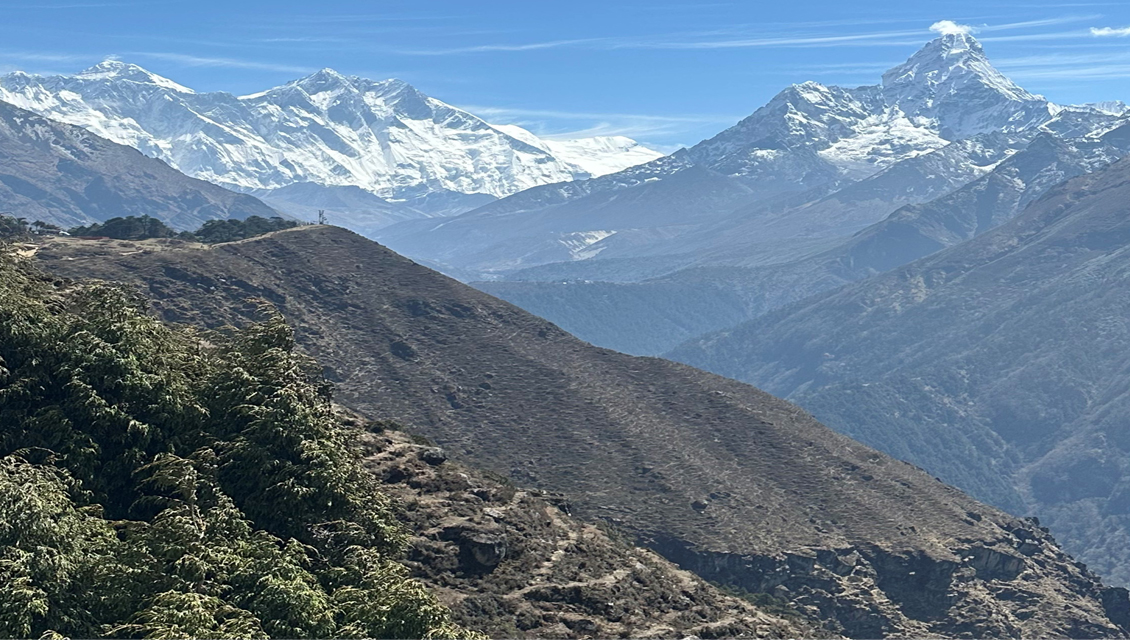
Today is for acclimatization. You hike to Everest View Hotel or Khumjung Village for stunning views of Everest, Lhotse, and Ama Dablam.
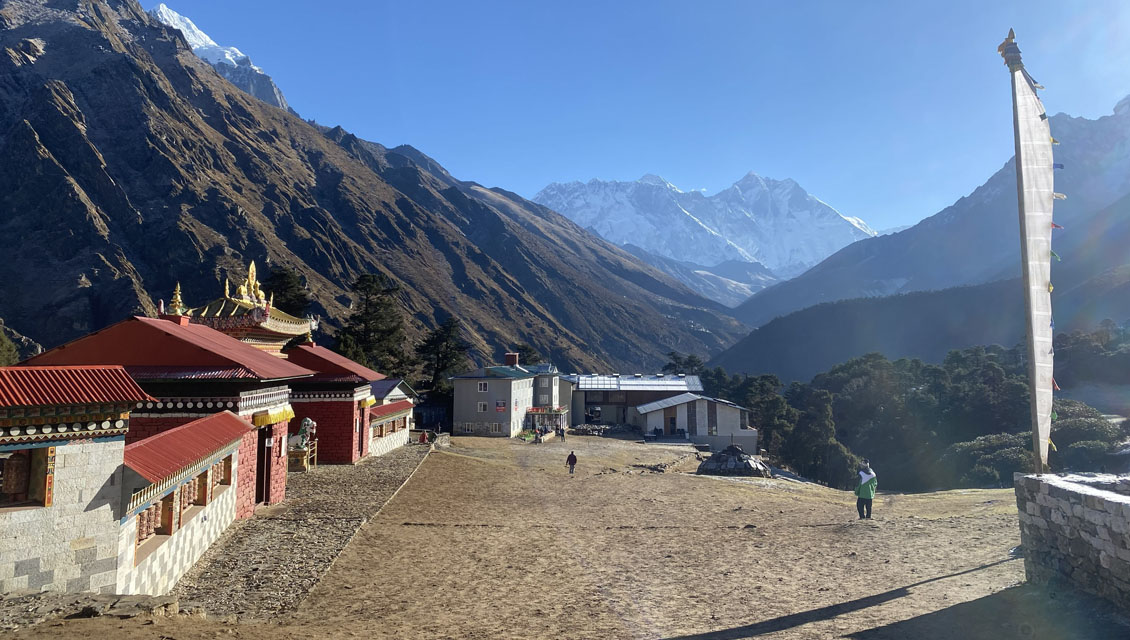
The trail offers beautiful Himalayan scenery as you descend and ascend through forests and ridges before reaching Tengboche Monastery.
You continue into the Imja Valley, where the landscape becomes more alpine and rugged, reaching Dingboche.
A short hike to Nagarjun Hill helps improve acclimatization and offers panoramic mountain views.
A short scenic trek takes you deeper into the Imja Valley, reaching Chhukung, the last settlement before Island Peak.
You receive practical training in crampons, ice axe use, rope techniques, harness use, and glacier travel.
Trek over rocky terrain to Base Camp where guides prepare equipment and explain summit strategy.
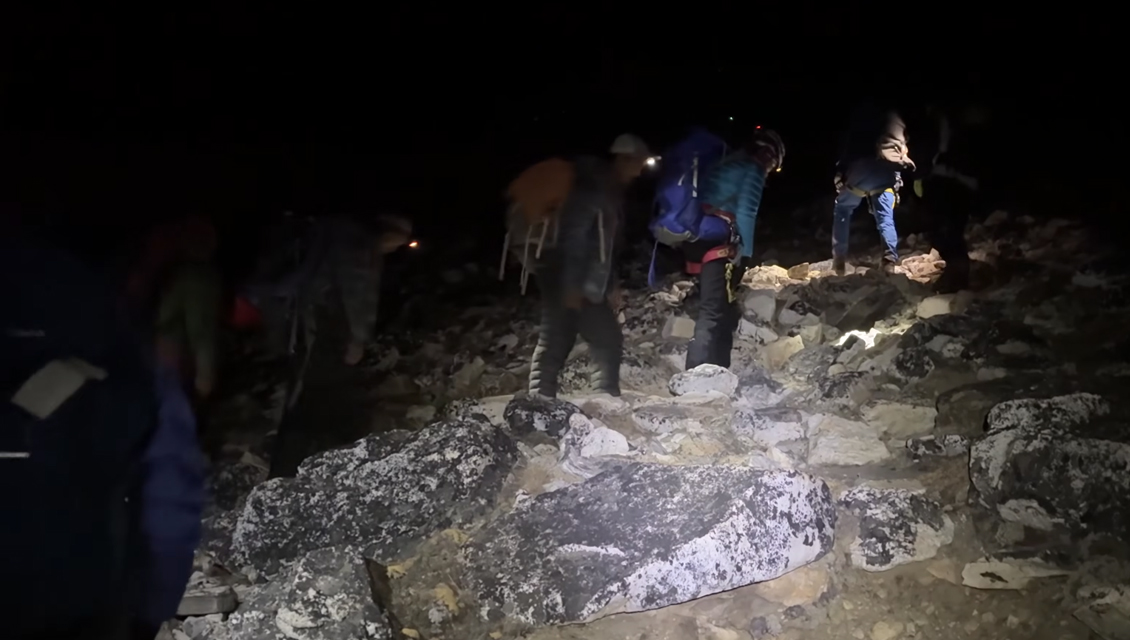
Early morning summit push via glacier, fixed ropes, and steep snow slopes. After reaching the summit, descend back to Chhukung.
Buffer day for weather delay, rest, or acclimatization needs.
Return through Dingboche and Pangboche with amazing views of Ama Dablam.
Descend through forests back to Namche Bazaar.
Final trekking day back to Lukla for celebration with the crew.
Morning flight back to Kathmandu and transfer to hotel.
Transfer to the international airport for your onward flight.
Private departures run on any date. Pick the start date that suits you and we will build the trip around it — same price, your own guide and team.
Accommodation
Accommodation during the Island Peak Climbing expedition includes comfortable 3-star hotel stays in Kathmandu, teahouse accommodation throughout the Everest region trek, and tented accommodation at Island Peak Base Camp. Most teahouses provide basic facilities, including hot showers, Wi-Fi, and charging services for an additional fee.
Meals
The expedition includes full-board meals (Breakfast, Lunch, and Dinner) throughout the trek and climbing period. Nutritious meals are served daily to support the physical demands of trekking and high-altitude climbing. Packed lunches and energy snacks are provided during the summit push.
Difficulty & Fitness
Island Peak (6,189m) is considered a moderately challenging trekking peak and is one of Nepal's most popular climbing objectives. Climbers should be physically fit and preferably have previous trekking experience at high altitude. The summit ascent involves glacier travel, fixed ropes, ladder crossings, and steep snow slopes, requiring determination and endurance.
Permits
The expedition requires the following permits:
All permits and climbing documentation are arranged by the expedition organizer.
Best Time to Climb
Spring (March–May)
Autumn (September–November)
Transportation
The journey begins with a scenic flight between Kathmandu and Lukla, followed by trekking through the Everest region via Namche Bazaar, Tengboche, Dingboche, and Chhukung before reaching Island Peak Base Camp. Flight schedules may be affected by mountain weather conditions.
Safety & Altitude
The itinerary includes proper acclimatization days to reduce altitude-related risks and improve summit success. Experienced climbing guides provide technical support, health monitoring, and emergency response assistance throughout the expedition. Travel insurance covering climbing activities up to 6,500m and emergency helicopter evacuation is mandatory.
Climbing Training
Before the summit attempt, climbers receive practical training in the use of crampons, ice axes, climbing harnesses, ascenders, fixed ropes, and glacier travel techniques. This training prepares participants for the technical sections encountered during the climb.
Essential Equipment
Participants should bring appropriate high-altitude trekking and climbing gear, including insulated clothing, mountaineering boots, crampons, ice axe, climbing harness, helmet, ascender, sleeping bag, sunglasses, and personal essentials.
Why Choose Island Peak?
Island Peak Climbing is the perfect choice for adventurous trekkers seeking their first technical Himalayan summit while experiencing the breathtaking landscapes and world-famous trails of the Everest region.
Keep exploring