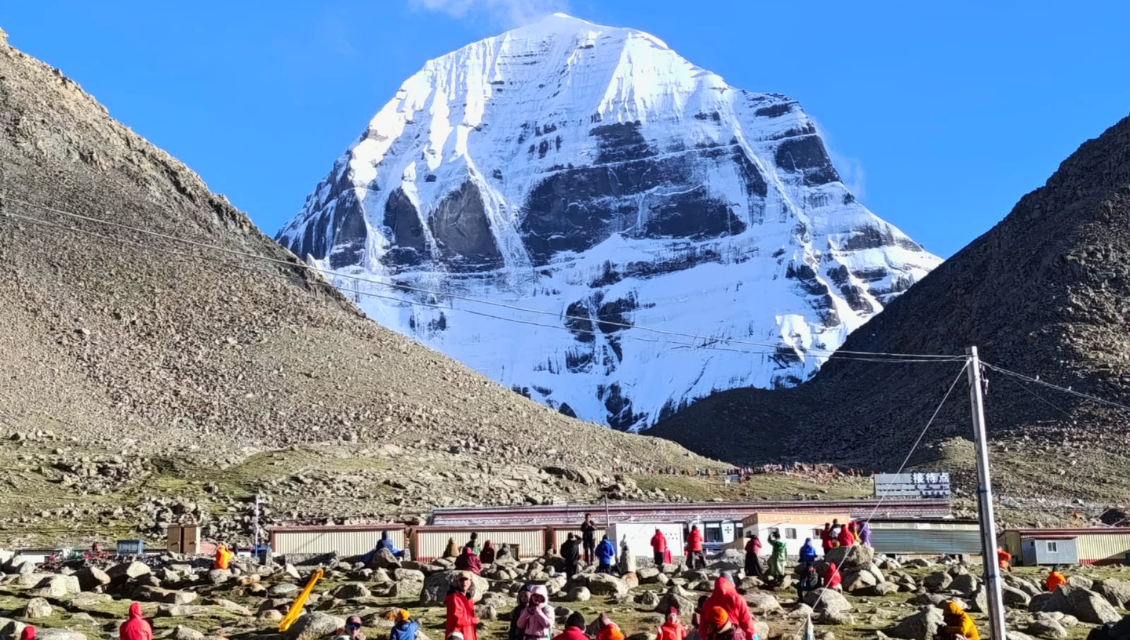
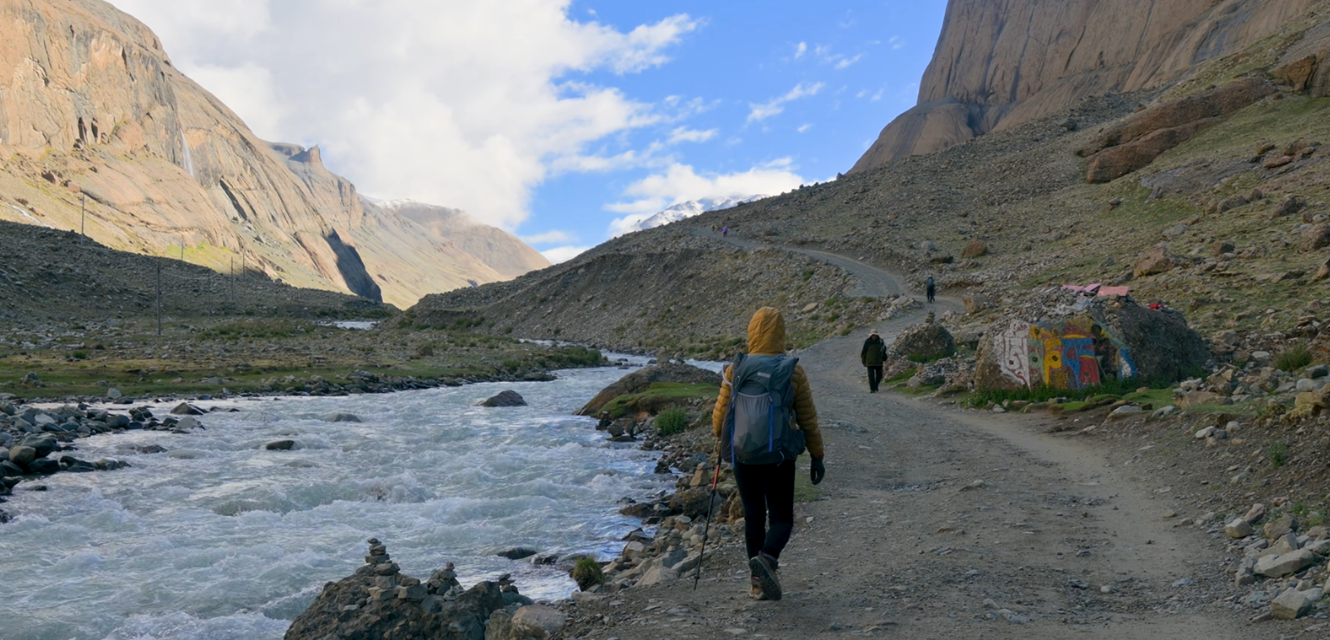
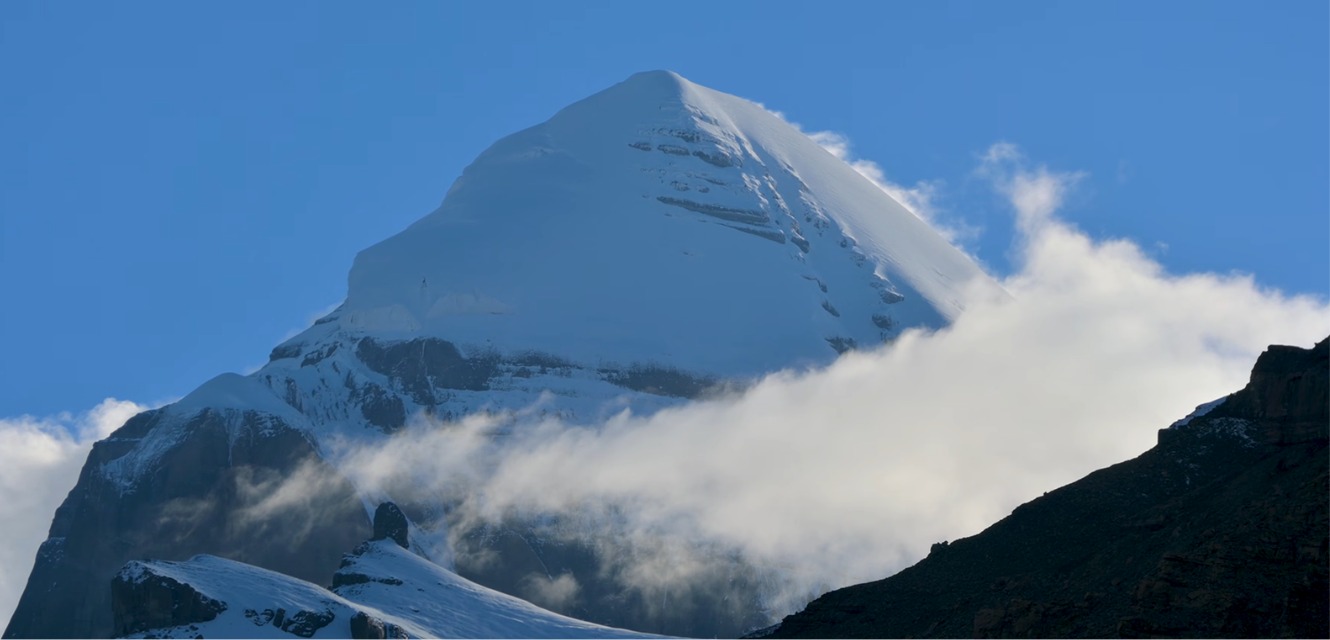
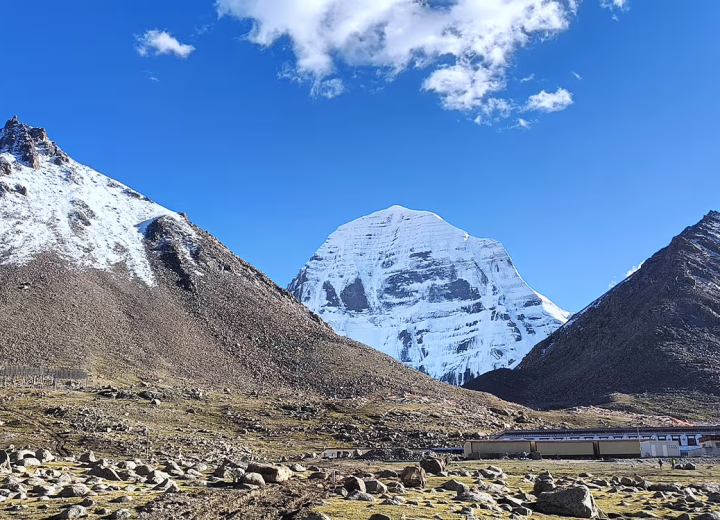
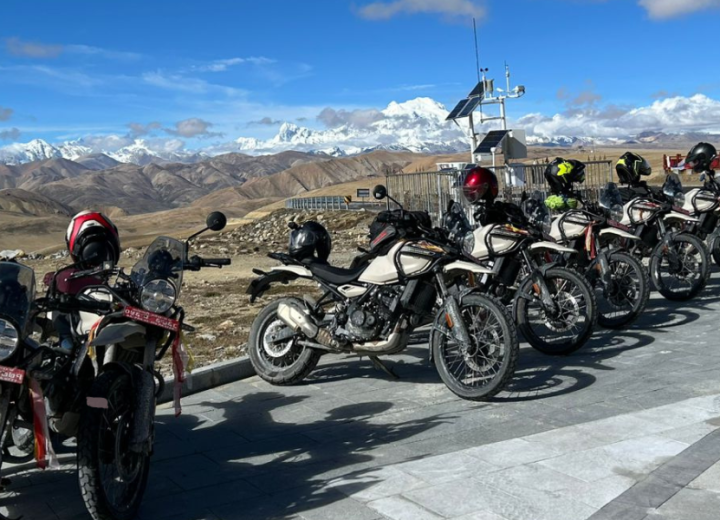
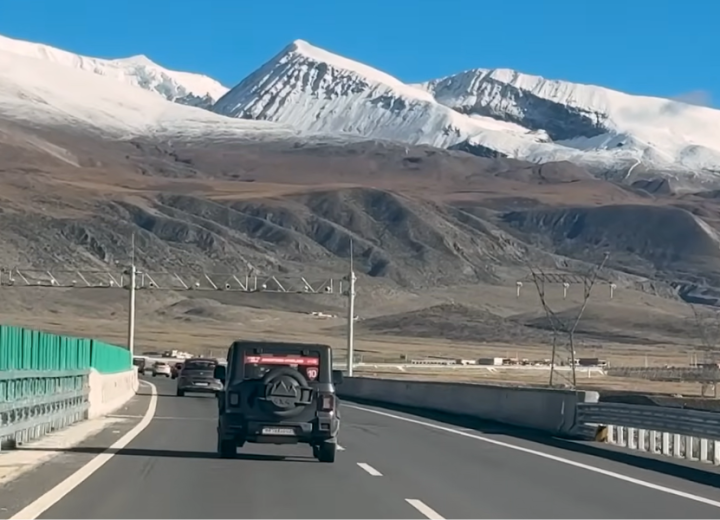
The Mount Kailash Pilgrimage Tour via Simikot is one of the most adventurous and spiritually significant journeys to the sacred Mount Kailash (6,638m) and Lake Manasarovar. This unique route combines scenic Himalayan flights, remote overland travel, and the profound spiritual experience of the Kailash Kora, offering an exceptional blend of pilgrimage and high-altitude adventure.
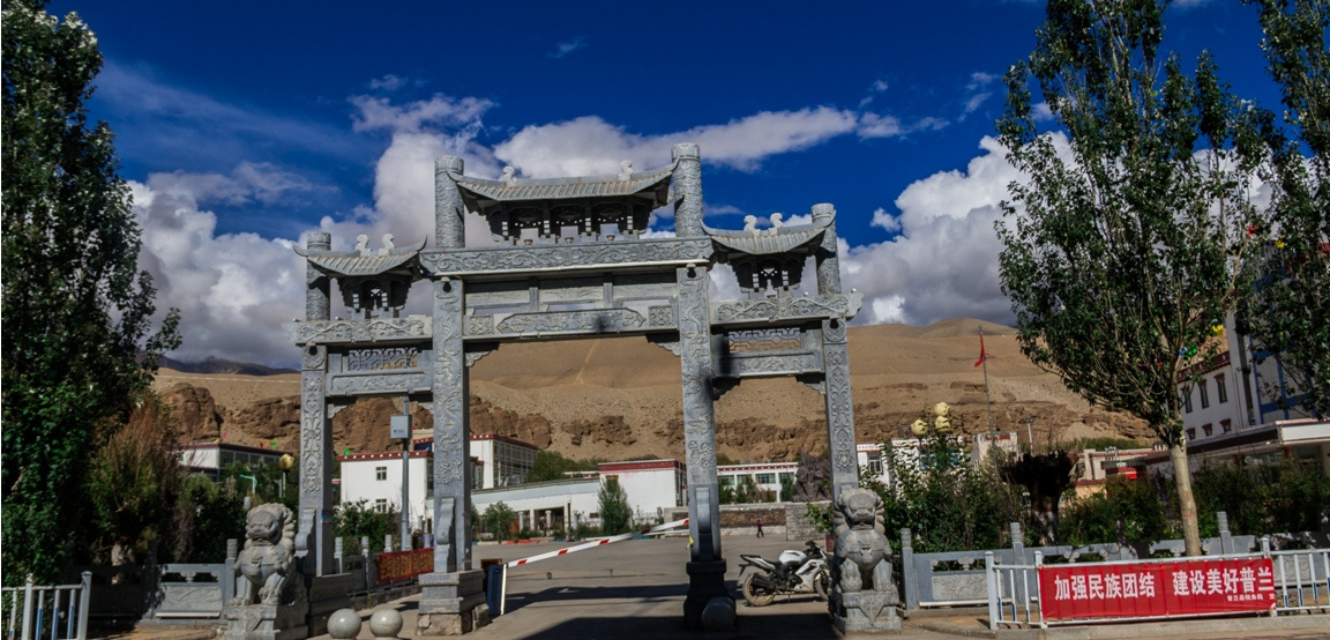
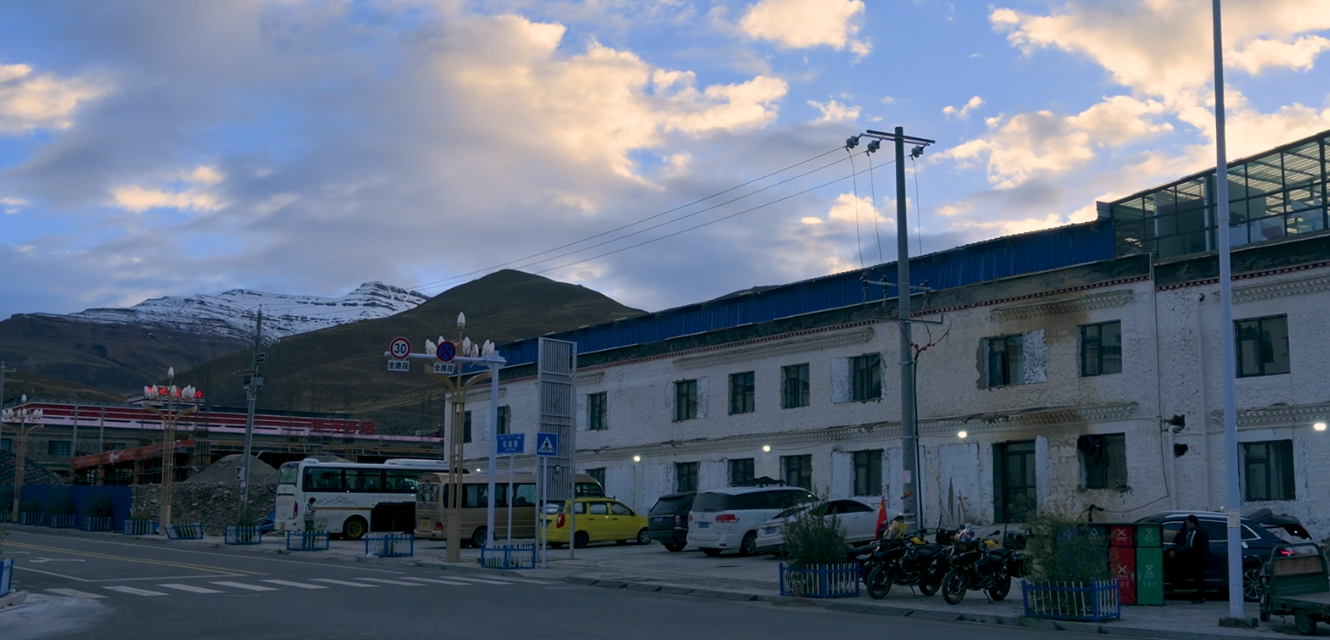
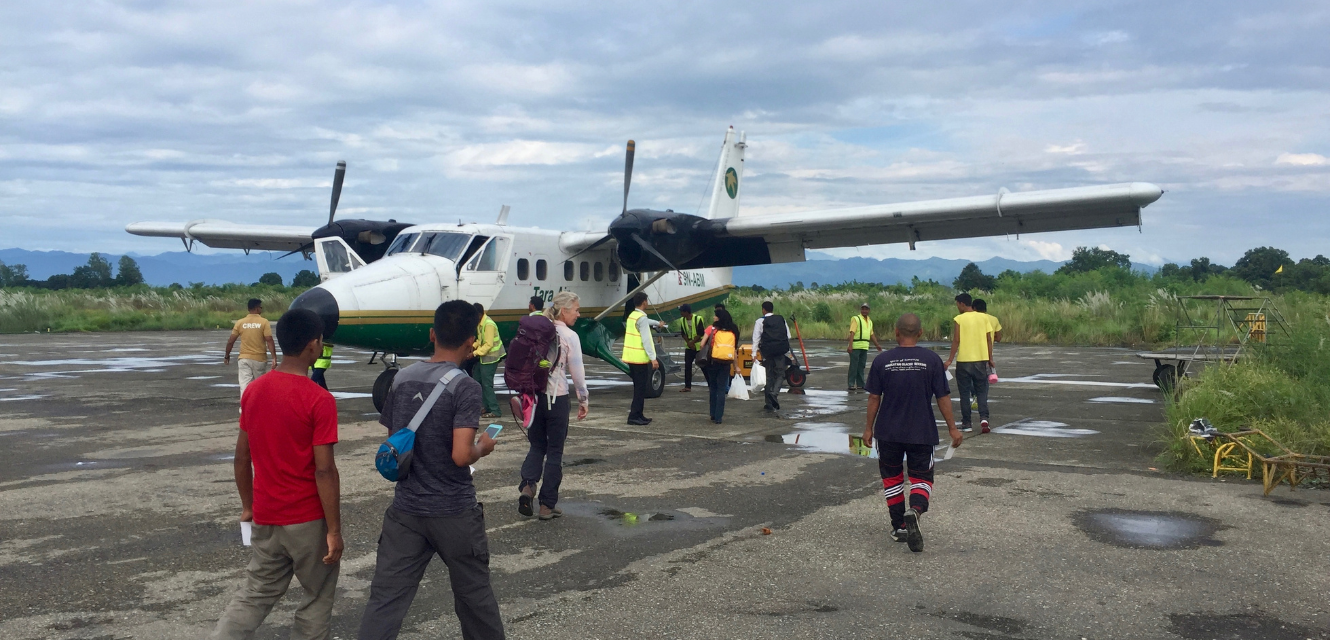
The journey begins in Kathmandu and follows a dramatic route through Nepalgunj and Simikot in the remote Humla region of western Nepal. From Simikot, travelers cross the Himalayan frontier via Hilsa into Tibet, continuing through Purang (Taklakot) before reaching Darchen, the base of Mount Kailash.
This less-traveled route is ideal for adventure seekers and pilgrims who prefer a more remote, authentic, and culturally immersive experience while visiting one of the most sacred destinations in the world.
Geography and Landscape
The Simikot route traverses two contrasting yet equally spectacular geographical regions—western Nepal and the Tibetan Plateau.
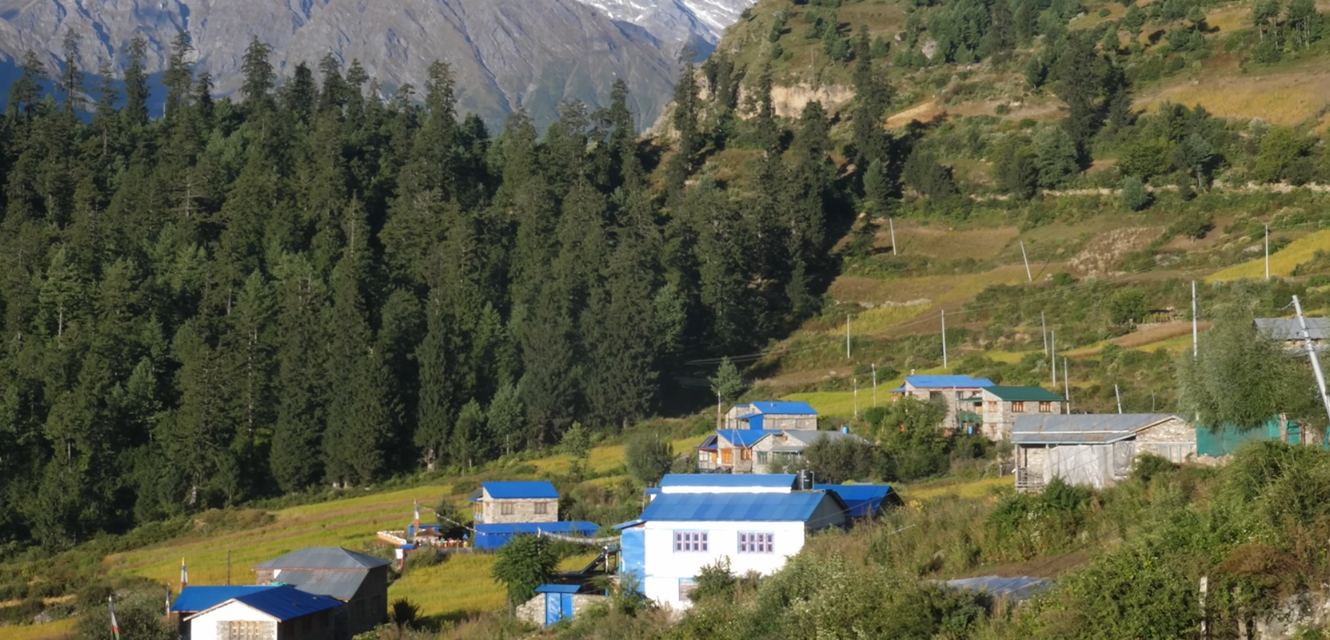
In Nepal, the journey passes through deep river valleys, terraced hills, and rugged Himalayan terrain. The Humla region around Simikot is remote, mountainous, and characterized by steep ridges, alpine villages, and pristine natural beauty.
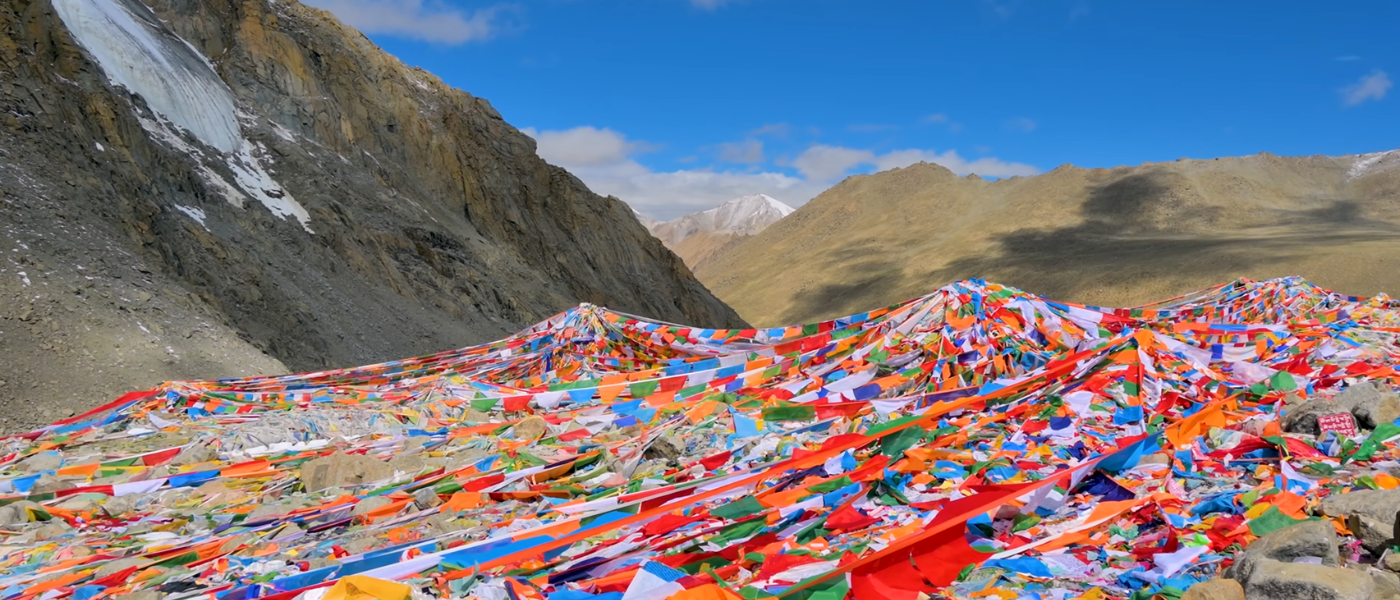
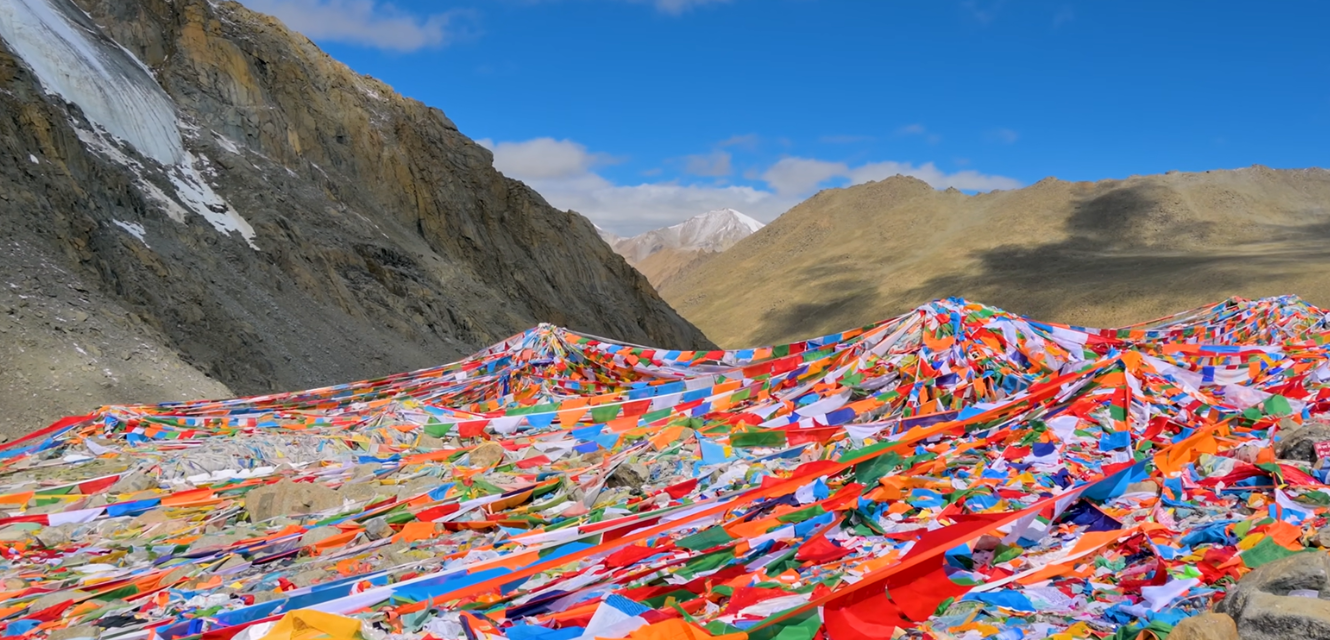
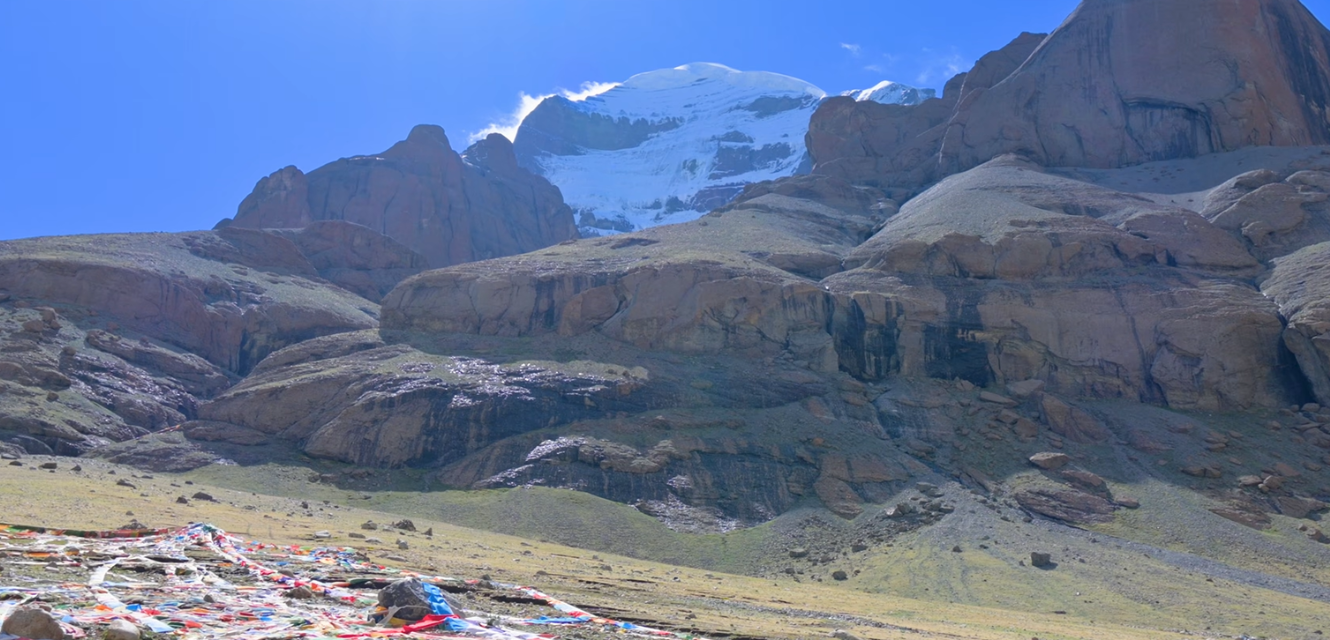
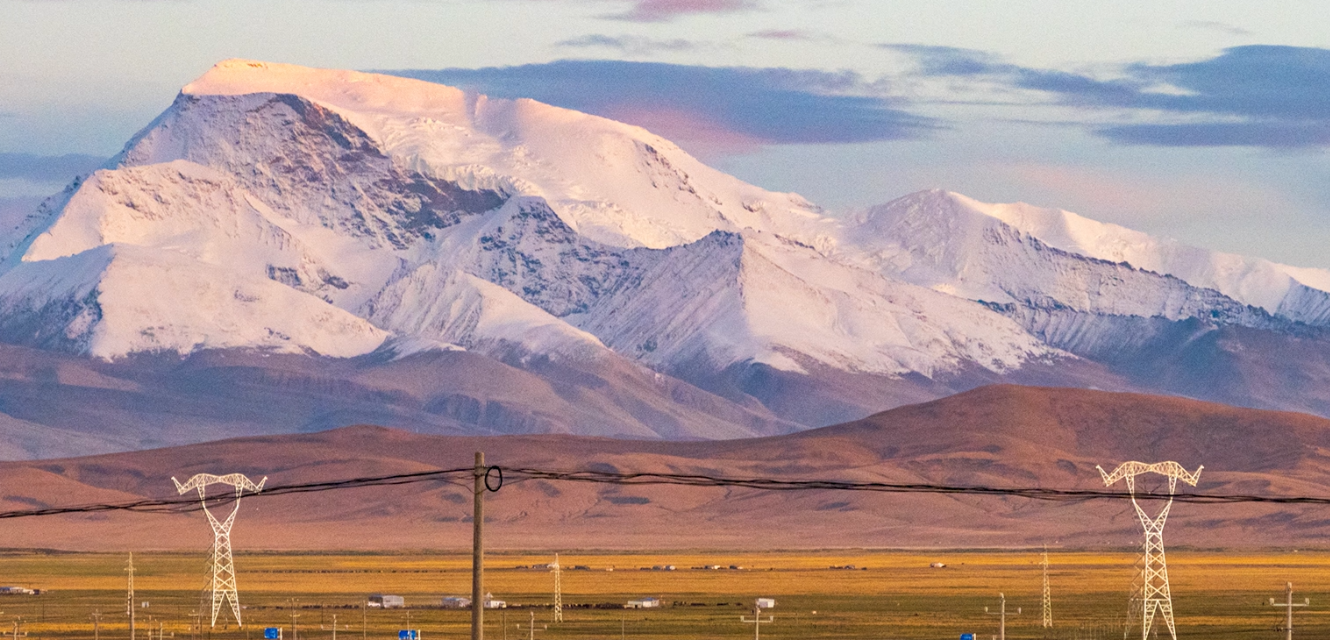
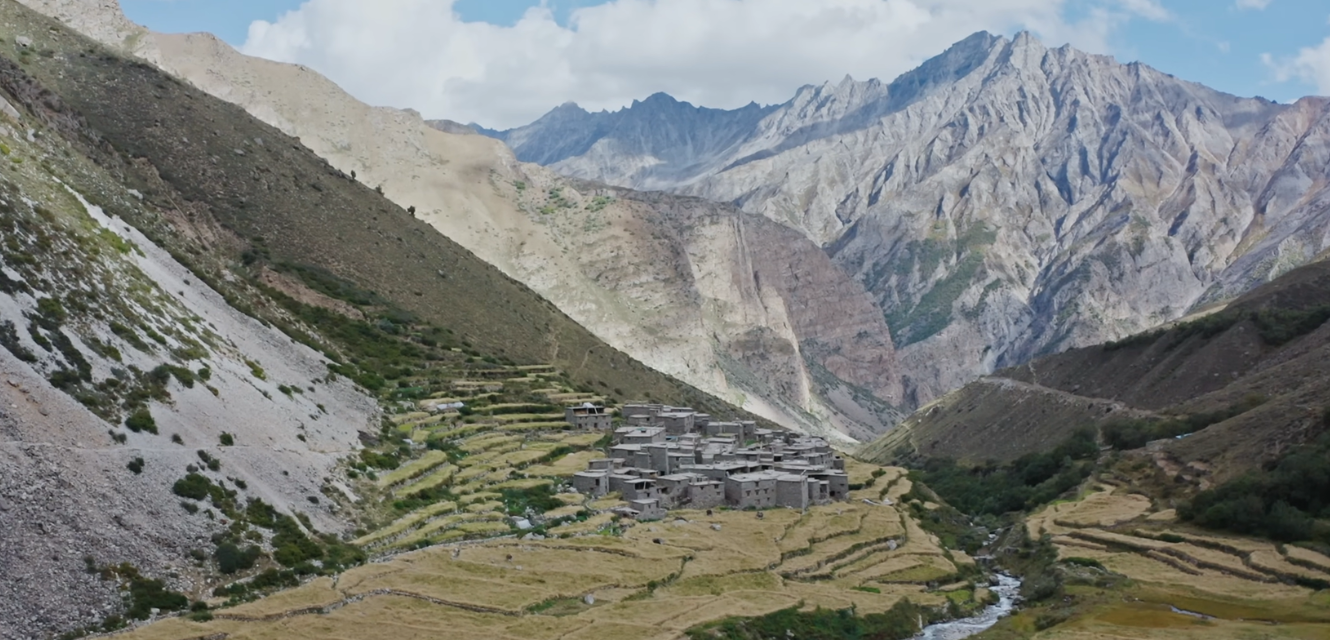
After crossing into Tibet, the landscape transforms dramatically into the vast high-altitude Tibetan Plateau, known as the “Roof of the World.” This region is defined by barren deserts, expansive grasslands, glacial rivers, and distant snow-covered Himalayan ranges.
Key geographical highlights include:
- Karnali River valley and western Nepal’s Himalayan foothills
- Remote Humla district and Simikot highlands
- Border crossing at Hilsa (Nepal–Tibet gateway)
- Purang (Taklakot) valley and Tibetan plateau transition zone
- Sacred Lake Manasarovar (4,590m)
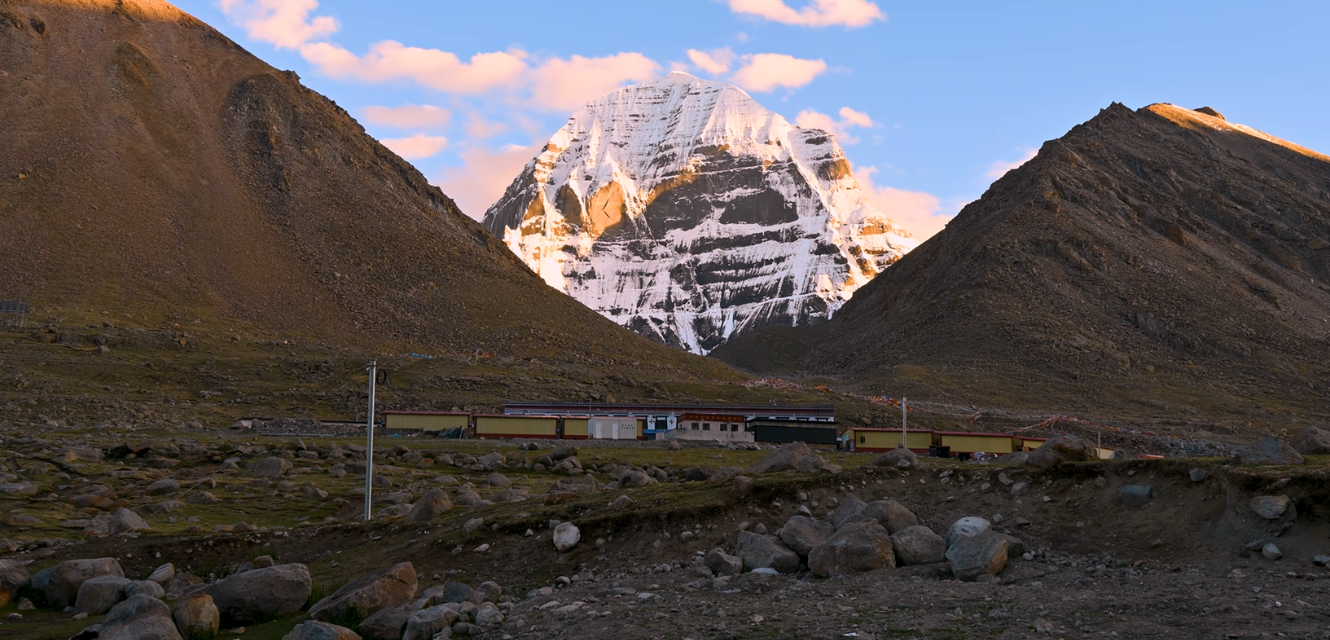
- Mount Kailash massif (6,638m)
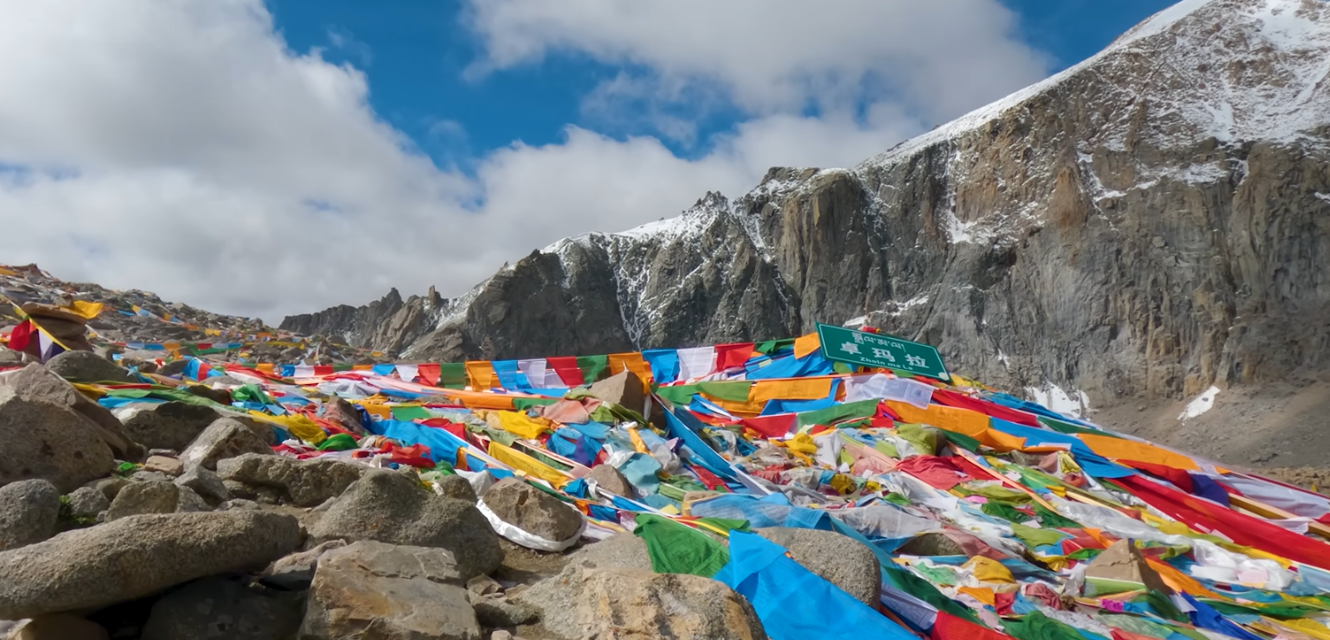
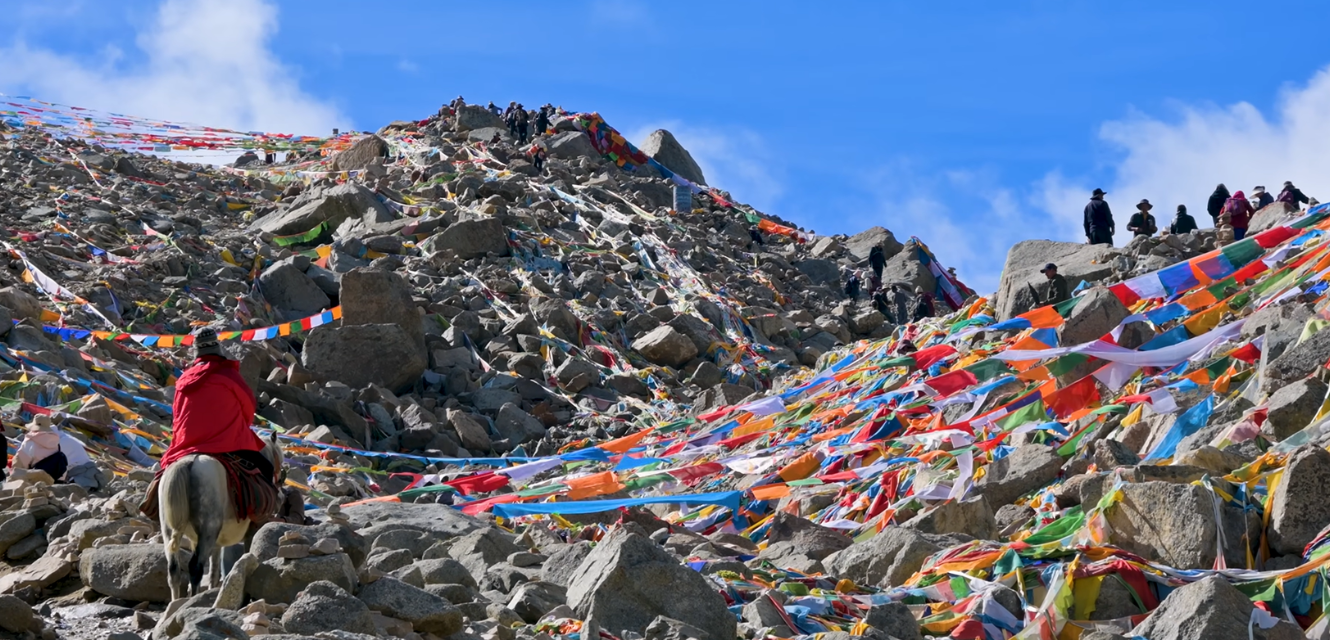
- Dolma La Pass (5,630m), the highest point of the pilgrimage circuit
The dramatic transition from lush Himalayan landscapes to the barren Tibetan plateau makes this route one of the most visually striking overland journeys in Asia.
Climate and Best Time to Visit
The Simikot–Kailash region experiences a cold, dry, high-altitude climate with significant temperature variations between day and night.
Spring (April – May)
Clear skies, stable conditions, and relatively fewer travelers. Snow remains on high passes, enhancing scenic beauty.
Summer (June – August)
Peak pilgrimage season with moderate temperatures and active religious gatherings. Occasional monsoon influence on the Nepal side.
Autumn (September – October)
The best travel season with stable weather, excellent visibility, and ideal trekking conditions.
Winter (November – March)
Extremely cold and generally closed for travel due to snow and harsh weather conditions.
Best Time for the Tour: May to October (especially September–October)
People and Culture
The Simikot route passes through culturally diverse regions of Nepal and Tibet. In western Nepal, the Humla region is home to mountain communities influenced by Tibetan Buddhism and traditional Himalayan lifestyles. Life here is simple and closely connected to nature, agriculture, and cross-border trade.
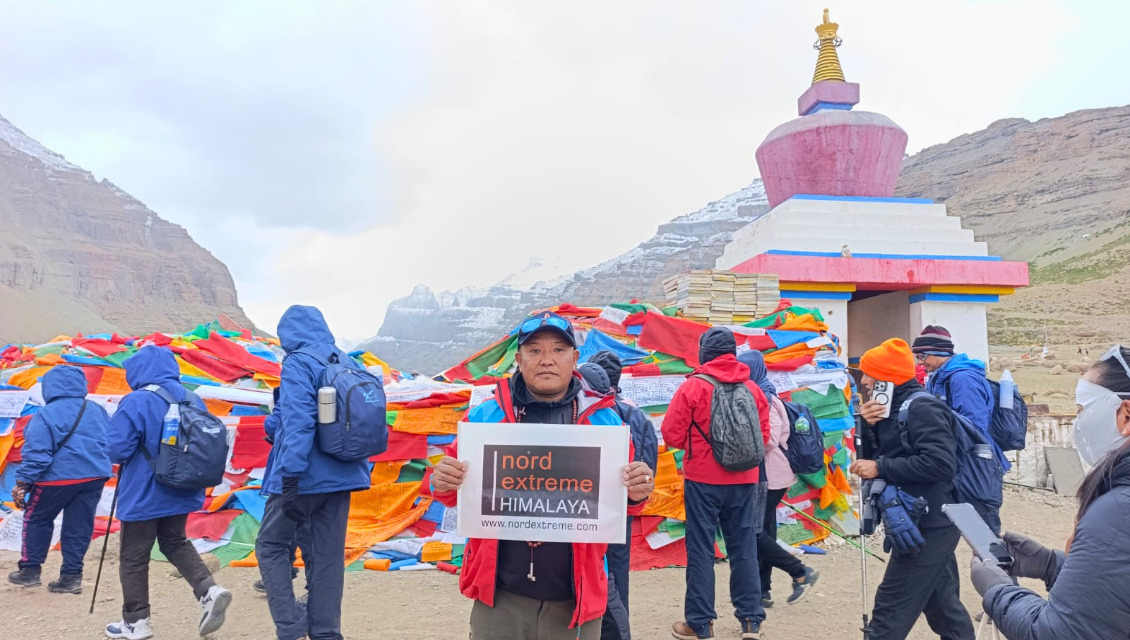
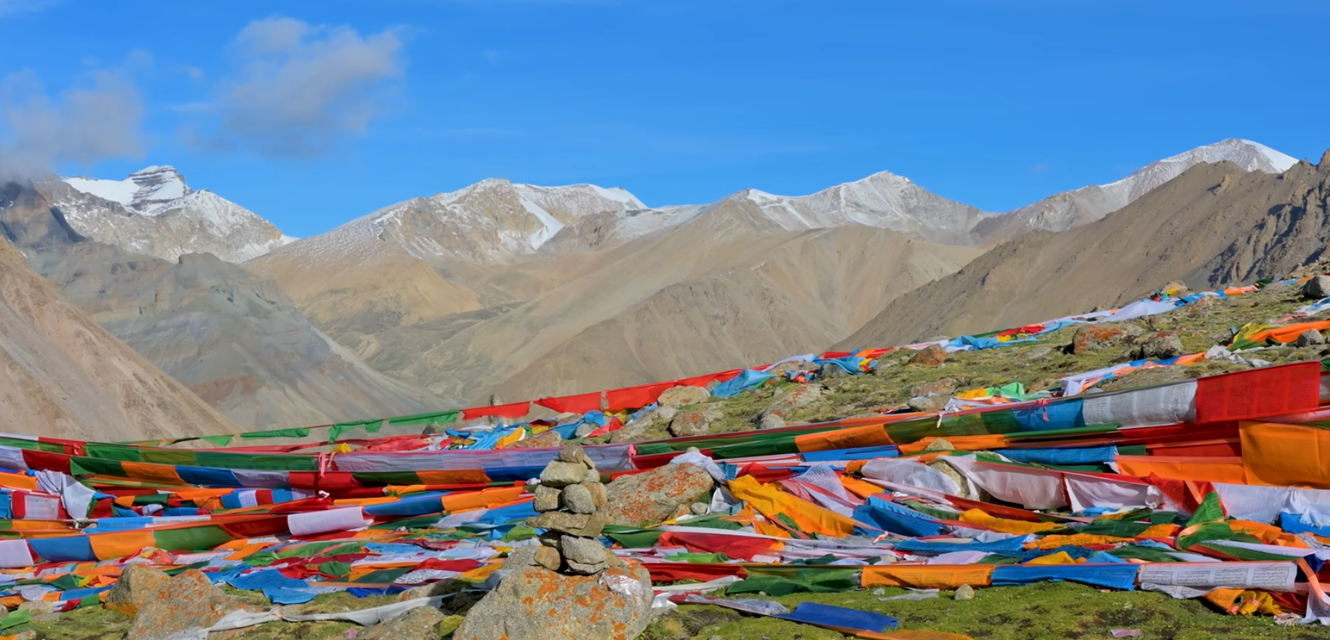
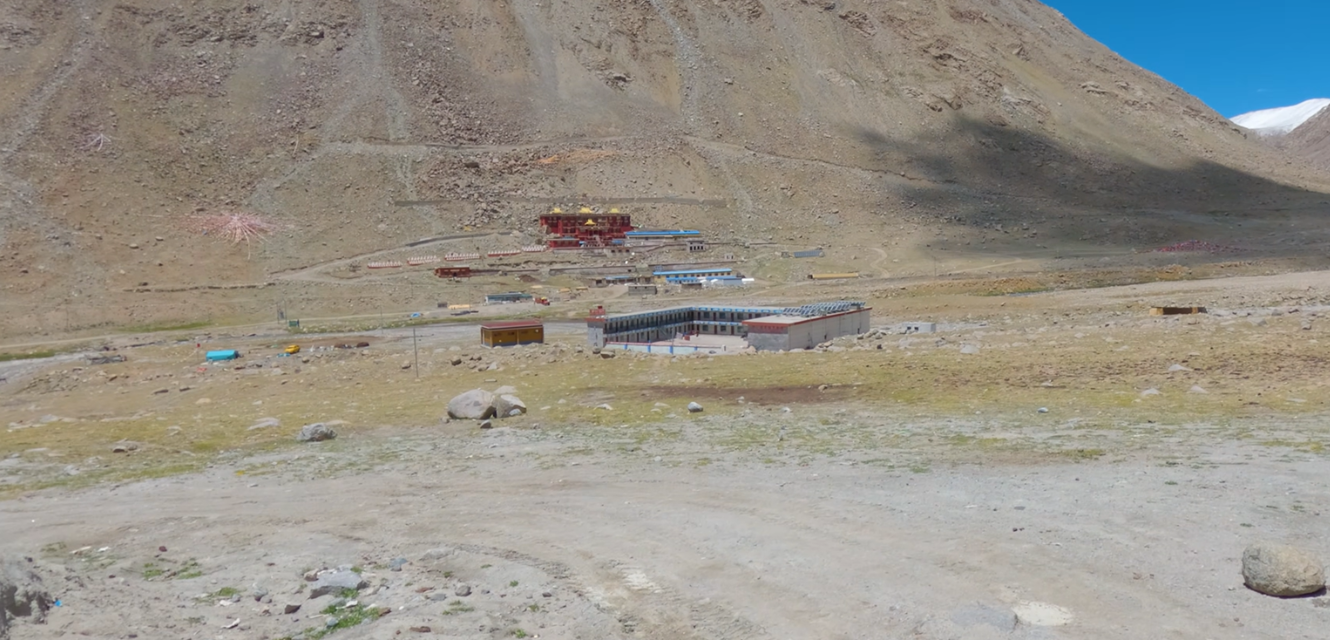
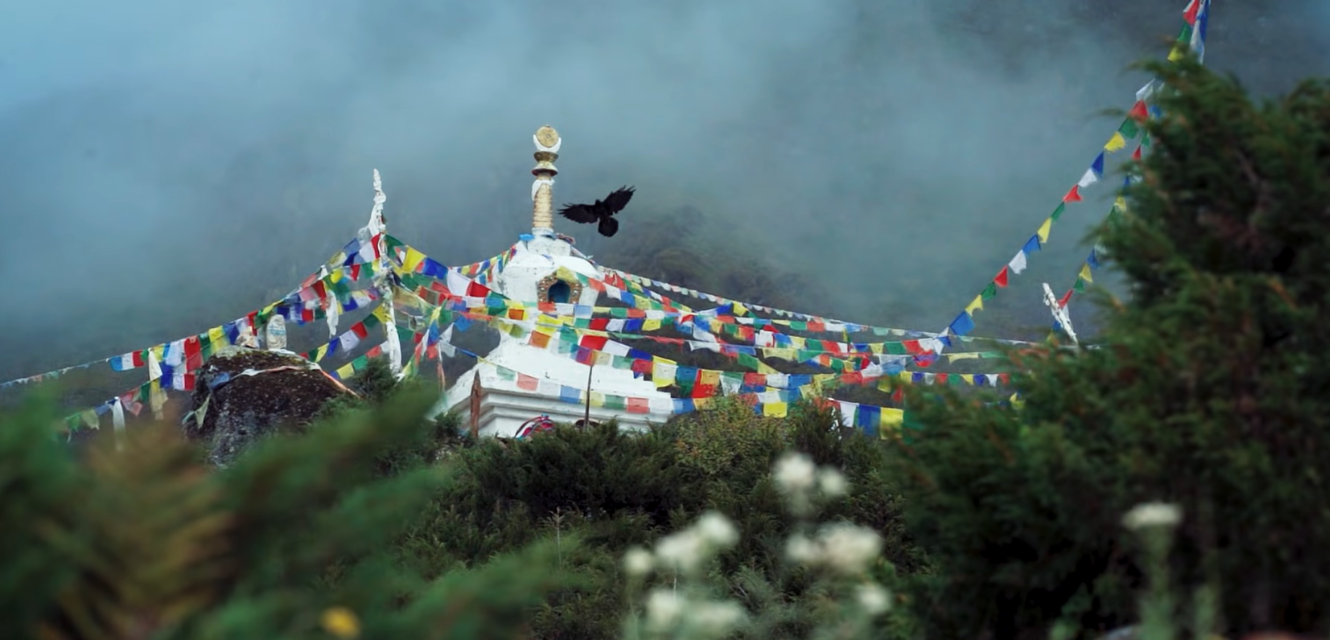
Once inside Tibet, the cultural landscape becomes deeply spiritual. Tibetan Buddhism is the dominant faith, and travelers will encounter monasteries, prayer flags, mani walls, chortens, and nomadic yak herders across the plateau.
Mount Kailash is regarded as one of the most sacred mountains in the world:
Hindus believe it is the abode of Lord Shiva
Buddhists consider it the residence of Demchok
Jains associate it with liberation of their first Tirthankara
Bon followers regard it as the spiritual center of the universe
Pilgrims from across Asia perform the Kailash Kora as an act of devotion, purification, and spiritual awakening.