Helicopter Tours In Nepal · Everest Region
Everest Base Camp Trek with Heli Return
- Duration13 Days
- DifficultyModerate
- Max altitude5,545 m
- Group size17 People
- Best seasonSEP-NOV, MAR-MAY
- Start / finishKathmandu
Trip overview
The Everest Base Camp Trek with Helicopter Return via Lukla is a rewarding Himalayan adventure that combines Nepal’s most iconic trekking route with a scenic helicopter flight from the Everest region. Designed for travelers seeking the complete Everest Base Camp experience while reducing the lengthy return journey, this itinerary offers the perfect balance of adventure, comfort, and efficiency.
The journey begins with a scenic flight from Kathmandu to Lukla and follows the legendary Everest trail through the heart of the Khumbu region. Trekkers pass traditional Sherpa villages, suspension bridges, ancient monasteries, and breathtaking mountain landscapes before reaching Everest Base Camp at the foot of the world’s highest mountain.
Highlights of the trek include acclimatization in Namche Bazaar and Dingboche, a visit to Tengboche Monastery, and unforgettable views of Mount Everest, Lhotse, Nuptse, Ama Dablam, and numerous Himalayan peaks. After reaching Everest Base Camp and Gorakshep, travelers enjoy a spectacular helicopter flight back to Lukla, offering extraordinary aerial views of the Khumbu Glacier, Everest Base Camp, and surrounding mountains. From Lukla, a scheduled flight returns to Kathmandu.
This itinerary is ideal for trekkers who wish to experience the full Everest Base Camp route while saving valuable time and avoiding the multi-day descent back through the Khumbu Valley.
Geography and Landscape
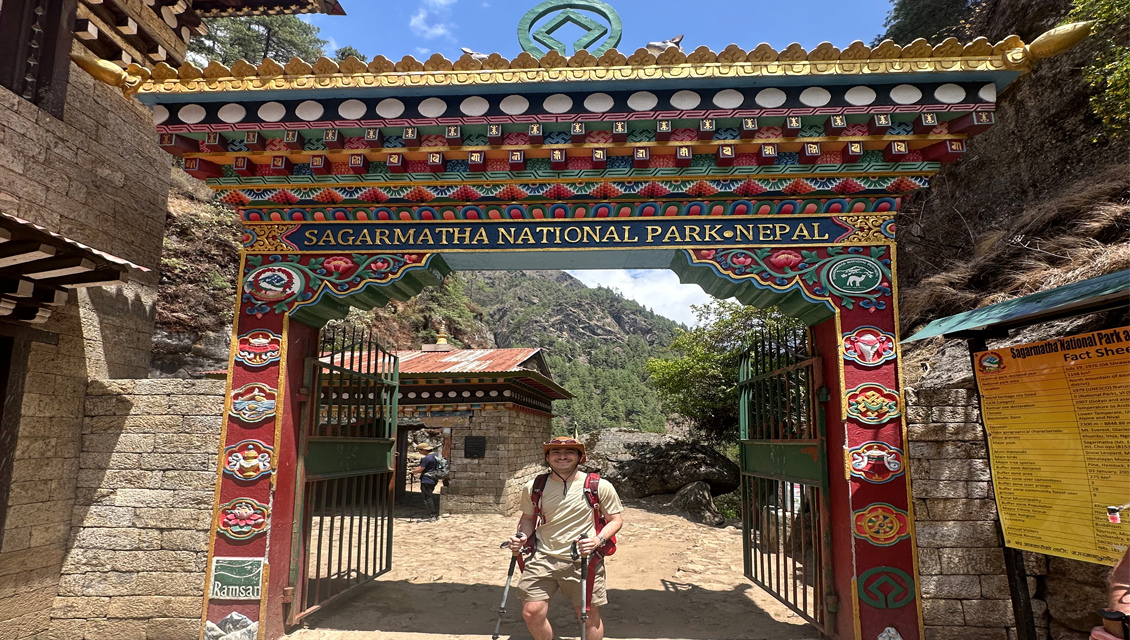
The trek takes place in the Khumbu region of northeastern Nepal within Sagarmatha National Park, a UNESCO World Heritage Site renowned for its exceptional mountain scenery and cultural significance.
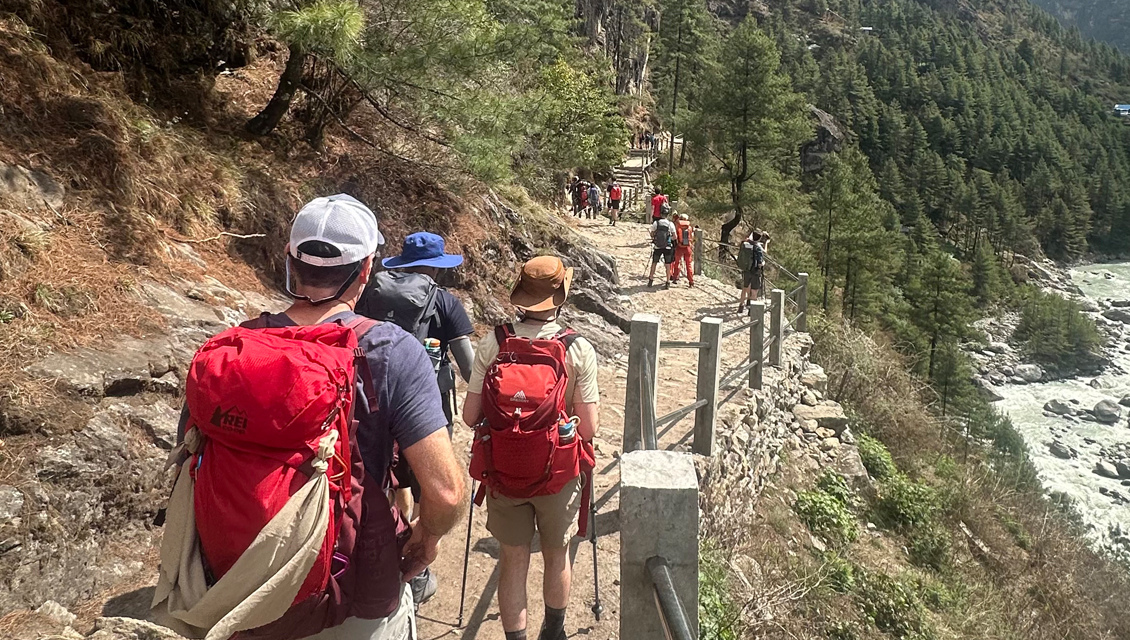
Beginning in Lukla, the trail follows the Dudh Koshi River through lush forests of pine, fir, and rhododendron before gradually ascending into alpine and glacial terrain. The route passes through famous settlements including Phakding, Namche Bazaar, Tengboche, Dingboche, Lobuche, and Gorakshep.
The landscape evolves dramatically as altitude increases, from green valleys and cultivated terraces to rugged mountain ridges, glacial moraines, and ice-covered terrain. Everest Base Camp sits beside the Khumbu Glacier and the spectacular Khumbu Icefall, while surrounding peaks create one of the most impressive mountain panoramas anywhere in the world.
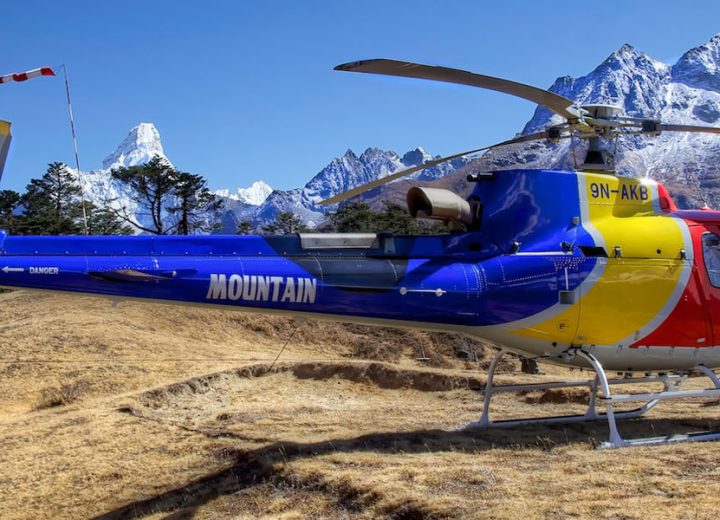
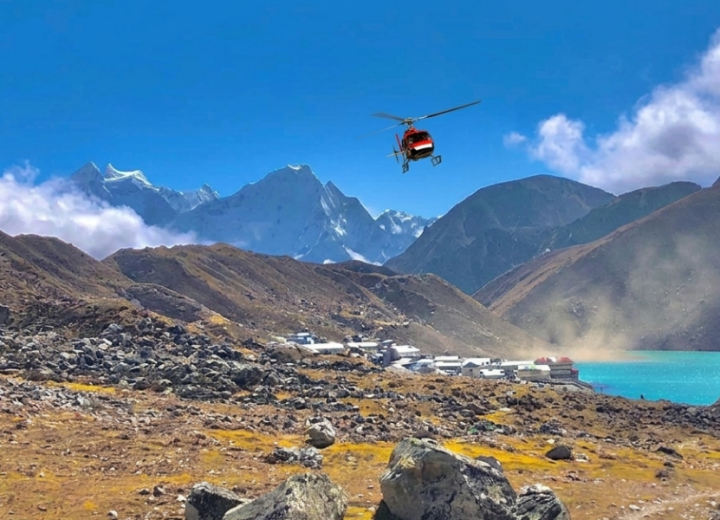
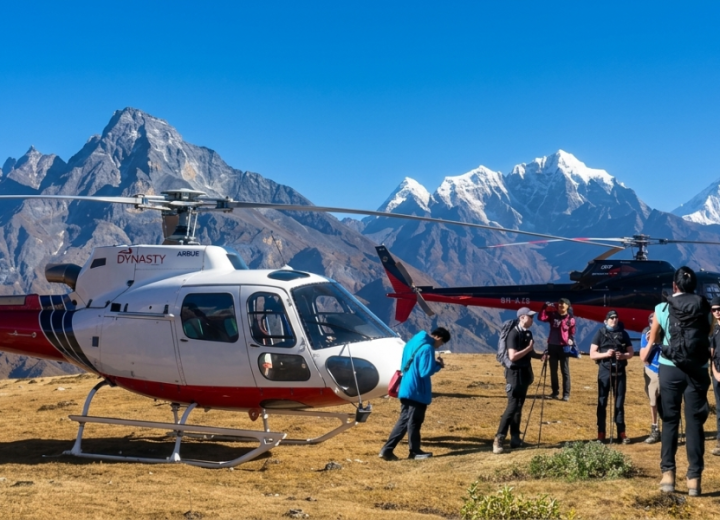
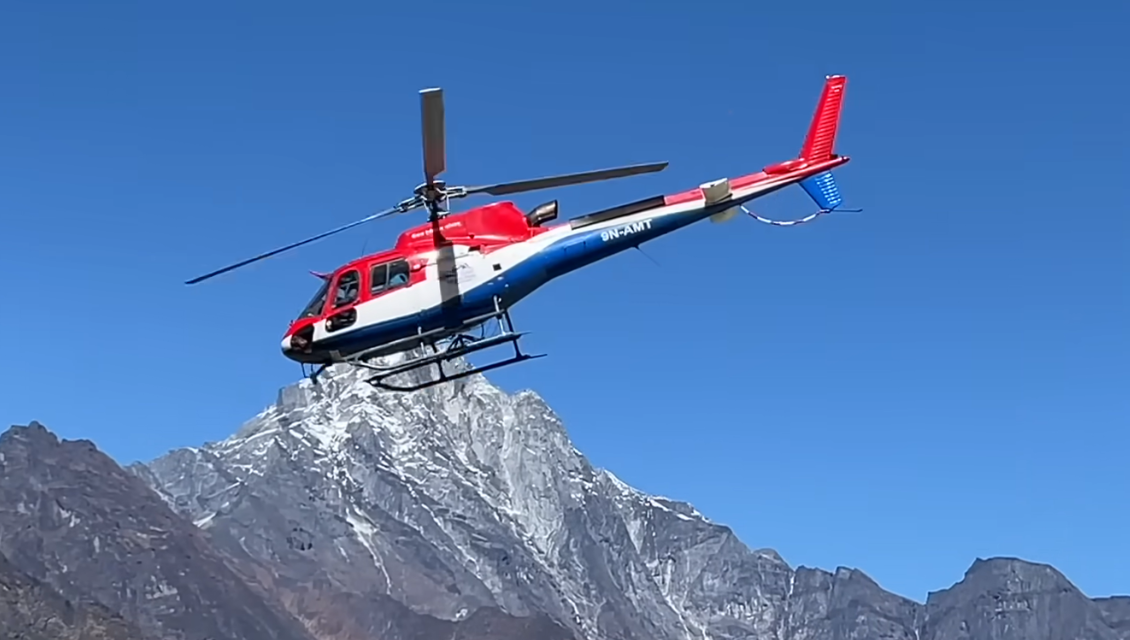
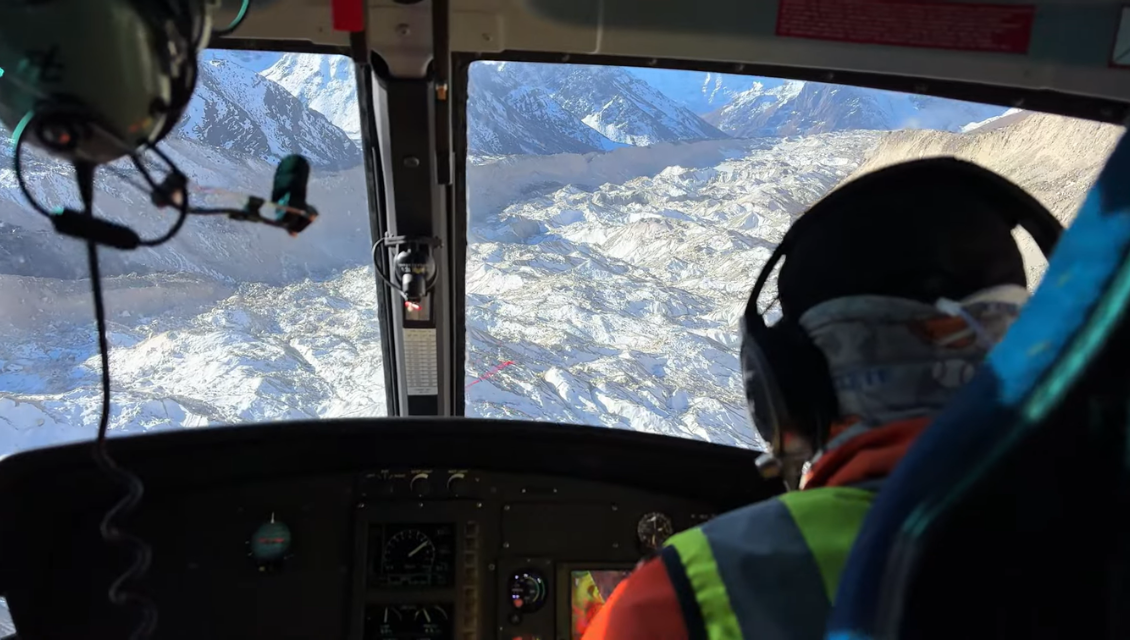
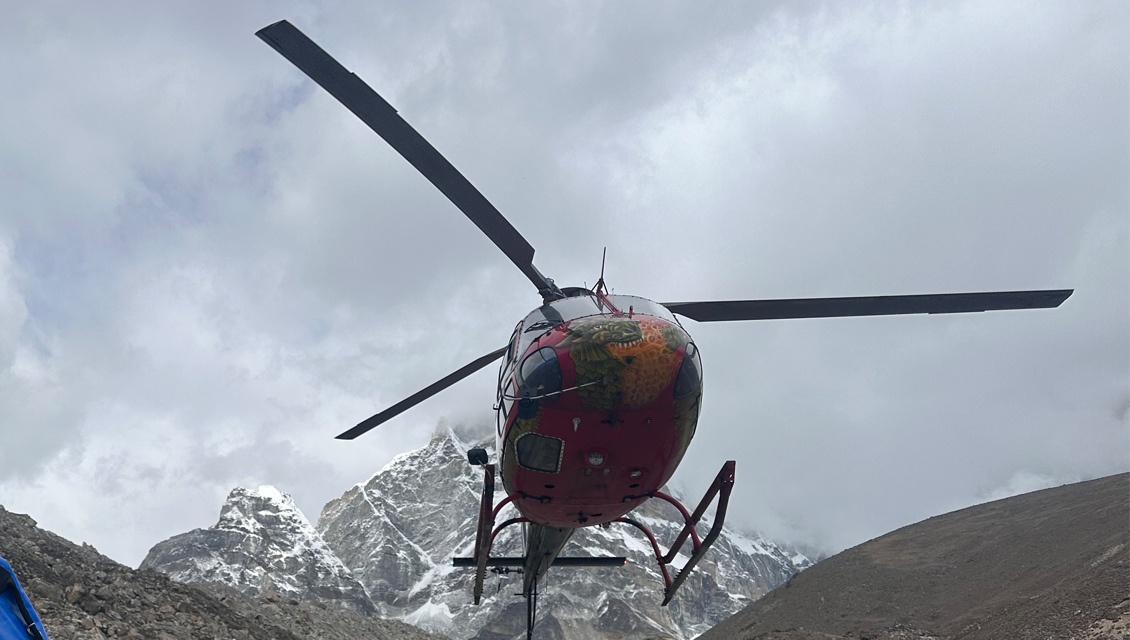
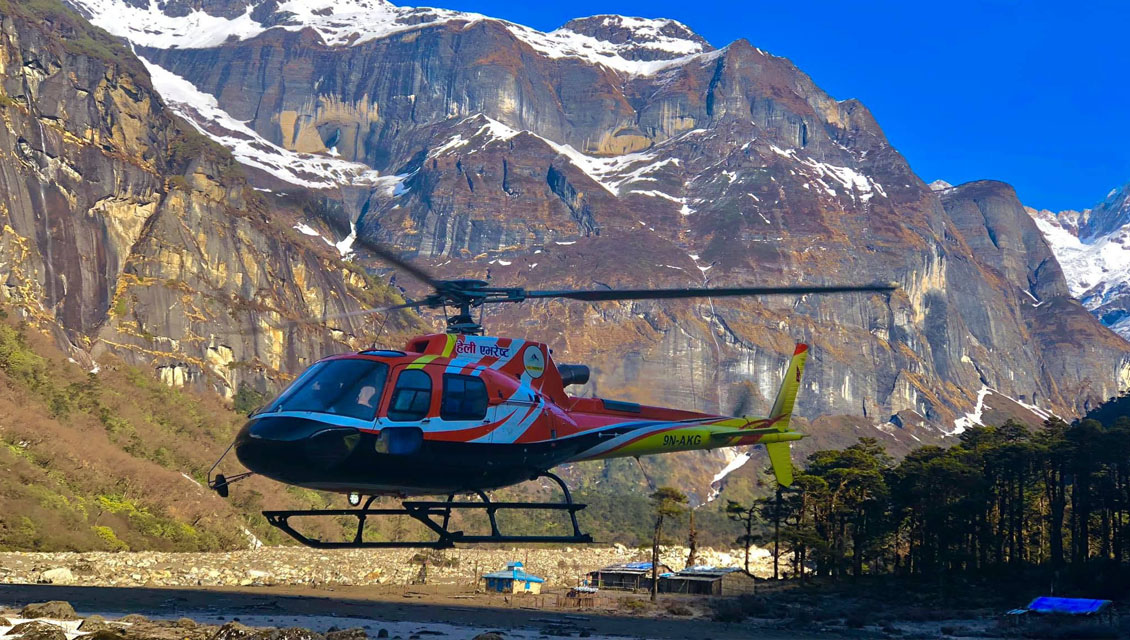
The helicopter flight from Gorakshep provides an unforgettable aerial perspective of the Khumbu Glacier, Everest Base Camp, deep valleys, and towering Himalayan summits before returning to Lukla.
Climate and Best Time to Trek
The best seasons for the Everest Base Camp Trek with Helicopter Return are spring (March to May) and autumn (September to November).
Spring offers comfortable temperatures, blooming rhododendron forests, and excellent trekking conditions. The Everest region is particularly vibrant during the climbing season, with expedition teams gathering for Everest ascents.
Autumn is widely regarded as the best trekking season due to stable weather, dry trails, and exceptionally clear mountain views following the monsoon rains.
Winter (December to February) provides quieter trails and outstanding visibility but colder temperatures at higher elevations. The monsoon season (June to August) brings rainfall, cloud cover, and occasional flight delays, making it less suitable for trekking.
People and Culture
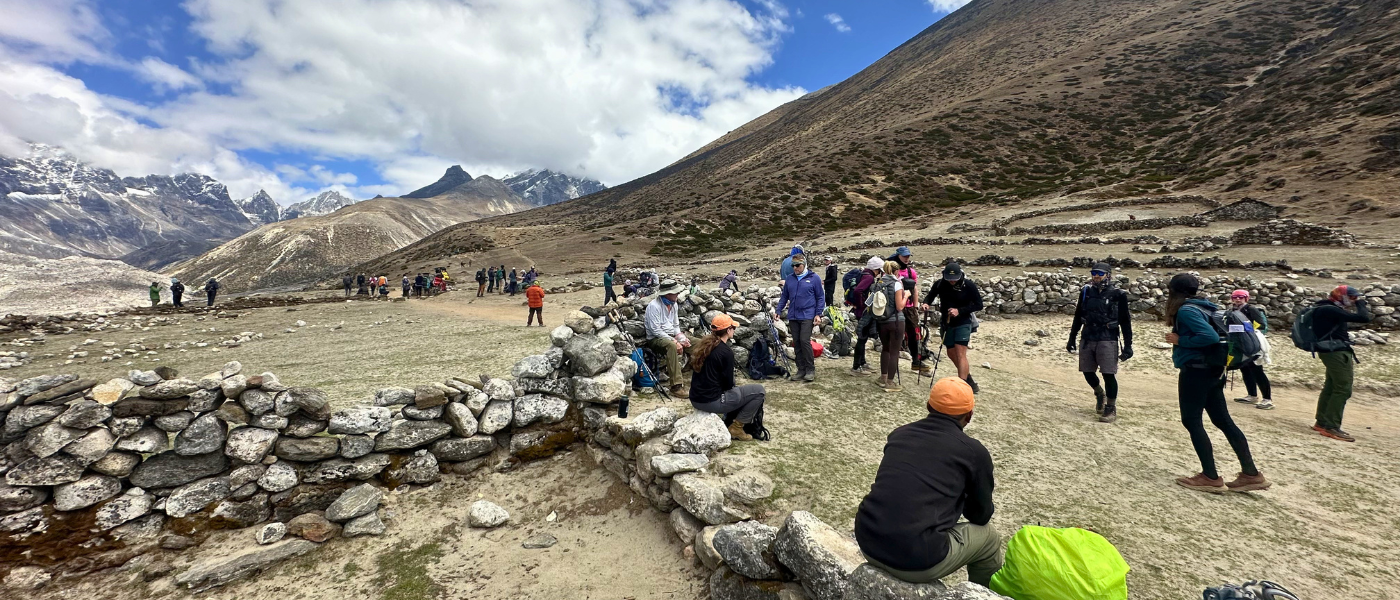
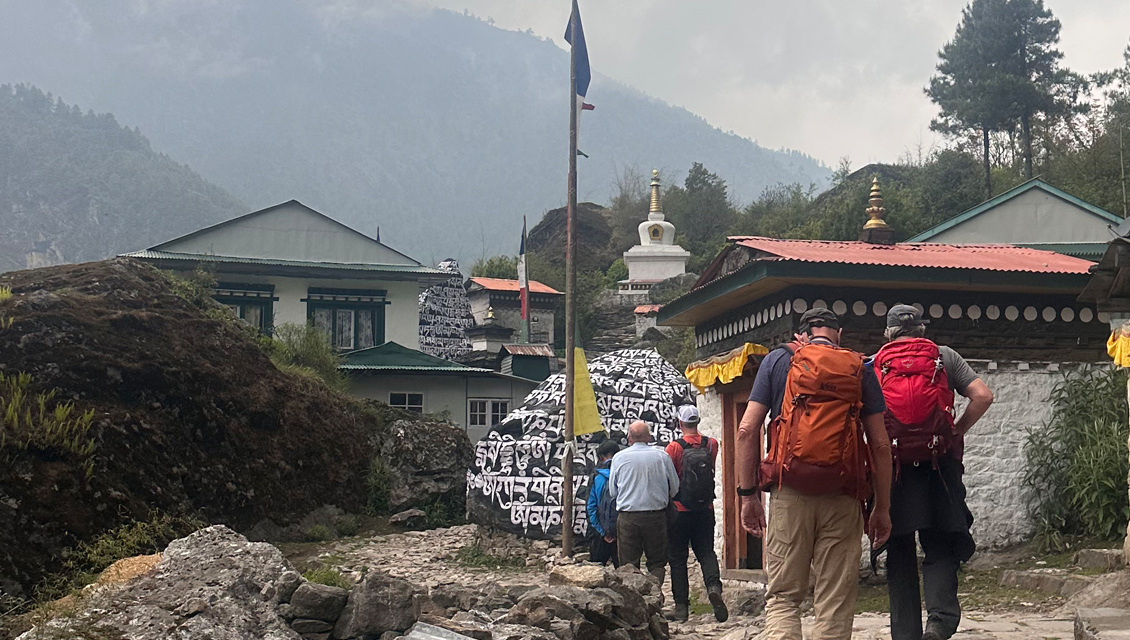
The Everest region is home to the Sherpa people, renowned worldwide for their mountaineering skills, hospitality, and rich cultural heritage. Deeply influenced by Tibetan Buddhism, the region is adorned with prayer flags, mani walls, chortens, and monasteries that reflect centuries of spiritual tradition.
Throughout the trek, visitors experience authentic Sherpa culture in villages such as Namche Bazaar, Tengboche, Dingboche, and Pangboche. Tengboche Monastery, the spiritual center of the Khumbu region, offers a remarkable insight into Buddhist traditions while surrounded by breathtaking Himalayan scenery.
The combination of Sherpa hospitality, Buddhist culture, and dramatic mountain landscapes creates one of the most enriching trekking experiences in Nepal.
Highlights
- Scenic mountain flights between Kathmandu and Lukla
- Trek through Sagarmatha National Park
- Explore Namche Bazaar, the gateway to Everest
- Visit the historic Tengboche Monastery
- Acclimatization days for a safer trekking experience
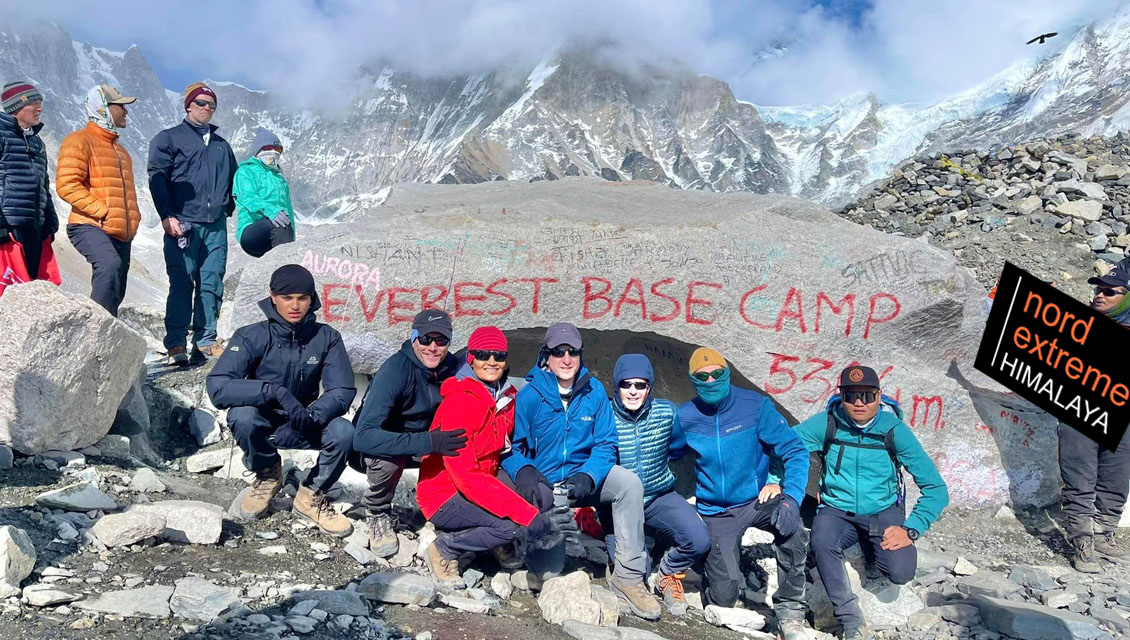
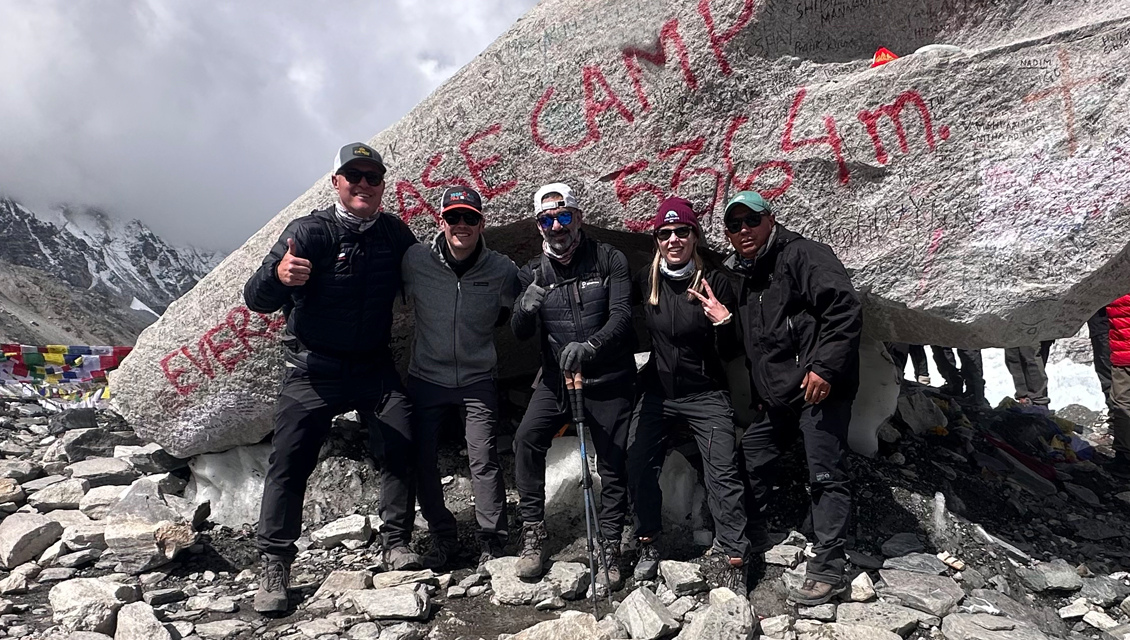
- Reach Everest Base Camp (5,364 m)
- Optional sunrise hike to Kala Patthar (5,545 m)
- Spectacular helicopter return from Gorakshep to Lukla
- Panoramic aerial views of Everest, Lhotse, Nuptse, Ama Dablam, and the Khumbu Glacier
- Perfect combination of classic trekking and time-saving helicopter travel
Day-by-day itinerary
-
Upon arrival at Tribhuvan International Airport, meet our representative and transfer to your hotel. After check-in, enjoy a trip briefing and preparation for your Everest adventure.
Accomadation: Hotel
Place to visit: Nepal
Meals: Dinner
-
Today is reserved for permit arrangements, equipment checks, and a detailed trek briefing with your guide. The remainder of the day is free to explore Kathmandu or relax at your hotel.
Accomadation: Hotel
Place to visit: Nepal
Meals: Breakfast
-
Walking Duration: 3–4 Hours
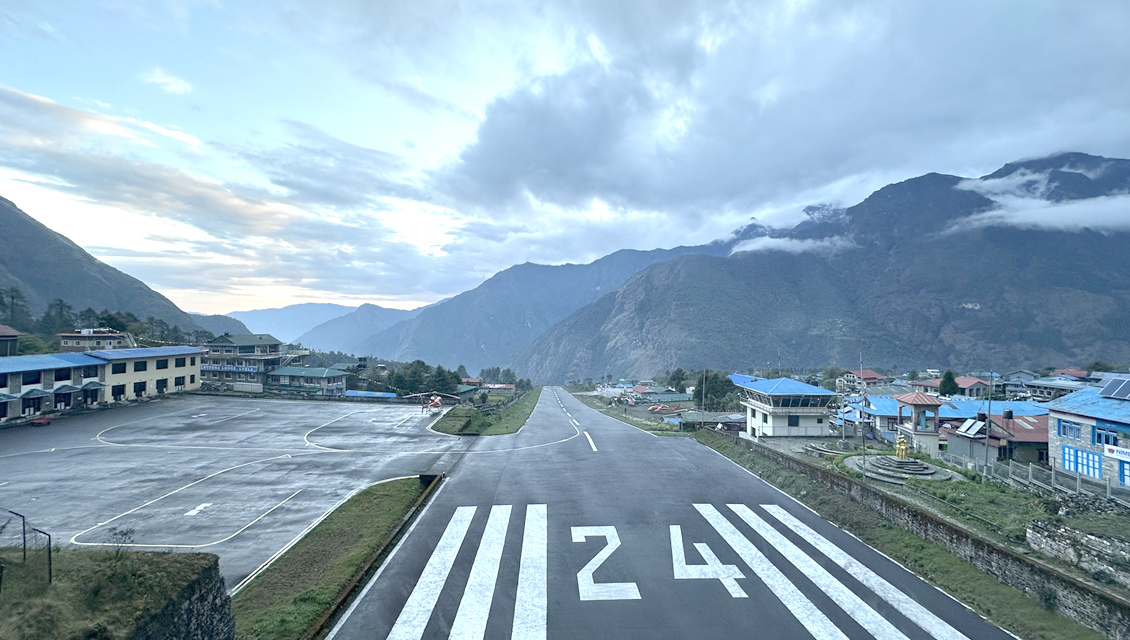
Take an early morning scenic flight to Lukla, the gateway to the Everest region. Meet the trekking crew and begin a gentle walk through Sherpa villages and pine forests to Phakding.
Accomadation: Tea House
Place to visit: Everest Region
Meals: Breakfast Lunch Dinner
-
Walking Duration: 5–6 Hours
Follow the Dudh Koshi River, crossing several suspension bridges before entering Sagarmatha National Park. Continue the climb to Namche Bazaar, the vibrant hub of the Khumbu region.
Accomadation: Tea House
Place to visit: Everest Region
Meals: Breakfast Lunch Dinner
-
Walking Duration: 3–4 Hours
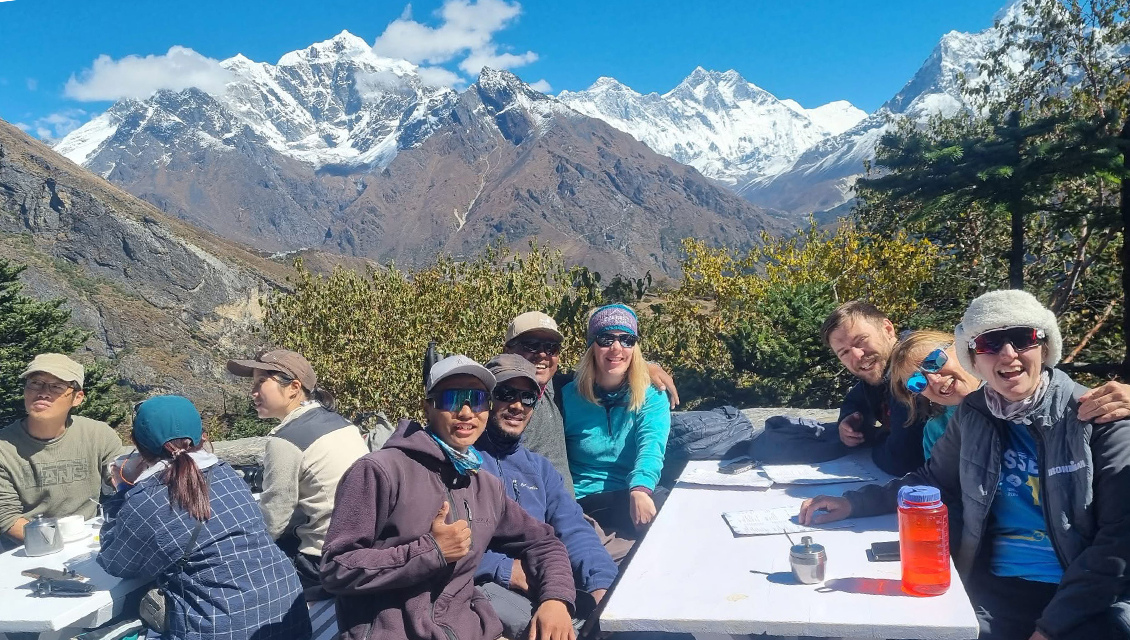
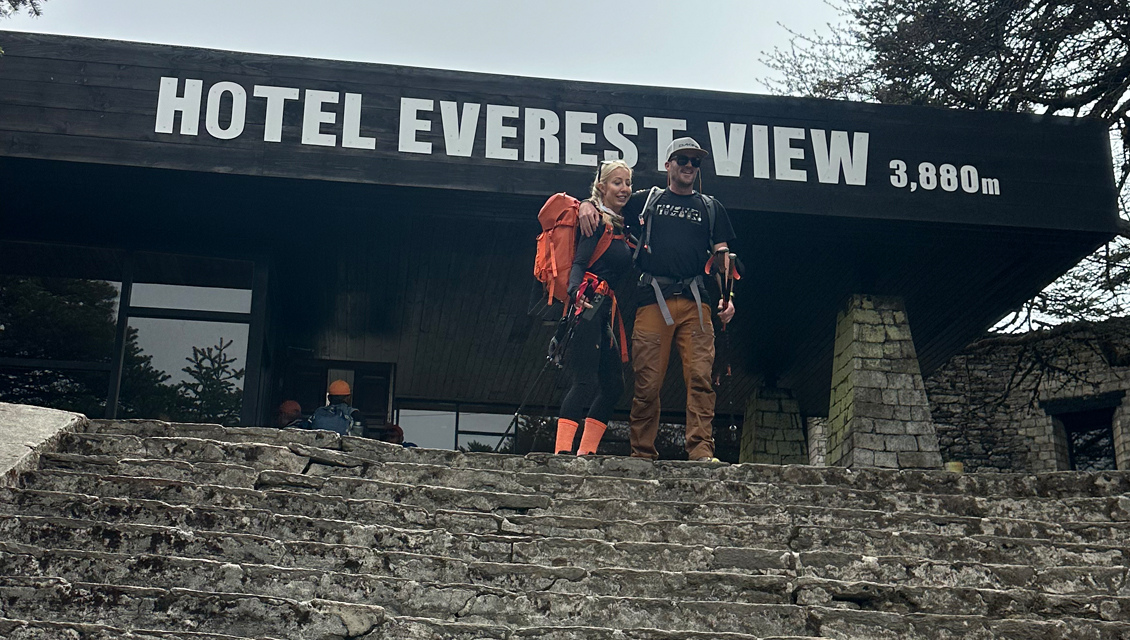
To aid acclimatization, hike to the Everest View area or nearby viewpoints for panoramic views of Everest, Lhotse, Ama Dablam, and surrounding peaks. Return to Namche for overnight stay.
Accomadation: Tea House
Place to visit: Everest Region
Meals: Breakfast Lunch Dinner
-
Walking Duration: 5–6 Hours
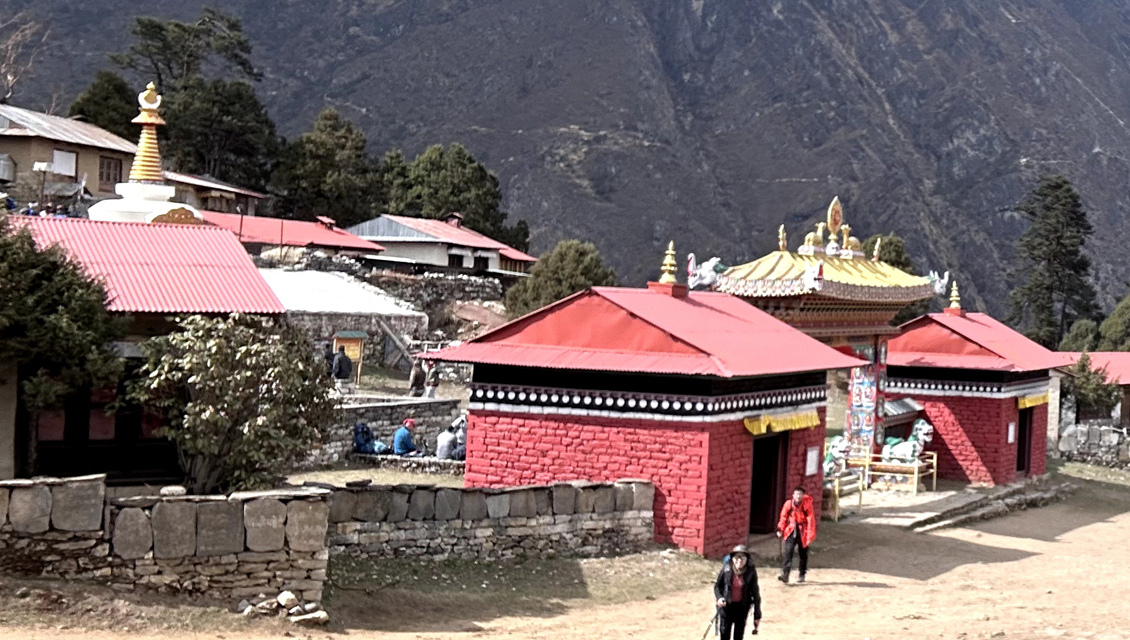
Enjoy one of the most scenic sections of the trek with magnificent mountain views. Visit the famous Tengboche Monastery, the spiritual center of the Everest region.
Accomadation: Tea House
Place to visit: Everest Region
Meals: Breakfast Lunch Dinner
-
Walking Duration: 5–6 Hours
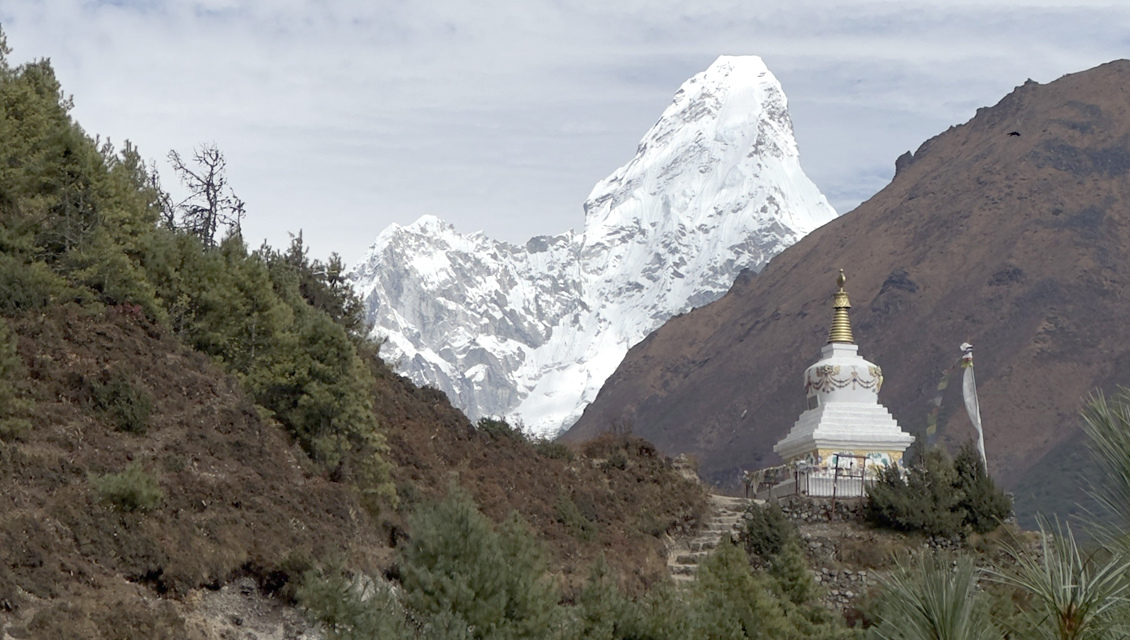
The trail ascends through Pangboche and beautiful alpine landscapes, offering stunning views of Ama Dablam and the surrounding Himalayan peaks.
Accomadation: Tea House
Place to visit: Everest Region
Meals: Breakfast Lunch Dinner
-
Walking Duration: 3–4 Hours
An important acclimatization day. Hike to Nangkartshang Hill or nearby viewpoints for spectacular mountain panoramas before returning to Dingboche.
Accomadation: Tea House
Place to visit: Everest Region
Meals: Breakfast Lunch Dinner
-
Walking Duration: 5–6 Hours
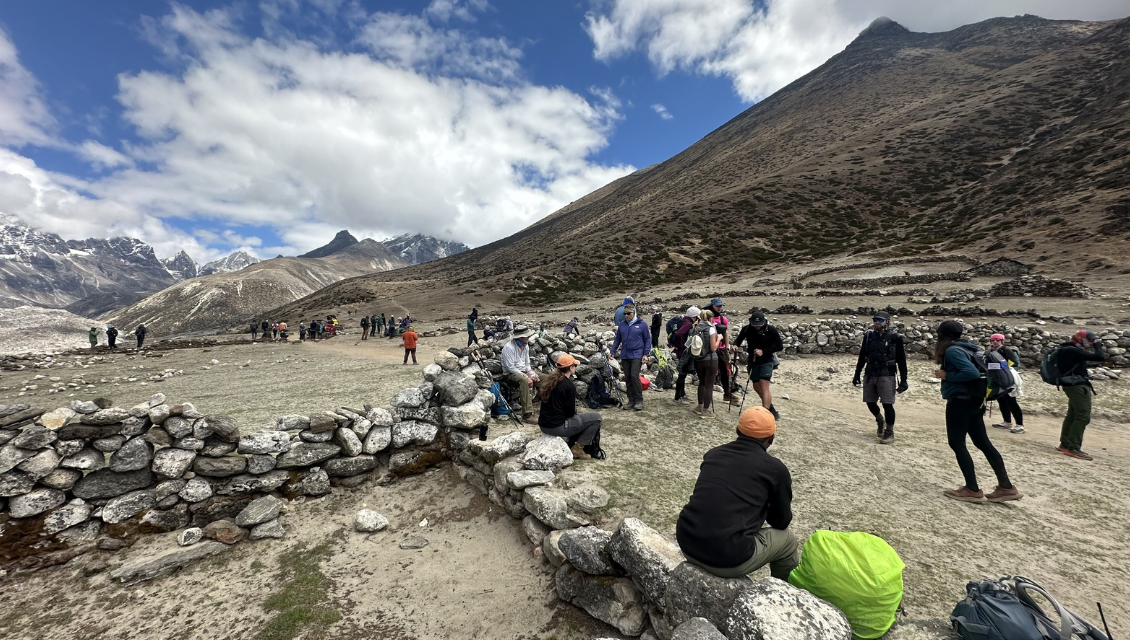
Continue through the upper Khumbu Valley, passing memorials dedicated to climbers who lost their lives on Everest expeditions. Arrive at Lobuche beneath towering Himalayan peaks.
Accomadation: Tea House
Place to visit: Everest Region
Meals: Breakfast Lunch Dinner
-
Walking Duration: 7–8 Hours
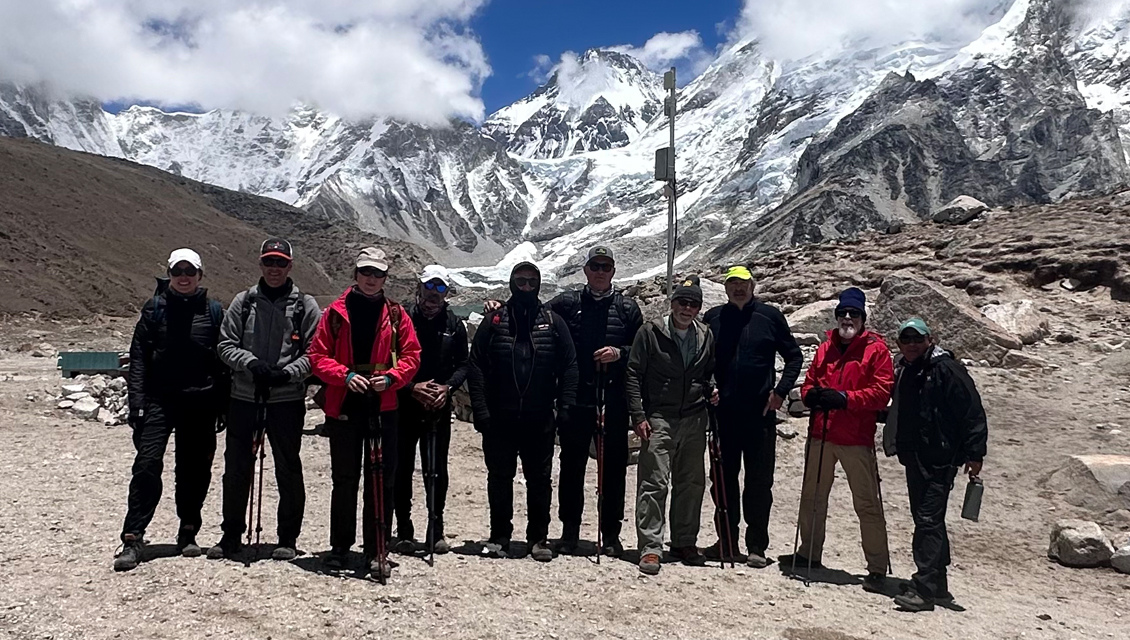
Trek alongside the Khumbu Glacier to Gorakshep. After a short rest, continue to Everest Base Camp, the ultimate destination of the trek. Return to Gorakshep for overnight stay.
Accomadation: Tea House
Place to visit: Everest Region
Meals: Breakfast Lunch Dinner
-
Early morning optional hike to Kala Patthar (5,545 m), the best viewpoint for sunrise over Mount Everest and surrounding peaks. Return to Gorakshep and board a helicopter flight to Lukla, enjoying spectacular aerial views of Everest Base Camp, the Khumbu Glacier, and the Himalayan range.
Accomadation: Hotel
Place to visit: Everest Region
Meals: Breakfast Lunch Dinner
-
Take a scheduled morning flight from Lukla to Kathmandu. Upon arrival, transfer to your hotel and enjoy a free afternoon for relaxation, shopping, or sightseeing.
Accomadation: Hotel
Place to visit: Nepal
Meals: Breakfast Lunch Dinner
-
After breakfast, transfer to Tribhuvan International Airport for your onward flight.
Place to visit: Nepal
Meals: Breakfast
What’s included
Cost includes
Transportation
- Private tourist vehicles for airport pick-up and drop-off in Kathmandu
- All necessary ground transfers as per itinerary
- Kathmandu–Lukla–Kathmandu scheduled domestic flights
- Helicopter transfer from Everest region (Gorakshep area) to Lukla as per itinerary
Accommodation & Meals
- 3 nights 3-star hotel accommodation in Kathmandu (bed & breakfast)
- Comfortable teahouse/lodge accommodation during trekking
- Full-board meals (Breakfast, Lunch & Dinner) during trek
- Tea and coffee during trekking days
Permits
- Sagarmatha National Park Entry Permit
- Khumbu Pasang Lhamu Rural Municipality Entry Permit
- TIMS Card (if required)
Guide & Staff Services
- Experienced licensed English-speaking trekking guide
- Porter service (1 porter for 2 trekkers basis)
- Guide and porter salary, insurance, meals, and equipment
- First aid medical kit carried by guide
Cost excludes
International Flights
- Airfare from home country to Nepal (Kathmandu)
- Return international flight from Nepal to home country
Visa Fees
- Nepal entry visa fee (payable on arrival or at embassy)
Travel Insurance (Mandatory)
- High-altitude trekking coverage (up to 6,000 m)
- Emergency helicopter evacuation
- Medical treatment and hospitalization coverage
- Trip cancellation and unforeseen events
Personal Expenses
- Personal trekking equipment (boots, clothing, sleeping bag, etc.)
- Tips for guide and porter
- Wi-Fi, hot showers, charging, and laundry during trek
- Personal snacks, drinks, bottled water, and beverages
- Souvenirs and personal shopping
Meals & Beverages
- Lunch and dinner in Kathmandu (outside trekking package inclusions)
- Alcoholic drinks, soft drinks, bottled water, and extra snacks not included in set meals
Photos & video
Dates & prices
Private departures run on any date. Pick the start date that suits you and we will build the trip around it — same price, your own guide and team.
Good to know
Essential information
Accommodation
Accommodation is provided in comfortable teahouses and mountain lodges throughout the trek.
Lower-elevation settlements such as Lukla, Phakding, and Namche Bazaar offer relatively well-developed facilities with comfortable rooms and dining areas. Higher-altitude villages including Dingboche, Lobuche, and Gorakshep provide more basic but clean and comfortable mountain accommodation suitable for trekking conditions.
Meals
A full-board meal plan (Breakfast, Lunch, and Dinner) is provided during the trekking portion of the itinerary.
Typical meals include:
- Traditional Nepali Dal Bhat
- Soups, noodles, pasta, and fried rice
- Potatoes, eggs, bread, and pancakes
- Tea, coffee, and hot beverages
- Seasonal vegetables and local specialties
Meals are prepared fresh daily to support energy requirements at altitude.
Difficulty & Physical Requirements
This trek is considered moderate to strenuous and is suitable for trekkers with a good level of fitness.
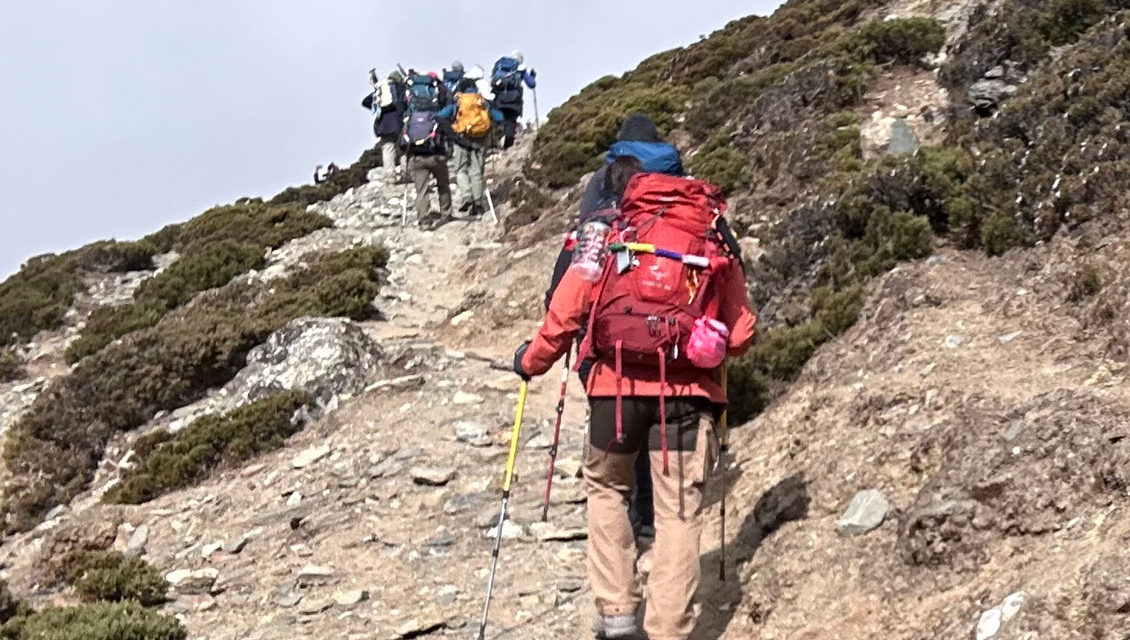
Daily walking durations generally range from 5 to 8 hours, with gradual altitude gain throughout the journey. The highest overnight point is Gorakshep (5,164 m), while Everest Base Camp reaches 5,364 m.
Proper acclimatization and a steady trekking pace are essential for a safe and enjoyable experience.
Permits
Required permits include:
- Sagarmatha National Park Entry Permit
- Khumbu Pasang Lhamu Rural Municipality Permit
- TIMS Card (if applicable)
All permits are arranged before the trek begins.
Best Season
- Spring (March–May): Rhododendron blooms and stable weather
- Autumn (September–November): Clear skies and excellent visibility
- Winter (December–February): Quiet trails and colder temperatures
- Monsoon (June–August): Rainfall and possible flight disruptions
Transportation & Access
The journey begins with a scheduled flight from Kathmandu to Lukla.
Route:
Kathmandu → Lukla → Phakding → Namche Bazaar → Tengboche → Dingboche → Lobuche → Gorakshep → Everest Base Camp
After completing the trek, a helicopter flight returns guests from Gorakshep to Lukla, followed by a scheduled flight back to Kathmandu.
Safety & Acclimatization
The itinerary includes dedicated acclimatization days in Namche Bazaar and Dingboche to minimize the risk of altitude sickness.
Professional guides monitor trekkers' health and ensure safe altitude progression throughout the journey. Emergency helicopter evacuation services are available if required.
Travel Insurance
Comprehensive travel insurance is mandatory and should include:
- High-altitude trekking coverage up to 6,000 m
- Emergency helicopter evacuation
- Medical treatment and hospitalization
- Accident and trip interruption coverage
Guide & Porter Services
Experienced licensed trekking guides accompany the group throughout the trek. Porters assist with luggage transportation, allowing trekkers to travel comfortably with a lightweight daypack.
Essential Equipment
Recommended gear includes:
- Trekking boots
- Warm layered clothing
- Down jacket
- Waterproof outerwear
- Gloves, hat, and sunglasses
- Trekking poles
- Personal first aid kit
- Daypack and water bottles
Communication & Connectivity
Mobile network coverage is available in most lower villages, while Wi-Fi services are offered at many lodges for an additional fee. Connectivity becomes more limited at higher elevations but remains available in key settlements.
Why Choose the Everest Base Camp Trek with Helicopter Return?
- Complete trekking experience to Everest Base Camp
- Scenic helicopter flight from Gorakshep to Lukla
- Saves several days of return trekking
- Spectacular aerial views of Everest Base Camp and the Khumbu Glacier
- Ideal for travelers with limited time
- Excellent acclimatization schedule for safer trekking
- Combination of adventure, comfort, and convenience
- Professional guides and full logistical support
- One of the most rewarding ways to experience the Everest region
Keep exploring