Wildlife Safari in Nepal · Nepal
Parsa National Park Safari Tour
- Duration4 Days
- DifficultyModerate
- Max altitude1400m
- Group size17 People
- Best seasonSEP-NOV, MAR-MAY
- Start / finishKathmandu
Trip overview
The Parsa National Park 4 Days / 3 Nights Safari Tour is one of Nepal’s most underrated and least explored jungle experiences, offering a true off-the-beaten-path wildlife adventure in the central–southern Terai region. Located close to Chitwan but significantly less crowded, Parsa provides a raw and authentic jungle environment ideal for travelers seeking solitude, nature immersion, and rare wildlife encounters.
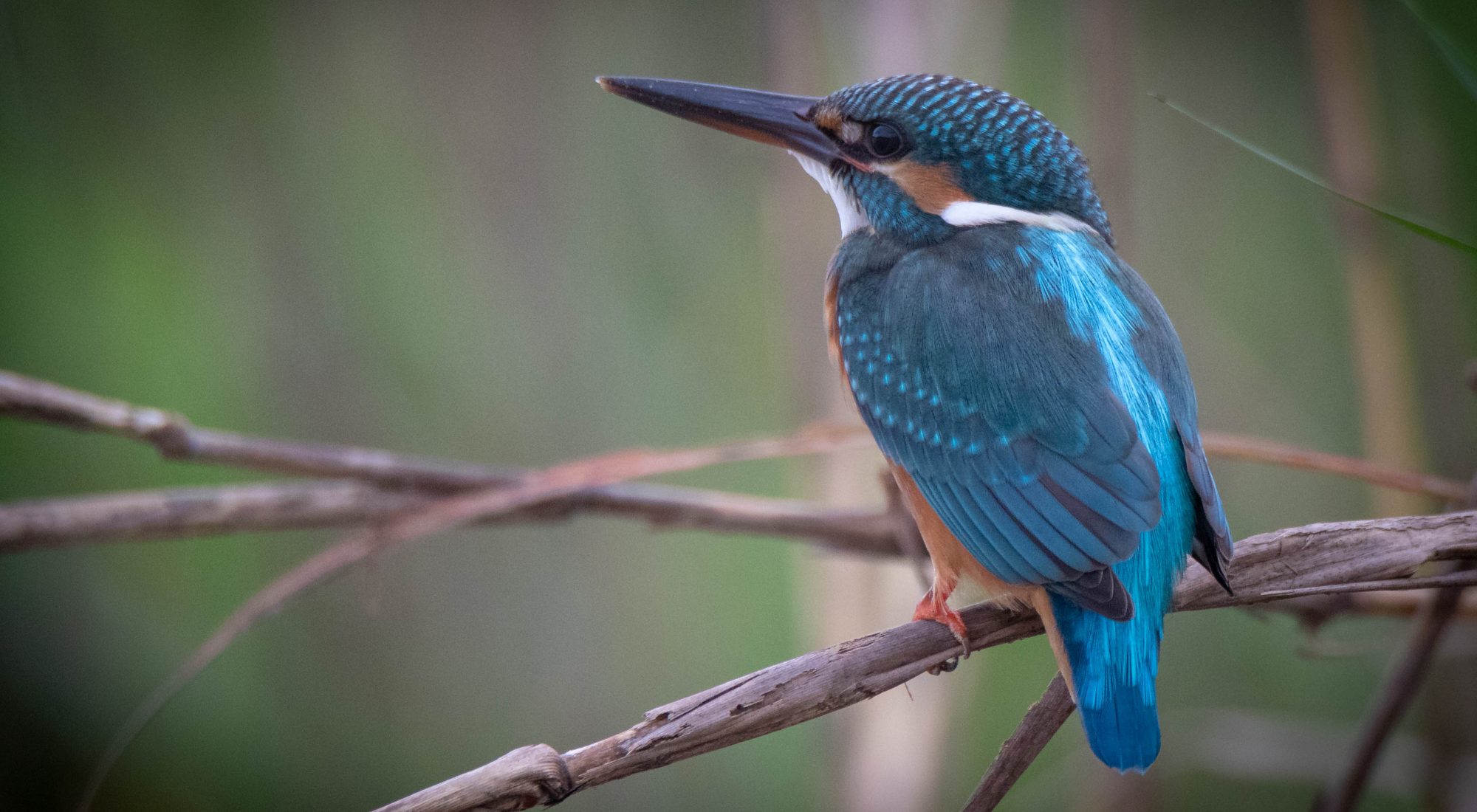
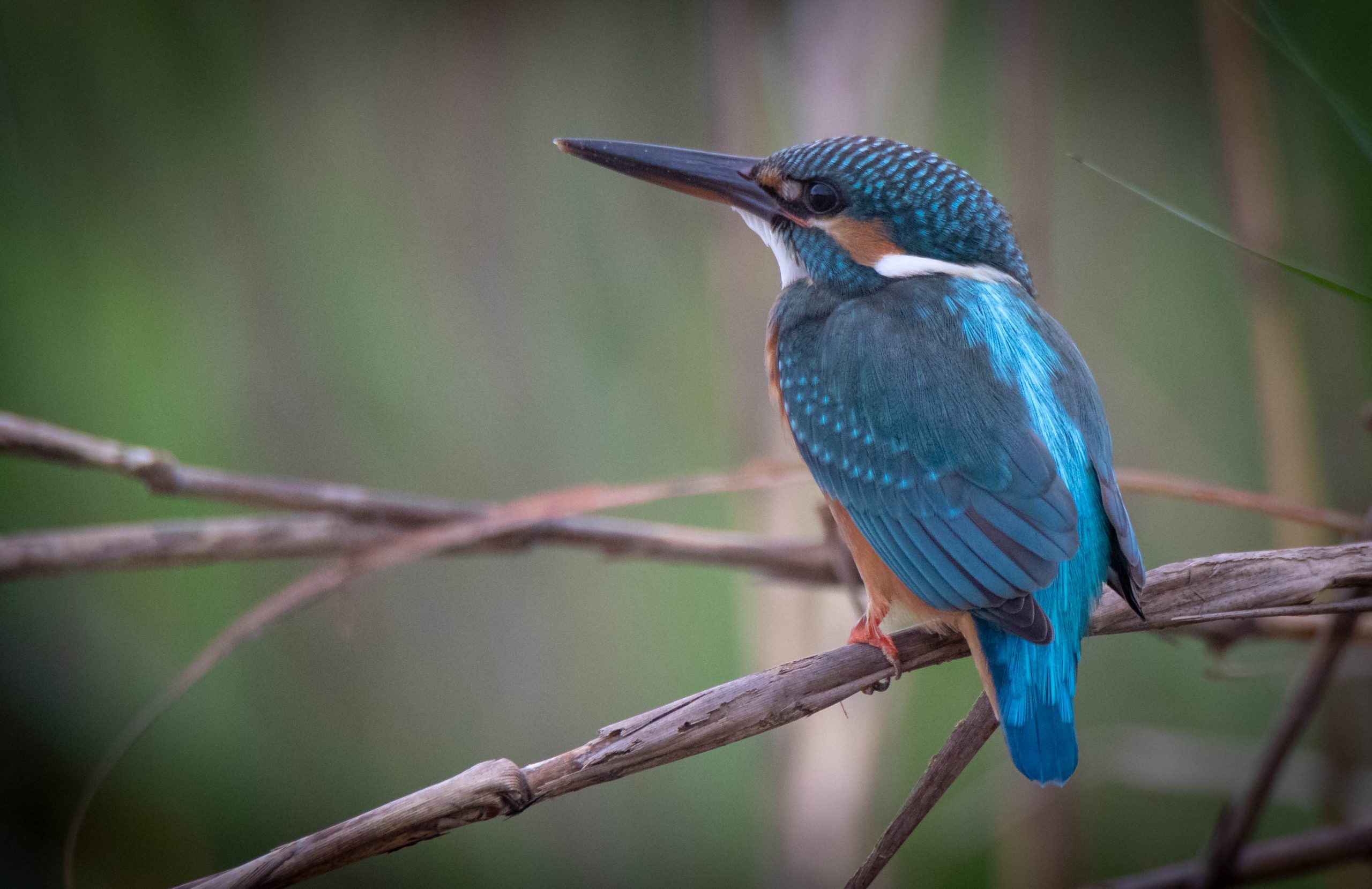
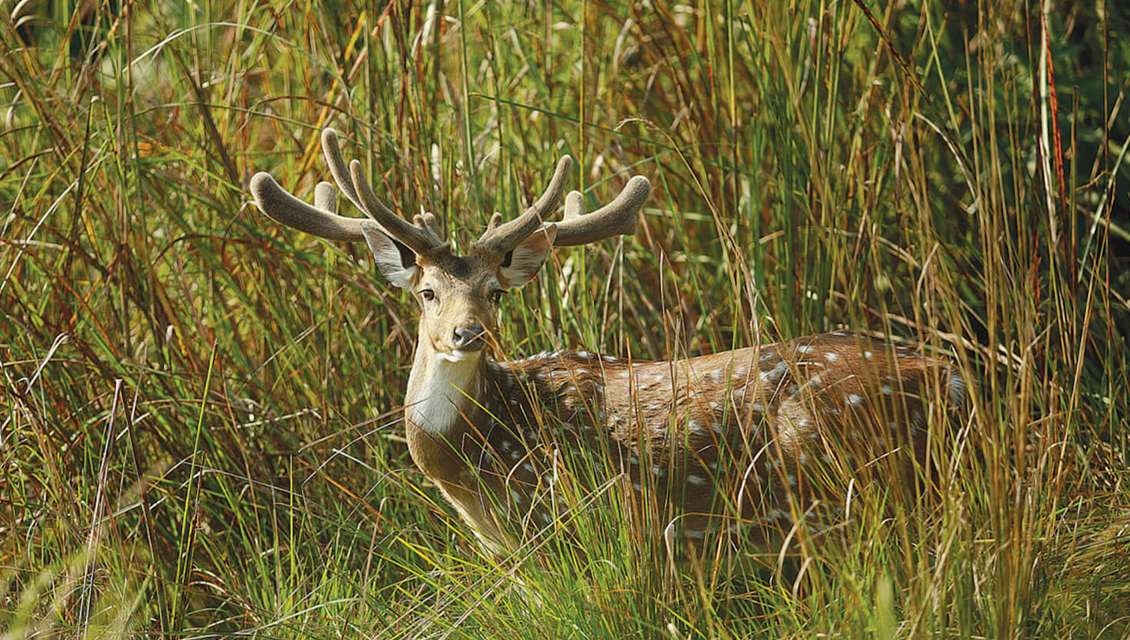
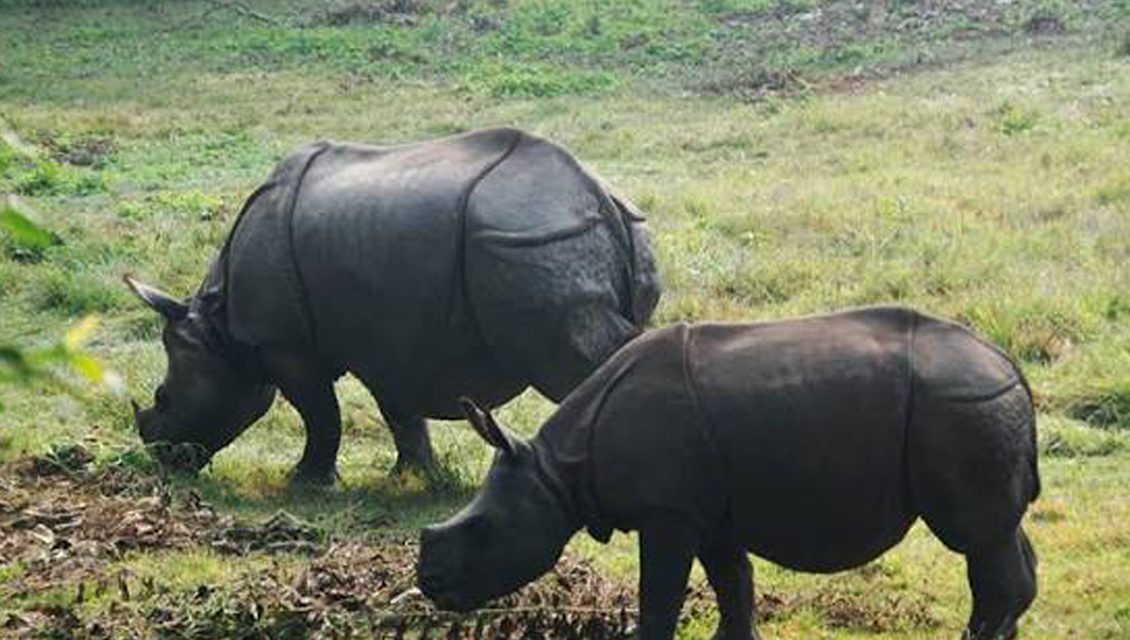
The park is part of the larger Chitwan-Parsa tiger conservation landscape and is home to Bengal tiger, Asian elephant, sloth bear, leopard, wild boar, deer species, and over 300 species of birds. Due to its dense forest cover and low tourism pressure, wildlife sightings here feel more natural and less disturbed.
This 4-day itinerary is designed for nature lovers, photographers, and travelers who want a quieter alternative to Chitwan National Park.
Geography and Landscape
Parsa National Park is located in the south-central region of Nepal, covering parts of Parsa, Bara, and Makwanpur districts, near the Indian border. The park lies in the Chure hill range and Terai lowlands, creating a unique mix of forested hills and flat jungle plains.
Key geographical features include:
- Dense tropical and subtropical forests
- Hill slopes of the Chure (Siwalik) range
- Sal forest dominated jungle ecosystems
- Grassland patches and river valleys
- Buffer zone communities and forest corridors
Unlike the open grasslands of Chitwan, Parsa is more forest-dense, making it a prime habitat for elusive wildlife such as tigers and leopards.
Climate and Best Time to Visit
Parsa National Park experiences a subtropical climate with warm temperatures throughout the year.
Best Seasons
- Autumn (September–November): Best visibility, active wildlife, and pleasant weather
- Spring (March–May): Good wildlife movement near water sources, warm temperatures
- Winter (December–February): Cool and comfortable for jungle walks and jeep safaris
Off Season
- Monsoon (June–August): Heavy rainfall, dense vegetation, and limited safari access; not recommended
- Autumn is the most favorable season for wildlife tracking and photography.
People and Culture
The Parsa region is home to diverse ethnic communities, including Tharu, Brahmin, Chhetri, Tamang, and other Terai groups, who live in villages surrounding the forest.
Cultural highlights include:
- Traditional Tharu and Terai village life
- Agricultural farming practices
- Rural forest-dependent communities
- Local festivals and cultural traditions
- Simple and authentic countryside lifestyle
The close relationship between local communities and forest ecosystems plays an important role in conservation efforts.
Highlights
- Exciting jeep safari through dense Sal forests
- Chance to spot Royal Bengal tigers
- Habitat of wild Asian elephants
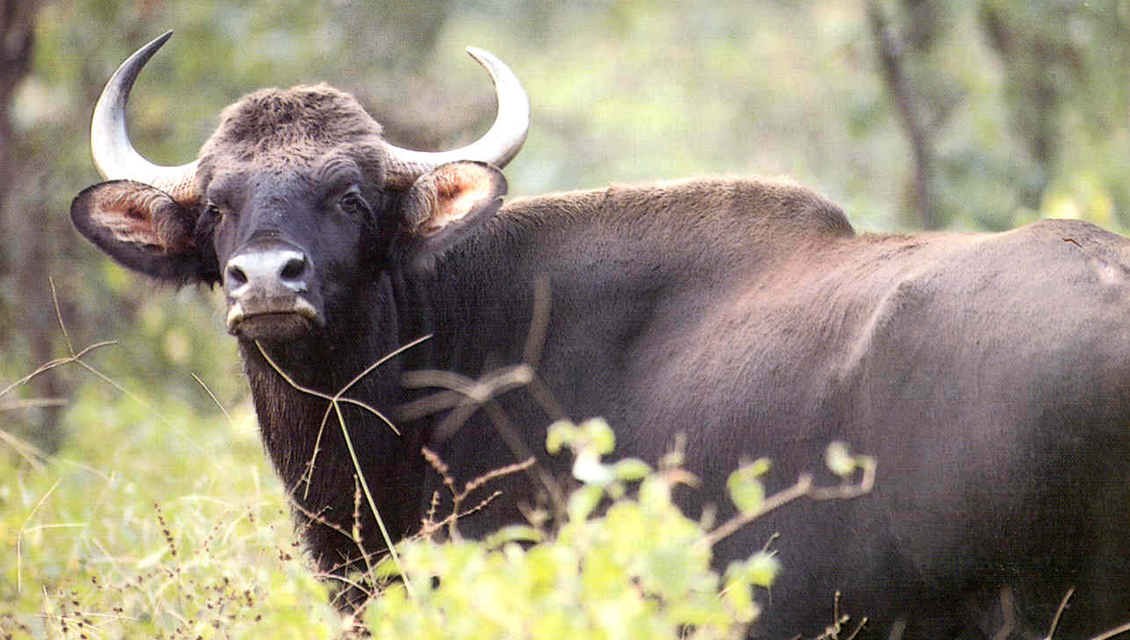
- Home to leopards sloth bears and gaur
- More than 500 species of birds for birdwatching
- Beautiful tropical and subtropical forest landscapes
- Jungle walks with experienced nature guides
- Opportunity to see deer langurs and wild dogs
- Scenic views of the Churia Hills
- Less crowded and more peaceful than many other parks
- Excellent wildlife photography destination
- Rich biodiversity with reptiles including king cobras and pythons
- Best safari season from October to March
Day-by-day itinerary
-
- StayHotel
- VisitNepal
- MealsBreakfast
Drive from Kathmandu or transfer via Chitwan area
Arrival at jungle lodge or eco-resort near Parsa buffer zone
Welcome briefing and refreshment
Short nature walk around lodge surroundings
Evening sunset observation in forest edge area
Overnight at jungle lodge
-
- StayHotel
- VisitNepal
- MealsBreakfast
Early morning birdwatching walk
Breakfast at lodge
Jeep safari inside Parsa National Park core forest
Wildlife tracking: deer, monkeys, wild boar, possible tiger and leopard sightings
Lunch at lodge or picnic in jungle zone
Afternoon jungle walk with naturalist guide
Evening relaxation and nature interpretation session
Overnight at jungle lodge
-
- StayHotel
- VisitNepal
- MealsBreakfast
Early morning jungle walk or birding session
Breakfast at lodge
Extended jeep safari into remote forest areas
Exploration of Chure hill forest landscapes
Visit to nearby buffer zone villages
Cultural interaction with local communities
Sunset viewing from forest edge or watchtower
Overnight at jungle lodge
-
- VisitNepal
- MealsBreakfast
Morning birdwatching or short jungle walk (optional)
Breakfast at lodge
Transfer to Kathmandu or onward destination
Photos & video
Dates & prices
Private departures run on any date. Pick the start date that suits you and we will build the trip around it — same price, your own guide and team.
Good to know
Essential information
Accommodation
Accommodation is provided in eco-lodges and simple jungle resorts near the park’s buffer zone.
Facilities include:
- Twin or double rooms with basic comforts
- Jungle or forest surroundings
- Full-board meal system (breakfast, lunch, dinner)
- Outdoor relaxation areas and nature viewpoints
- Simple but comfortable eco-tourism setup
Luxury upgrades may include private jungle villas and personalized safari services.
Meals
A full-board meal system is provided throughout the safari.
Typical menu options include:
- Nepali Dal Bhat set meals
- Rice, vegetables, lentils, noodles, and soups
- Eggs, toast, porridge, and breakfast items
- Chicken or local meat dishes (on request)
- Fresh fruits and hot beverages
- Light Tharu or Terai-style dishes
Meals are prepared fresh at the lodge using local ingredients.
Difficulty & Physical Requirements
The Parsa Safari Tour is classified as very easy, suitable for all travelers.
- No trekking or physical training required
- Light walking during jungle activities
- Suitable for families, seniors, and photographers
- Relaxed and flexible itinerary
Permits
Required permits include:
- Parsa National Park Entry Permit
- Buffer zone and conservation fees (if applicable)
- All permits arranged by the tour operator
Guide & Naturalist Services
Professional naturalist guides are included throughout the tour.
They provide:
- Wildlife tracking and jungle navigation
- Bird identification and ecological interpretation
- Safety management inside forest areas
- Cultural explanation of local communities
- Photography assistance for wildlife sightings
Cultural & Natural Highlights
The Parsa Safari Tour offers a raw and less commercial jungle experience:
- Dense forest habitat with minimal human disturbance
- Bengal tiger and leopard territory (rare sightings)
- Asian elephant and sloth bear habitats
- Over 300 species of birds
- Quiet and uncrowded safari environment
- Chure hill forest ecosystem
- Authentic rural Terai cultural experience
- Strong biodiversity conservation zone
Essential Equipment
Recommended items include:
- Lightweight neutral-colored clothing
- Comfortable walking shoes
- Hat and sunglasses
- Binoculars for wildlife viewing
- Camera with zoom lens
- Insect repellent
- Light jacket for mornings/evenings
- Sunscreen and personal essentials
Communication & Connectivity
- Mobile coverage available in nearby settlements
- Limited connectivity inside forest zones
- Wi-Fi available in selected lodges
Why Choose Parsa National Park 4 Days / 3 Nights?
This safari is ideal for travelers seeking a quiet and authentic jungle experience:
- Least crowded national park in Nepal
- True wilderness experience near Chitwan region
- Strong tiger and leopard habitat
- Dense forest ecosystem with high biodiversity
- Ideal for photography and nature study
- Close to Kathmandu yet remote in feel
- Authentic local cultural interaction
- Perfect alternative to commercial safari destinations
Keep exploring