The Mount Kailash Pilgrimage Tour via Kodari is one of the most revered spiritual journeys in the Himalayas, offering travelers the opportunity to visit the sacred Mount Kailash and Lake Manasarovar while traversing the spectacular landscapes of the Tibetan Plateau.
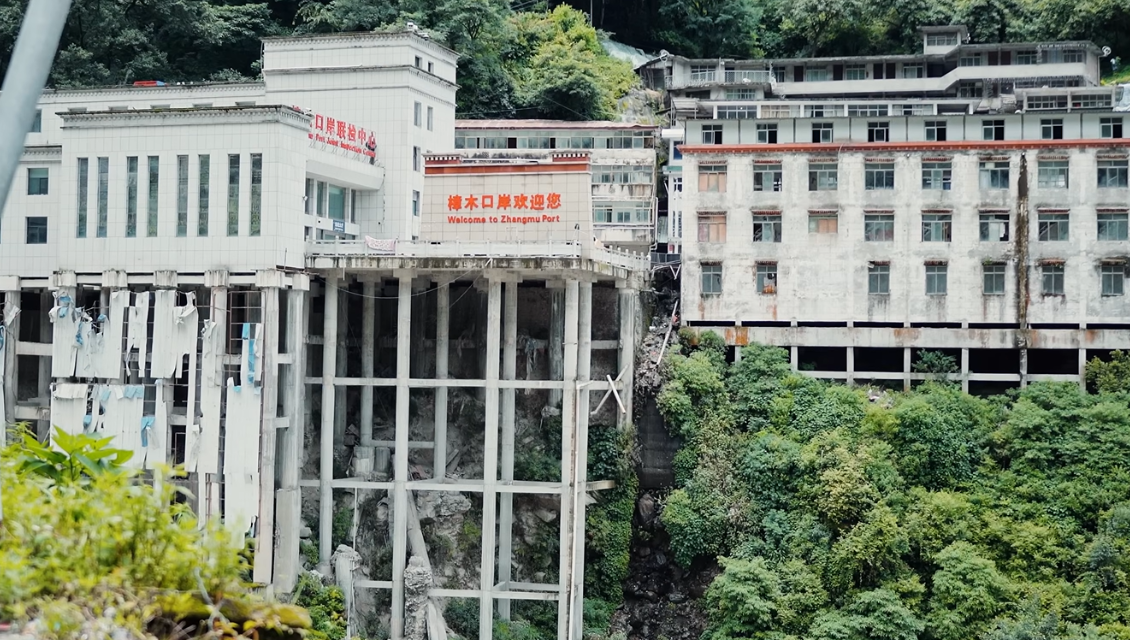
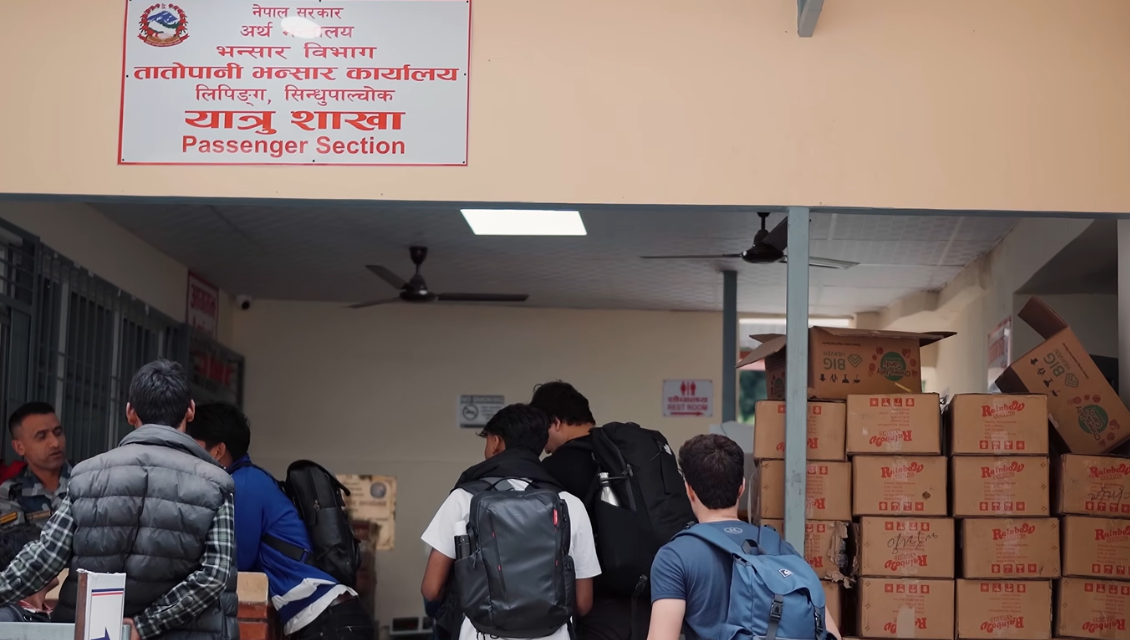
This classic pilgrimage route follows the historic Friendship Highway from the Nepal–Tibet border at Kodari, crossing dramatic Himalayan valleys, high mountain passes, and vast open plains before reaching the sacred region of Western Tibet. The tour culminates in the completion of the holy Mount Kailash Kora, a 52-kilometer pilgrimage circuit considered one of the world’s most significant spiritual journeys.
For centuries, devotees from Nepal, India, Tibet, Bhutan, and beyond have traveled to Mount Kailash seeking spiritual purification, blessings, and enlightenment. Revered by Hindus as the abode of Lord Shiva, by Buddhists as the dwelling place of Demchok (Chakrasamvara), by Jains as the site of liberation of their first Tirthankara, and by followers of the Bon religion as their most sacred mountain, Mount Kailash remains one of the world’s most important pilgrimage destinations.
Combining sacred sites, breathtaking landscapes, cultural encounters, and physical challenge, this journey offers an unforgettable experience in the heart of the Tibetan Himalayas.
Geography and Landscape
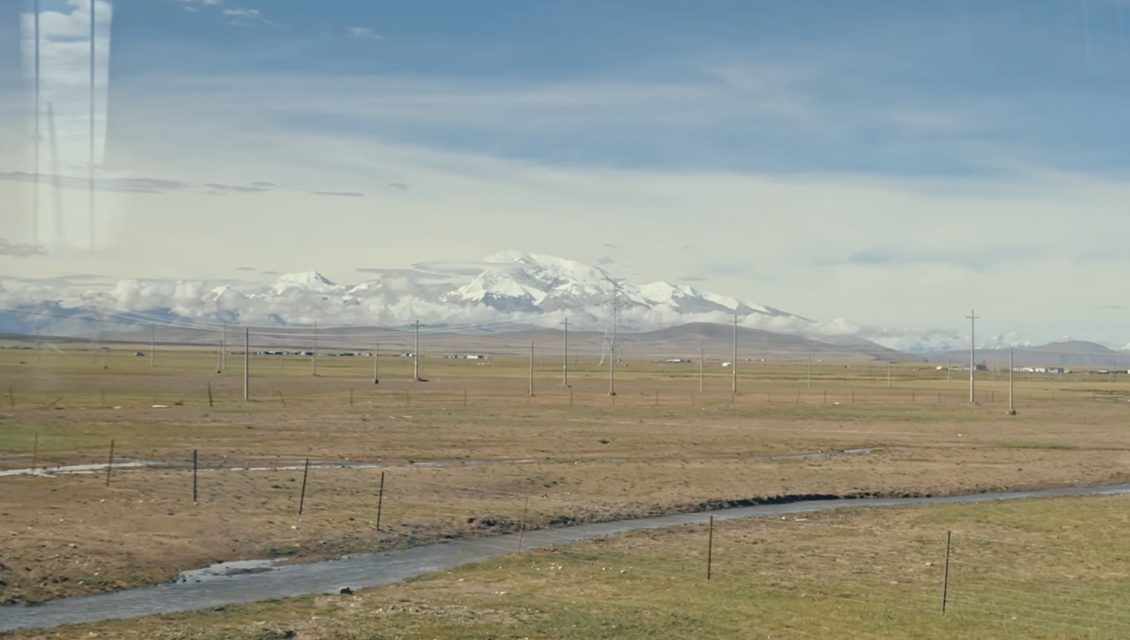
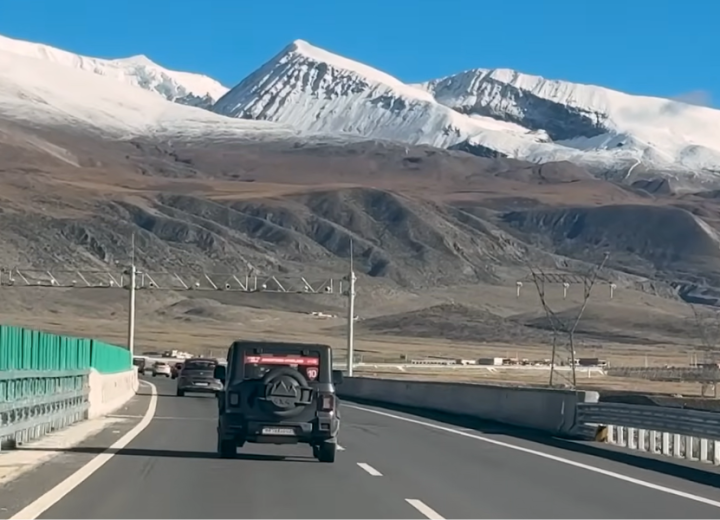
The tour traverses some of the most dramatic and diverse landscapes in the Tibetan Autonomous Region. Beginning from the lush Himalayan valleys near the Nepal border, the route gradually ascends onto the vast Tibetan Plateau, often referred to as the “Roof of the World.”
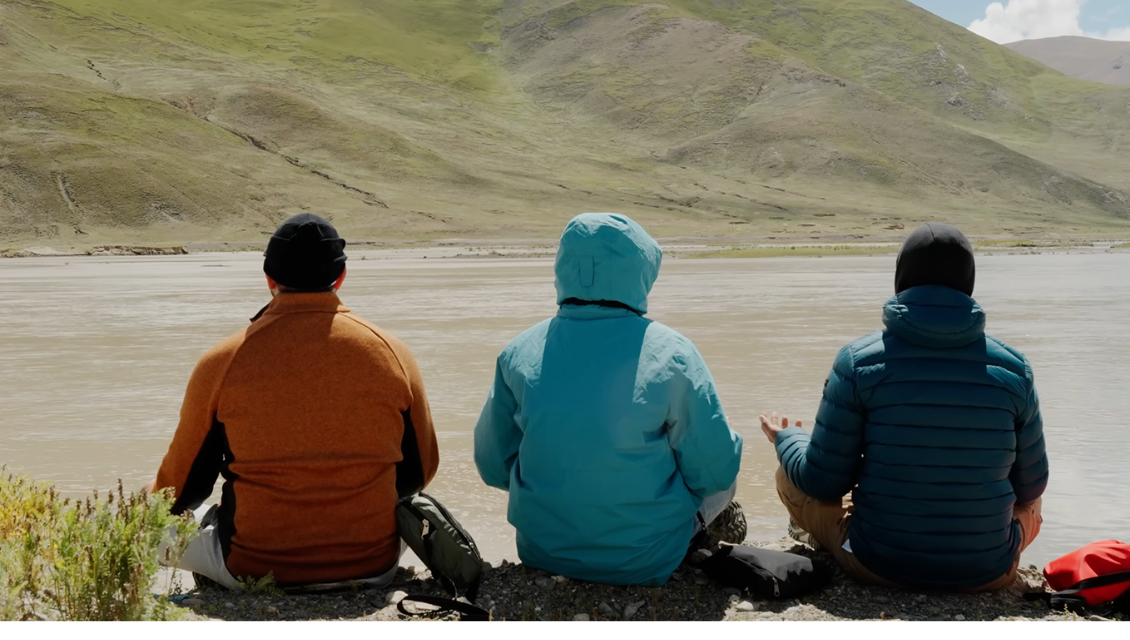
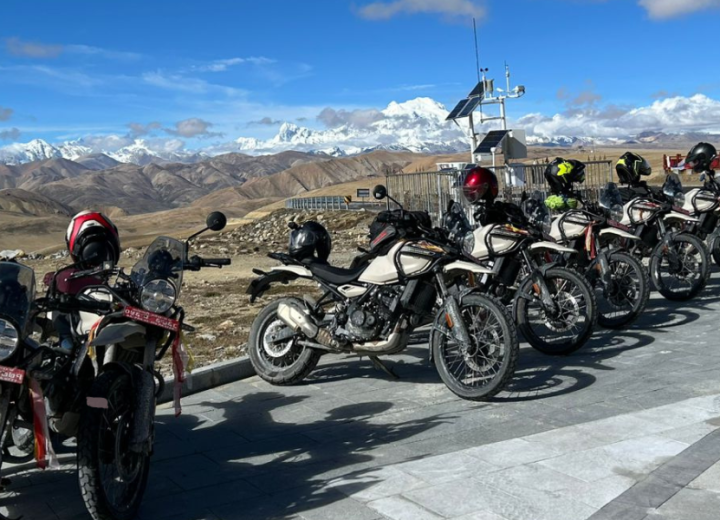
Travelers encounter spectacular mountain scenery, including snow-covered Himalayan peaks, alpine lakes, glacial rivers, and endless grasslands inhabited by nomadic yak herders. The journey passes through remote Tibetan settlements and expansive high-altitude plains stretching toward the sacred Kailash region.
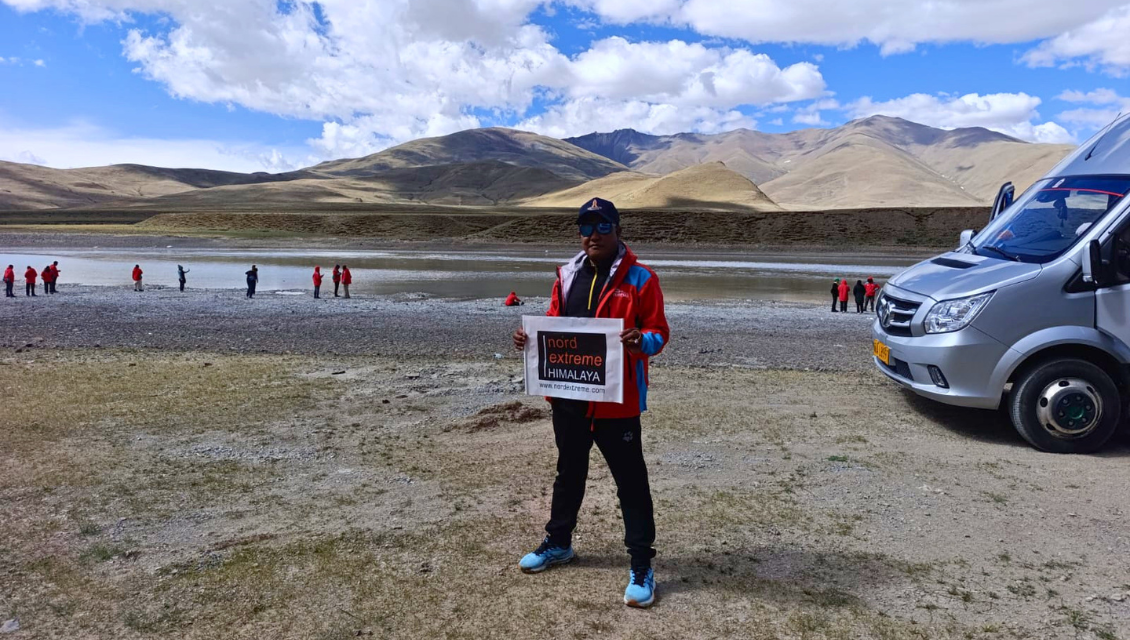
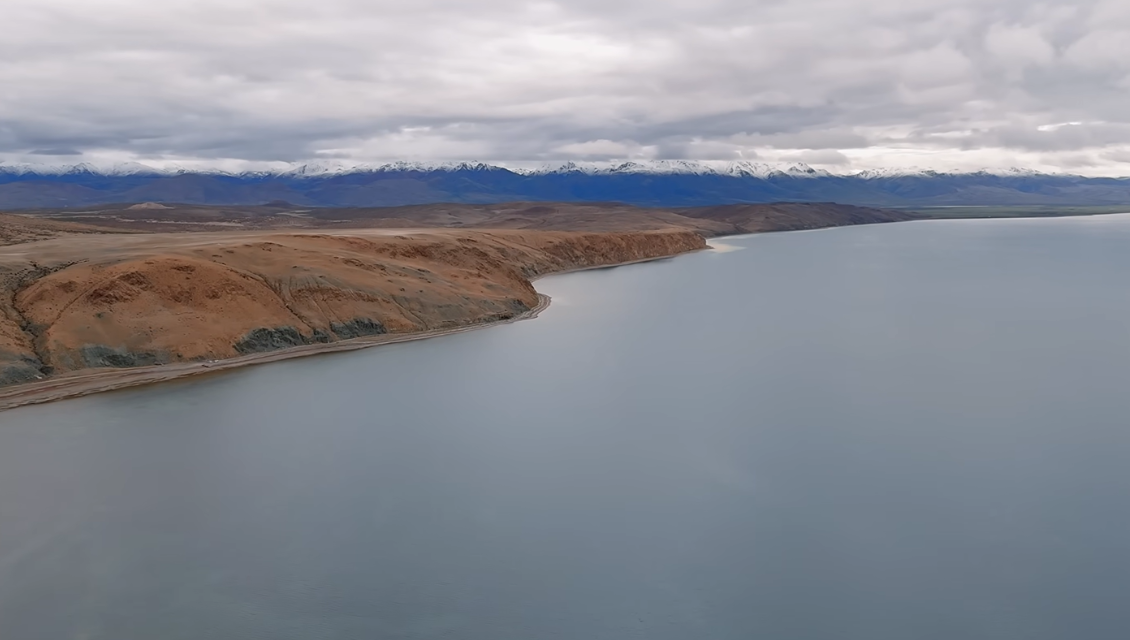
One of the most remarkable natural highlights is the pristine Lake Manasarovar (4,590m), one of Asia’s highest freshwater lakes and a sacred pilgrimage destination for millions of devotees. Its crystal-clear waters reflect the surrounding snow-capped peaks and create one of Tibet’s most beautiful landscapes.
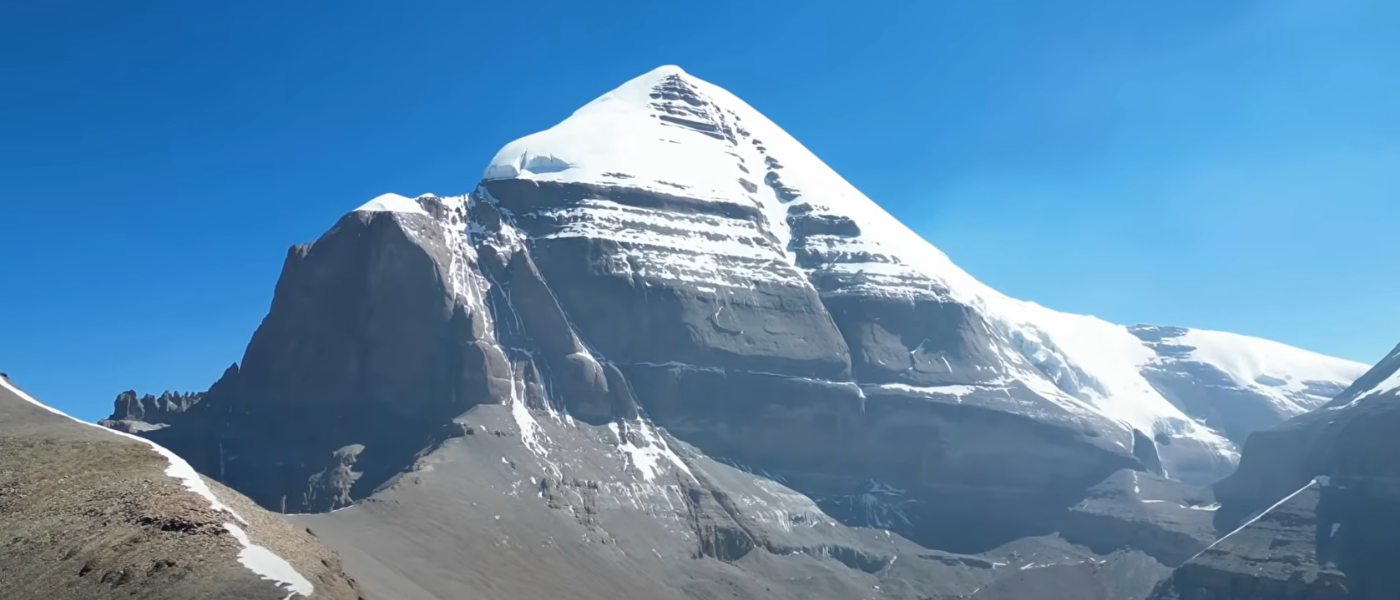
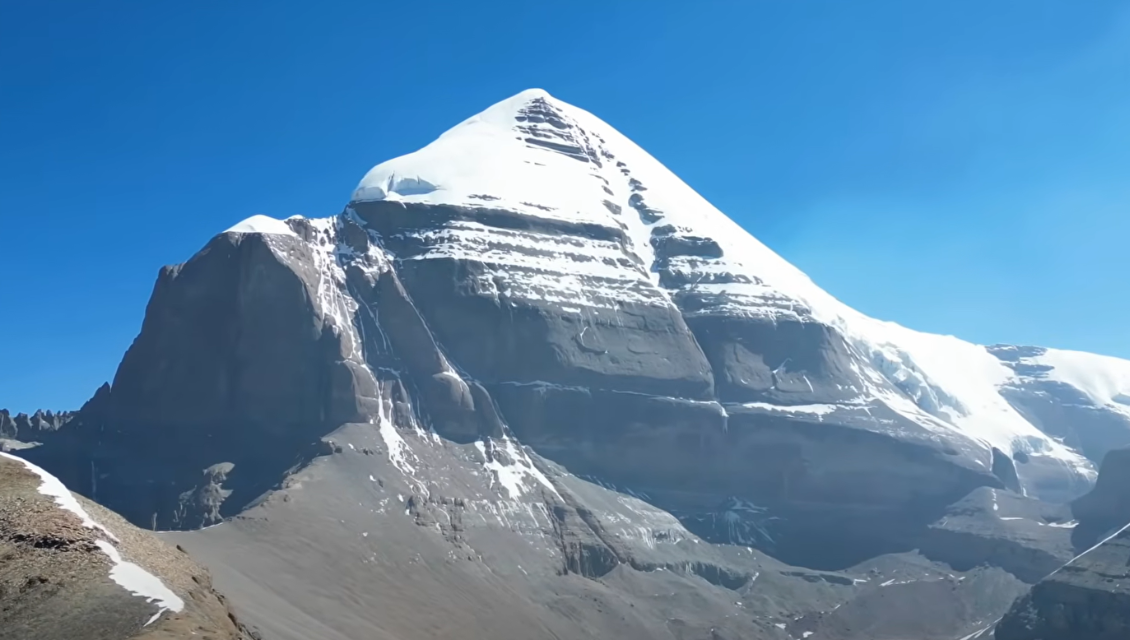
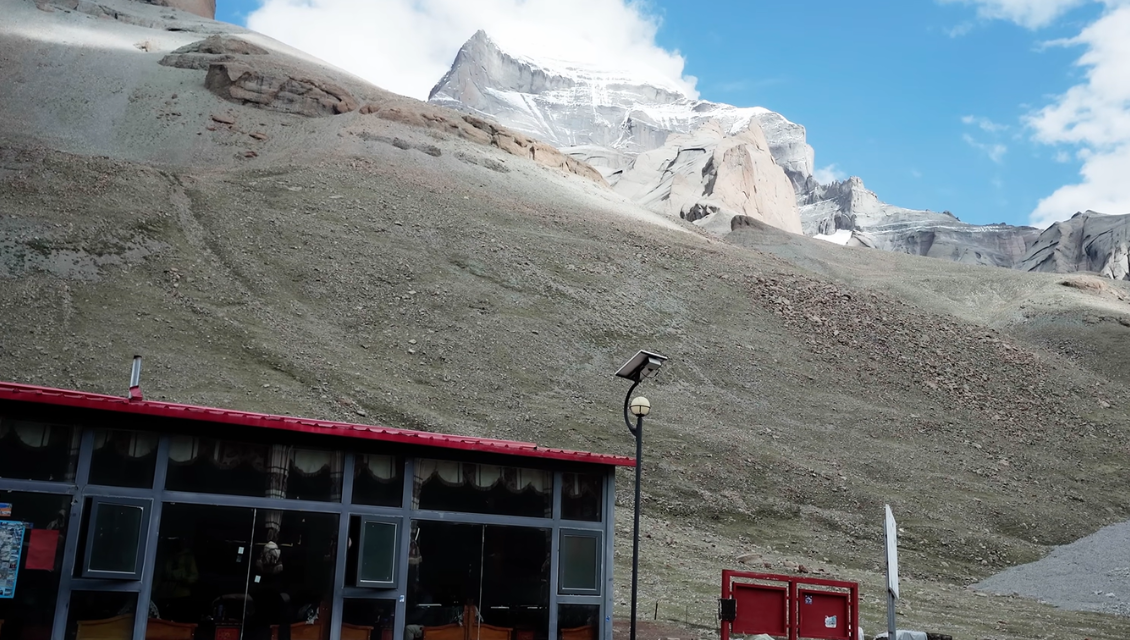
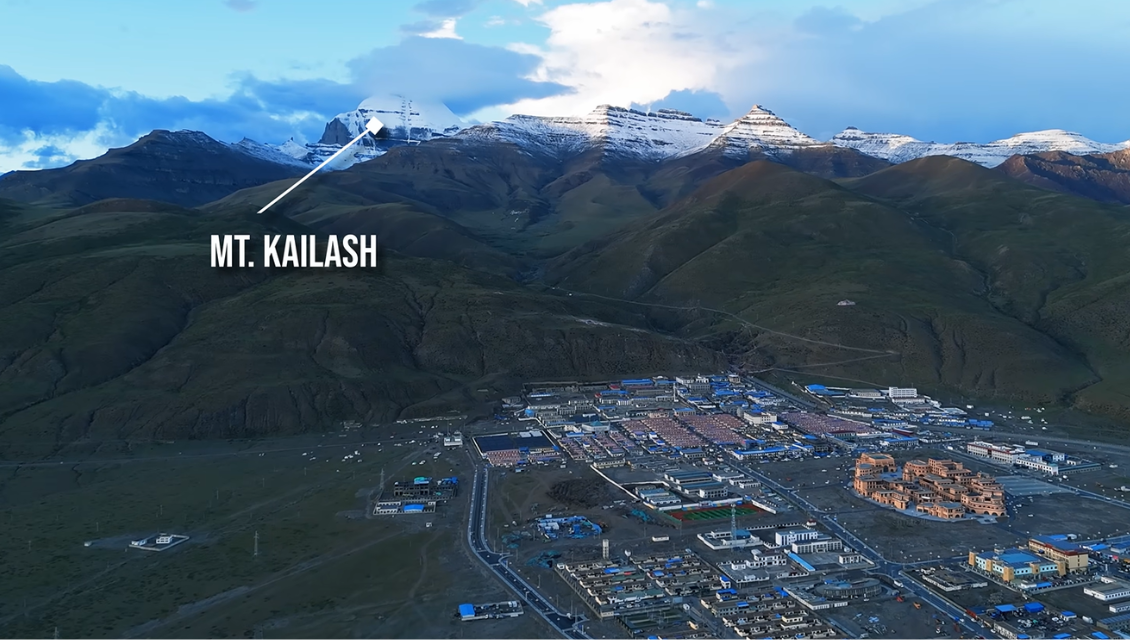
Dominating the region is Mount Kailash (6,638m), a striking pyramid-shaped mountain rising dramatically from the surrounding plateau. Unlike many Himalayan peaks, Mount Kailash stands alone, creating a powerful spiritual and visual presence.
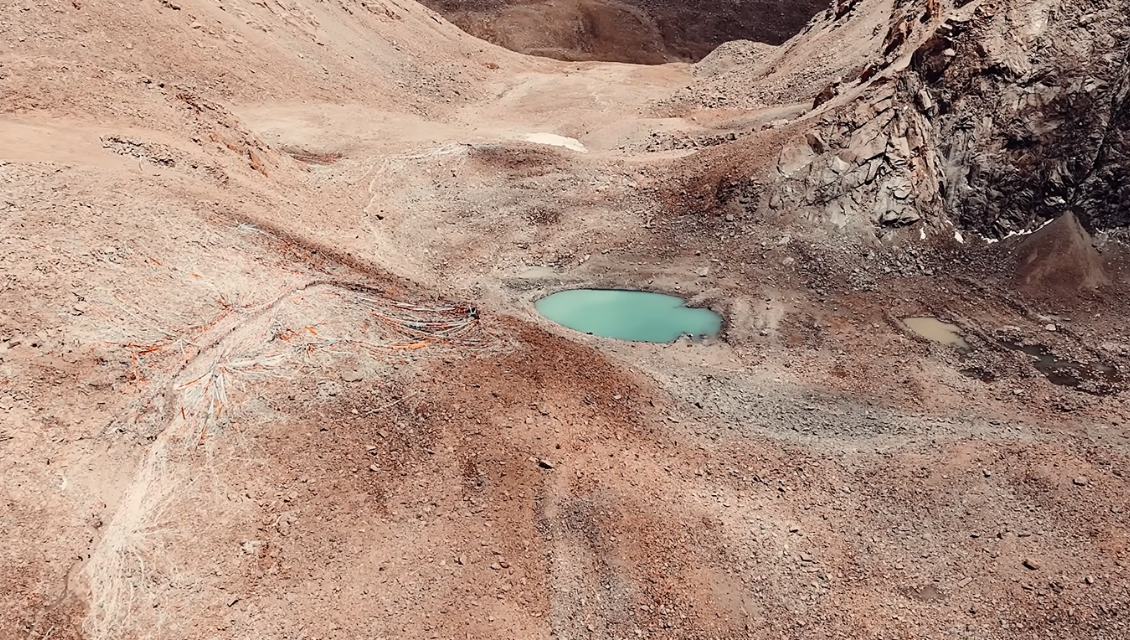
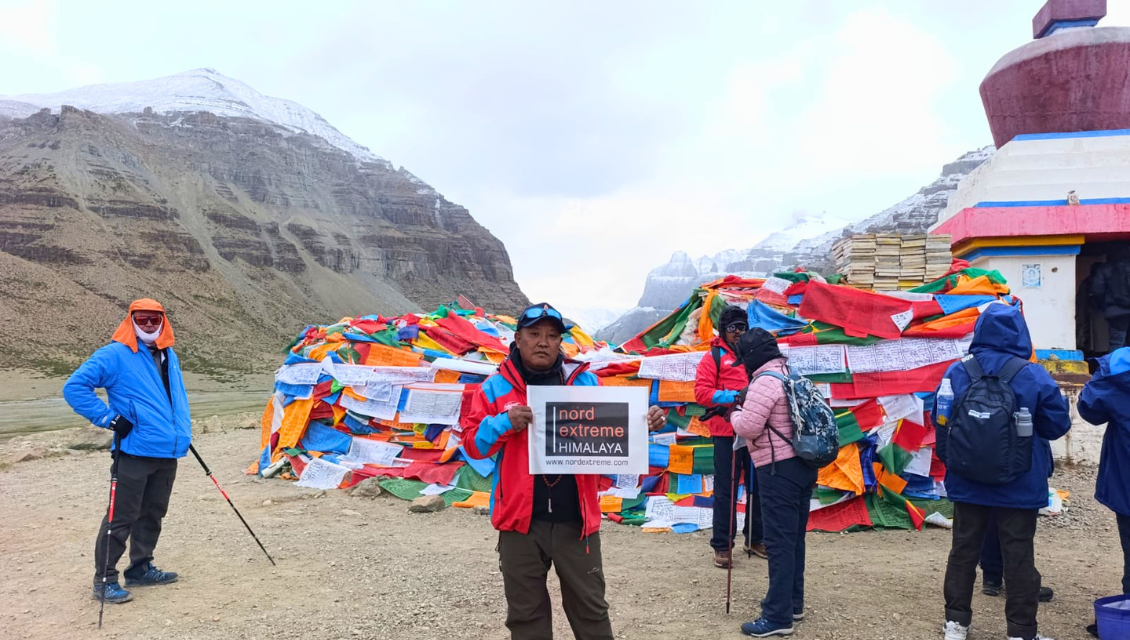
The Kailash Kora traverses diverse terrain, including the Lha Chu Valley, rocky mountain trails, glacial moraines, sacred lakes, and the formidable Dolma La Pass (5,630m), the highest point of the pilgrimage route.
Climate and Best Time to Visit
Western Tibet experiences a dry, cold, high-altitude climate characterized by intense sunshine, low humidity, and significant temperature variations between day and night.
Spring (April – May)
Spring offers pleasant weather, blooming alpine vegetation, and relatively fewer pilgrims. Snow may remain on higher passes, creating beautiful mountain scenery.
Summer (June – August)
Summer is the most popular pilgrimage season. Temperatures are generally mild, ranging between 10°C and 20°C during the day. The landscape becomes greener, and most pilgrimage festivals occur during this period.
Autumn (September – October)
Autumn provides stable weather, excellent visibility, and some of the clearest mountain views of the year. Comfortable temperatures and reduced rainfall make this the preferred season for trekking and photography.
Winter (November – March)
Winter is extremely cold, with temperatures often dropping well below freezing. Heavy snowfall and severe weather can affect transportation and trekking conditions.
Best Time for the Tour
The recommended period for the Mount Kailash Pilgrimage Tour is from May through October, with September and October offering the best combination of clear skies, comfortable temperatures, and exceptional mountain visibility.
People and Culture
The region is inhabited primarily by ethnic Tibetans who continue to maintain their traditional way of life despite the remoteness and harsh environmental conditions.
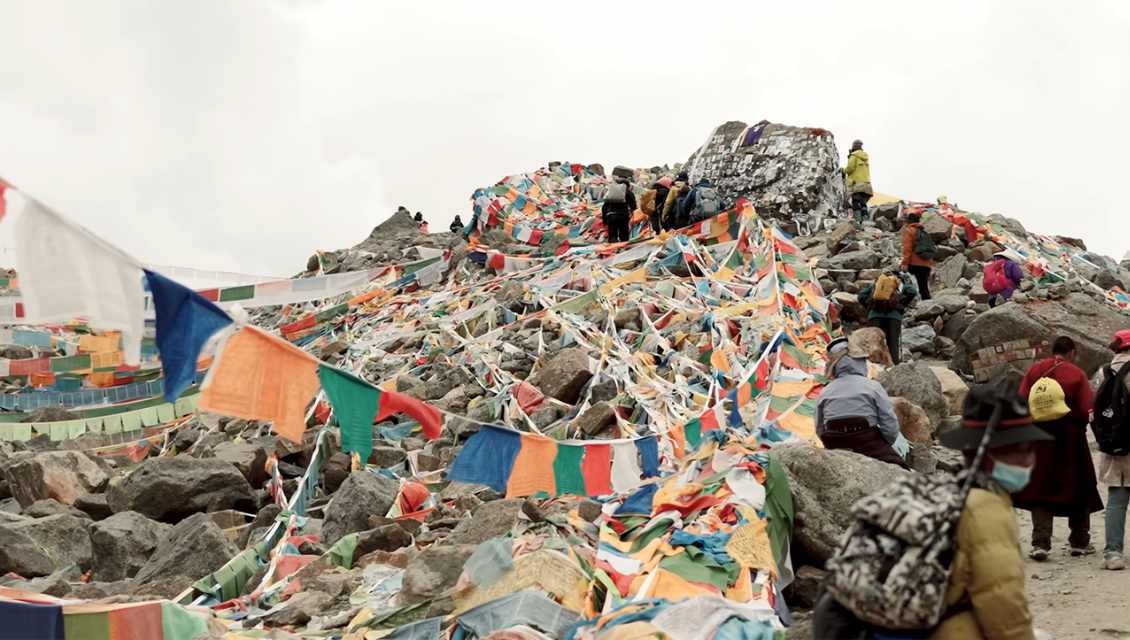
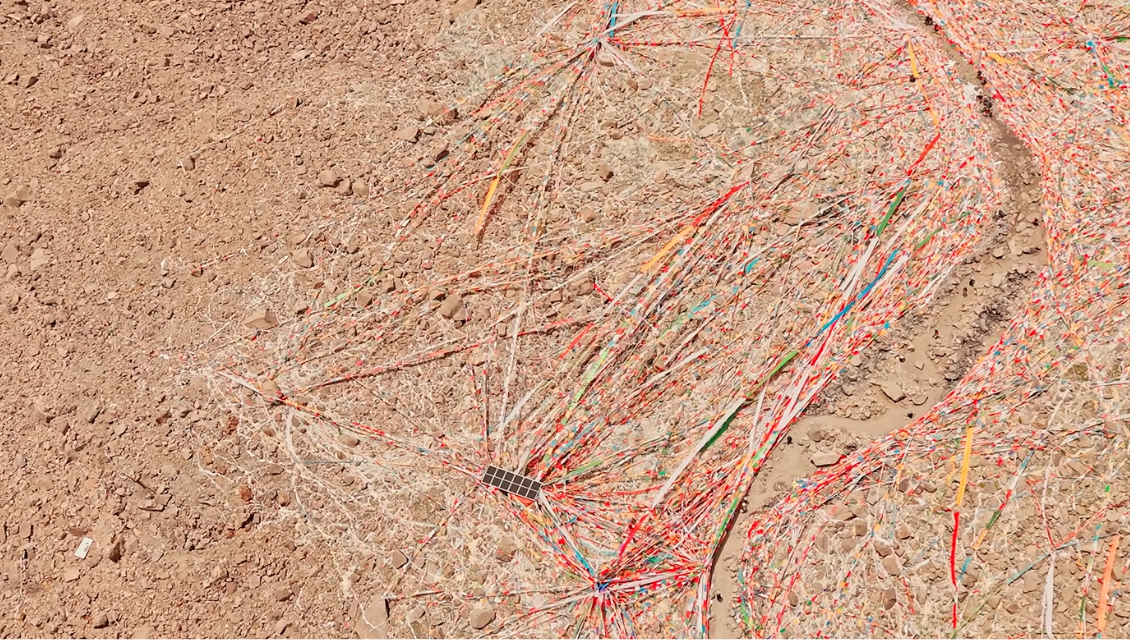
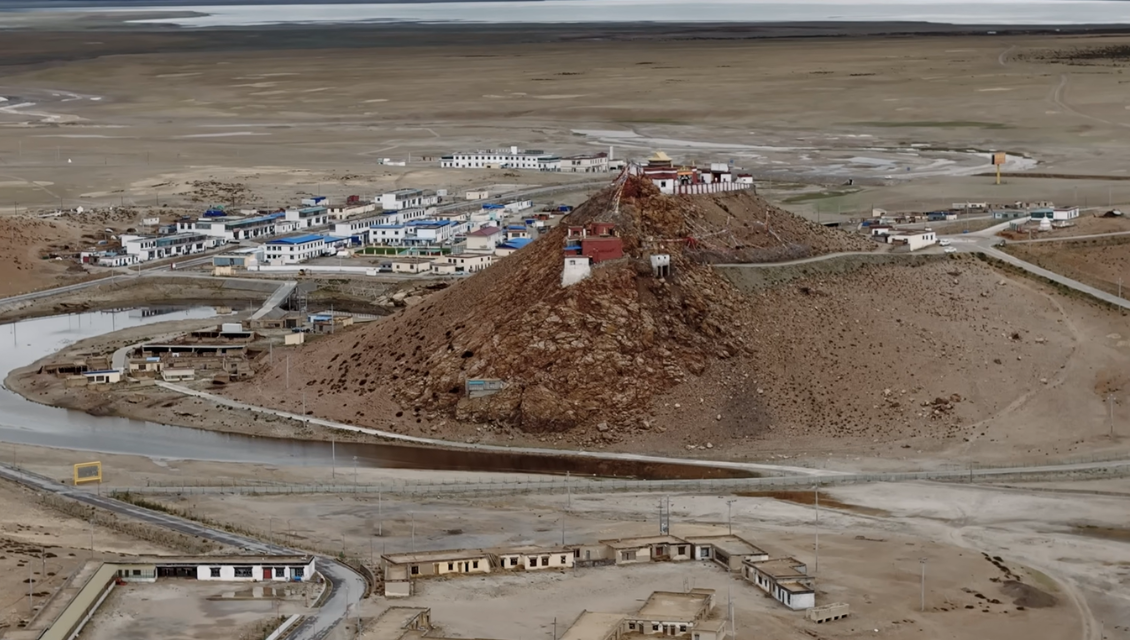
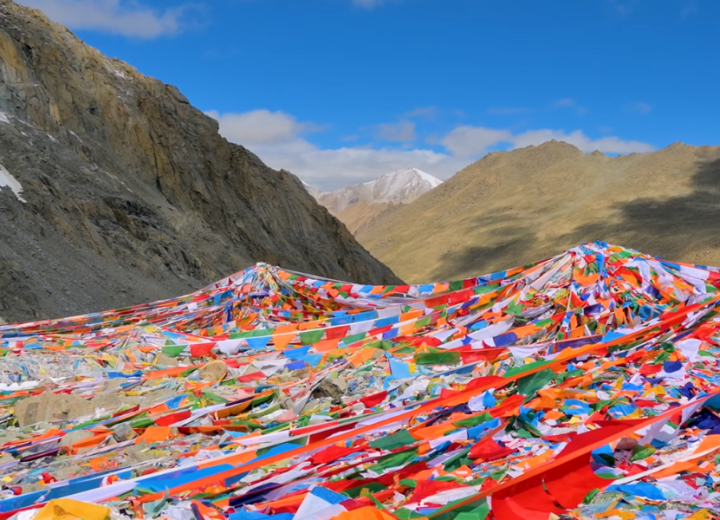
Tibetan Buddhism is deeply woven into daily life, and visitors will encounter monasteries, prayer wheels, mani walls, prayer flags, and pilgrims throughout the journey. The culture is rich in spiritual traditions, folklore, and ancient customs that have remained largely unchanged for centuries.
Mount Kailash occupies a unique position in world spirituality. Hindus believe it is the eternal residence of Lord Shiva and Goddess Parvati. Tibetan Buddhists regard it as the abode of Demchok, symbolizing supreme bliss. Jains recognize it as the site where their first Tirthankara attained liberation, while followers of the Bon religion consider it the center of their spiritual universe.
Pilgrims often undertake the Kailash Kora as an act of devotion. Some complete the circuit on foot, while others perform full-body prostrations around the entire mountain, a process that can take several weeks.
The journey provides a rare opportunity to witness authentic Tibetan culture, religious devotion, and traditional Himalayan lifestyles in one of the world’s most isolated regions.