Festival Trek In Nepal · Everest Region
Tyangboche Mani Rimdu Festival
- Duration14 Days
- DifficultyModerate
- Max altitude4410m
- Group size17 People
- Best seasonSEP-NOV, MAR-MAY
- Start / finishKathmandu
Trip overview
The Tyangboche Mani Rimdu Festival Trek is a culturally immersive Himalayan journey that combines scenic trekking in the Everest region with one of the most significant Buddhist festivals celebrated by the Sherpa community. This trek offers a unique opportunity to witness the Mani Rimdu festival at the iconic Tengboche Monastery while exploring traditional villages, alpine forests, and spectacular mountain landscapes.
The journey follows the classic Everest trail through the Khumbu region, passing through Sherpa settlements, suspension bridges, rhododendron forests, and high valley viewpoints. The highlight of the trek is the Mani Rimdu festival held at Tengboche Monastery, where monks perform sacred masked dances, rituals, and ceremonies symbolizing the triumph of Buddhism over negative forces.
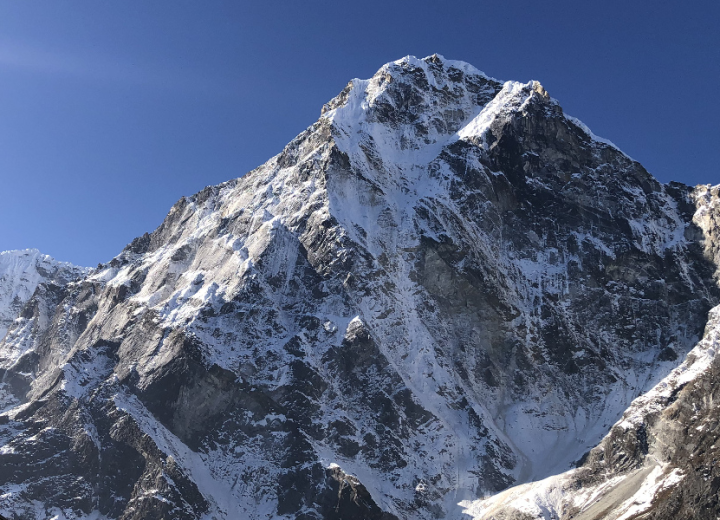
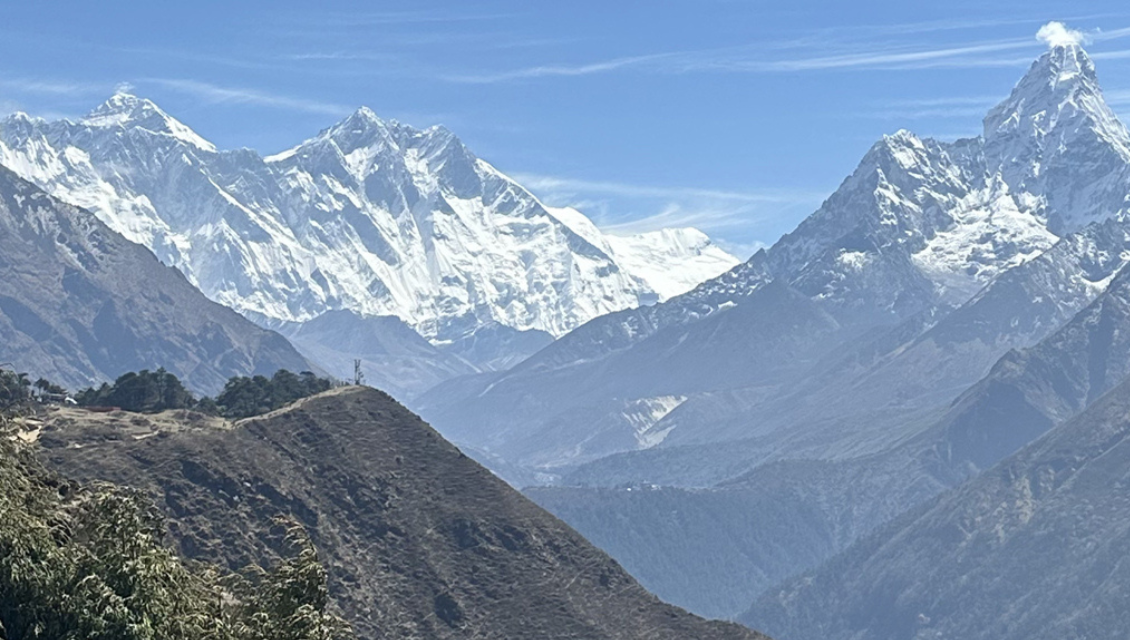
Along the route, trekkers are rewarded with stunning views of Himalayan giants including Mount Everest, Ama Dablam, Lhotse, and surrounding peaks. This trek is ideal for cultural travelers, photographers, and adventure seekers who want to combine trekking with a deeply spiritual Himalayan festival experience.
Geography and Landscape
The Tyangboche Mani Rimdu Festival Trek takes place in the heart of the Khumbu region within Sagarmatha National Park. The route begins with a flight to Lukla and follows the Dudh Koshi River valley, gradually ascending through dense forests and traditional Sherpa villages.
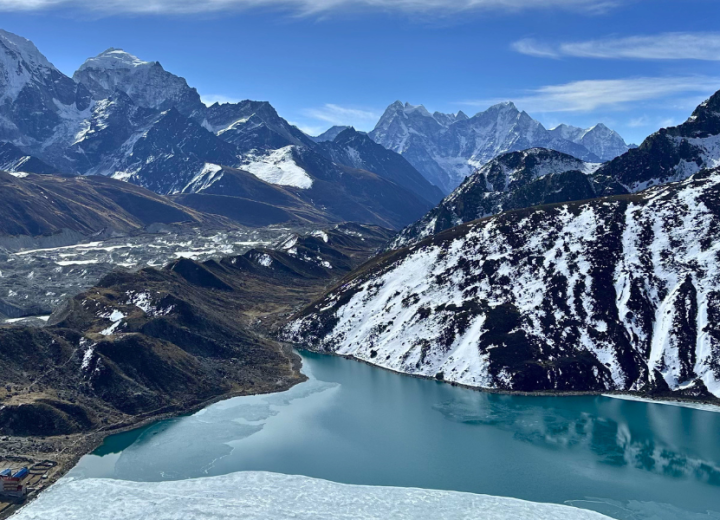
The landscape is diverse and dramatic, ranging from lush pine and rhododendron forests in lower elevations to alpine terrain, glacial valleys, and rugged mountain viewpoints at higher altitudes. The trail passes through famous settlements such as Namche Bazaar, Khumjung, and Tengboche, each offering unique cultural and scenic value.
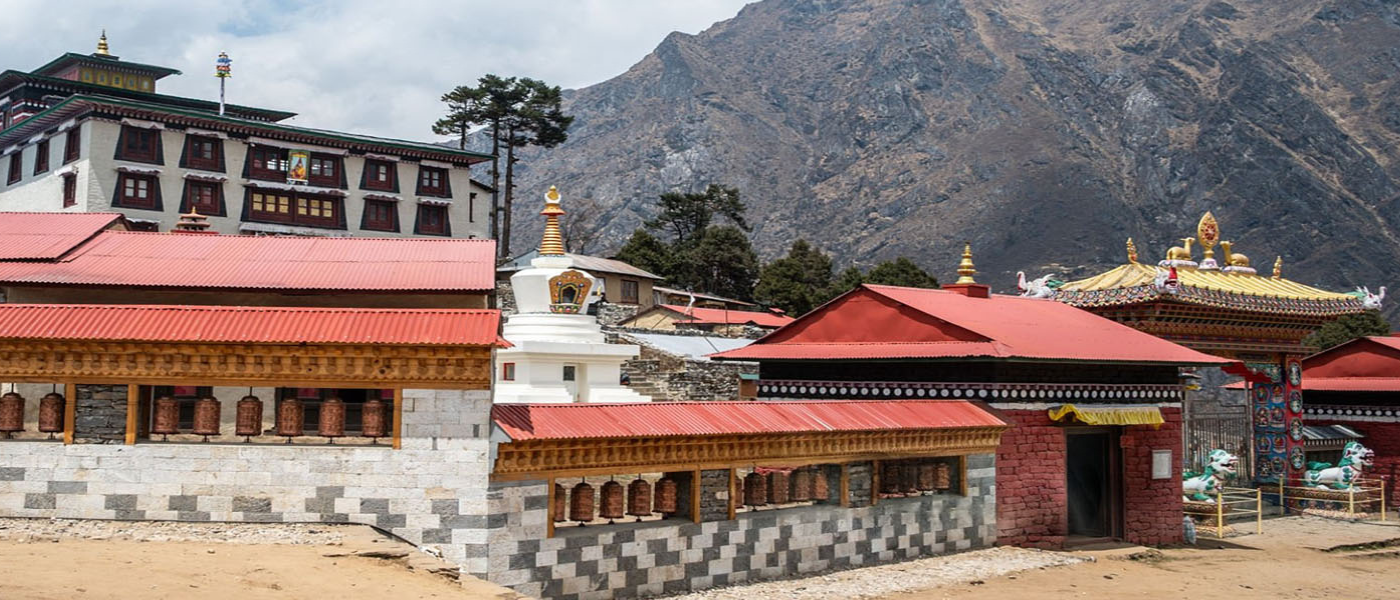
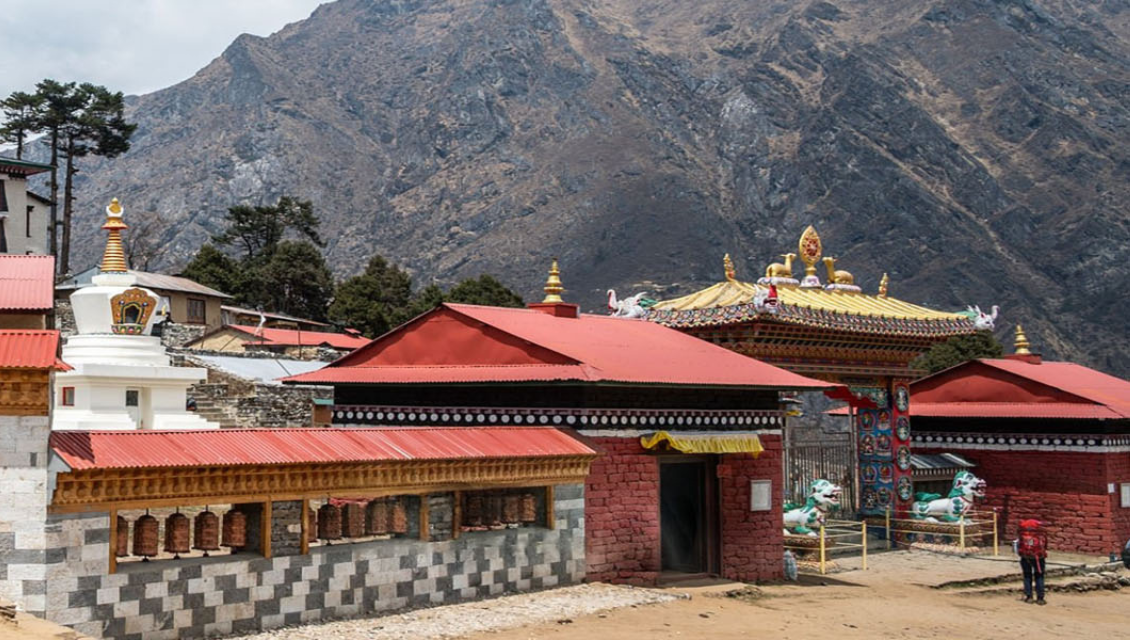
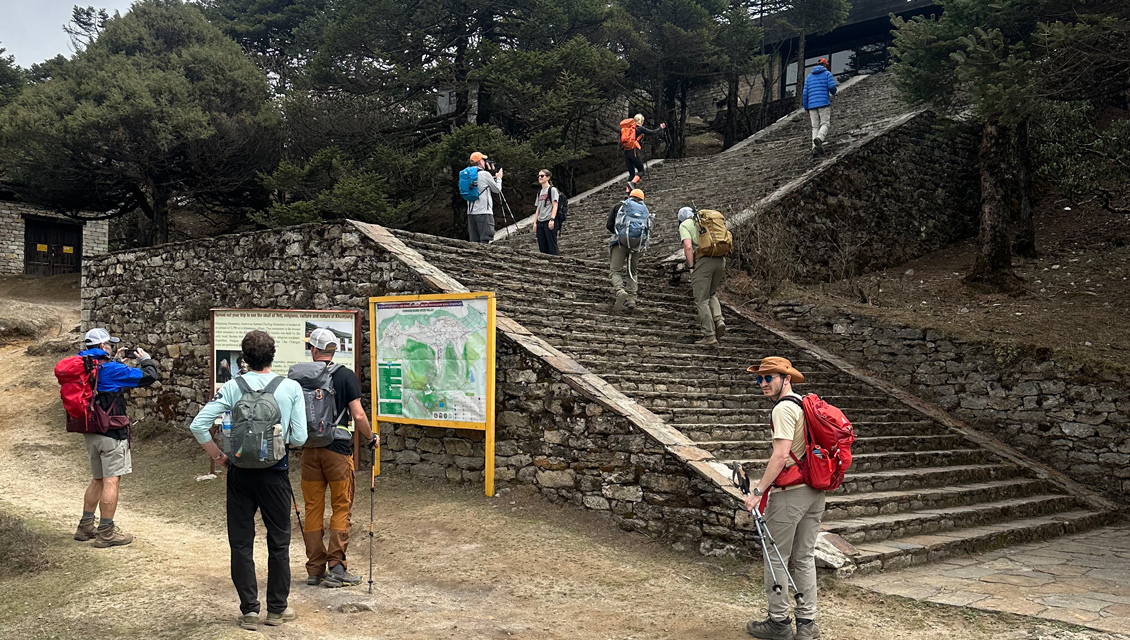
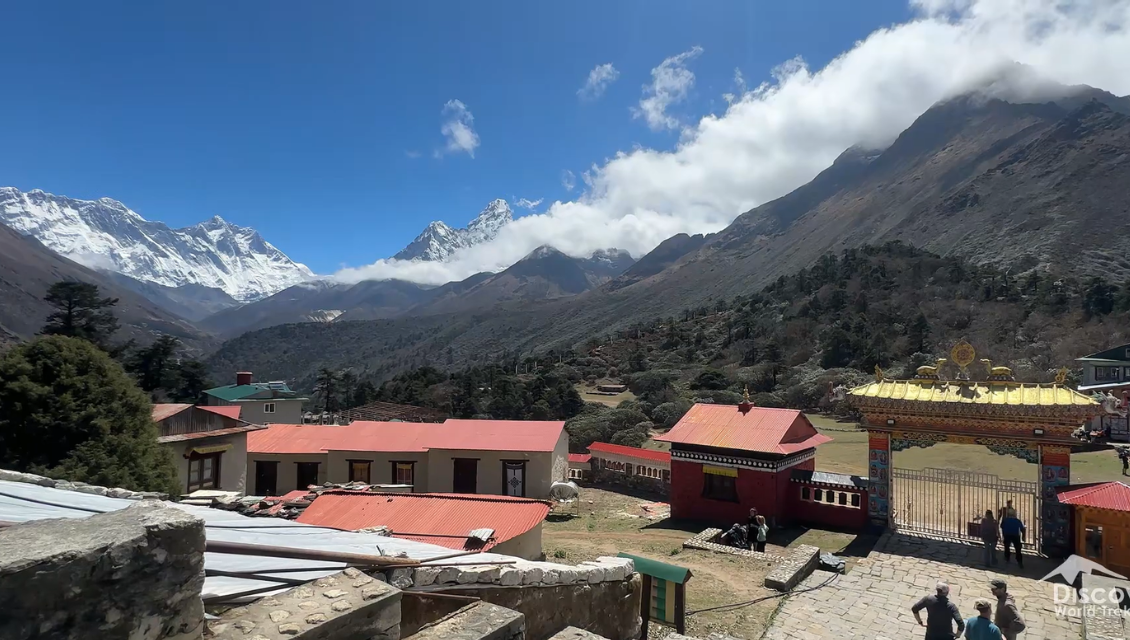
A key highlight is the location of Tengboche Monastery itself, perched on a ridge with panoramic views of Everest, Ama Dablam, and other Himalayan peaks. The surrounding environment creates a breathtaking natural amphitheater, making it one of the most scenic monastery locations in the entire Himalayas.
Climate and Best Time to Trek
The best time to undertake the Tyangboche Mani Rimdu Festival Trek is during autumn (September to November), when clear skies, stable weather, and excellent visibility provide ideal trekking conditions. This season also coincides with the Mani Rimdu festival at Tengboche Monastery, making it the most important and vibrant time to visit.
Spring (March to May) is also favorable, offering mild temperatures, blooming rhododendron forests, and good visibility of the surrounding peaks. Winter (December to February) is colder but still possible for experienced trekkers, while monsoon (June to August) is generally not recommended due to rain, slippery trails, and limited mountain views.
Overall, autumn is the most suitable season, offering the perfect combination of cultural celebration and optimal trekking conditions.
People and Culture
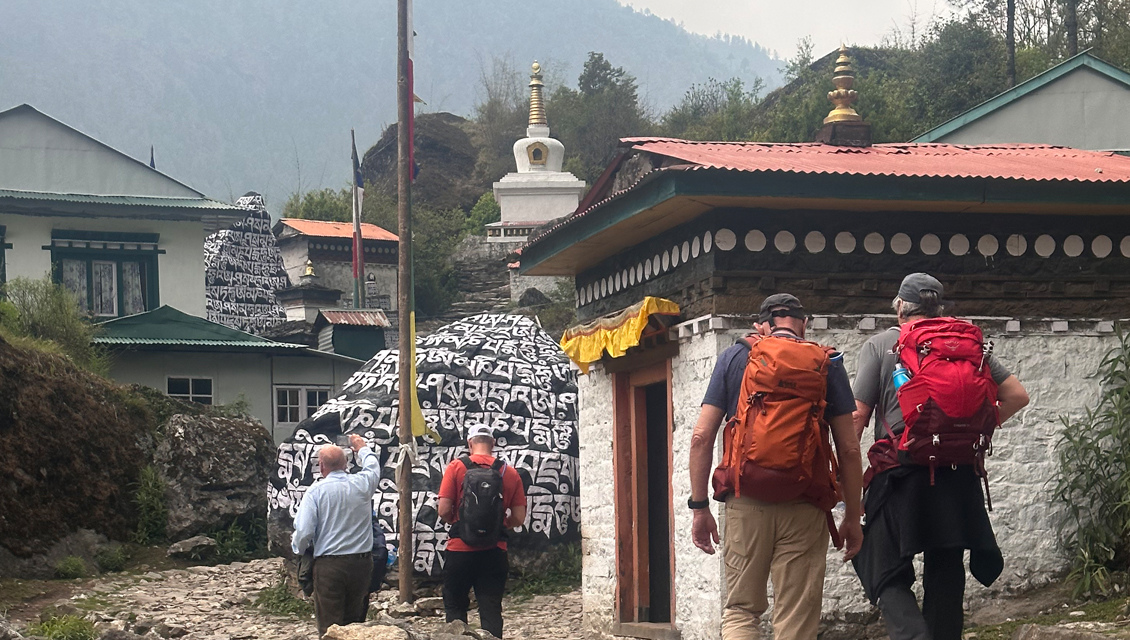
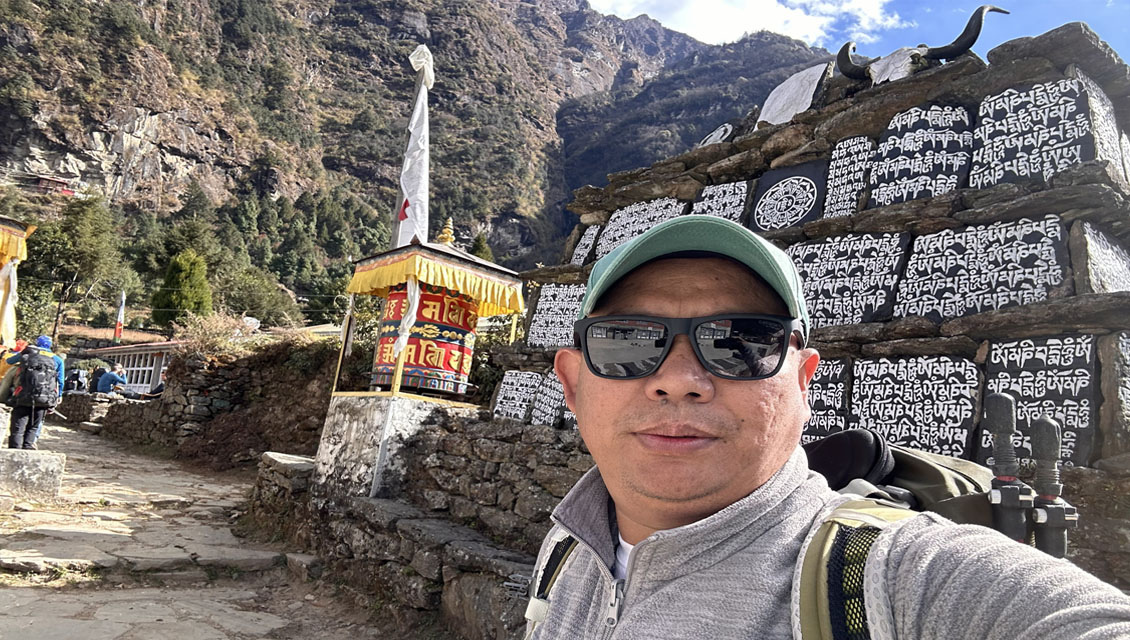
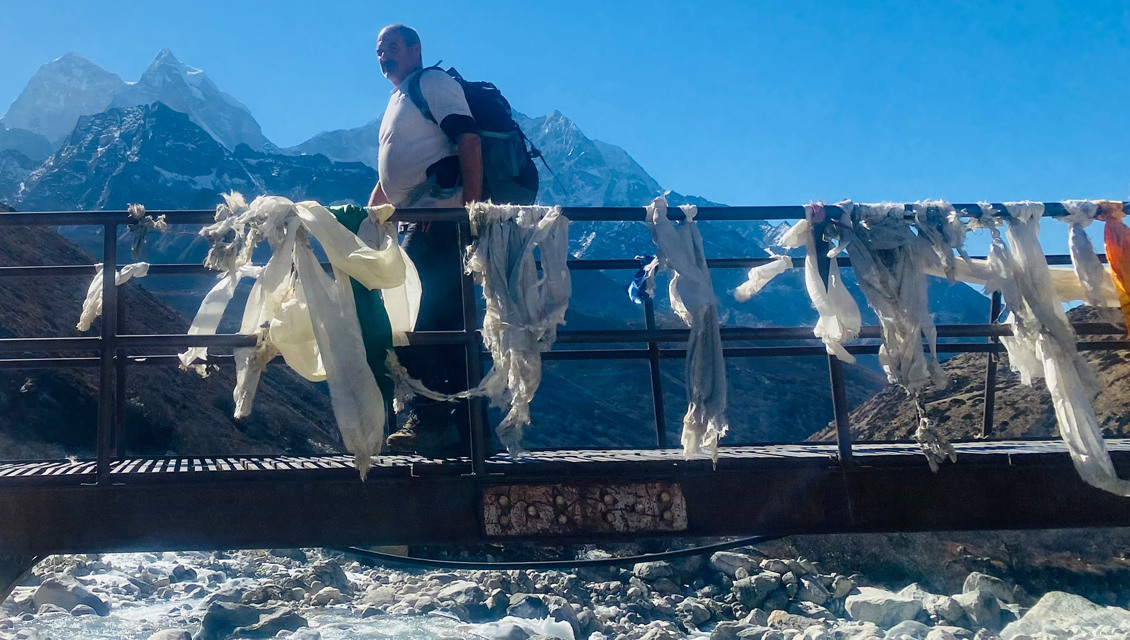
The trek is deeply rooted in Sherpa culture, which is strongly influenced by Tibetan Buddhism and high-altitude mountain traditions. Along the route, trekkers encounter prayer flags, mani walls, chortens, and ancient monasteries that reflect the spiritual identity of the Khumbu region.
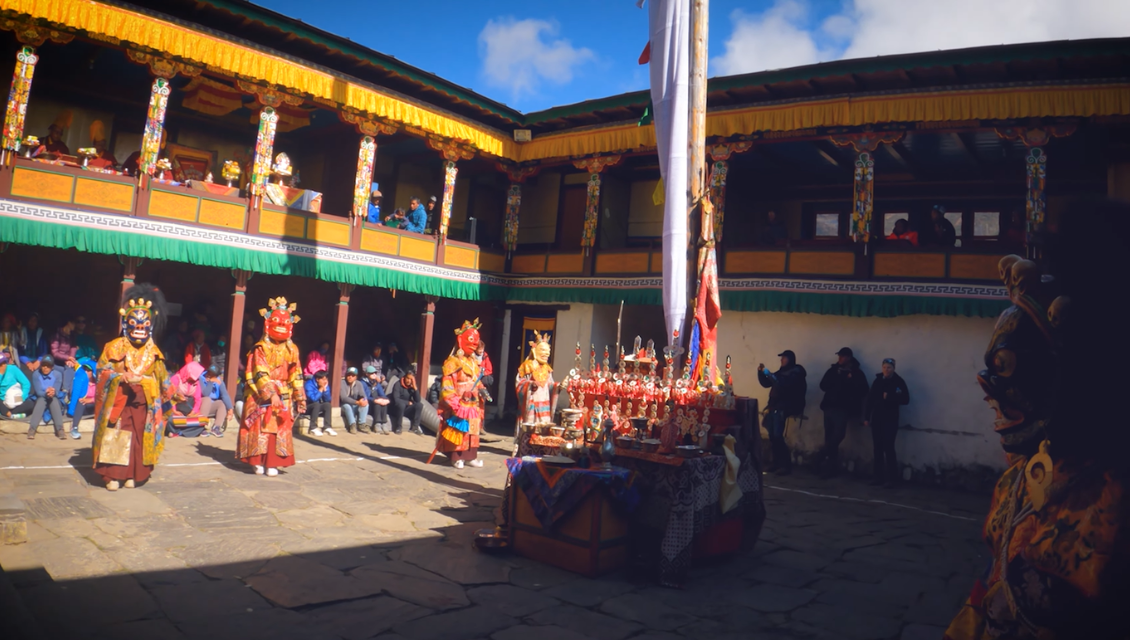
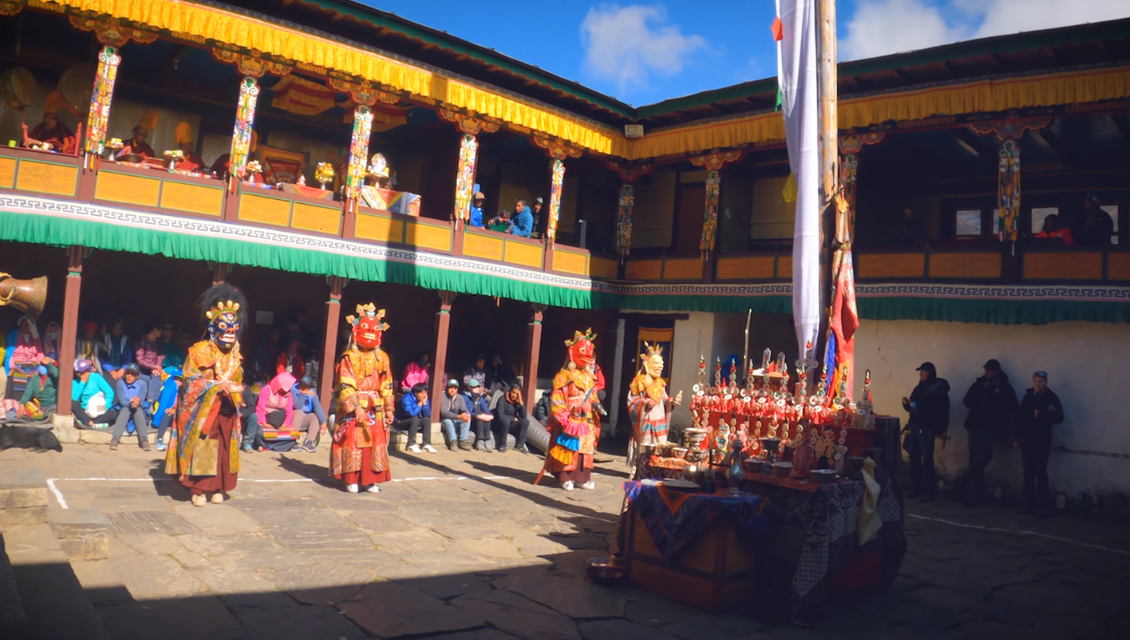
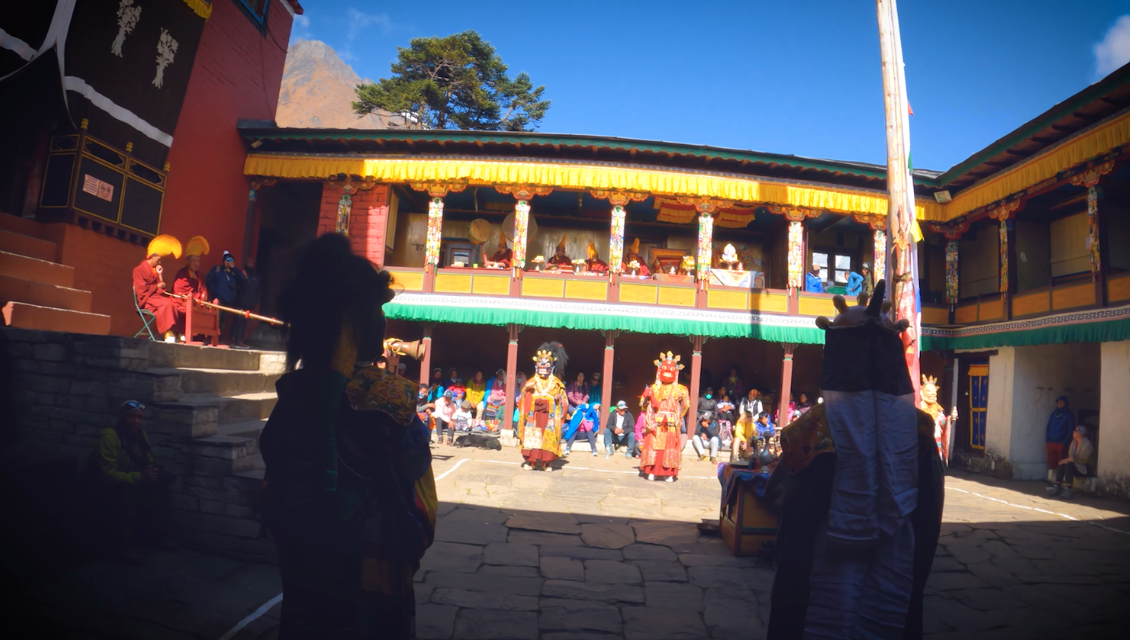
The main cultural highlight is the Mani Rimdu festival at Tengboche Monastery, one of the most important Buddhist monasteries in Nepal. During the festival, monks perform elaborate Cham (masked dances), ritual ceremonies, and sacred prayers that symbolize spiritual purification and the victory of good over evil.
Visitors also experience authentic Sherpa hospitality in villages such as Namche Bazaar, Khumjung, and Phunki Tenga. Traditional lifestyles, farming practices, and deep-rooted Buddhist values remain an essential part of daily life in the region. The combination of cultural depth, spiritual festival experience, and breathtaking Himalayan scenery makes this trek one of the most meaningful journeys in the Everest region.
Highlights
- Mani Rimdu Festival – sacred Tibetan Buddhist festival held annually Mani Rimdu
- Tengboche Monastery setting – major spiritual site in Tengboche Monastery
- Masked Cham dances – colorful ritual dances symbolizing victory of good over evil
- Monastic rituals – prayers, chants, and empowerment ceremonies by monks
- Sacred fire puja – ritual offerings for purification and blessings
- Religious mask performance – symbolic deities and protector spirits
- Sherpa cultural gathering – community celebration with locals and pilgrims
- Himalayan spiritual experience – deep insight into Buddhist mountain traditions
Day-by-day itinerary
-
Upon arriving at Tribhuvan International Airport, you will be warmly welcomed and transferred to your hotel in Kathmandu. The rest of the day is free for relaxation after your journey or exploring the lively streets of Thamel, famous for its cafes, restaurants, temples, and trekking shops.
Accomadation: Hotel
Place to visit: Nepal
Meals: Dinner
-
Today is dedicated to trek preparation and permit arrangements before beginning your Himalayan cultural adventure. You will meet your trekking guide for a detailed briefing about the itinerary, altitude awareness, safety procedures, festival information, and trekking essentials. This day also provides time to organize your equipment, complete permit formalities, and purchase any last-minute trekking gear if needed.
Accomadation: Hotel
Place to visit: Nepal
Meals: Breakfast
-
Trek Duration - 3-4 hours
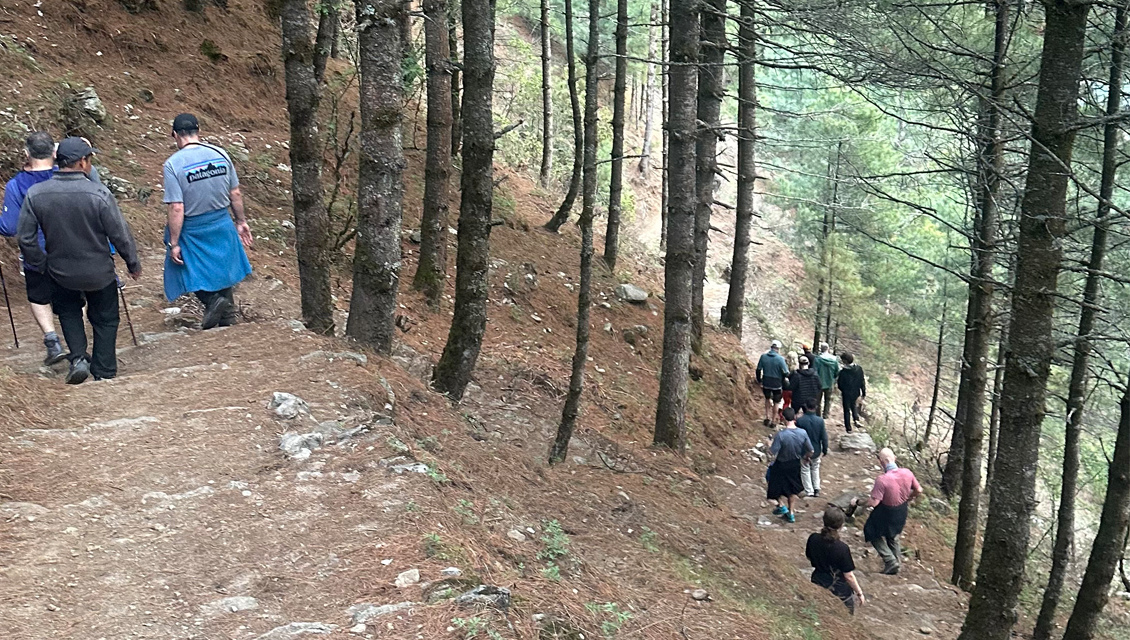
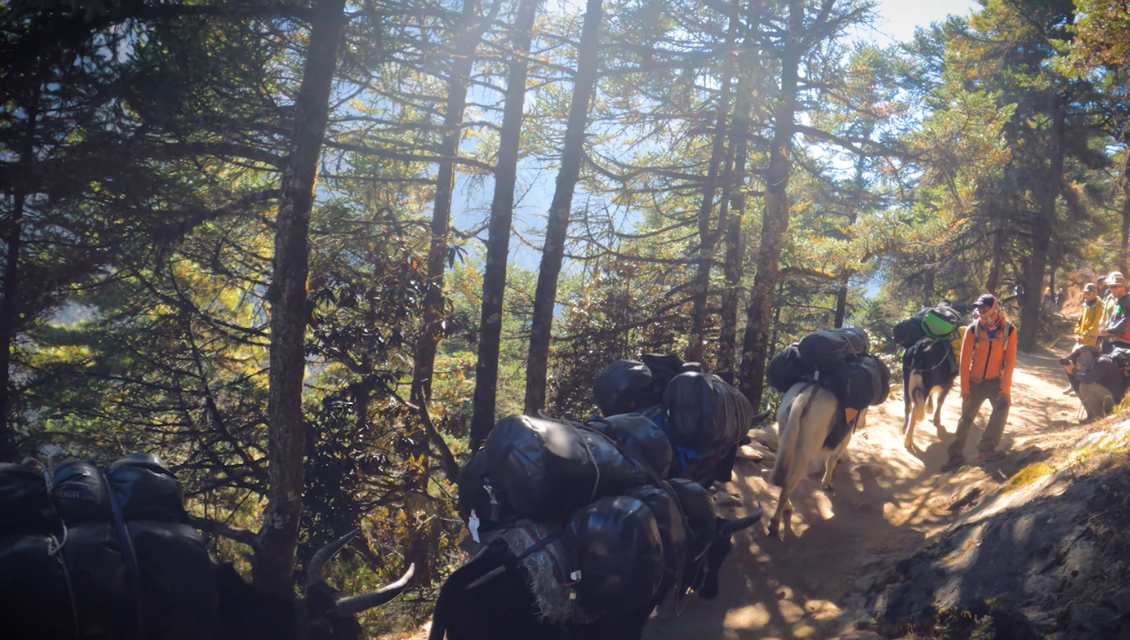
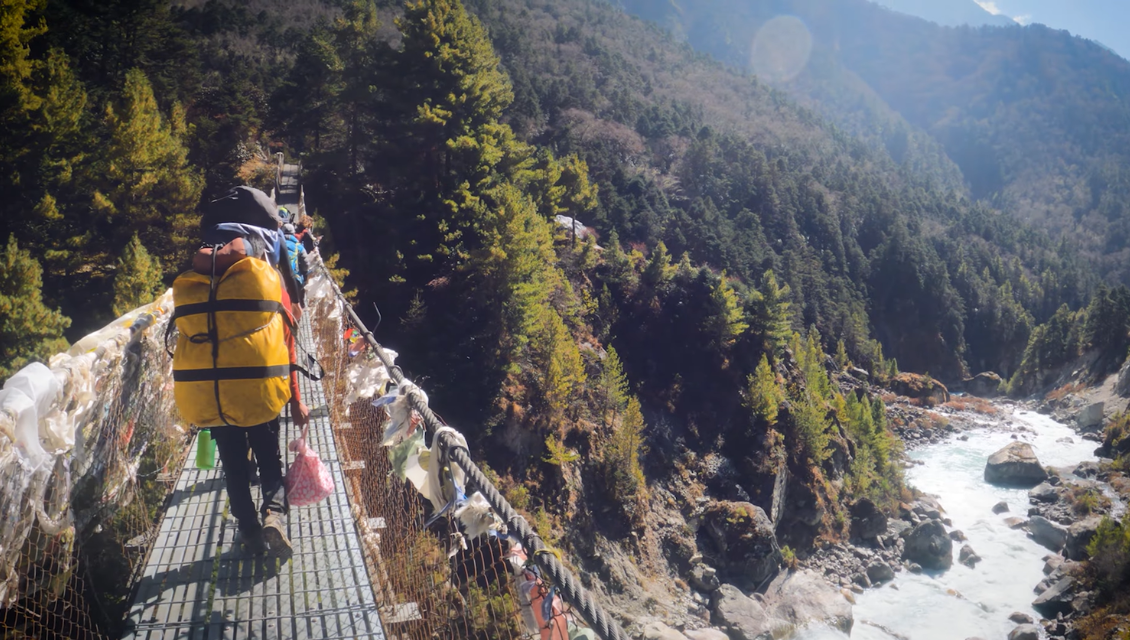
Begin your journey with a scenic mountain flight from Kathmandu to Lukla, offering breathtaking aerial views of the Himalayas. After landing, start trekking along the Dudh Koshi River through pine forests, suspension bridges, and traditional Sherpa villages. The gentle trail to Phakding provides a comfortable introduction to trekking in the Everest region.
Accomadation: Tea House
Place to visit: Everest Region
Meals: Breakfast Lunch Dinner
-
Trek Duration - 5-6 hours
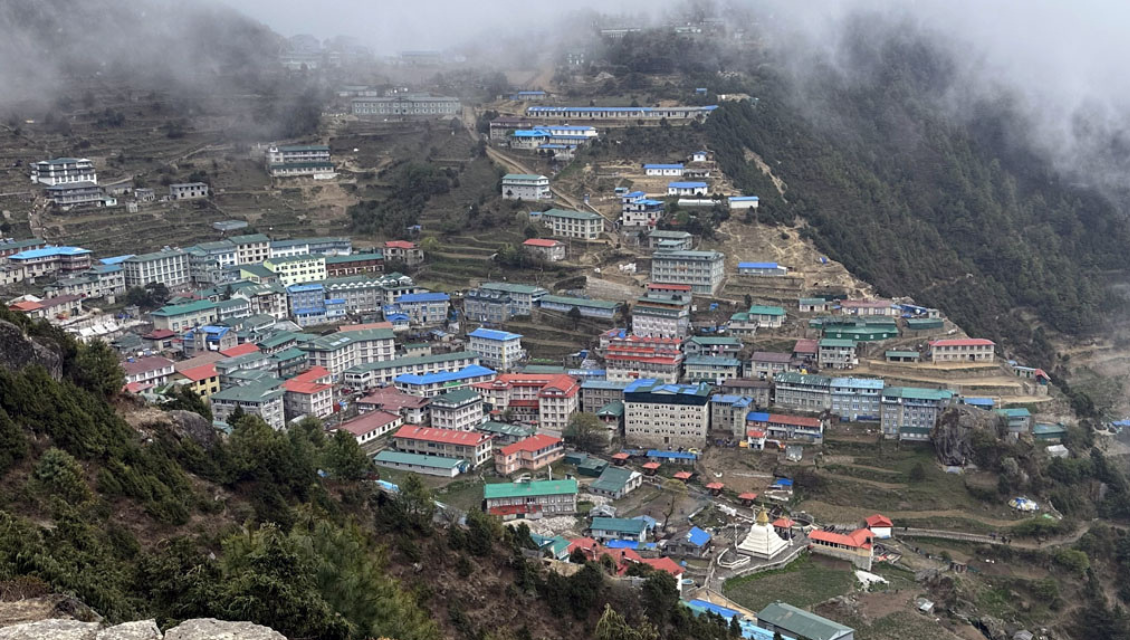
Today’s trail crosses several suspension bridges, including the famous Hillary Suspension Bridge, while ascending through beautiful rhododendron and pine forests. After entering Sagarmatha National Park, continue climbing toward Namche Bazaar, the vibrant Sherpa capital known for its cafes, markets, bakeries, and mountain culture.
Accomadation: Tea House
Place to visit: Everest Region
Meals: Breakfast Lunch Dinner
-
Trek Duration - 4-5 hours
This important acclimatization day helps your body adjust to the altitude. You may hike to the Everest View Hotel for stunning panoramic views of Everest, Lhotse, Ama Dablam, and surrounding Himalayan peaks or visit nearby Sherpa villages and monasteries. The remainder of the day can be spent exploring Namche Bazaar and experiencing local Sherpa culture.
Accomadation: Tea House
Place to visit: Everest Region
Meals: Breakfast Lunch Dinner
-
Trek Duration - 5-6 hours
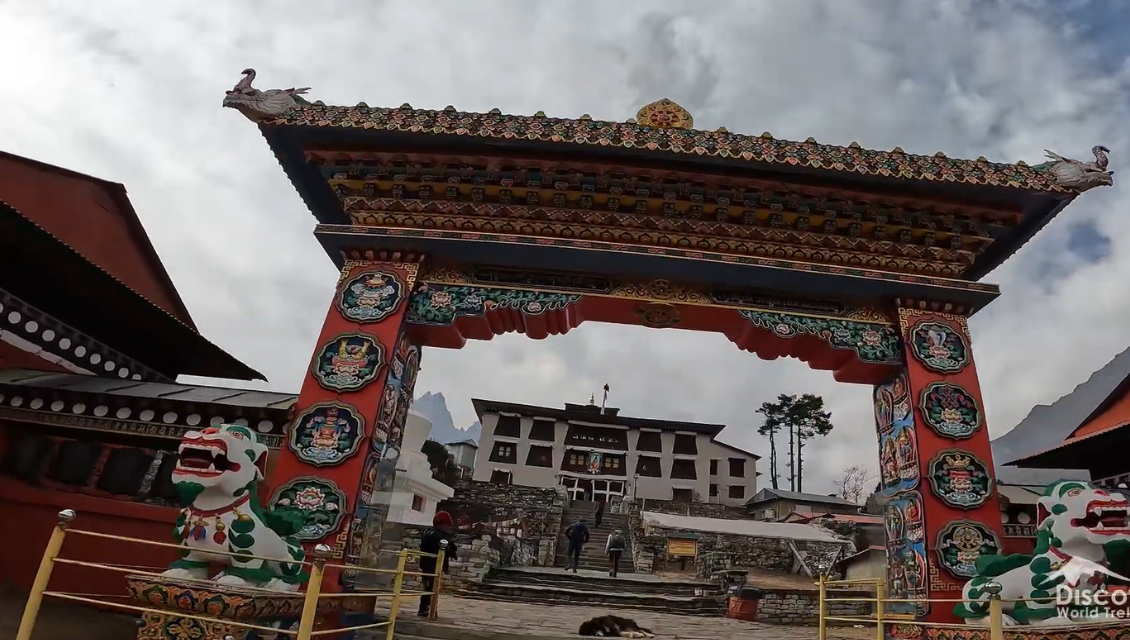
Leaving Namche Bazaar, the trail follows scenic ridges with breathtaking views of Everest, Nuptse, and Ama Dablam before descending through rhododendron forests and crossing mountain rivers. After a gradual ascent, arrive at the famous Tyangboche Monastery, one of the most important spiritual centers in the Khumbu region, surrounded by spectacular Himalayan scenery.
Accomadation: Tea House
Place to visit: Everest Region
Meals: Breakfast Lunch Dinner
-
Festival Duration - Full Day Activities
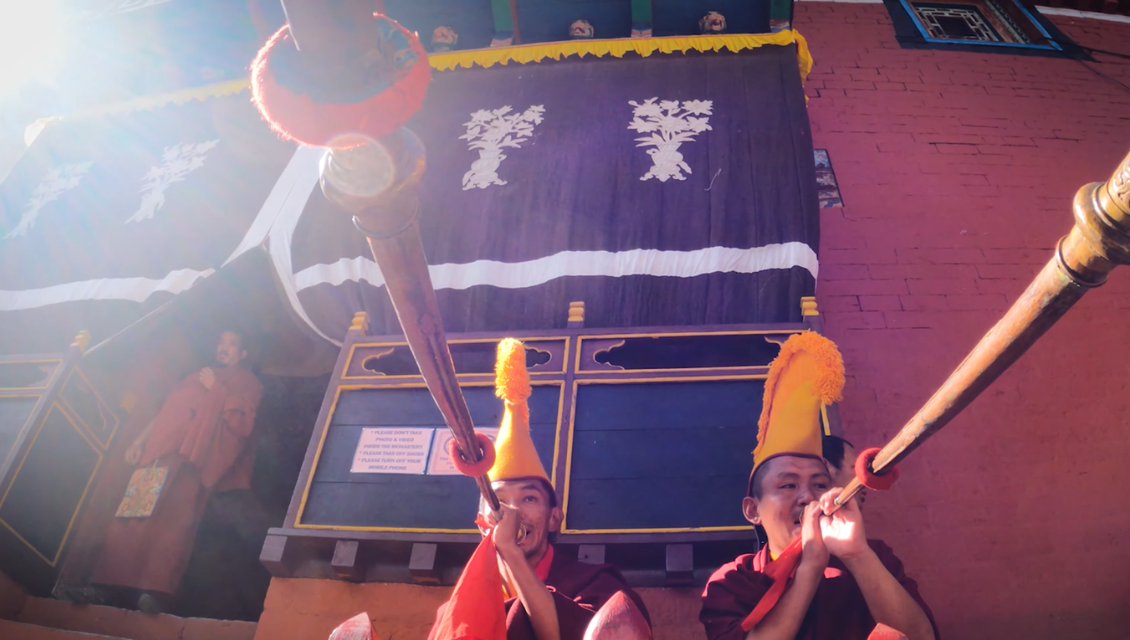
Today marks the beginning of the vibrant Mani Rimdu Festival celebrations at Tyangboche Monastery. Witness sacred masked dances performed by monks dressed in colorful traditional costumes representing Buddhist deities and spiritual stories. The monastery grounds come alive with chanting, ceremonial music, prayer rituals, and local villagers gathering to celebrate this important spiritual festival.
Accomadation: Tea House
Place to visit: Everest Region
Meals: Breakfast Lunch Dinner
-
Festival Duration - Full Day Activities
Continue experiencing the spiritual and cultural celebrations of Mani Rimdu Festival. Throughout the day, observe traditional Buddhist ceremonies, blessings by monks, sacred dances, and cultural performances within the monastery complex. The festival offers a rare opportunity to experience authentic Sherpa traditions and Himalayan Buddhist culture.
Accomadation: Tea House
Place to visit: Everest Region
Meals: Breakfast Lunch Dinner
-
Festival Duration - Full Day Activities
On the final day of the festival, witness concluding prayer ceremonies, monastery rituals, and community celebrations attended by monks and local villagers. Spend time exploring the peaceful monastery surroundings and enjoying panoramic mountain views before preparing for the next stage of the journey.
Accomadation: Tea House
Place to visit: Everest Region
Meals: Breakfast Lunch Dinner
-
Trek Duration - 5-6 hours
Depending on your itinerary preference, continue trekking deeper into the Everest region toward Dingboche through alpine valleys and yak pastures, or begin descending back toward Namche Bazaar through forests and traditional Sherpa settlements. Both routes offer magnificent Himalayan scenery and cultural experiences.
Accomadation: Tea House
Place to visit: Everest Region
Meals: Breakfast Lunch Dinner
-
Trek Duration - 5-6 hours
Begin your descent from Tyangboche through beautiful rhododendron forests, suspension bridges, and traditional Sherpa villages. Along the route, enjoy breathtaking views of Everest, Ama Dablam, and surrounding Himalayan peaks before arriving back at the lively town of Namche Bazaar.
Accomadation: Tea House
Place to visit: Everest Region
Meals: Breakfast Lunch Dinner
-
Trek Duration - 6-7 hours
Continue descending along the Dudh Koshi River through pine forests, riverside trails, and charming mountain settlements. Crossing several suspension bridges and passing local villages, you will finally reach Lukla, where you can celebrate the successful completion of your Himalayan trekking and cultural adventure.
Accomadation: Tea House
Place to visit: Everest Region
Meals: Breakfast Lunch Dinner
-
Travel Duration - 35 minutes flight
Take a scenic morning flight back to Kathmandu while enjoying one final aerial view of the Himalayan peaks. Upon arrival, transfer to your hotel and spend the remainder of the day relaxing, shopping, or exploring the city’s cultural attractions.
Accomadation: Hotel
Place to visit: Nepal
Meals: Breakfast Lunch Dinner
-
According to your flight schedule, transfer to Tribhuvan International Airport for your onward journey. If you are continuing your travels in Nepal, this day can also be used for sightseeing, relaxation, or exploring additional cultural destinations around Kathmandu Valley.
Place to visit: Nepal
Meals: Breakfast
What’s included
Cost includes
1. Transportations
- Private/tourist vehicles for airport pickup and drop-off in Kathmandu.
- Private/tourist vehicles transfer as per itinerary to access the trailheads.
- Domestic flight included for access to the trekking starting & ending point.
2. Accommodation & Meals
- 3 Night 3-star hotel in Kathmandu with bed & breakfast basis.
- Breakfast, lunch & dinner with tea & coffee during the trekking Period.
3. Permits
- Sagarmatha National Park Entry Permit. (Permit required for the Everest region)
- Local Government Entry Permit. (Khumbu Pasang Lhamu Rural Munacipality)
- Trekkers' Information Management System (TIMS) permits.
4. Guide & Staff
- Professional and experience License holder trekking guide salary & insurance.
- Porter salary, equipment’s & insurance.
- First aid medical kit for emergency support.
Cost excludes
1. International Flights
- Airfare from your home country to Nepal (Tribhuvan International Airport, Kathmandu).
- Return airfare from Nepal (Tribhuvan International Airport, Kathmandu) to your home country.
2. Visa Fees
- Nepal entry visa fee for entering Nepal (available on arrival at Tribhuvan International Airport, Kathmandu, or through a Nepalese embassy).
3. Travel Insurance (Mandatory)
- Comprehensive travel insurance covering high-altitude trekking, emergency medical treatment, helicopter evacuation, trip cancellation, and other unforeseen circumstances.
4. Personal Expenses
- Tips, gifts, and souvenirs for trekking guides and porters.
- Personal trekking equipment and gear.
- Charges for lodge Wi-Fi, hot showers, battery charging, and laundry services.
5. Meals & Beverages
- Lunch and dinner in Kathmandu, Pokhara, and other locations where accommodation is provided in 3-star category hotels.
- Soft drinks, bottled water, alcoholic beverages, and snacks consumed during meals
Photos & video
Dates & prices
Private departures run on any date. Pick the start date that suits you and we will build the trip around it — same price, your own guide and team.
Good to know
Essential information
Accommodation
Accommodation is provided in established teahouses and mountain lodges along the Everest trekking corridor.
Lower settlements such as Lukla, Phakding, and Namche Bazaar offer relatively better-developed facilities with improved comfort and services. As altitude increases toward Debuche and Tengboche, accommodation becomes more basic due to remoteness and limited infrastructure.
During the festival period, high demand requires advance booking due to limited lodging capacity in the region.
Meals
A full-board meal plan (Breakfast, Lunch, and Dinner) is provided throughout the trekking journey. Meals are freshly prepared and designed to meet the nutritional demands of moderate-altitude trekking.
Standard menu options include:
- Traditional Dal Bhat set meals
- Noodles, pasta, fried rice, and soups
- Eggs, potatoes, and seasonal vegetables
- Tibetan bread, pancakes, and porridge
- Tea, coffee, and hot beverages
Meal variety gradually decreases with altitude, while maintaining adequate nutritional value.
Difficulty & Physical Requirements
This trek is classified as moderate, suitable for individuals with a reasonable level of fitness and prior hiking experience.
Daily walking durations range from 4 to 7 hours, following a gradual ascent through the Everest valley. The trek does not involve technical climbing but requires endurance and acclimatization for higher elevations.
Permits
Required permits include:
- Sagarmatha National Park Entry Permit
- Khumbu Pasang Lhamu Rural Municipality Permit
- TIMS Card (subject to itinerary structure)
All permits are arranged in advance by the trekking operator for regulatory compliance.
Best Season
The Mani Rimdu Festival at Tengboche Monastery is held annually during October–November, aligning with the optimal trekking season in the Everest region.
Seasonal advantages include:
- Stable weather conditions
- Exceptional Himalayan visibility
- Dry and well-defined trekking trails
- Active cultural and festival atmosphere
Transportation & Access
The journey begins with a scenic flight from Kathmandu to Lukla, followed by trekking through key Sherpa settlements including Phakding and Namche Bazaar before reaching Tengboche.
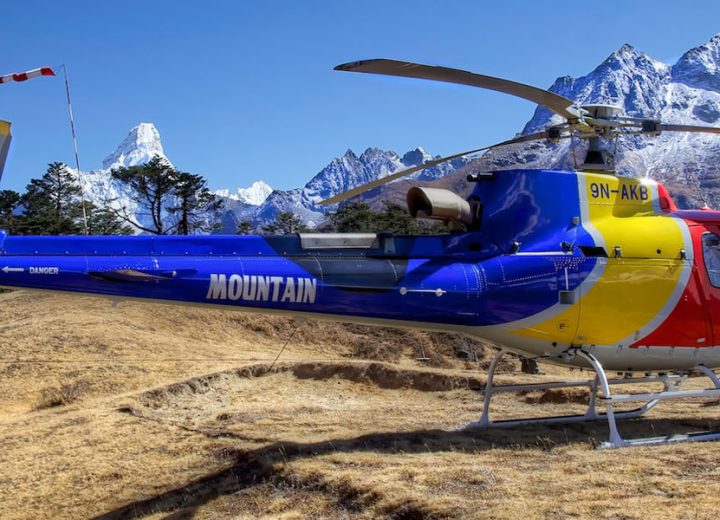
Helicopter transfer options are available for premium or time-sensitive itineraries.
Safety & Acclimatization
Although the maximum elevation is moderate compared to higher Everest expeditions, proper acclimatization remains essential.
Key acclimatization stops such as Namche Bazaar play a critical role in reducing altitude-related risks.
Experienced licensed guides ensure structured pacing, safety monitoring, and emergency preparedness throughout the trek.
Travel Insurance
Comprehensive travel insurance is mandatory and should include:
- High-altitude trekking coverage (minimum 4,000m+)
- Emergency helicopter evacuation and rescue
- Medical treatment and hospitalization
- Trip cancellation and interruption coverage
Additional information
Guide & Cultural Interpretation
The trek is led by professional, licensed guides with expertise in both trekking logistics and cultural interpretation.
Guides provide detailed explanations of:
- Ritual significance of Mani Rimdu ceremonies
- Symbolism of Cham (masked) dances
- History and spiritual importance of Tengboche Monastery
- Sherpa Buddhist traditions and Himalayan heritage
Festival Highlights
The Mani Rimdu Festival at Tengboche is one of the most important cultural events in the Himalayas, featuring:
- Sacred Cham masked dances performed by monks
- Empowerment and blessing ceremonies
- Fire purification rituals (Jinsak)
- Sand mandala creation and ritual dissolution
- Chanting, prayers, and spiritual offerings
- Community participation and cultural gatherings
Essential Equipment
Recommended trekking equipment includes:
- Layered clothing suitable for alpine conditions
- Warm down jacket for cold mornings and evenings
- Waterproof jacket and trousers
- Comfortable trekking boots (well broken-in)
- Gloves, hat, buff, and UV-protection sunglasses
- Daypack (20–30L) for daily essentials
- Camera for cultural and landscape photography
Communication & Connectivity
Mobile network coverage (Nepal Telecom and Ncell) is available in lower sections of the route but becomes limited near Tengboche.
Wi-Fi services are available in selected lodges at an additional cost, though connectivity remains inconsistent during festival days.
Why Choose the Tengboche Mani Rimdu Festival Trek?
This trek offers a rare combination of Himalayan trekking and authentic Buddhist cultural immersion:
- Witness the sacred Mani Rimdu Festival at Tengboche Monastery
- Traverse the iconic Everest trekking route
- Panoramic views of Everest, Ama Dablam, and Lhotse
- Deep insight into Sherpa spiritual and cultural heritage
- Ideal timing during peak autumn trekking season
- Moderate difficulty suitable for a wide range of trekkers
- Unique blend of nature, culture, and spirituality
- One of the most prestigious cultural trekking experiences in Nepal
Keep exploring