Festival Trek In Nepal · Everest Region
Chiwang Mani Rimdu Festival
- Duration13 Days
- DifficultyModerate
- Max altitude2700m
- Group size17 People
- Best seasonSEP-NOV, MAR-MAY
- Start / finishKathmandu
Trip overview
The Chiwang Mani Rimdu Festival Trek is a culturally rich Himalayan journey that combines scenic trekking in the lower Everest region with one of the most important Buddhist festivals of the Sherpa community. This trek offers a rare opportunity to witness the sacred Mani Rimdu festival at Chiwang Monastery while exploring peaceful trails, traditional villages, and beautiful mountain landscapes.
The journey is designed for travelers who wish to experience both cultural immersion and moderate trekking in the Solu-Khumbu region. Unlike high-altitude Everest Base Camp routes, this trek stays in lower elevations, making it more accessible while still offering stunning views of Himalayan peaks, including Mount Everest, Nuptse, and surrounding Himalayan ranges.
The highlight of the trek is participation in the Mani Rimdu festival at Chiwang Monastery, where monks perform sacred masked dances, rituals, and ceremonies that represent the victory of Buddhism over negative forces. This experience provides deep insight into the spiritual traditions of the Sherpa people.
This trek is ideal for cultural travelers, photographers, and those seeking a meaningful Himalayan experience beyond standard trekking routes.
Geography and Landscape
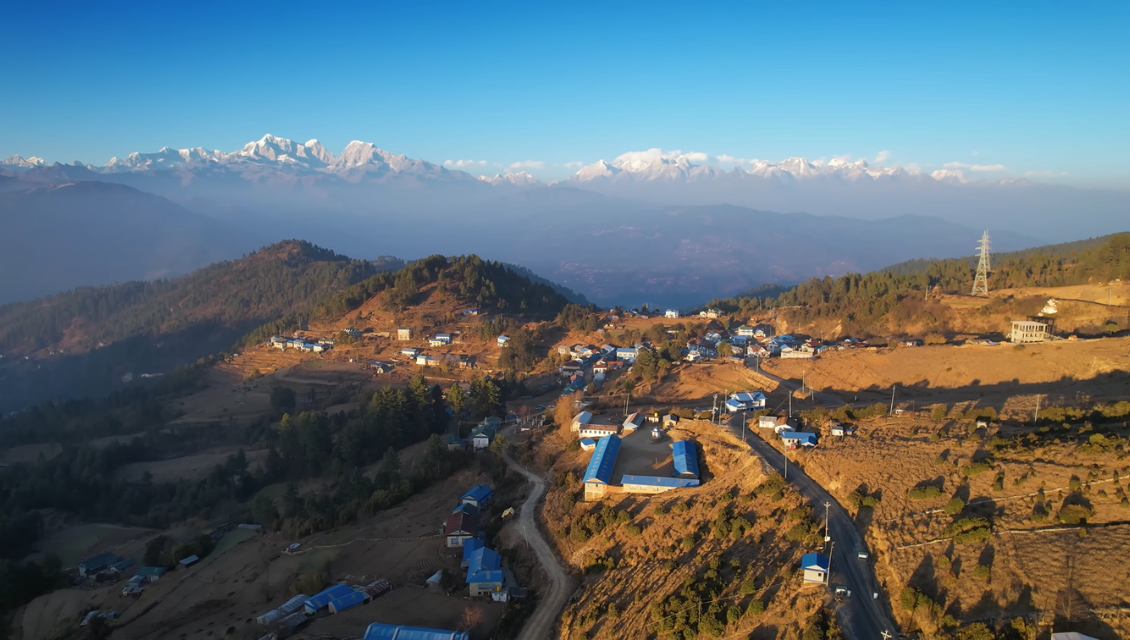
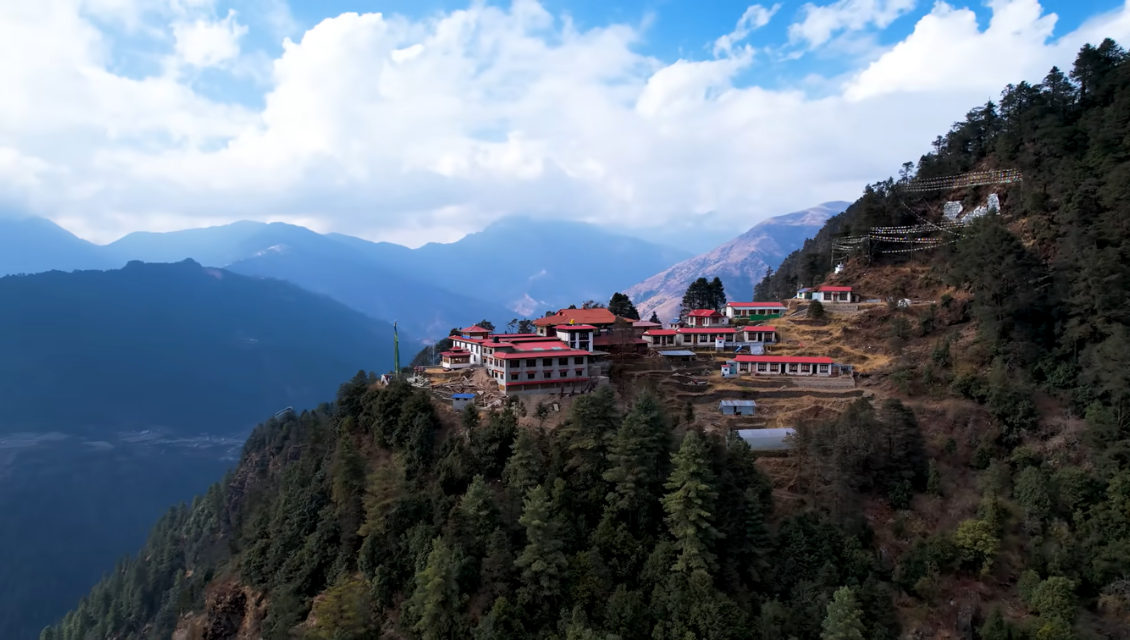
The Chiwang Mani Rimdu Festival Trek takes place in the lower Solu-Khumbu region of northeastern Nepal, south of the main Everest trekking corridor. The trail passes through rolling hills, terraced farmlands, pine and rhododendron forests, and traditional Sherpa settlements.
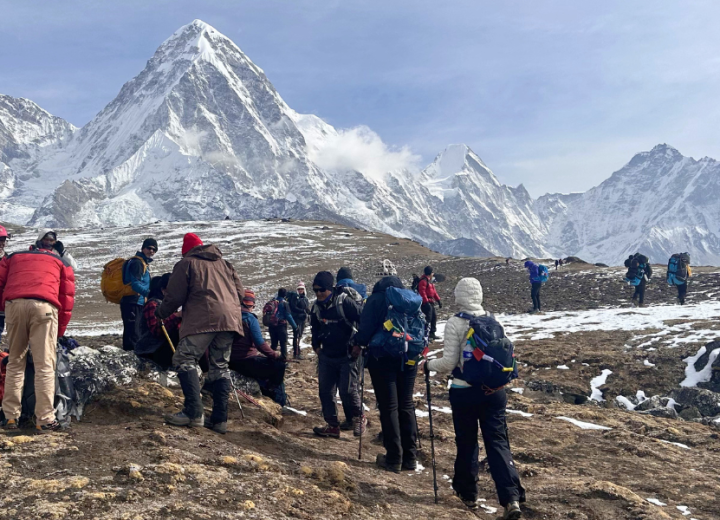
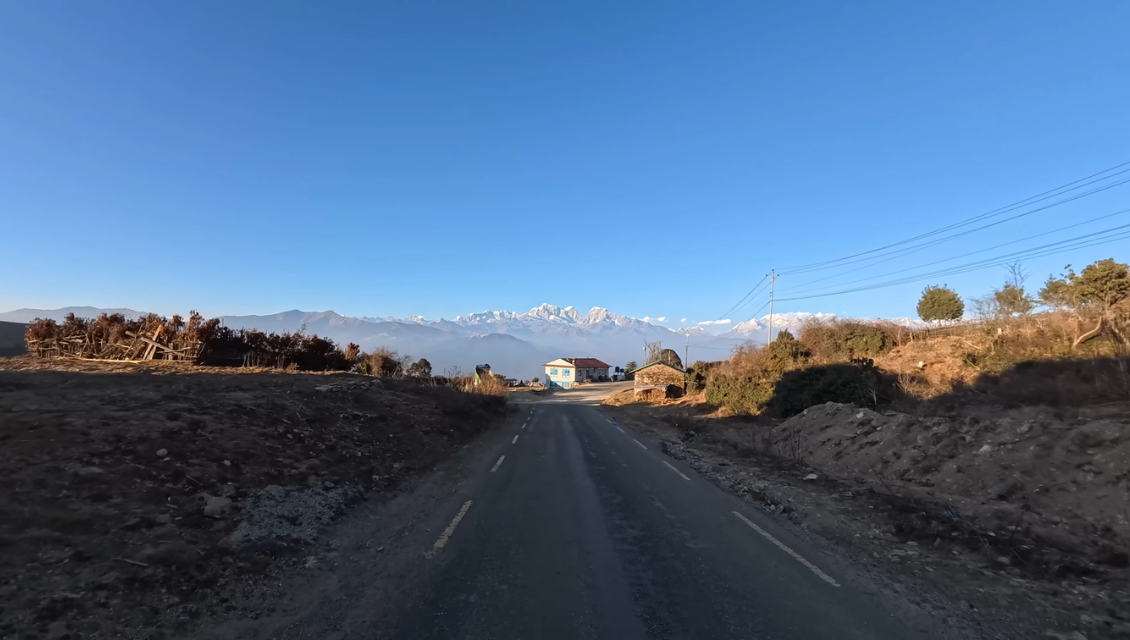
The landscape is generally lower in altitude compared to classic Everest treks, offering a more relaxed trekking experience with fewer altitude challenges. However, the scenery remains spectacular, with distant views of snow-capped Himalayan peaks and peaceful valley landscapes.
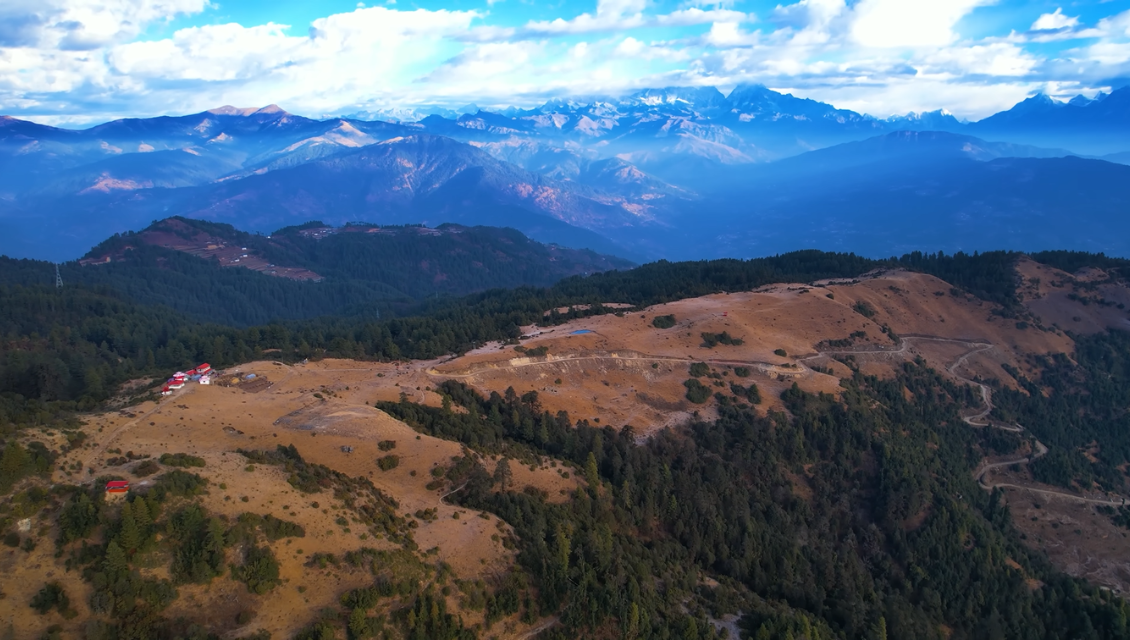
The route gradually ascends through scenic ridgelines and forested trails, providing excellent viewpoints of the surrounding hills and distant Himalayan giants. The combination of green hills, cultural villages, and alpine backdrops creates a diverse and visually rich trekking environment.
Climate and Best Time to Trek
The best time to undertake the Chiwang Mani Rimdu Festival Trek is during autumn (September to November), when the weather is clear, stable, and ideal for both trekking and festival activities. This period also coincides with the Mani Rimdu festival dates, making it the most culturally significant time to visit.
Spring (March to May) is also a good trekking season, offering mild temperatures and blooming rhododendron forests. Winter (December to February) can be cold but remains manageable due to lower elevations. The monsoon season (June to August) is less suitable due to heavy rainfall, slippery trails, and limited visibility.
Overall, autumn is the most recommended season, as it combines excellent trekking conditions with the vibrant Mani Rimdu celebrations.
People and Culture
The trek is deeply rooted in Sherpa culture, which is strongly influenced by Tibetan Buddhism and Himalayan traditions. The lower Solu region is home to Sherpa, Rai, and other ethnic communities who maintain a traditional lifestyle based on agriculture, animal husbandry, and spiritual practices.
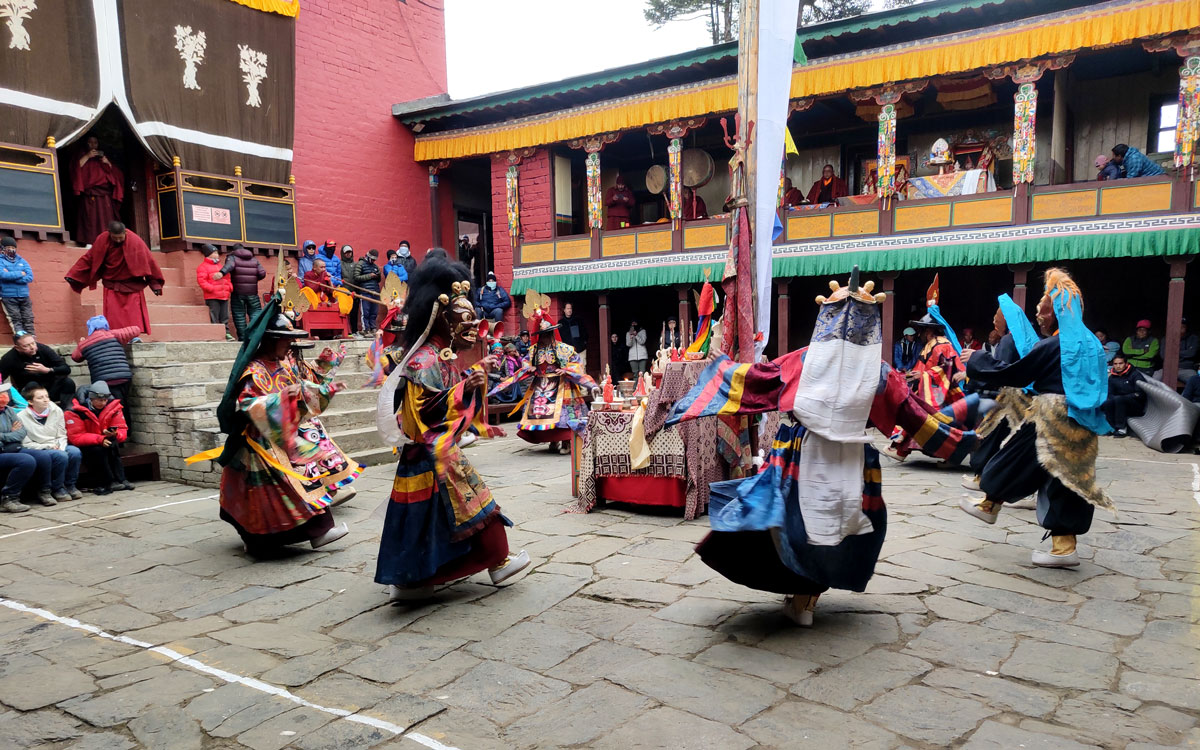
The main cultural highlight is the Mani Rimdu festival at Chiwang Monastery, one of the most important Buddhist celebrations in the region. The festival features elaborate masked dances (Cham), ritual ceremonies, prayers, and blessings conducted by monks. These performances symbolize the triumph of good over evil and the purification of negative energies.
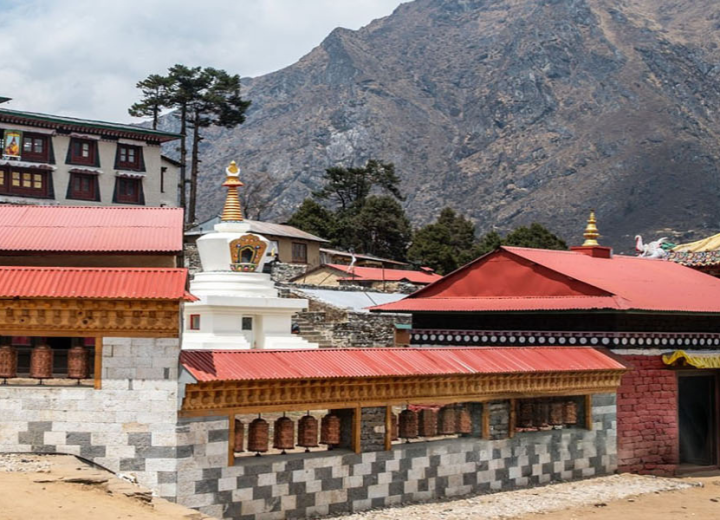
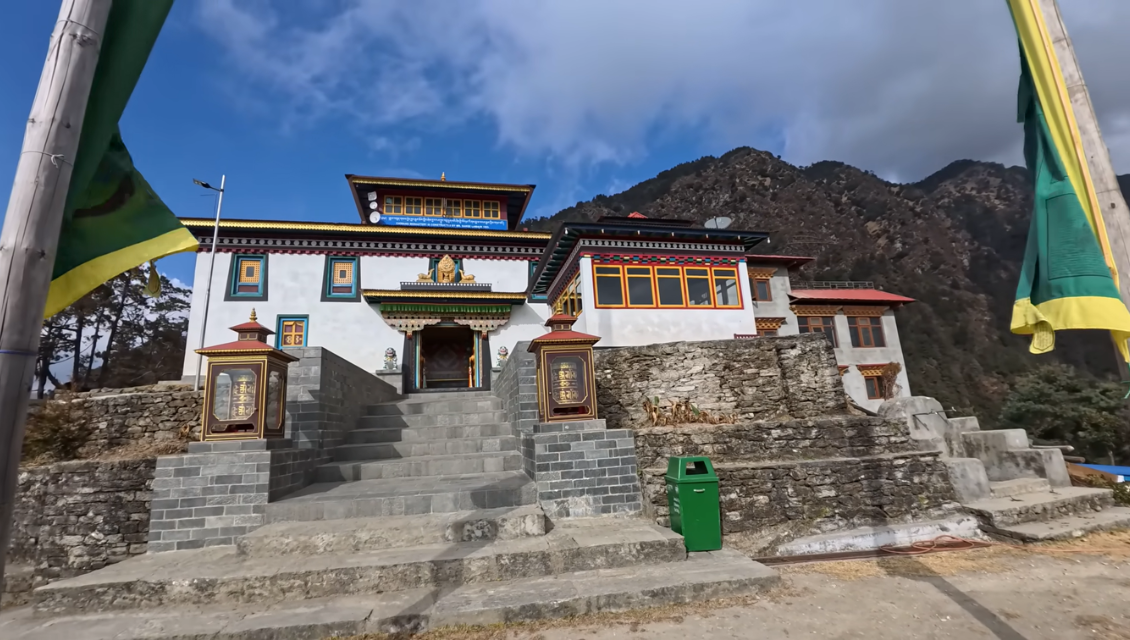
Throughout the trek, travelers experience authentic village life, traditional stone houses, prayer flags, mani walls, and chortens that reflect the deep spiritual connection of the local people. The combination of cultural immersion, festival participation, and serene Himalayan landscapes makes this trek a truly unique and memorable experience in Nepal.
Highlights
- Mani Rimdu Festival – sacred Tibetan Buddhist festival with deep spiritual rituals Mani Rimdu
- Chiwang Monastery celebration – major festival site in Chiwang Monastery
- Masked Cham dances – vibrant ritual dances symbolizing good vs evil
- Monastic blessings – prayers, chants, and empowerment ceremonies
- Sacred rituals – fire puja and religious offerings by monks
- Cultural experience – insight into Sherpa Buddhist traditions
- Festive gathering – community celebration with locals and pilgrims
- Himalayan spirituality – strong connection to mountain faith and heritage
Day-by-day itinerary
-
Upon arriving at Tribhuvan International Airport, you will be warmly welcomed and transferred to your hotel in Kathmandu. The remainder of the day is free to relax after your journey or explore the vibrant streets of Thamel, famous for its cafes, restaurants, and trekking shops.
Accomadation: Hotel
Place to visit: Nepal
Meals: Dinner
-
Today is dedicated to trek preparation and permit arrangements before beginning your Himalayan cultural adventure. You will meet your trekking guide for a detailed briefing covering the itinerary, local customs, safety information, and trekking essentials. This is also the perfect time to organize your equipment, complete permit formalities, and purchase any last-minute trekking gear if needed. You may spend the rest of the day exploring Kathmandu’s cultural sites and lively markets.
Accomadation: Hotel
Place to visit: Nepal
Meals: Breakfast
-
Trek Duration - 3-4 hours
Take a scenic domestic flight from Kathmandu to Phaplu, offering beautiful aerial views of the Himalayan foothills and rolling hills of the Solu region. After landing, begin a gentle trek through traditional Sherpa villages, terraced farmland, and peaceful forest trails. This day provides a wonderful introduction to the culture, landscapes, and hospitality of the lower Everest region.
Accomadation: Tea House
Place to visit: Everest Region
Meals: Breakfast Lunch Dinner
-
Trek Duration - 5-6 hours
Today’s trail gradually ascends through scenic hills, rhododendron forests, and traditional mountain settlements toward the beautiful village of Chiwang. Along the route, enjoy peaceful surroundings, prayer flags, Buddhist stupas, and panoramic mountain views while experiencing authentic Sherpa culture and village life.
Accomadation: Tea House
Place to visit: Everest Region
Meals: Breakfast Lunch Dinner
-
Trek Duration - 2-3 hours
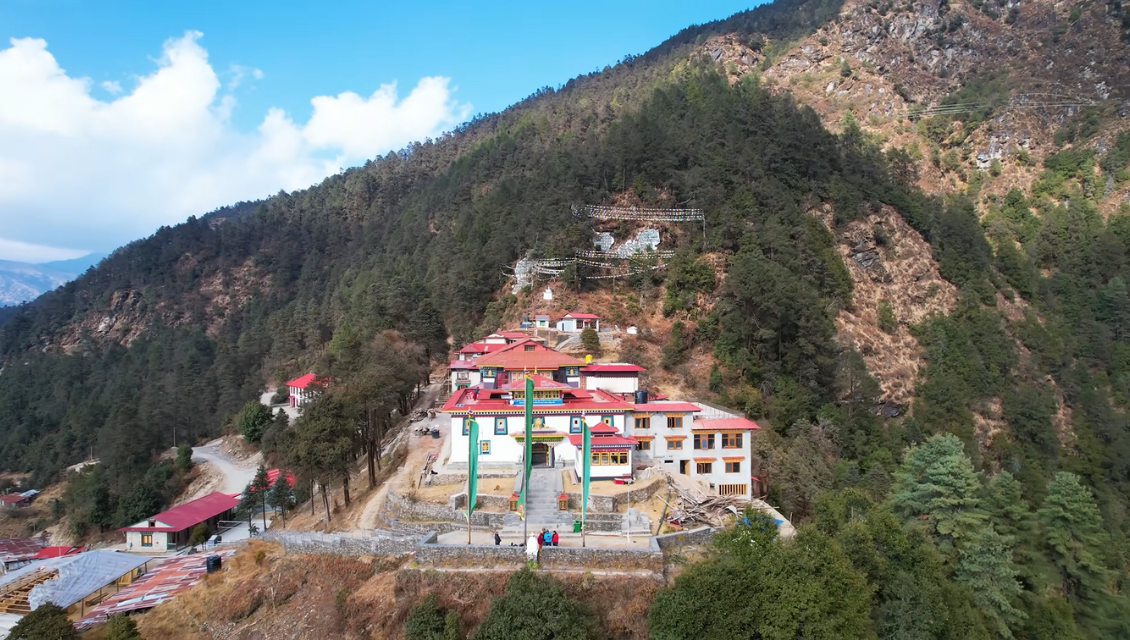
Arrive at Chiwang Monastery, one of the important spiritual centers in the Solu region. The village comes alive with preparations for the Mani Rimdu Festival, offering an opportunity to witness Buddhist rituals, ceremonial prayers, and the unique atmosphere surrounding this sacred celebration. Spend the remainder of the day exploring the monastery, interacting with monks and locals, and enjoying the peaceful Himalayan surroundings.
Accomadation: Tea House
Place to visit: Everest Region
Meals: Breakfast Lunch Dinner
-
Festival Duration - Full Day Activities
Today marks the beginning of the vibrant Mani Rimdu Festival celebrations at Chiwang Monastery. Witness sacred masked dances performed by monks dressed in colorful traditional costumes representing Buddhist deities and spiritual stories. The monastery grounds fill with chanting, ceremonial music, prayer rituals, and local villagers gathering to celebrate this important spiritual festival. The atmosphere offers a unique insight into Tibetan Buddhist culture and Himalayan traditions.
Accomadation: Tea House
Place to visit: Everest Region
Meals: Breakfast Lunch Dinner
-
Festival Duration - Full Day Activities
Continue experiencing the spiritual and cultural celebrations of Mani Rimdu Festival. Throughout the day, observe traditional dances, ancient Buddhist rituals, and blessing ceremonies conducted by monks inside the monastery complex. The festival also provides opportunities to interact with local Sherpa communities, learn about their customs, and enjoy the festive Himalayan atmosphere surrounded by mountain scenery.
Accomadation: Tea House
Place to visit: Everest Region
Meals: Breakfast Lunch Dinner
-
Festival Duration - Full Day Activities
On the final day of the festival, witness concluding prayer ceremonies, spiritual rituals, and special monastery events celebrated by monks and local villagers. Spend time exploring the monastery surroundings, prayer halls, and nearby Sherpa settlements while enjoying the peaceful Himalayan environment. This day offers a memorable cultural experience and a deeper understanding of Buddhist traditions in the Everest region.
Accomadation: Tea House
Place to visit: Everest Region
Meals: Breakfast Lunch Dinner
-
Trek Duration - Optional Short Hikes
Today is flexible and can be spent exploring nearby monasteries, traditional Sherpa villages, and scenic viewpoints around Chiwang. You may also choose to relax at the teahouse, interact with local villagers, or simply enjoy the peaceful Himalayan atmosphere before beginning the return journey.
Accomadation: Tea House
Place to visit: Everest Region
Meals: Breakfast Lunch Dinner
-
Trek Duration - 5-6 hours
Begin your descent through beautiful forest trails, mountain ridges, and traditional villages while retracing your route toward Phaplu. The return trek allows you to enjoy the scenic landscapes and cultural beauty of the Solu region from a different perspective.
Accomadation: Tea House
Place to visit: Everest Region
Meals: Breakfast Lunch Dinner
-
Trek Duration - 4-5 hours
Continue the final section of the trek back to Phaplu through peaceful hillsides, farmlands, and Sherpa settlements. Upon arrival, enjoy a relaxing evening and celebrate the completion of your cultural trekking journey in the Everest region.
Accomadation: Tea House
Place to visit: Everest Region
Meals: Breakfast Lunch Dinner
-
Travel Duration - 35-40 minutes flight
Take a scenic flight back to Kathmandu while enjoying beautiful aerial views of the Himalayan landscape one final time. Upon arrival, transfer to your hotel and spend the rest of the day relaxing, exploring the city, or shopping for souvenirs.
Accomadation: Hotel
Place to visit: Nepal
Meals: Breakfast Lunch Dinner
-
Altitude - 1400m
Depending on your flight schedule, enjoy some free time in Kathmandu before being transferred to Tribhuvan International Airport for your onward journey. We hope you had a memorable experience witnessing the spiritual and cultural beauty of the Mani Rimdu Festival in Nepal.
Place to visit: Nepal
Meals: Breakfast
What’s included
Cost includes
1. Transportations
- Private/tourist vehicles for airport pickup and drop-off in Kathmandu.
- Private/tourist vehicles transfer as per itinerary to access the trailheads.
- Domestic flight included for access to the trekking starting & ending point.
2. Accommodation & Meals
- 3 Night 3-star hotel in Kathmandu with bed & breakfast basis.
- Breakfast, lunch & dinner with tea & coffee during the trekking Period.
3. Permits
- Sagarmatha National Park Entry Permit. (Permit required for the Everest region)
- Local Government Entry Permit. (Khumbu Pasang Lhamu Rural Munacipality)
- Trekkers' Information Management System (TIMS) permits.
4. Guide & Staff
- Professional and experience License holder trekking guide salary & insurance.
- Porter salary, equipment’s & insurance.
- First aid medical kit for emergency support.
Cost excludes
1. International Flights
- Airfare from your home country to Nepal (Tribhuvan International Airport, Kathmandu).
- Return airfare from Nepal (Tribhuvan International Airport, Kathmandu) to your home country.
2. Visa Fees
- Nepal entry visa fee for entering Nepal (available on arrival at Tribhuvan International Airport, Kathmandu, or through a Nepalese embassy).
3. Travel Insurance (Mandatory)
- Comprehensive travel insurance covering high-altitude trekking, emergency medical treatment, helicopter evacuation, trip cancellation, and other unforeseen circumstances.
4. Personal Expenses
- Tips, gifts, and souvenirs for trekking guides and porters.
- Personal trekking equipment and gear.
- Charges for lodge Wi-Fi, hot showers, battery charging, and laundry services.
5. Meals & Beverages
- Lunch and dinner in Kathmandu, Pokhara, and other locations where accommodation is provided in 3-star category hotels.
- Soft drinks, bottled water, alcoholic beverages, and snacks consumed during meals
Photos & video
Dates & prices
Private departures run on any date. Pick the start date that suits you and we will build the trip around it — same price, your own guide and team.
Good to know
Essential information
Accommodation
Accommodation is provided in basic teahouses, community lodges, and small guesthouses along the lower Everest trekking routes.
In towns such as Phaplu and surrounding villages, accommodation options are relatively more developed with improved comfort. As the trek approaches Chiwang Monastery and rural areas, facilities become simpler due to limited infrastructure.
During festival periods, advance booking is highly recommended due to increased local and visitor demand.
Meals
A full-board meal plan (Breakfast, Lunch, and Dinner) is available throughout the journey. Meals are freshly prepared and reflect local Sherpa and Nepali cuisine.
- Typical menu options include:
- Traditional Dal Bhat set meals
- Noodles, fried rice, and pasta
- Soups, potatoes, and seasonal vegetables
- Eggs, Tibetan bread, and pancakes
- Tea, coffee, and local butter tea
Food is simple but sufficient for a cultural trekking experience.
Difficulty & Physical Requirements
The Chiwang Mani Rimdu Festival Trek is classified as easy to moderate, suitable for beginners, cultural travelers, and families.
Daily walking duration generally ranges from 3 to 5 hours, with gradual elevation changes and non-technical trails. The route is accessible and does not require prior trekking experience.
Permits
Required permits include:
- Local municipality entry permit (Solukhumbu region)
- Sagarmatha National Park Permit (if itinerary extends into protected areas)
- TIMS Card (depending on route design)
All permits are arranged by the trekking operator.
Best Season
The Mani Rimdu Festival at Chiwang Monastery is typically celebrated in October–November, making autumn the ideal travel season.
Seasonal advantages include:
- Clear Himalayan visibility
- Stable weather conditions
- Dry and comfortable trekking trails
- Rich cultural festival atmosphere
Transportation & Access
The journey to Chiwang Monastery generally begins with a flight or drive from Kathmandu to Phaplu, followed by a short drive or hike to the monastery area.
Common access options include:
- Flight: Kathmandu → Phaplu Airport
- Road travel via jeep or bus (weather dependent)
- Short trekking routes through nearby villages
Safety & Acclimatization
This trek remains at relatively moderate altitudes, with low risk of altitude sickness.
However, gradual walking and basic physical preparedness are recommended for comfort. Local guides ensure safe travel and cultural navigation throughout the route.
Travel Insurance
Recommended travel insurance should include:
- Medical coverage for trekking activities
- Emergency evacuation (including helicopter if required)
- Accident and injury coverage
- Trip cancellation and interruption protection
Additional information
Guide & Cultural Interpretation
Experienced local guides accompany the trek, offering cultural interpretation and insights into Buddhist rituals and Sherpa traditions.
Guides explain:
- Meaning of Mani Rimdu masked dances (Cham)
- Spiritual significance of rituals and prayers
- History and importance of Chiwang Monastery
- Local Sherpa cultural practices and beliefs
Festival Highlights
The Chiwang Mani Rimdu Festival offers a powerful cultural and spiritual experience, featuring:
- Traditional Cham (masked) dances by monks
- Ritual empowerment ceremonies
- Chanting and prayer sessions
- Fire purification rituals
- Blessings for peace, prosperity, and protection
- Community participation and local celebrations
Essential Equipment
Recommended items include:
- Comfortable walking shoes or trekking boots
- Layered clothing for cool mountain weather
- Warm jacket for mornings and evenings
- Rain/windproof jacket
- Sunglasses and sunscreen
- Small daypack for daily essentials
- Camera for cultural photography (respectful use advised)
Communication & Connectivity
Mobile network coverage (Nepal Telecom and Ncell) is available in Phaplu and nearby areas but may be limited around the monastery region.
Wi-Fi access is very limited, so travelers should expect a semi-remote cultural experience.
Why Choose the Chiwang Mani Rimdu Festival Trek?
This trek is ideal for travelers seeking an authentic and less crowded cultural experience in the Everest region:
- Witness traditional Mani Rimdu Festival at Chiwang Monastery
- Less crowded and more authentic festival setting
- Easy trekking route suitable for beginners
- Deep insight into Sherpa Buddhist culture
- Scenic lower Everest landscapes
- Combine culture, spirituality, and light trekking
- Ideal short cultural extension from Kathmandu or Everest region
- Rich experience of Himalayan village life
Keep exploring