Expeditions In Nepal · Everest Region
Baruntse Expedition
- Duration39 Days
- DifficultyModerate
- Max altitude7129m
- Group size17 People
- Best seasonSEP-NOV, MAR-MAY
- Start / finishKathmandu
Trip overview
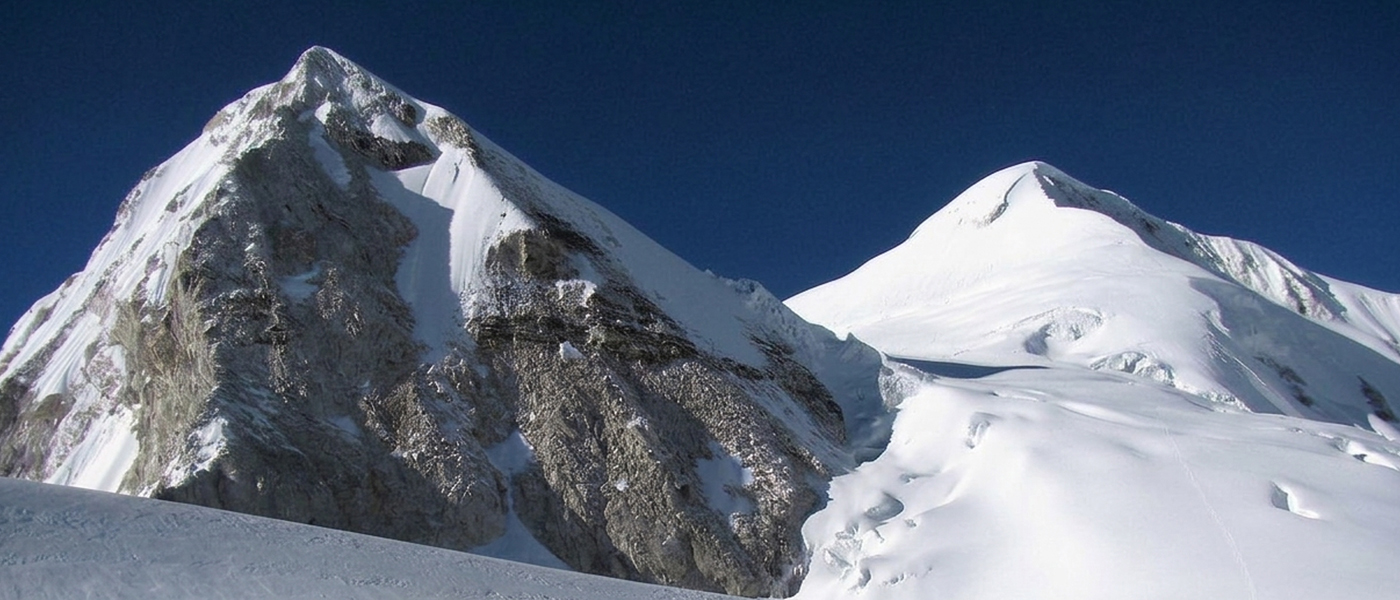
The Baruntse Expedition is a classic 7,000-meter Himalayan climbing adventure located in the remote Makalu–Barun region of eastern Nepal. Known for its balanced difficulty, stable weather patterns, and spectacular alpine environment, Baruntse is widely recognized as one of the best preparation peaks for higher 8,000-meter expeditions such as Everest, Lhotse, and Makalu.
The expedition begins with a scenic flight from Kathmandu to Lukla or Tumlingtar, followed by a long and remote trekking approach through pristine valleys, river gorges, and high-altitude wilderness. Unlike more commercial trekking routes, Baruntse lies in a highly isolated region, offering a true expedition-style experience with minimal human settlement and maximum exposure to raw Himalayan nature.
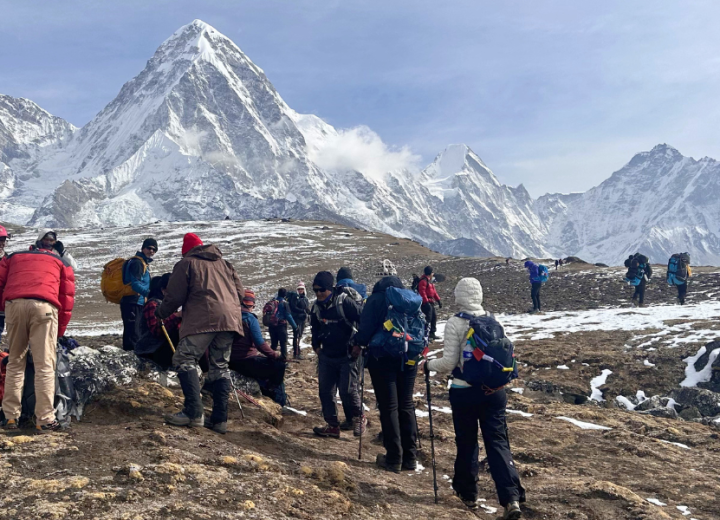
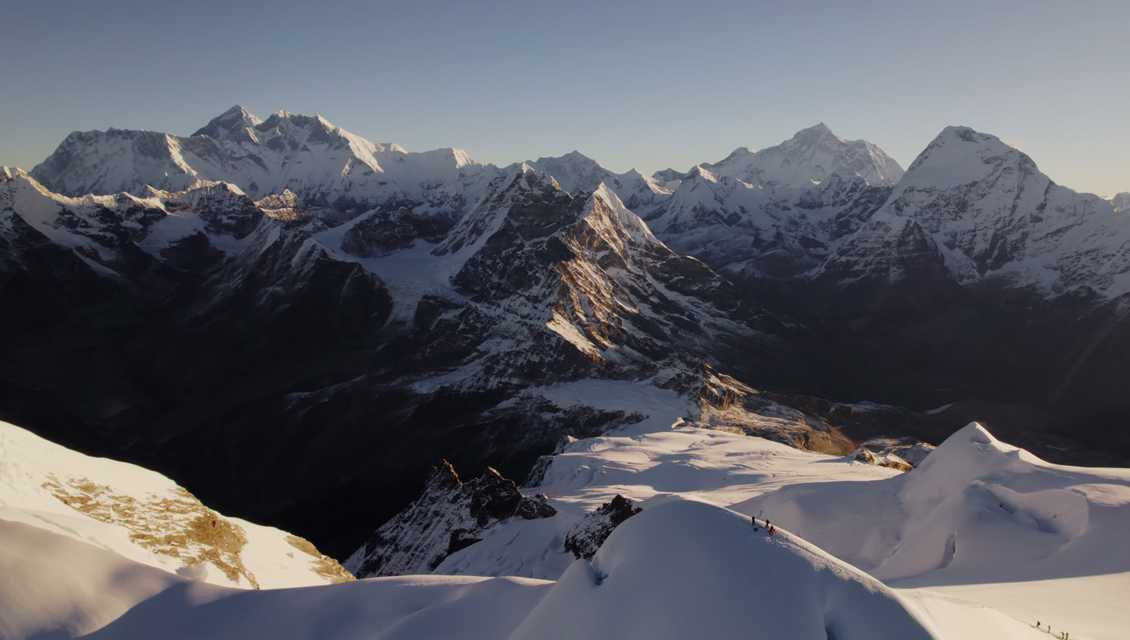
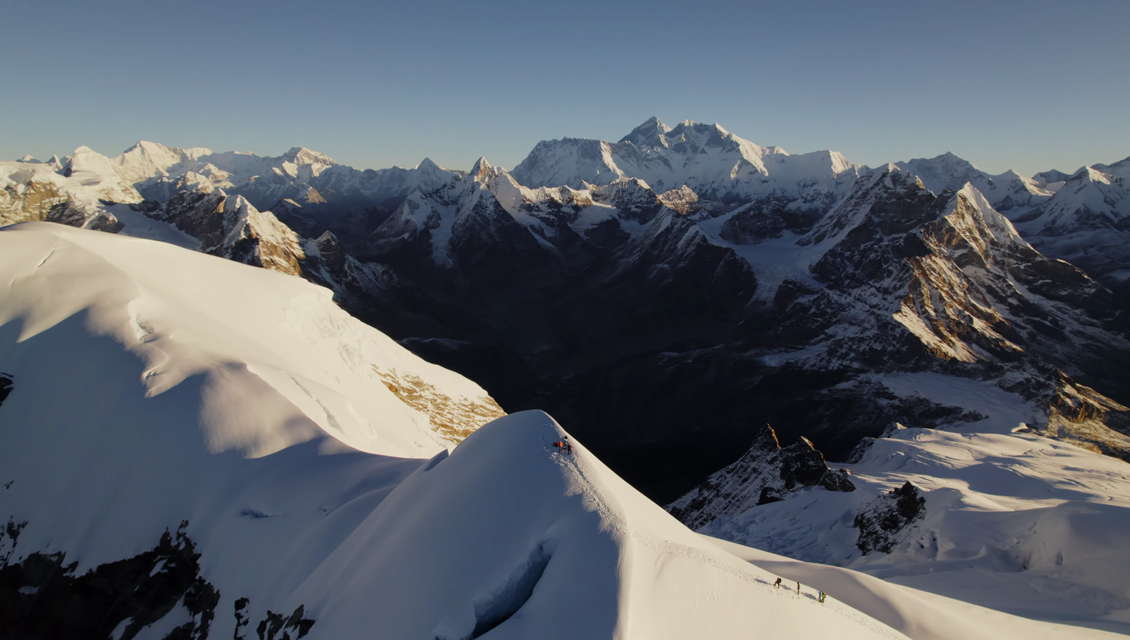
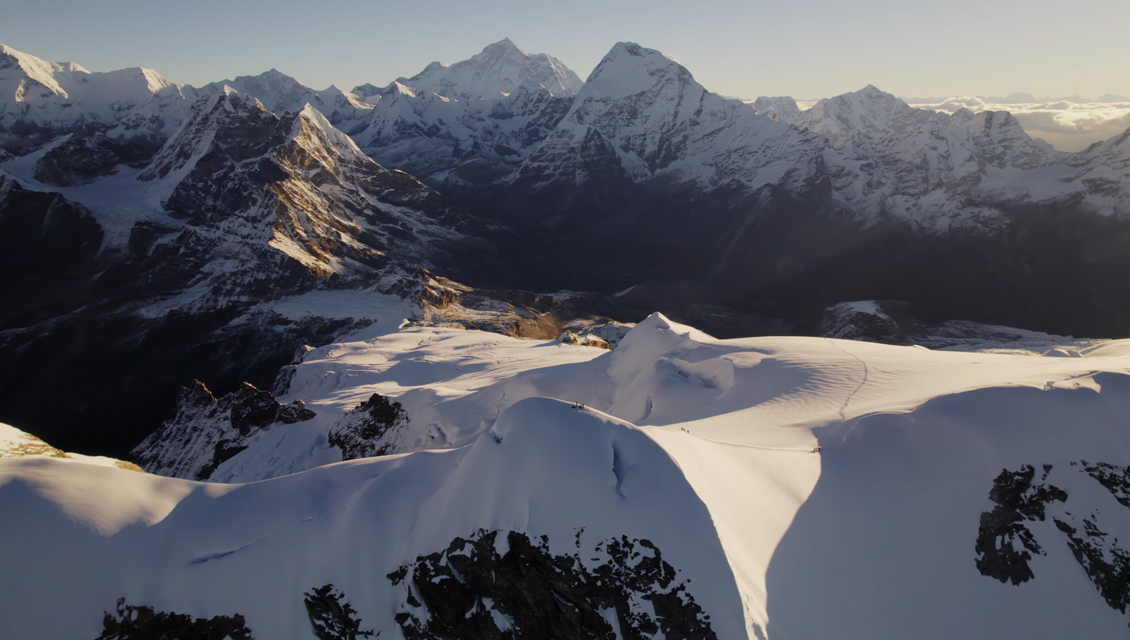
The approach gradually transitions from lush forests and terraced landscapes to alpine meadows, moraines, and glacial terrain. From Base Camp, climbers undertake acclimatization rotations to higher camps before attempting the summit. The ascent includes glacier travel, steep snow slopes, and fixed rope sections near the upper ridge. From the summit, climbers are rewarded with one of the most spectacular panoramic views in the Himalayas, including Everest, Lhotse, Makalu, Chamlang, and surrounding peaks.
Geography and Landscape
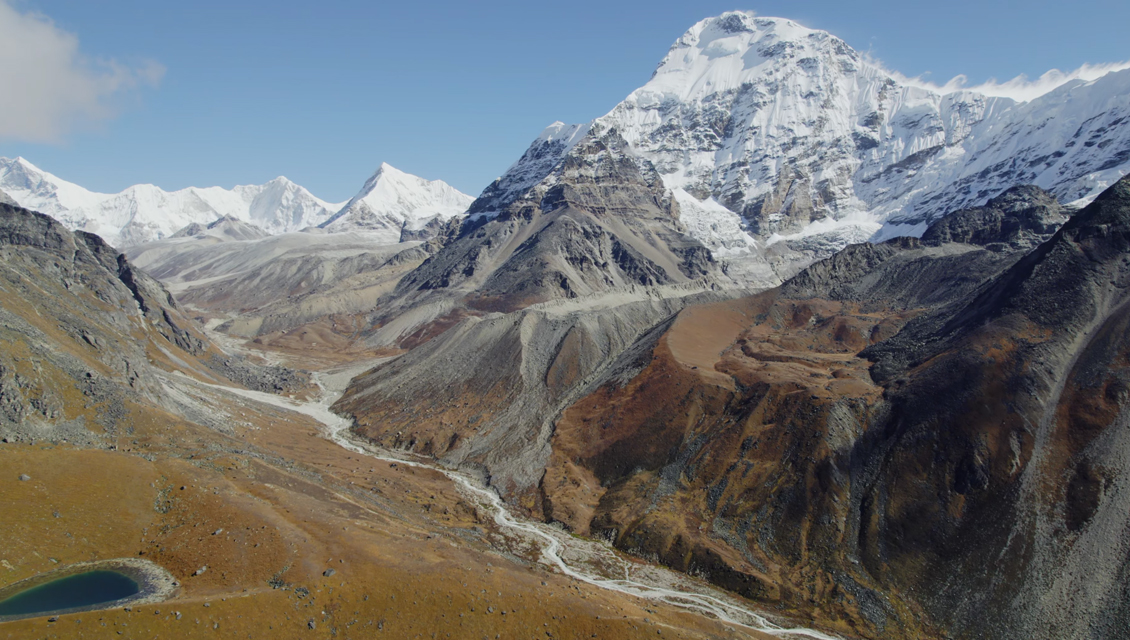
Baruntse is located in the heart of the eastern Himalayas within the protected area of Makalu Barun National Park, a region known for its dramatic landscapes and exceptional biodiversity. The terrain is extremely remote and largely untouched, making it one of the purest alpine environments in Nepal.
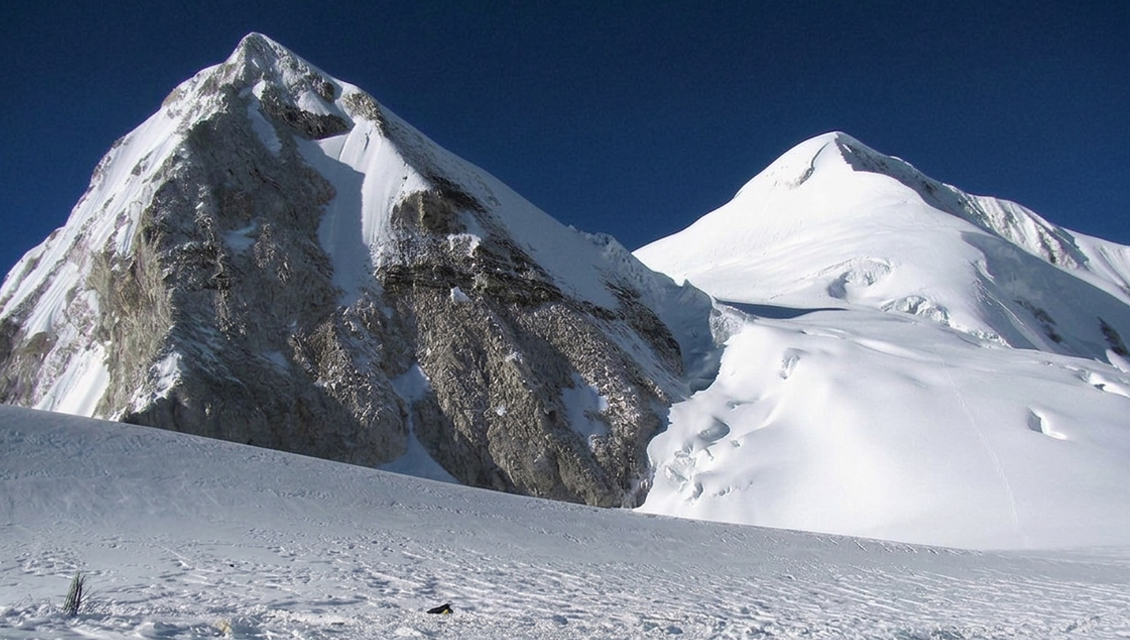
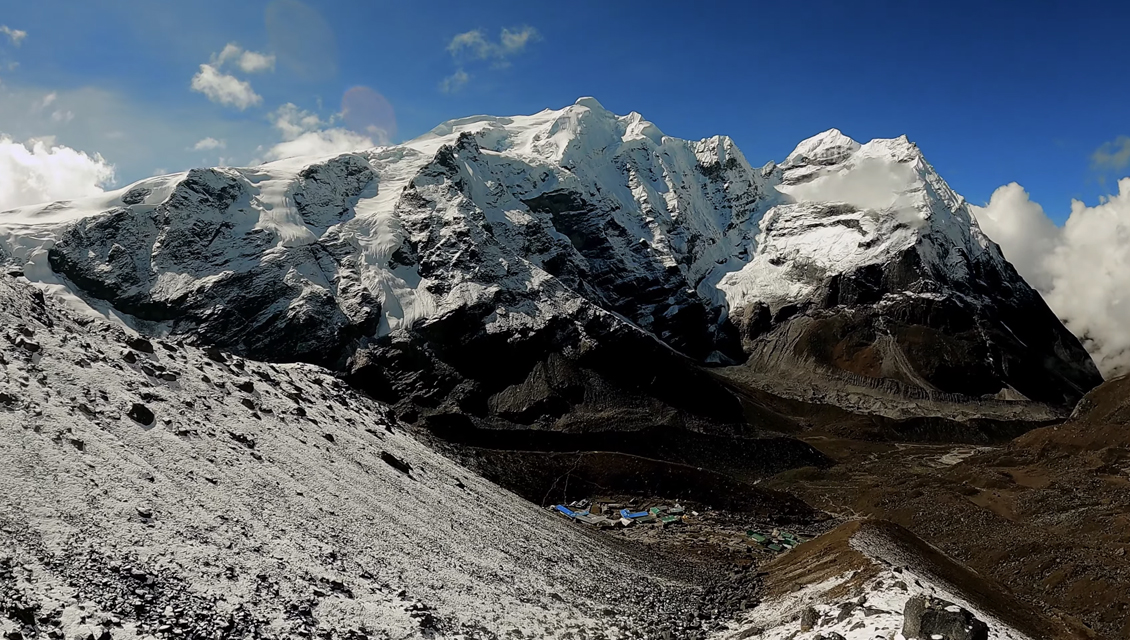
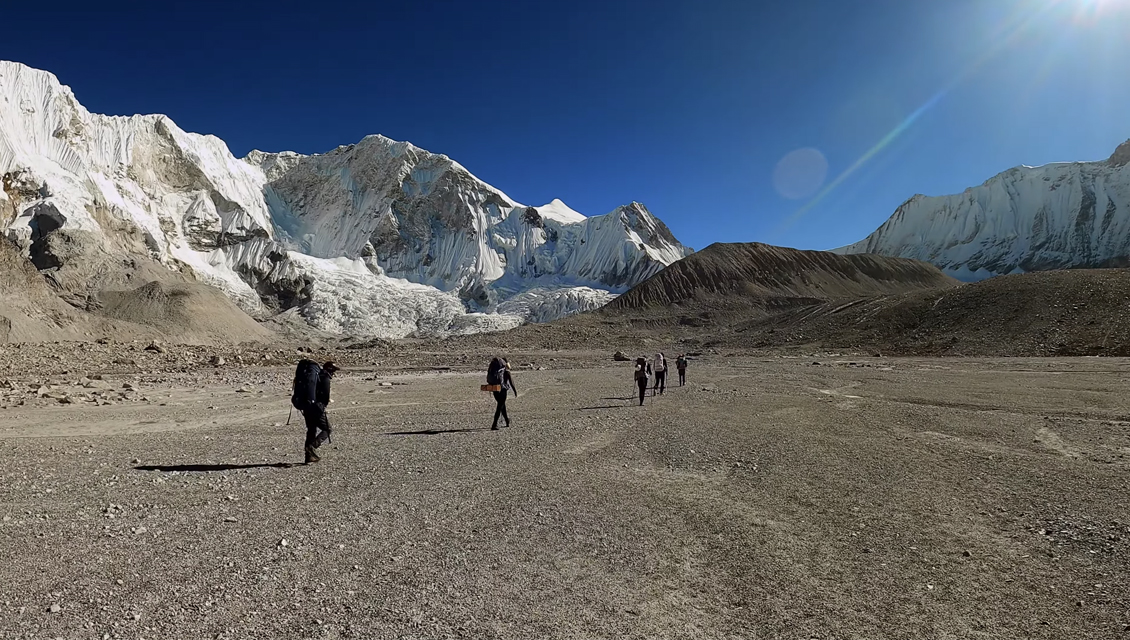
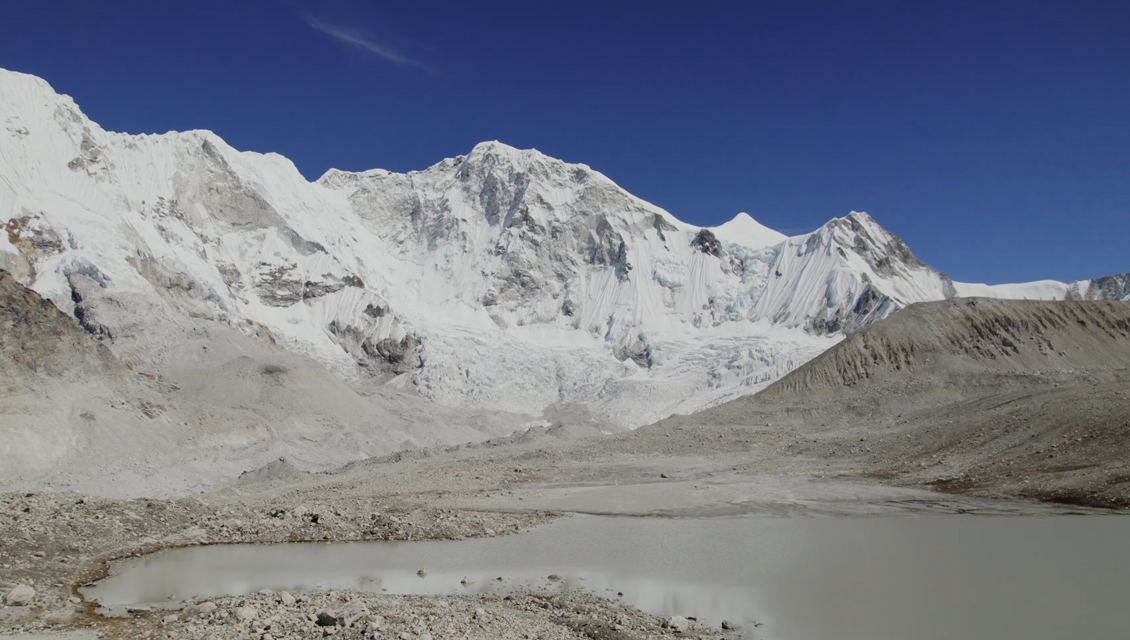
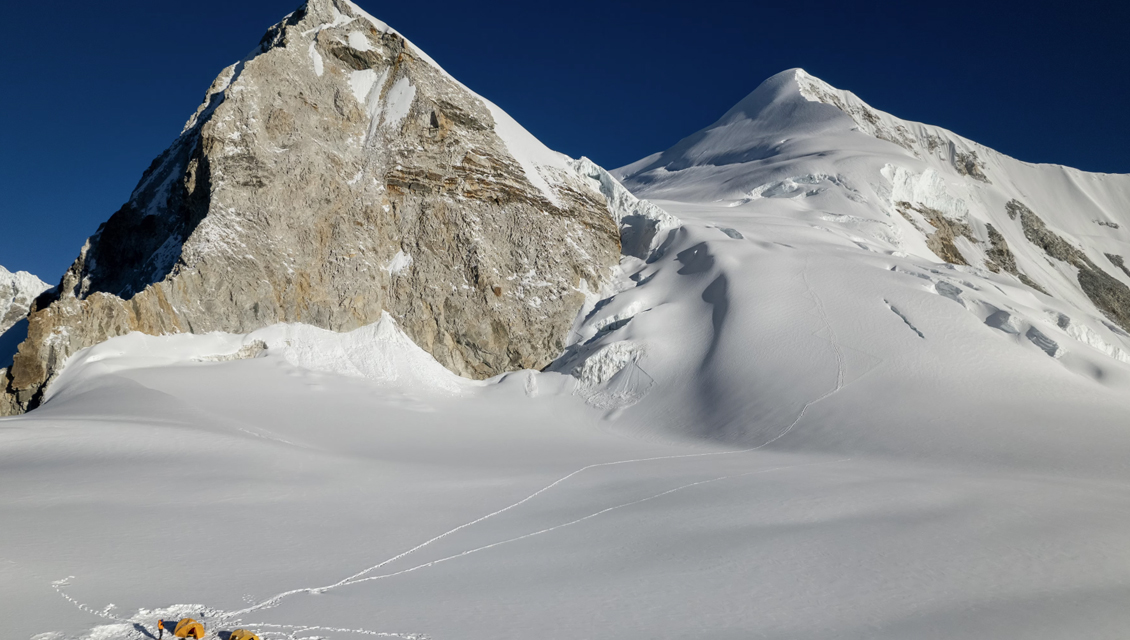
The lower section of the route passes through dense forests, bamboo groves, and rhododendron zones, gradually giving way to alpine vegetation and rocky terrain. As the altitude increases, the landscape becomes increasingly harsh and glaciated. Massive ice formations, deep crevasses, and wide glacier fields dominate the environment near Base Camp and higher camps.
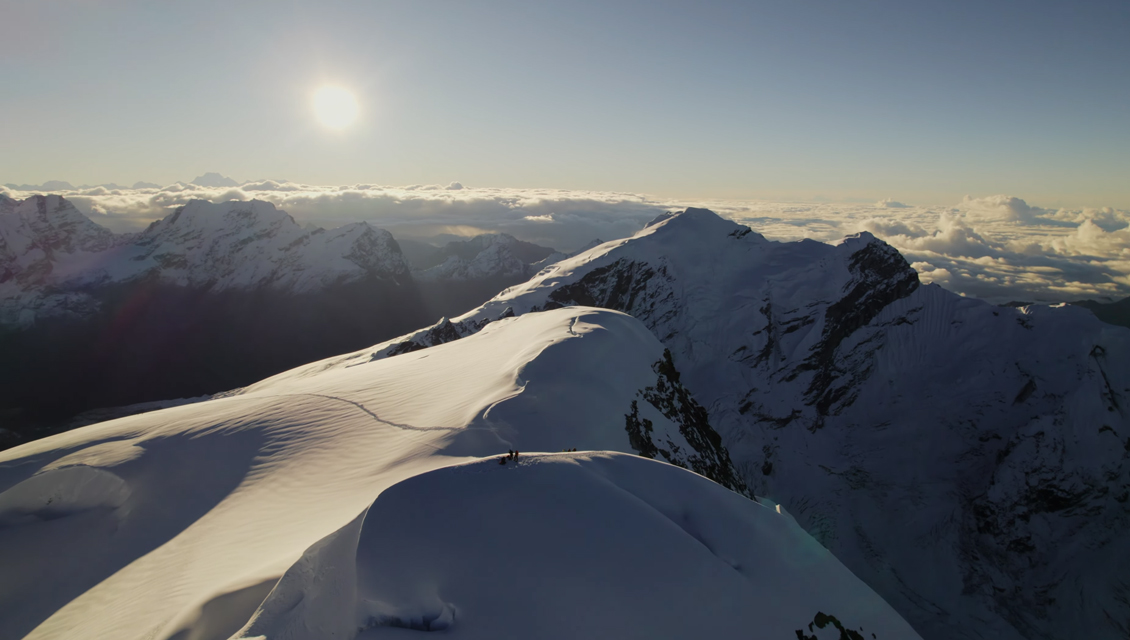
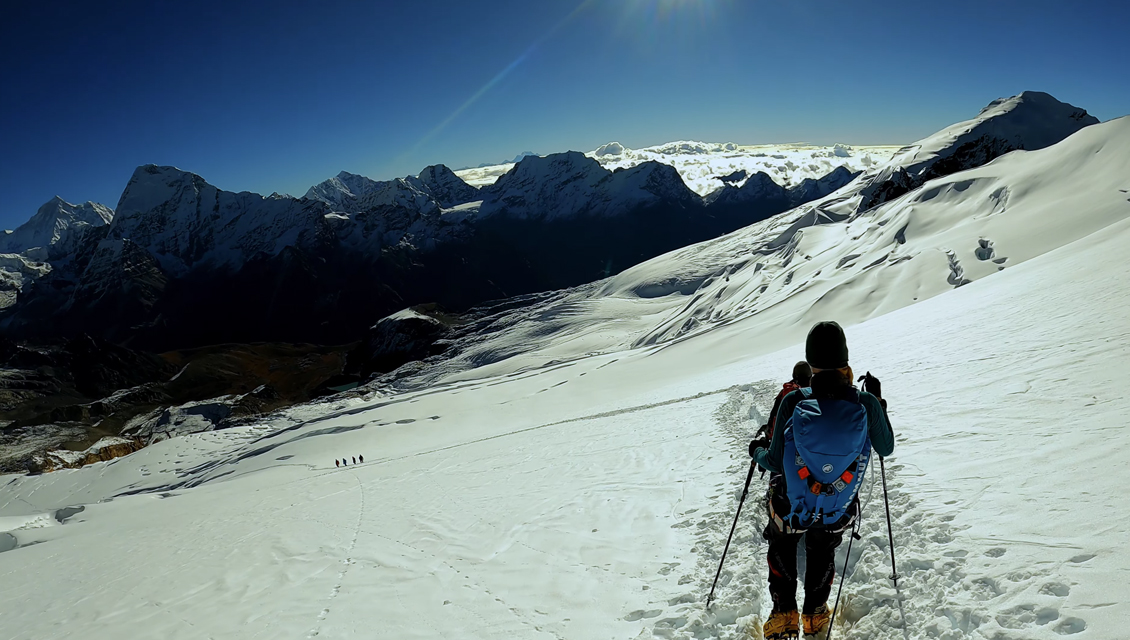
Above Base Camp, the scenery transforms into a true high-altitude alpine world. Climbers move across long glacier routes surrounded by towering ice walls and snow-covered peaks. The isolation of the region adds to the sense of adventure, as there are no permanent settlements in the upper valleys. This remoteness creates a strong expedition atmosphere, where climbers rely entirely on their team, guides, and logistics support.
The Baruntse region also offers exceptional visibility of some of the world’s highest mountains. The close proximity to Everest, Makalu, and Lhotse creates a dramatic skyline, making it one of the most visually rewarding climbing environments in Nepal.
Sherpa Guide & Support
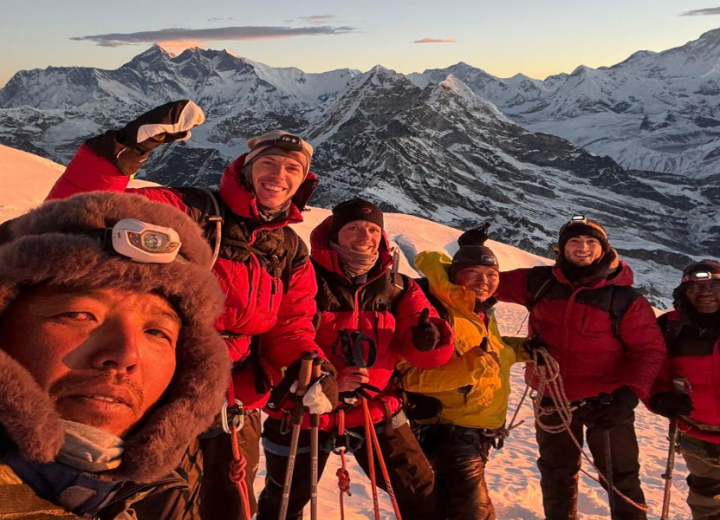
The Baruntse Expedition is led by highly experienced Sherpa climbing guides who provide complete technical, logistical, and safety support throughout the journey. Their expertise is crucial for navigating the complex glacier systems and unpredictable weather conditions of the Makalu–Barun region.
Sherpa guides are responsible for route setting, fixing ropes on steep snow and ice sections, and ensuring safe passage through crevassed glacier zones. They provide hands-on instruction in the use of climbing equipment such as crampons, ice axes, ascenders, and harness systems, ensuring climbers are well-prepared for summit attempts.
Daily safety management is a key part of the expedition. Guides conduct regular health checks, monitor oxygen levels, and assess altitude-related risks. They also analyze weather patterns and determine the safest and most suitable summit windows.
In addition to climbing support, Sherpa teams manage logistics at Base Camp and higher camps, including food preparation, tent setup, communication systems, and emergency coordination. Porters assist in transporting equipment up to Base Camp, allowing climbers to focus on acclimatization and performance.
In case of emergency, the expedition team is equipped with evacuation protocols, including helicopter rescue support from accessible zones. This structured support system ensures a high level of safety even in a remote and challenging environment.
Highlights
- Summit Baruntse (7,129m), one of Nepal’s premier expedition peaks.
- Scenic approach through the remote Hinku and Barun valleys.
- Stunning views of Everest, Makalu, Lhotse, Ama Dablam, and Chamlang.
- Ideal introduction to high-altitude Himalayan mountaineering.
- Technical climbing experience on snow, ice, and mixed terrain.
- Professional Sherpa support, acclimatization, and expedition logistics.
- Less crowded route with a true wilderness expedition atmosphere.
- Excellent preparation peak for future 8,000-meter expeditions
Day-by-day itinerary
-
Duration: 1–2 Hours Transfer
Arrival at Tribhuvan International Airport. Meet expedition team and transfer to hotel. Rest and recovery after international flight. Evening briefing covers Baruntse geography, climbing difficulty, weather conditions, and full expedition structure including rotations and summit strategy.
Accomadation: Hotel
Place to visit: Nepal
Meals: Breakfast
-
Duration: 6–8 Hours
Complete technical equipment check including high-altitude boots, crampons, ice axe, harness, helmet, down suit (-30°C to -40°C), sleeping bag, ascenders, and oxygen system (if used). Missing gear is arranged in Kathmandu. Expedition permits and restricted area paperwork begin processing.
Accomadation: Hotel
Place to visit: Nepal
Meals: Breakfast
-
Duration: 5–7 Hours
Detailed team briefing covering:
- Route overview (Hinku Glacier & Baruntse Base Camp system)
- Camp structure (Base Camp to Summit Camp)
- Glacier and rope safety protocols
- Weather forecasting system
- Emergency evacuation plan
Accomadation: Hotel
Place to visit: Nepal
Meals: Breakfast
-
Duration: 3–4 Hours Trek + 35-Minute Flight
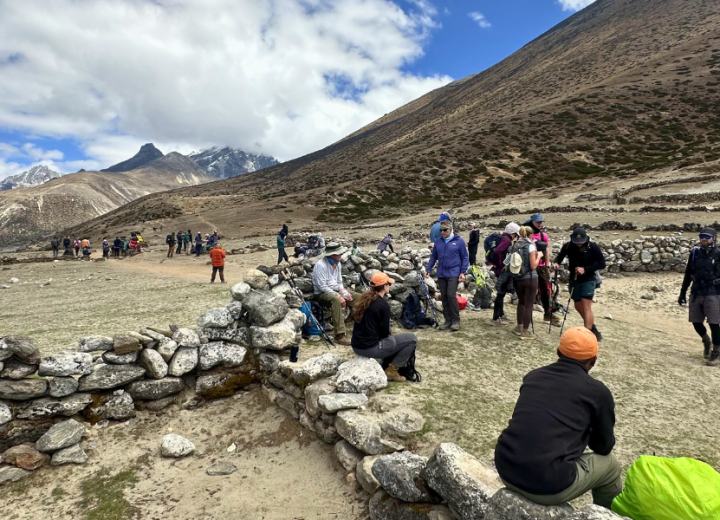
Scenic mountain flight to Lukla followed by easy trek through forested valleys, Sherpa villages, and suspension bridges. First night in Everest region begins acclimatization.
Accomadation: Tea House
Place to visit: Everest Region
Meals: Breakfast Lunch Dinner
-
Duration: 6–7 Hours
Steep ascent into Sagarmatha National Park. Cross Hillary Bridge and climb toward Namche Bazaar, the main trading hub of Khumbu.
Accomadation: Tea House
Place to visit: Everest Region
Meals: Breakfast Lunch Dinner
-
Duration: 3–5 Hours
Active rest day with hike to Everest View Hotel (3,880m). First panoramic views of Everest, Lhotse, and Ama Dablam. Oxygen adaptation begins.
Accomadation: Tea House
Place to visit: Everest Region
Meals: Breakfast Lunch Dinner
-
Duration: 6–7 Hours
Leave main Everest trail and descend toward quieter Hinku Valley access routes. Terrain becomes less crowded and more remote.
Accomadation: Tea House
Place to visit: Everest Region
Meals: Breakfast Lunch Dinner
-
Duration: 6–7 Hours
Descent into deep forested valleys. Suspension bridges, rivers, and dense vegetation dominate the trail. Remote Himalayan environment begins.
Accomadation: Tea House
Place to visit: Everest Region
Meals: Breakfast Lunch Dinner
-
Duration: 6–7 Hours
Enter Hinku Valley proper. First views of surrounding Himalayan wilderness. Trail follows river valley with gradual ascent.
Accomadation: Tea House
Place to visit: Everest Region
Meals: Breakfast Lunch Dinner
-
Duration: 5–6 Hours
Steady climb through yak pastures and glacial river systems. Oxygen levels start to noticeably decrease.
Accomadation: Tea House
Place to visit: Everest Region
Meals: Breakfast Lunch Dinner
-
Duration: 4–5 Hours
Trail becomes steeper and more alpine. Climbers enter high-altitude zone. Khare serves as final settlement before glacier approach.
Accomadation: Tea House
Place to visit: Everest Region
Meals: Breakfast Lunch Dinner
-
Duration: 4–6 Hours
Important acclimatization hike toward Mera La Pass (5,400m–5,800m). Oxygen saturation monitored. Training begins for glacier movement.
Accomadation: Tea House
Place to visit: Everest Region
Meals: Breakfast Lunch Dinner
-
Duration: 5–6 Hours
Trek over glacial terrain and moraines into Baruntse Base Camp. First full exposure to expedition conditions. Camp establishment begins immediately.
Accomadation: Tent
Place to visit: Everest Region
Meals: Breakfast Lunch Dinner
-
Duration: 2 Days
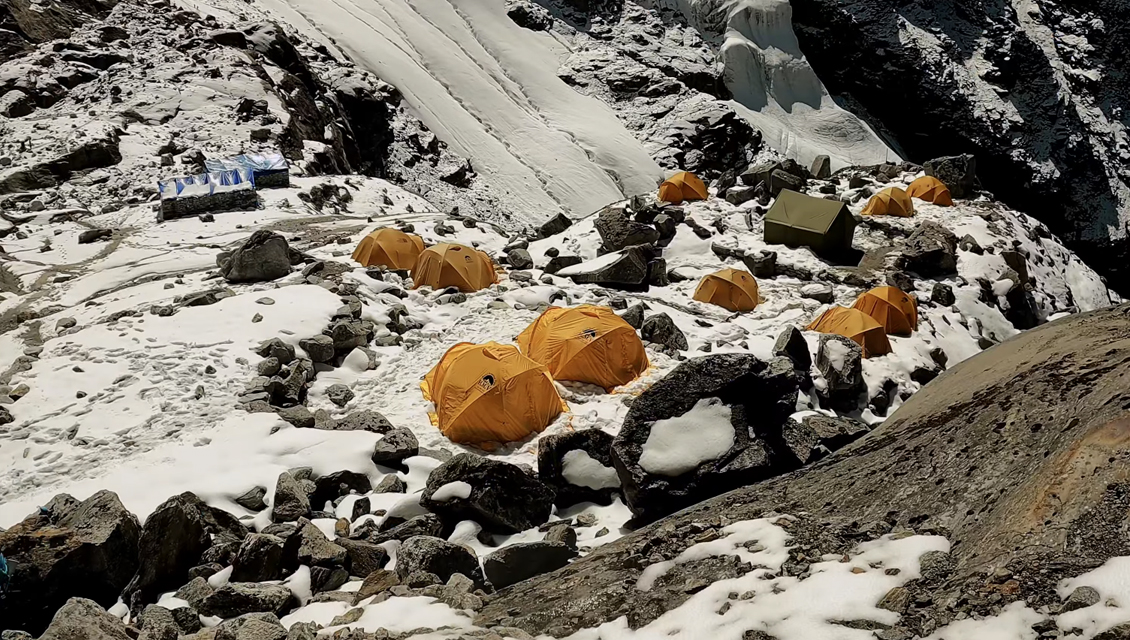
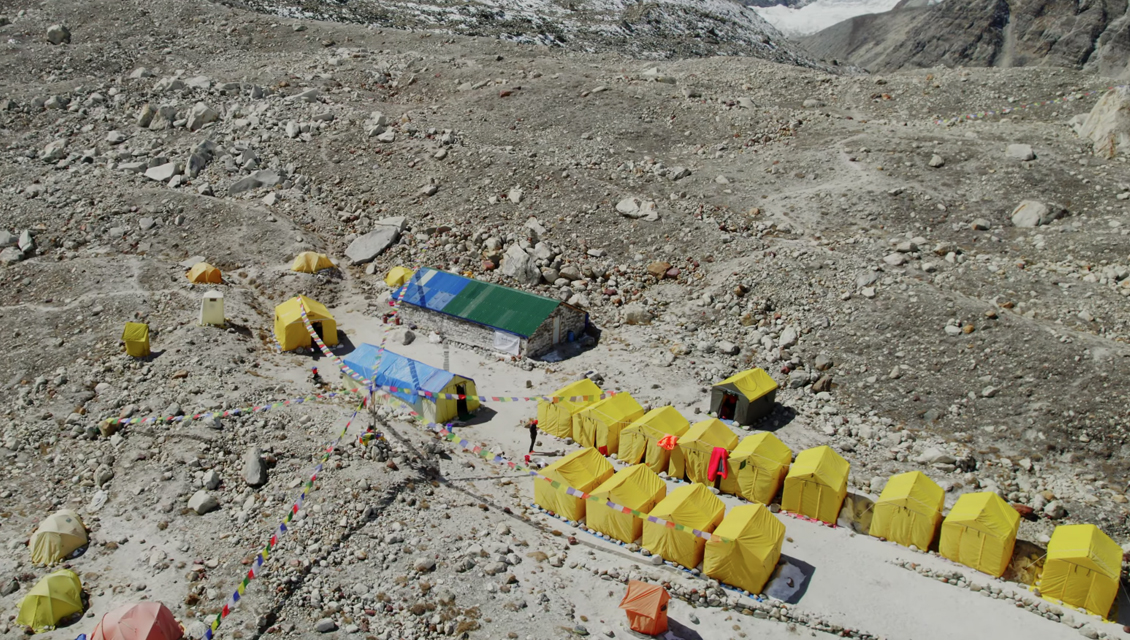
Full expedition infrastructure setup:
- Sleeping tents and dining tent
- Kitchen system and fuel storage
- Communication (satellite radio)
- Weather monitoring station
- Climbing gear organization zones
Accomadation: Tent
Place to visit: Everest Region
Meals: Breakfast Lunch Dinner
-
Duration: 2 Days
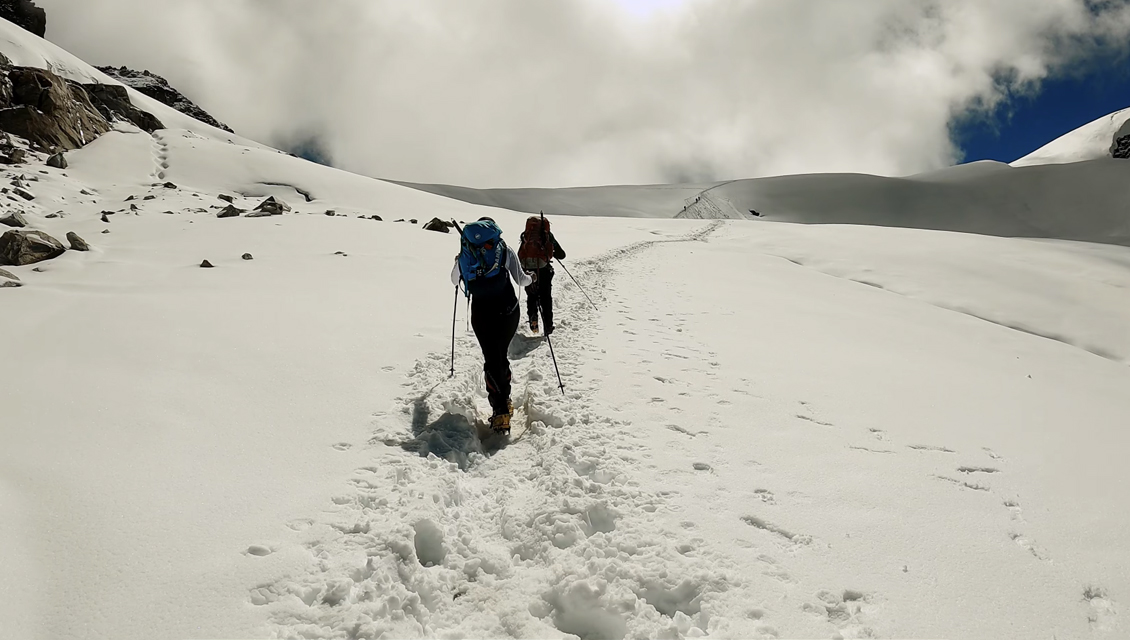
Intensive instruction led by Sherpa guides:
- Crampon walking on ice slopes
- Ice axe control and self-arrest
- Fixed rope climbing techniques
- Ascender (Jumar) use on steep sections
- Crevasse rescue basics
- Glacier navigation techniques
Accomadation: Tent
Place to visit: Everest Region
Meals: Breakfast Lunch Dinner
-
Duration: Full Day
Rest day for recovery. Oxygen levels monitored. Body adapts to extreme altitude stress.
Accomadation: Tent
Place to visit: Everest Region
Meals: Breakfast Lunch Dinner
-
Duration: 6–8 Hours
Climb through glacier terrain with rope protection. Crevasses and ice slopes require careful navigation.
Accomadation: Tent
Place to visit: Everest Region
Meals: Breakfast Lunch Dinner
-
Duration: 3–5 Hours
Short training climbs around Camp I. Focus on balance, breathing control, and cold adaptation.
Accomadation: Tent
Place to visit: Everest Region
Meals: Breakfast Lunch Dinner
-
Duration: 4–6 Hours
Controlled descent to Base Camp for full recovery.
Accomadation: Tent
Place to visit: Everest Region
Meals: Breakfast Lunch Dinner
-
Duration: Full Day
Nutrition-focused recovery. Hydration and oxygen saturation stabilization.
Accomadation: Tent
Place to visit: Everest Region
Meals: Breakfast Lunch Dinner
-
Duration: 6–8 Hours
Re-ascent through glacier system for acclimatization improvement.
Accomadation: Tent
Place to visit: Everest Region
Meals: Breakfast Lunch Dinner
-
Duration: 5–7 Hours
Steeper snow slopes and technical rope sections. Camp II established at high altitude.
Accomadation: Tent
Place to visit: Everest Region
Meals: Breakfast Lunch Dinner
-
Duration: Full Day
First high-altitude sleep above 6,500m. Oxygen deprivation effects closely monitored.
Accomadation: Tent
Place to visit: Everest Region
Meals: Breakfast Lunch Dinner
-
Duration: 6–8 Hours
Careful descent to restore oxygen levels and physical recovery.
Accomadation: Tent
Place to visit: Everest Region
Meals: Breakfast Lunch Dinner
-
Duration: 2 Days
Expedition leader analyzes weather window, snow stability, and summit conditions. Final strategy is prepared.
Accomadation: Tent
Place to visit: Everest Region
Meals: Breakfast Lunch Dinner
-
Duration: 6–8 Hours
Final summit rotation begins. Climbers move efficiently with improved acclimatization.
Accomadation: Tent
Place to visit: Everest Region
Meals: Breakfast Lunch Dinner
-
Duration: 5–7 Hours
Climb through glacier system and steep slopes.
Accomadation: Tent
Place to visit: Everest Region
Meals: Breakfast Lunch Dinner
-
Duration: 4–6 Hours
Final high camp established. Oxygen systems prepared if required.
Accomadation: Tent
Place to visit: Everest Region
Meals: Breakfast Lunch Dinner
-
Duration: 10–14 Hours
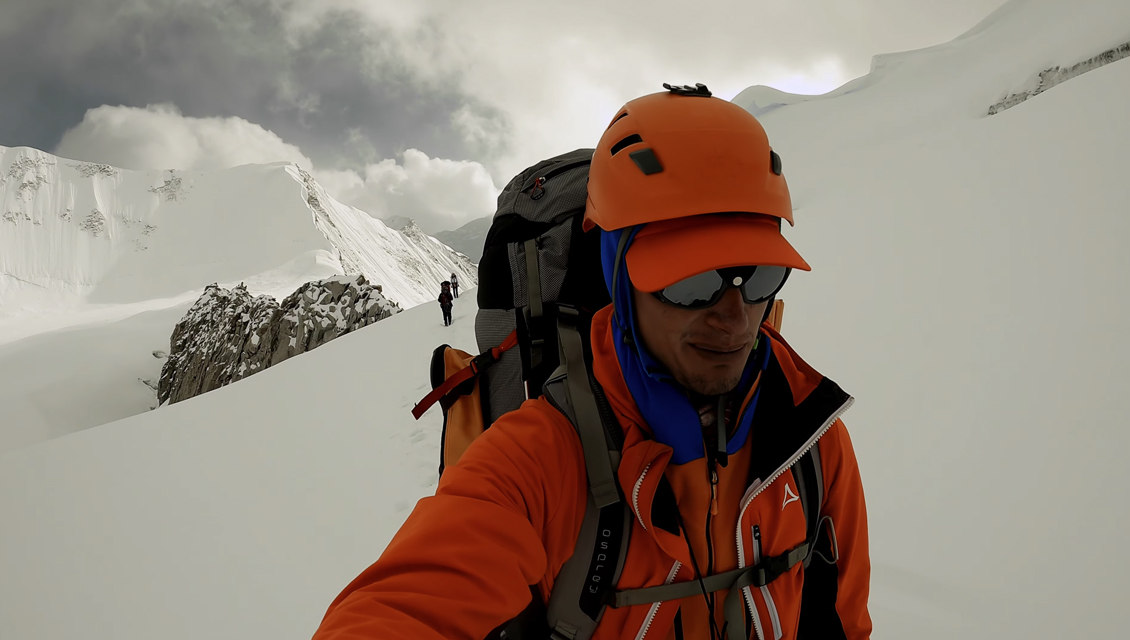
Midnight summit push begins. Climbers ascend steep snow ridges, mixed ice slopes, and exposed summit sections. Final summit of Baruntse reached with panoramic views of Everest, Makalu, Lhotse, and surrounding peaks. After a short stay, immediate descent begins due to extreme altitude exposure.
Accomadation: Tent
Place to visit: Everest Region
Meals: Breakfast Lunch Dinner
-
Duration: 6–8 Hours
Careful descent through all high camps.
Accomadation: Tent
Place to visit: Everest Region
Meals: Breakfast Lunch Dinner
-
Duration: 4–5 Hours
Return to lower altitude for recovery.
Accomadation: Tea House
Place to visit: Everest Region
Meals: Breakfast Lunch Dinner
-
Duration: 7–8 Hours
Long descent through Hinku Valley system.
Accomadation: Tea House
Place to visit: Everest Region
Meals: Breakfast Lunch Dinner
-
Duration: 7–8 Hours
Final trekking section toward airstrip access.
Accomadation: Tea House
Place to visit: Everest Region
Meals: Breakfast Lunch Dinner
-
Duration: 35-Minute Flight + Transfers
Return flight and transfer to hotel.
Accomadation: Hotel
Place to visit: Nepal
Meals: Breakfast Lunch Dinner
-
Duration: Full Day
Full recovery, gear return, and expedition completion ceremony.
Accomadation: Hotel
Place to visit: Nepal
Meals: Breakfast
What’s included
Cost includes
Accommodation
- 3 nights hotel accommodation in Kathmandu (3-star or similar category)
- Teahouse/lodge accommodation during trekking approach (twin-sharing basis)
- Fully supported tented accommodation at Baruntse Base Camp and higher camps
- High-altitude expedition tents with sleeping mats at all camps above Base Camp
Meals
- Full-board meals (Breakfast, Lunch, Dinner) during trekking and climbing period
- Fresh, high-energy expedition meals prepared by experienced Base Camp kitchen crew
- Hot drinks (tea/coffee) during meal times at Base Camp
- Packed meals and summit-day high-energy food during rotation and summit push
Transportation
- Airport pick-up and drop-off in Kathmandu
- Domestic flight: Kathmandu – Lukla – Kathmandu
- All required ground transportation as per itinerary
- Portage/cargo handling for expedition equipment to Base Camp
Permits & Fees
- Baruntse Climbing Permit (Government of Nepal)
- Makalu Barun National Park Entry Permit
- Restricted Area Permit (Hinku/Barun region if applicable)
- Expedition liaison officer and related government charges
Guide & Staff
- Experienced climbing Sherpa guides (summit certified)
- Trekking guide for approach section
- Required porters for trekking and load carrying
- Base Camp cook and kitchen crew
- Climbing Sherpa support for summit rotation and safety
- Staff insurance, wages, food, and accommodation
Climbing Support & Safety
- Fixed rope setup and climbing route support by Sherpa team
- Basic technical climbing training (crampon, ice axe, rope skills)
- Group safety equipment (ropes, carabiners, anchors, rescue gear)
- First aid kit and pulse oximeter monitoring at Base Camp
- Emergency coordination and rescue assistance support
Base Camp Services
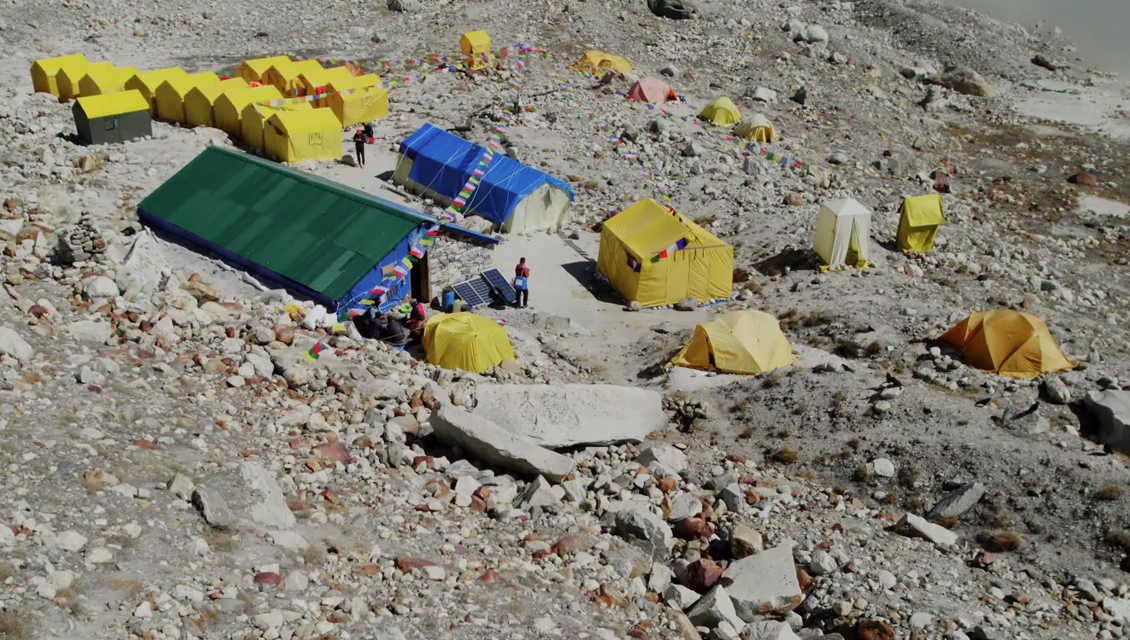
- Fully equipped Base Camp (tents, dining tent, kitchen tent)
- Cooking equipment, fuel, and food supplies
- Communication system (radio/satellite support where available)
- Sleeping mattresses and camp logistics support
Expedition Logistics
- Full expedition management and coordination
- Weather forecasting support and summit planning assistance
- Oxygen monitoring and acclimatization supervision
- Route planning and rotation scheduling by expedition leader
Cost excludes
International Travel
- International airfare to and from Nepal
- Nepal visa fee (USD 30–125 depending on duration of stay)
Personal Climbing Equipment
- Mountaineering boots (double insulated recommended)
- Crampons, ice axe, helmet, harness, ascender
- Down suit (-30°C to -40°C recommended)
- Sleeping bag suitable for extreme altitude
- Personal clothing layers, gloves, goggles, and trekking gear
- Backpack and personal technical equipment
Insurance (Mandatory)
- High-altitude travel insurance covering up to 7,500m
- Must include helicopter evacuation and emergency rescue
- Medical treatment and accident coverage required
Personal Expenses
- Drinks (soft drinks, bottled water, alcohol)
- Wi-Fi, charging, and hot shower fees during trek
- Snacks, chocolates, and personal food items
- Laundry and personal hygiene products
Kathmandu Expenses
- Extra hotel nights due to delays or early arrival
- Meals in Kathmandu (unless specified in package)
- Personal shopping and equipment rental or replacement
Emergency & Unexpected Costs
- Helicopter evacuation (if required)
- Medical treatment or hospitalization expenses
- Additional accommodation due to weather delays
- Extra porter or transport costs due to itinerary changes
Tips & Miscellaneous
- Tips for guides, Sherpas, cooks, and porters
- Personal gear damage or loss
- Any service not clearly mentioned in "Cost Includes" section
Photos & video
Dates & prices
Private departures run on any date. Pick the start date that suits you and we will build the trip around it — same price, your own guide and team.
Good to know
Essential information
Accommodation
Accommodation during the Baruntse Expedition includes 3-star hotel stays in Kathmandu and fully supported tented camps throughout the entire expedition.
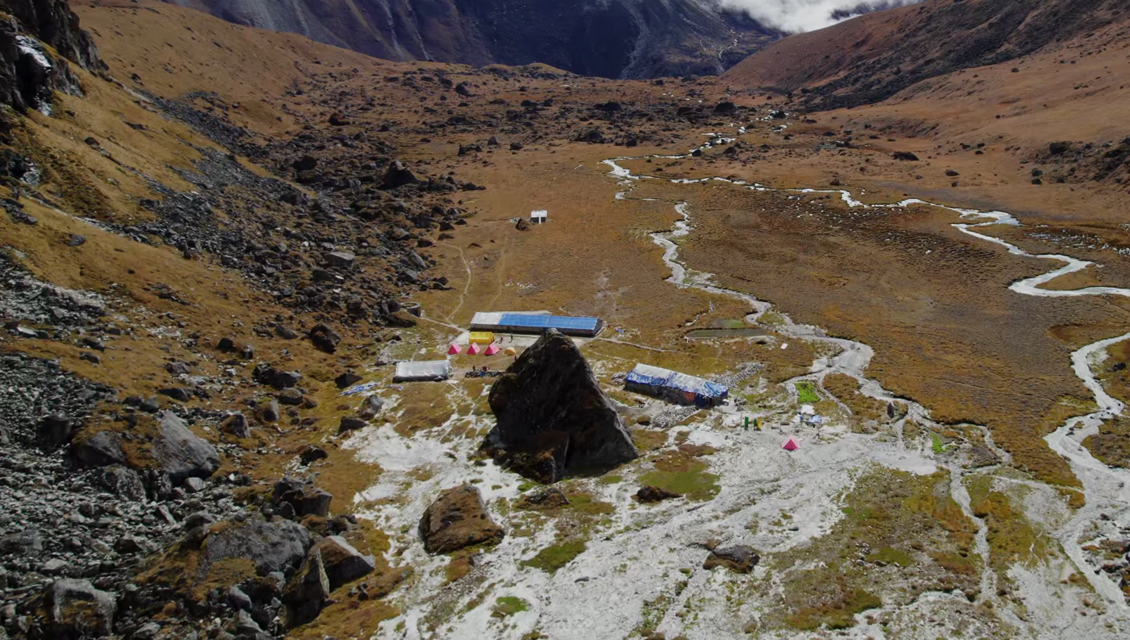
The route passes through remote and uninhabited glacier valleys, so camping is required from the early trekking phase onward. Base Camp and higher camps are equipped with expedition tents, dining tents, kitchen tents, and communication support systems.
Meals
The expedition includes full-board meals (Breakfast, Lunch, and Dinner) throughout the journey.
A professional cook team prepares nutritious and high-energy meals designed for extreme altitude performance. The menu includes soups, rice, pasta, vegetables, dehydrated meals, and energy-rich snacks.
During summit rotation, climbers rely on packed meals, hot drinks, and hydration support to maintain energy levels at high altitude.
Difficulty and Fitness
Baruntse (7,129m) is considered a moderately technical 7,000-meter peak. It is suitable for climbers with strong physical fitness and prior experience on 6,000m–7,000m peaks.
The climb involves:
- Long glacier travel and crevasse navigation
- Steep snow and ice slopes
- Fixed rope climbing sections near the summit ridge
- High-altitude endurance above 7,000m
It is often chosen as a training peak for Everest and other 8,000-meter expeditions.
Permits
The expedition requires the following permits:
- Baruntse Climbing Permit
- Makalu Barun National Park Entry Permit
- Restricted Area Permit (if via Makalu route)
- TIMS Card (if applicable)
All permits are arranged by the expedition operator.
Best Time to Climb
The best seasons for Baruntse Expedition are:
Spring (April–May)
- Stable weather conditions
- Warmer temperatures at lower camps
- High summit success rate
Autumn (September–October)
- Clear skies and excellent visibility
- Stable snow conditions
- Ideal climbing windows
Transportation
The journey begins with a scenic flight from Kathmandu to Lukla or Tumlingtar, followed by a long trekking approach through remote valleys toward the Barun Glacier and Base Camp.
The route is extremely isolated, with no permanent settlements in higher regions, making it a true expedition-style climb.
Safety and Altitude
Baruntse requires strict safety management due to its remote location and glacier conditions.
Key safety systems include:
- Experienced high-altitude Sherpa guides
- Fixed rope systems on steep sections
- Glacier navigation and crevasse safety
- Daily health monitoring and oxygen checks
- Weather forecasting and summit planning
- Emergency helicopter evacuation from Base Camp area
Travel and High Altitude Insurance
- Comprehensive insurance is mandatory and must cover:
- High-altitude climbing up to at least 7,500m
- Emergency helicopter evacuation
- Medical treatment and rescue operations
- Trip cancellation and emergency support
Additional information
Extra Information
Climbing Training and Preparation
Before summit rotation, climbers receive professional training in:
- Crampon and ice axe techniques
- Fixed rope climbing and ascender use
- Glacier travel and rope team movement
- High-altitude camping procedures
- Emergency response and rescue awareness
Climbing Equipment
Required equipment includes:
- High-altitude down suit
- Double mountaineering boots
- Crampons and technical ice axe
- Climbing harness and helmet
- Ascender (Jumar), carabiners, slings
- Sleeping bag rated to -30°C to -40°C
- Goggles and glacier sunglasses
- Headlamp with spare batteries
- Personal medical kit and essentials
Why Choose Baruntse?
- One of the best 7,000m training peaks for 8,000m expeditions
- Remote and pristine Himalayan wilderness experience
- Less crowded compared to Everest and Manaslu routes
- Excellent technical balance (challenging but achievable)
- Stunning views of Everest, Lhotse, Makalu, and Chamlang
- Strong Sherpa expedition support system
- Ideal progression peak for serious mountaineers
The Baruntse Expedition is a pure Himalayan adventure, offering a perfect combination of isolation, technical climbing, and high-altitude challenge in one of Nepal’s most spectacular mountain regions.
Keep exploring