Trekking In Nepal · Kanchenjunga Region
Kanchenjunga Trek
- Duration26 Days
- DifficultyModerate
- Max altitude4900m
- Group size17 People
- Best seasonSEP-NOV, MAR-MAY
- Start / finishKathmandu
Trip overview
The Kanchenjunga Base Camp Trek is one of the most remote, challenging, and rewarding Himalayan journeys in Nepal, leading to the base of Mount Kanchenjunga, the third-highest mountain in the world. This trek is designed for experienced trekkers seeking a true wilderness adventure in one of the least explored regions of the Himalayas.
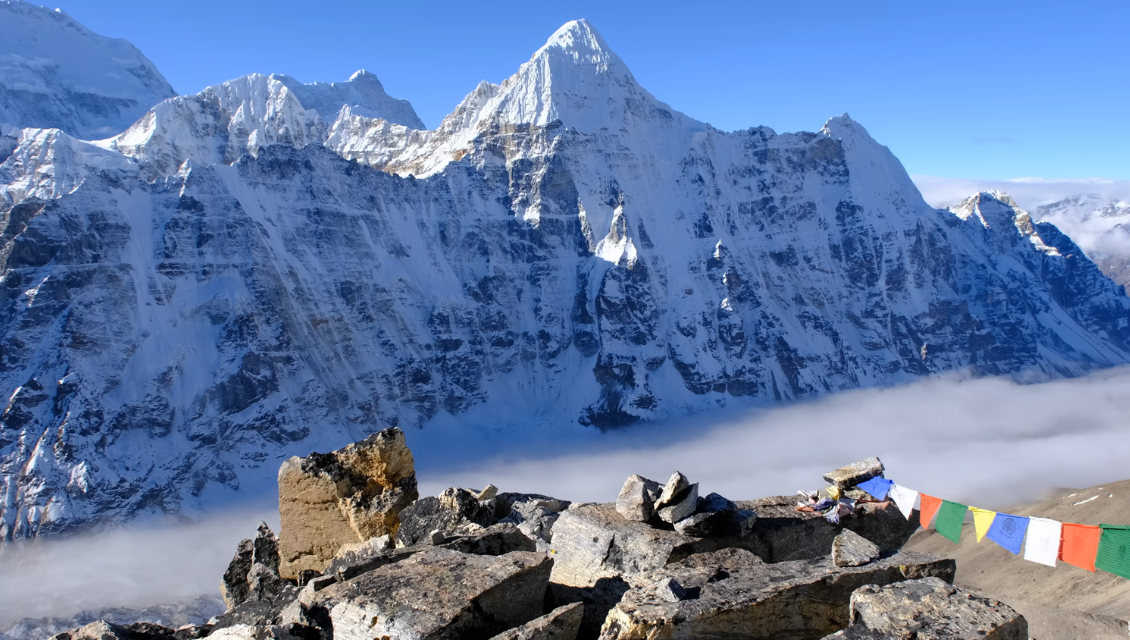
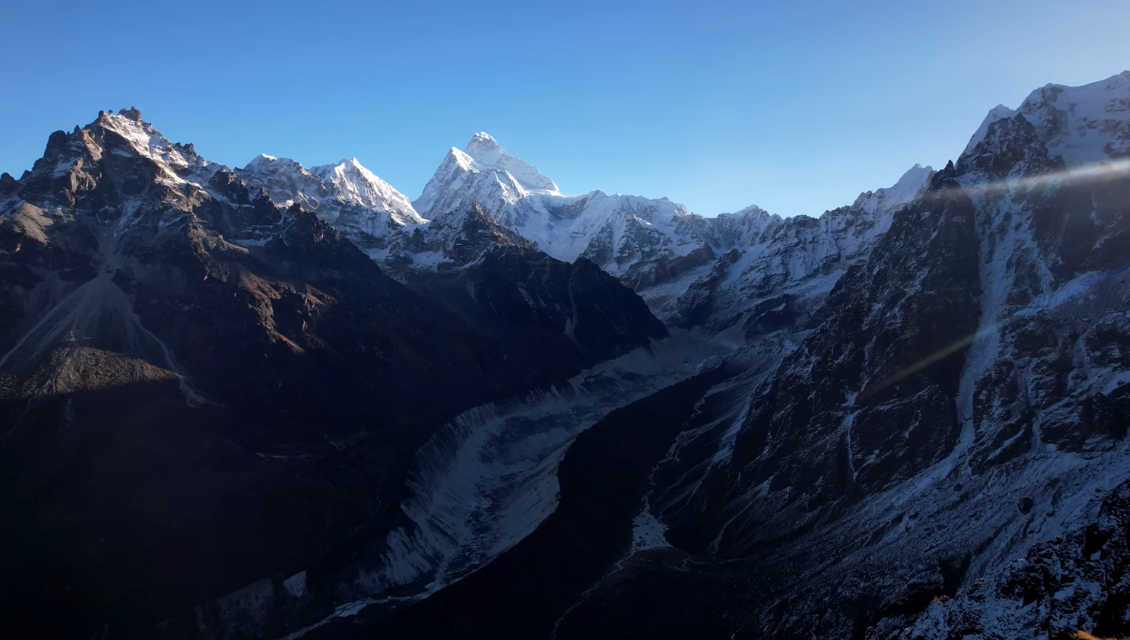
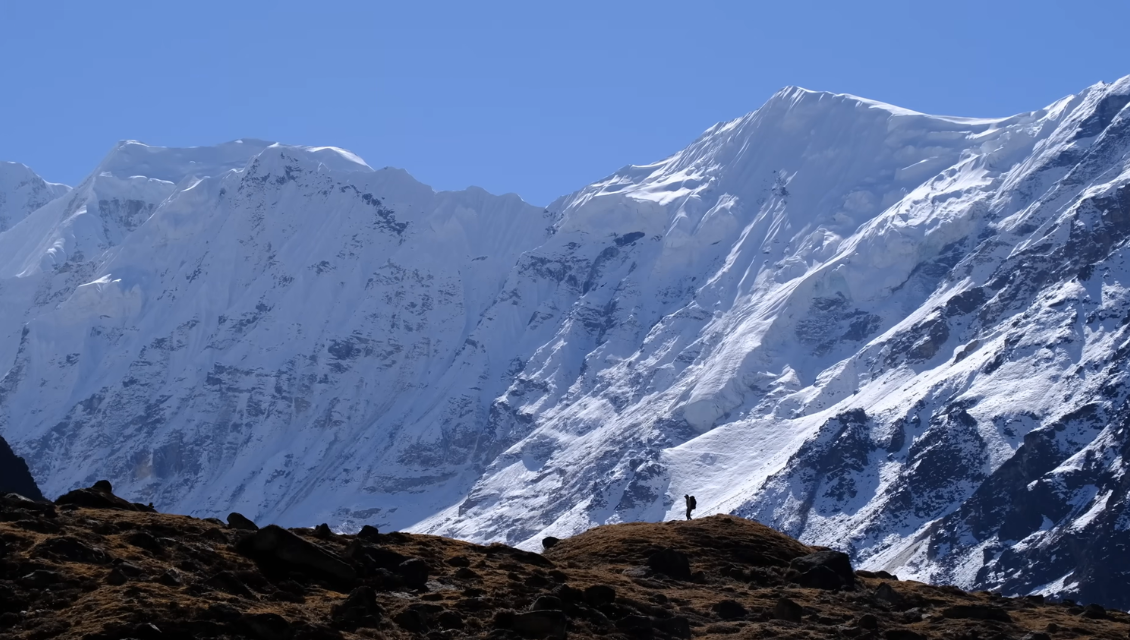
The journey offers an extraordinary combination of high mountain scenery, deep cultural encounters, and pristine natural environments. Trekkers can explore both the North and South Base Camp regions, each offering unique perspectives of the massive Kanchenjunga range. The highlight of the trek is the close-up view of Kanchenjunga, along with surrounding peaks such as Jannu (Kumbhakarna), Yalung Kang, and other towering Himalayan giants.
This trek is ideal for adventure seekers who want a long, remote, and physically demanding expedition-style experience far from commercial trekking routes.
Geography and Landscape
The Kanchenjunga Base Camp Trek is located in eastern Nepal within Kanchenjunga Conservation Area, bordering India’s Sikkim region. The journey begins with a flight to Bhadrapur, followed by a long drive into the Taplejung district before entering the trekking route.
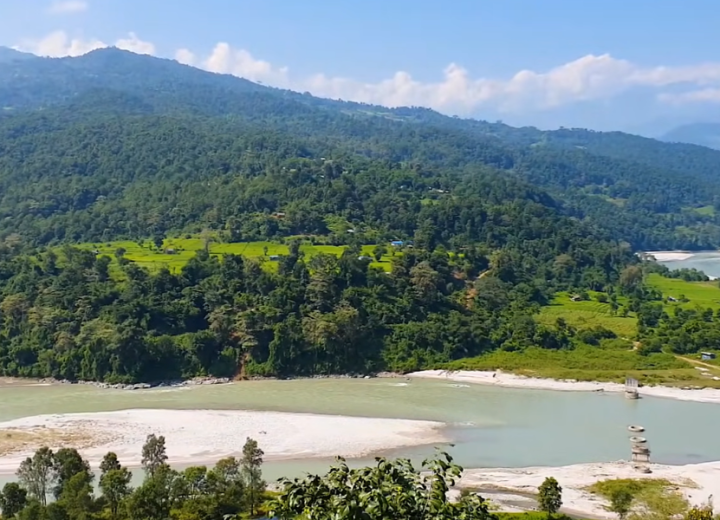
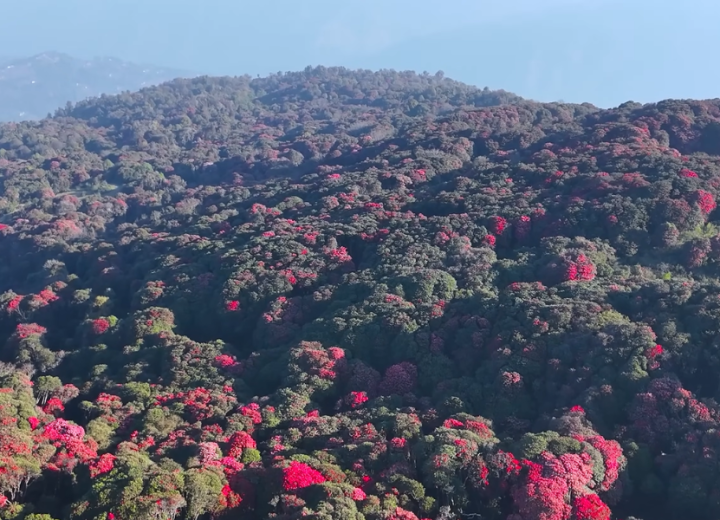
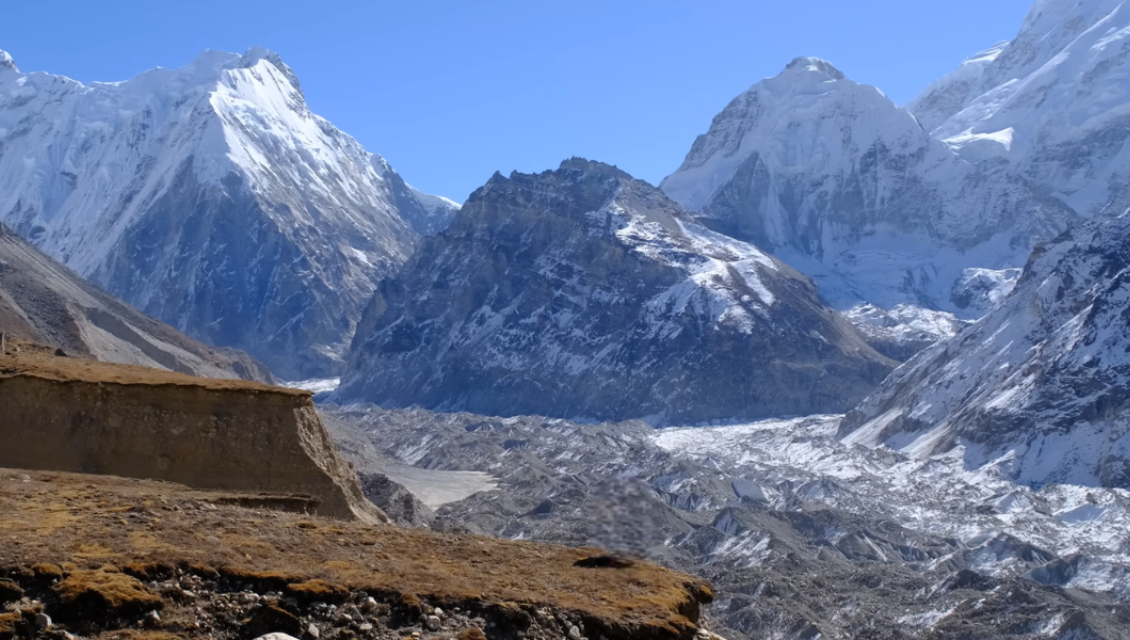
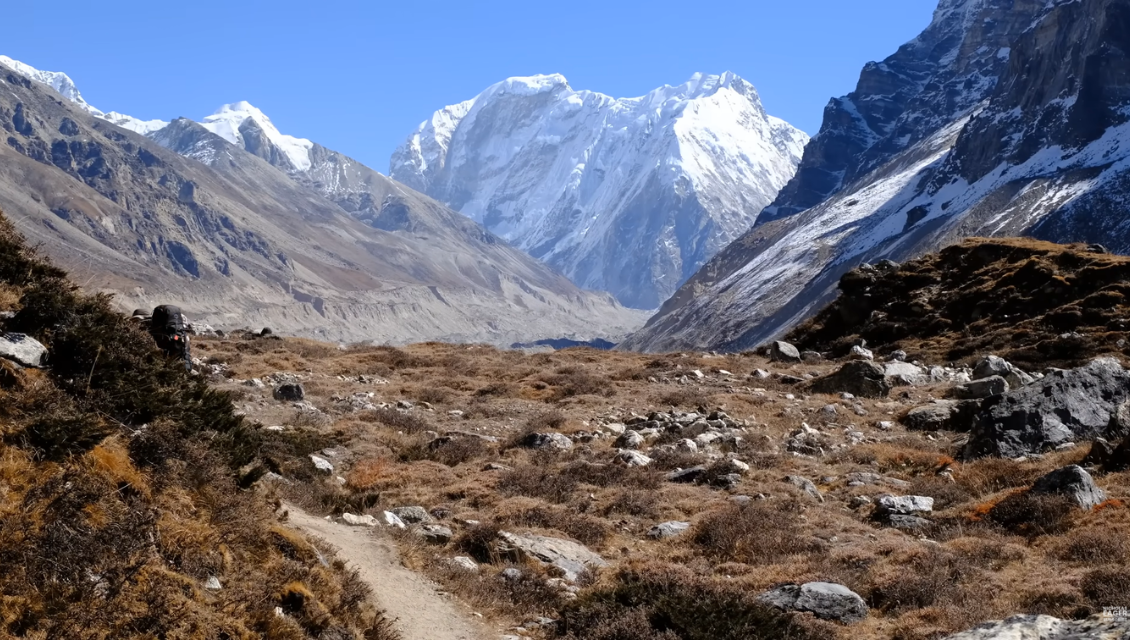
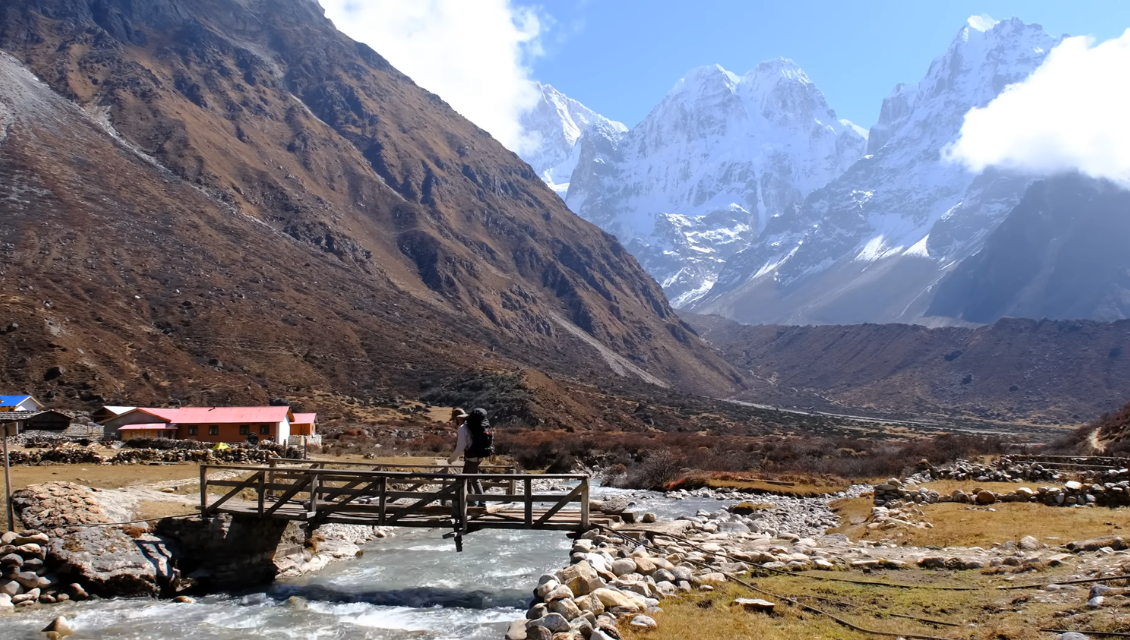
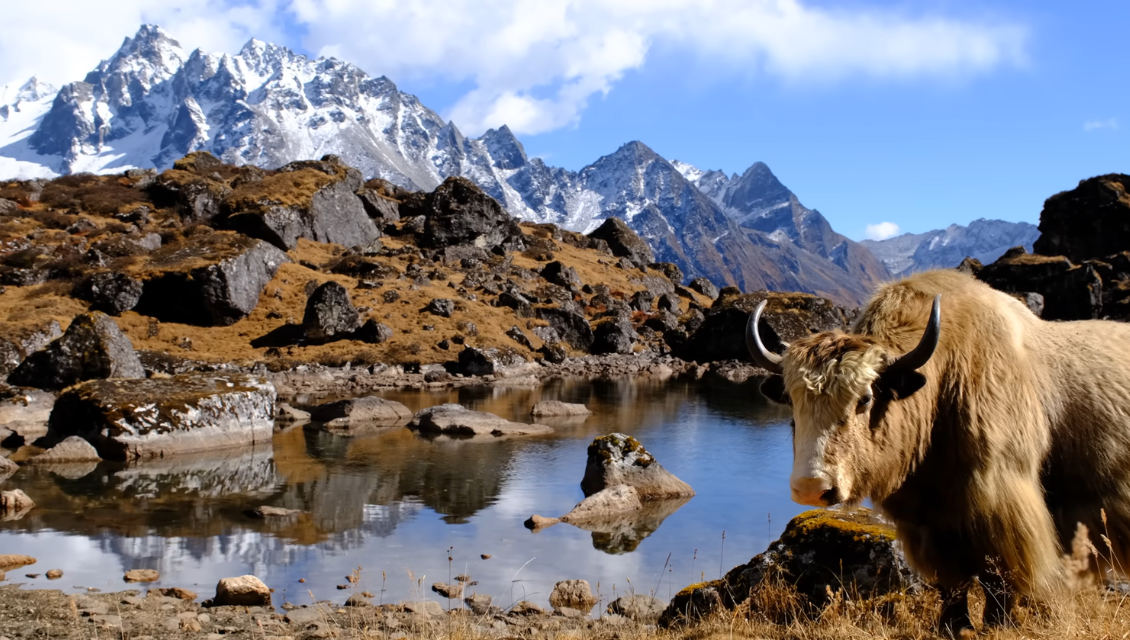
The landscape is incredibly diverse and dramatic. The lower sections feature subtropical forests, terraced fields, rivers, and traditional villages. As the trek progresses, the environment changes into dense rhododendron and bamboo forests, alpine meadows, and rugged mountain valleys.
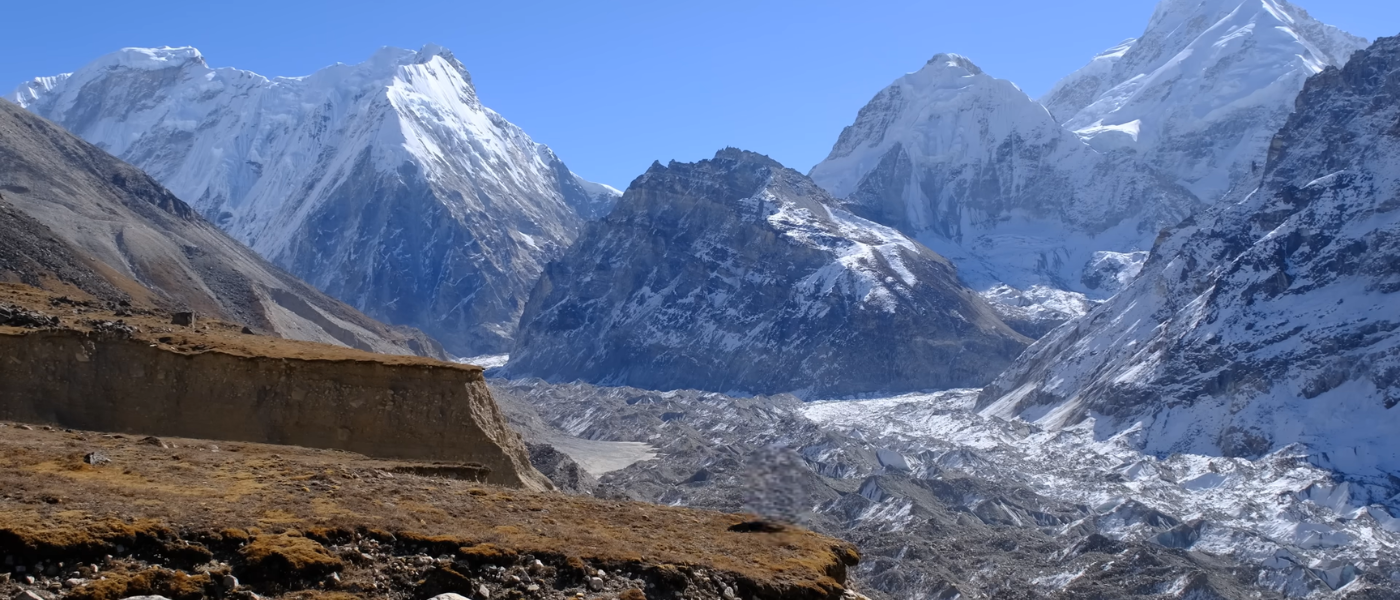
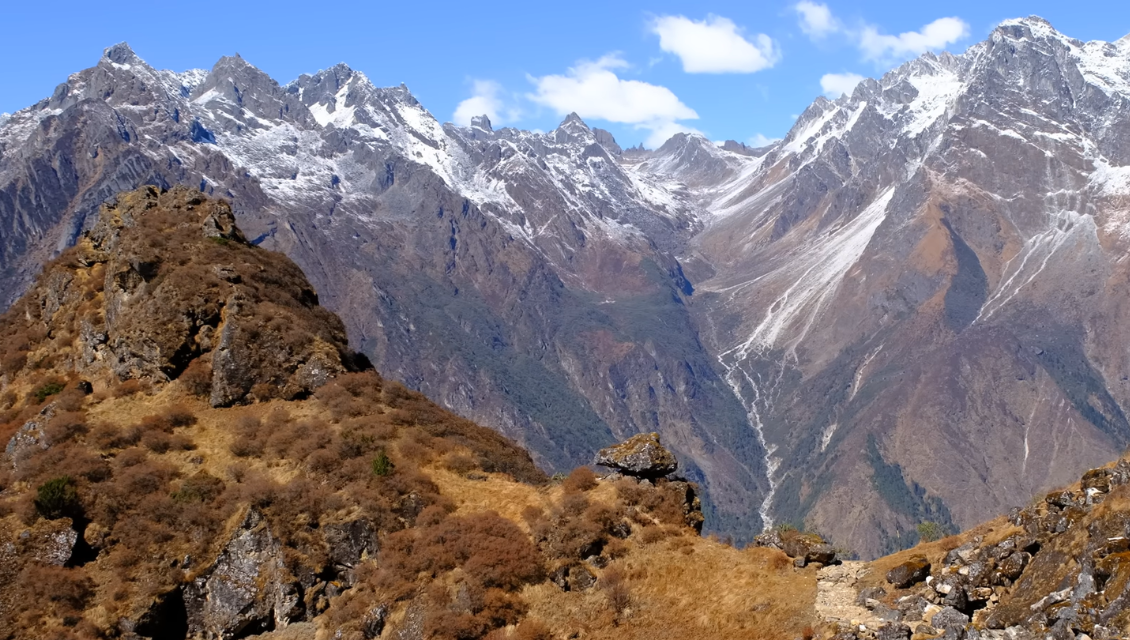
Higher up, the terrain becomes increasingly remote and challenging, with steep ridges, glacial moraines, and vast high-altitude wilderness. The trail passes through isolated settlements where traditional lifestyles remain largely unchanged for generations.
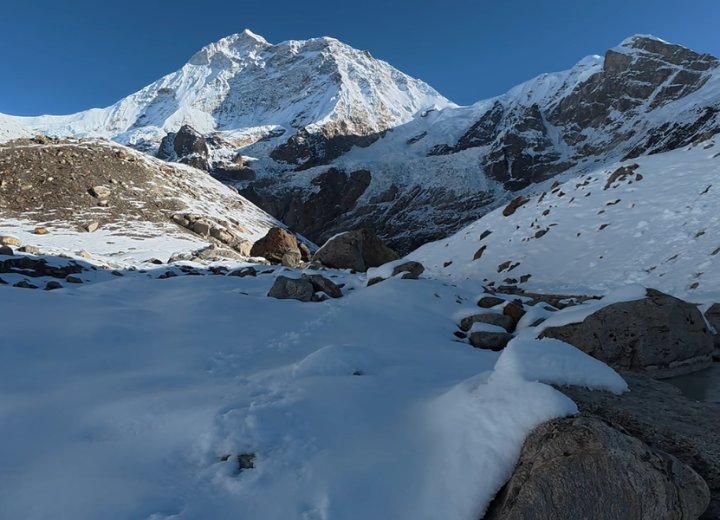
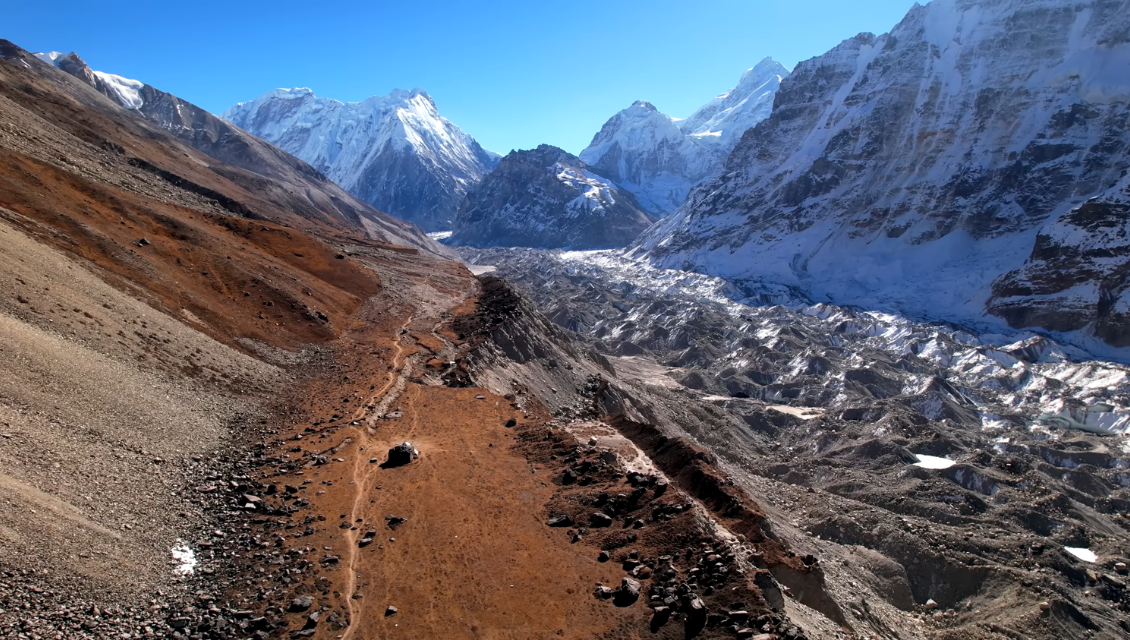
Both the North Base Camp (Pangpema) and South Base Camp (Oktang) offer breathtaking views of the Kanchenjunga massif. These areas are surrounded by massive glaciers, icefalls, and towering Himalayan walls, creating one of the most dramatic mountain landscapes in Nepal.
The sense of isolation, raw beauty, and untouched nature makes this trek a true expedition into the heart of the eastern Himalayas.
Climate and Best Time to Trek
The best seasons for the Kanchenjunga Base Camp Trek are spring (March–May) and autumn (September–November). These months provide the most stable weather conditions, clear skies, and excellent mountain visibility.
Spring is especially beautiful, with blooming rhododendron forests, lush green valleys, and active wildlife in the lower regions. Autumn offers crisp air, dry trails, and some of the clearest views of the Kanchenjunga range after the monsoon season.
Winter (December–February) is extremely cold and heavily snow-covered at higher elevations, making the trek difficult and suitable only for highly experienced trekkers. The monsoon season (June–August) is not recommended due to heavy rainfall, landslides, and limited visibility.
Overall, autumn is considered the best and safest season for completing this trek.
People and Culture
The Kanchenjunga region is home to diverse ethnic communities, including Limbu, Rai, Sherpa, and Tibetan-influenced groups. These communities maintain strong cultural traditions deeply connected to nature, spirituality, and ancestral heritage.
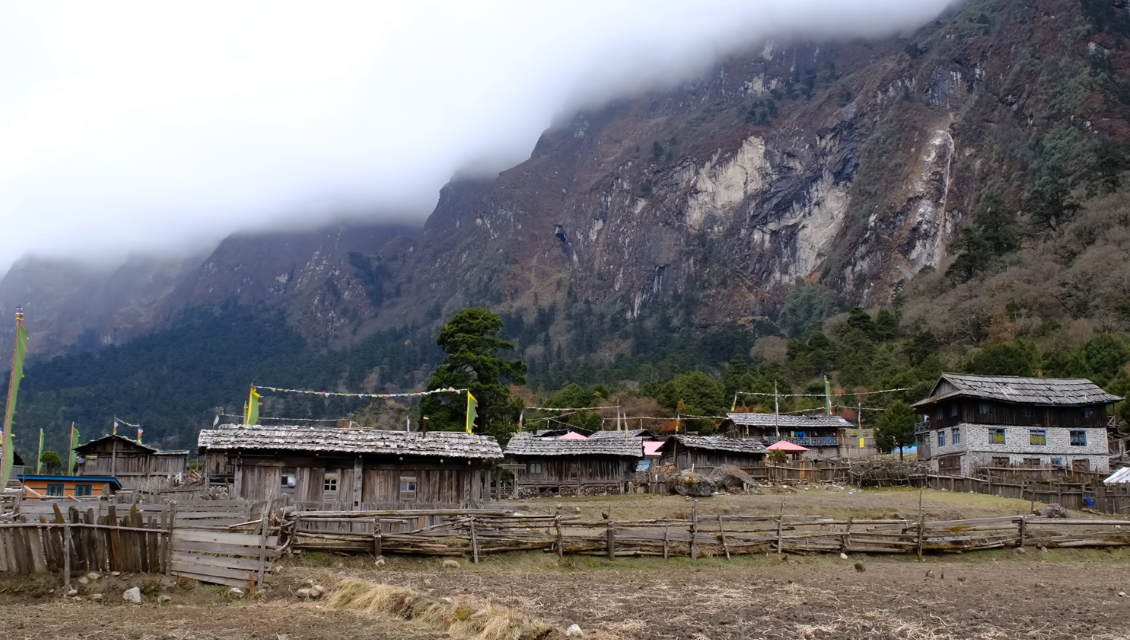
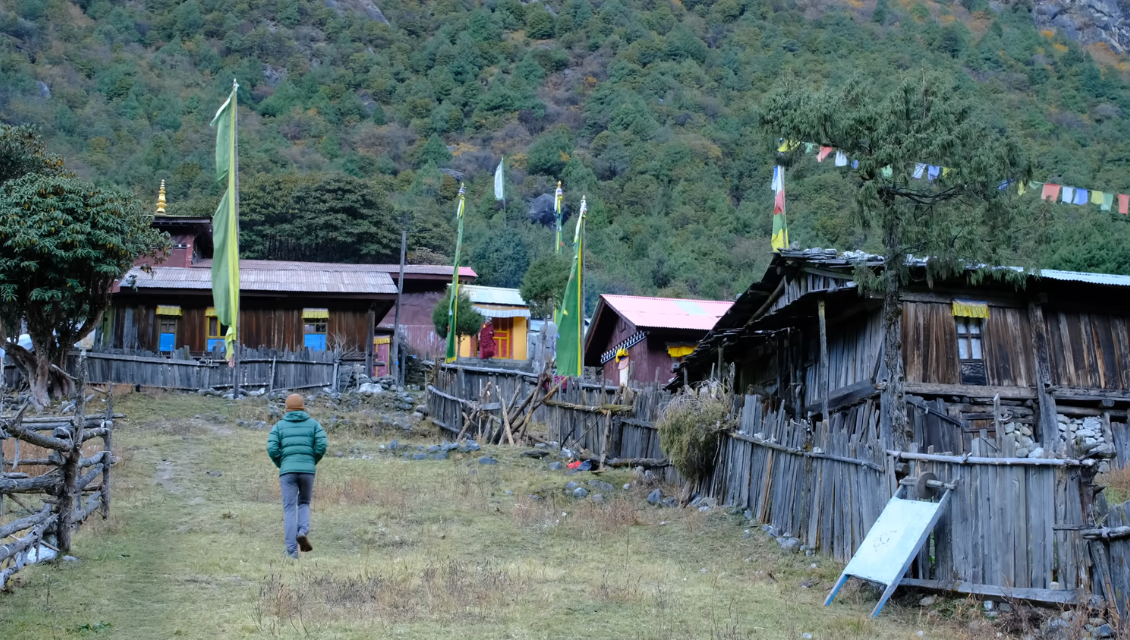
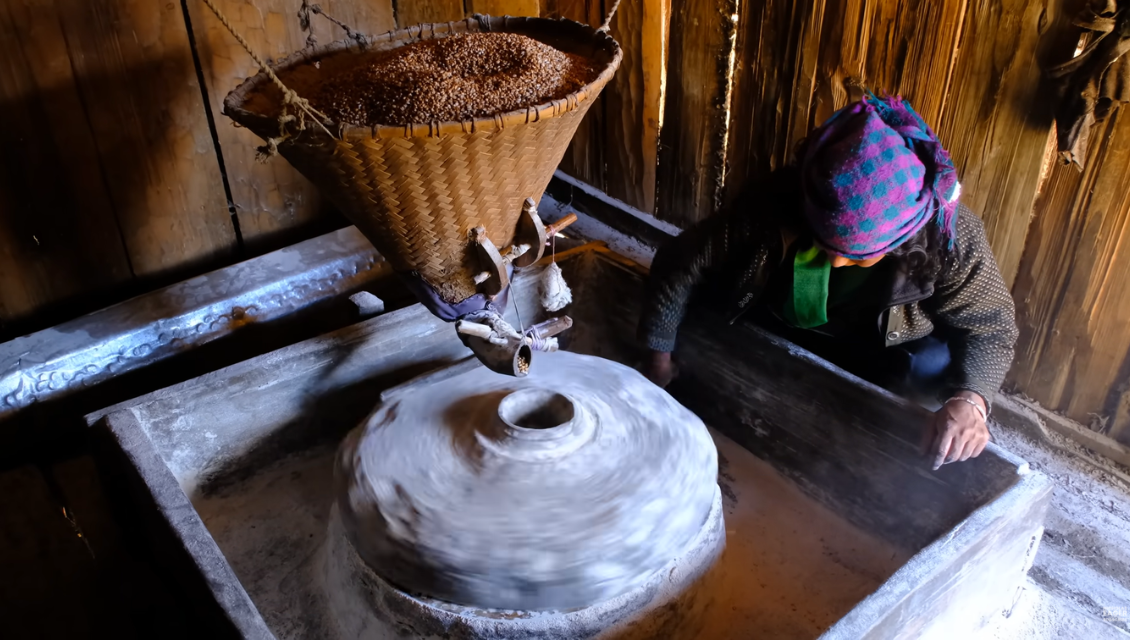
The Limbu people, in particular, have a rich cultural identity rooted in the Kirat tradition, with unique language, rituals, and festivals. Their villages along the lower trails showcase traditional stone houses, terraced farming systems, and warm hospitality.
In higher elevations, Tibetan Buddhist culture becomes more prominent, with monasteries, prayer flags, chortens, and sacred sites reflecting spiritual life in the mountains. Life in these remote villages is simple, self-sufficient, and closely tied to the rhythm of the Himalayas.
The combination of extreme wilderness, rich cultural diversity, and close-up views of Kanchenjunga makes this trek one of the most powerful and unforgettable Himalayan adventures in Nepal.
Highlights
- Close-up views of the five summits of Kanchenjunga
- Cross the challenging Amphu Lapcha Pass (5,700m) and other high passes
- Trek through Kanchenjunga Conservation Area
- Visit ancient monasteries and traditional Limbu & Rai villages
- Spot rare wildlife including red pandas and Himalayan blue sheep
- Experience remote Himalayan wilderness away from crowds
- Explore glaciers, alpine lakes, and pristine forests
- Enjoy spectacular mountain panoramas throughout the trek
Day-by-day itinerary
-
Arrive at Tribhuvan International Airport in Kathmandu. You will be transferred to your hotel where you can rest and acclimatize after your journey. Spend the day relaxing or exploring the vibrant capital city. Attend a trek briefing in the evening to prepare for your upcoming adventure.
Accomadation: Hotel
Place to visit: Nepal
Meals: Dinner
-
Today will be dedicated to trek preparation and completing all necessary permit procedures in Kathmandu. Our team from Nord Extreme will assist you with permit arrangements, trekking briefing, gear checking, and final trip preparation to ensure a safe and comfortable journey ahead.
You will also have free time to explore Thamel for any last-minute shopping or personal preparations before the trek begins.
Accomadation: Hotel
Place to visit: Nepal
Meals: Breakfast
-
Travel Duration: Flight 45 minutes + Drive 8–10 hours
Fly from Kathmandu to Bhadrapur, located in eastern Nepal. From there, take a scenic drive to Taplejung, the gateway to the Kanchenjunga trekking region. Taplejung is a small, bustling town where you can prepare for your trek.
Accomadation: Tea House
Place to visit: Kanchenjunga Region
Meals: Breakfast Lunch Dinner
-
Trek Duration: 5–6 hours
Begin your trek from Taplejung. The trail takes you through beautiful forests, traditional villages, and terraced fields. Sekathum (also called Sukethum) is a small village nestled amidst rolling hills and offers your first immersion into the peaceful rural lifestyle of eastern Nepal.
Accomadation: Tea House
Place to visit: Kanchenjunga Region
Meals: Breakfast Lunch Dinner
-
Trek Duration: 5–6 hours
Continue trekking through dense forests of oak, rhododendron, and pine. The trail ascends steadily as you pass small settlements and farmsteads before reaching Amjilossa, a quiet village surrounded by pristine natural beauty.
Accomadation: Hotel
Place to visit: Kanchenjunga Region
Meals: Breakfast Lunch Dinner
-
Trek Duration: 6–7 hours
The path takes you deeper into remote Himalayan terrain, with increasing elevation. You will experience traditional Limbu villages along the way. Gybala offers spectacular views of snow-capped peaks and a glimpse into authentic mountain village life.
Accomadation: Hotel
Place to visit: Kanchenjunga Region
Meals: Breakfast Lunch Dinner
-
Trek Duration: 6–7 hours
Trek ascends steadily through rhododendron and pine forests, crossing streams and local villages. Ghunsa is a charming Sherpa village and a highlight of the trek with stunning mountain views including Kanchenjunga itself.
Accomadation: Tea House
Place to visit: Kanchenjunga Region
Meals: Breakfast Lunch Dinner
-
Hike Duration: Optional acclimatization hike 3–4 hours
Spend a day resting and acclimatizing in Ghunsa. Take a short hike to nearby viewpoints to soak in panoramic vistas of the eastern Himalayas, including towering Kanchenjunga peaks and glaciers. This rest day helps prepare your body for higher altitudes.
Accomadation: Tea House
Place to visit: Kanchenjunga Region
Meals: Breakfast Lunch Dinner
-
Trek Duration: 5–6 hours
The trail continues through pristine forests and alpine meadows, offering close views of the Kanchenjunga massif. Khambachen is a serene village set against the backdrop of snow-capped peaks, providing a peaceful place to stay.
Accomadation: Tea House
Place to visit: Kanchenjunga Region
Meals: Breakfast Lunch Dinner
-
Hike Duration: 5–6 hours round trip
A full acclimatization day with a trek to Janu View Point, also known as Kumbhakarna Base Camp. This day hike offers some of the most stunning views of Kanchenjunga’s southern face and surrounding peaks. Return to Khambachen for the night.
Accomadation: Tea House
Place to visit: Kanchenjunga Region
Meals: Breakfast Lunch Dinner
-
Trek Duration: 6–7 hours
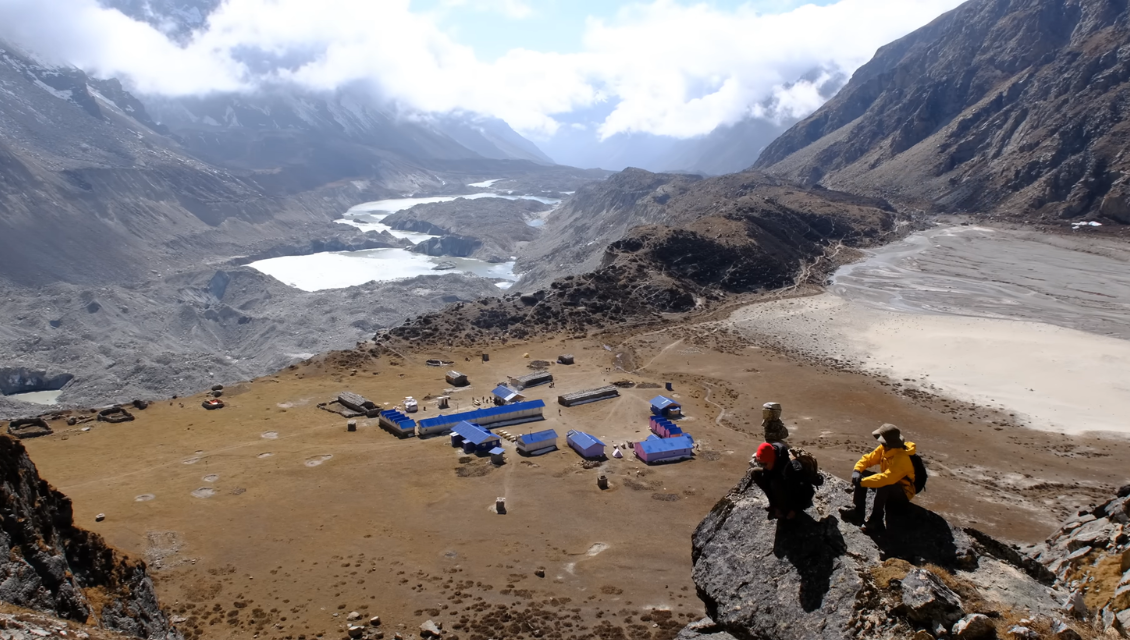
Ascend to Lhonak, a high alpine settlement and base camp area for Kanchenjunga. The terrain becomes more barren and glacial, with breathtaking vistas of snow fields, glaciers, and towering mountains.
Accomadation: Tea House
Place to visit: Kanchenjunga Region
Meals: Breakfast Lunch Dinner
-
Trek Duration: 4–5 hours
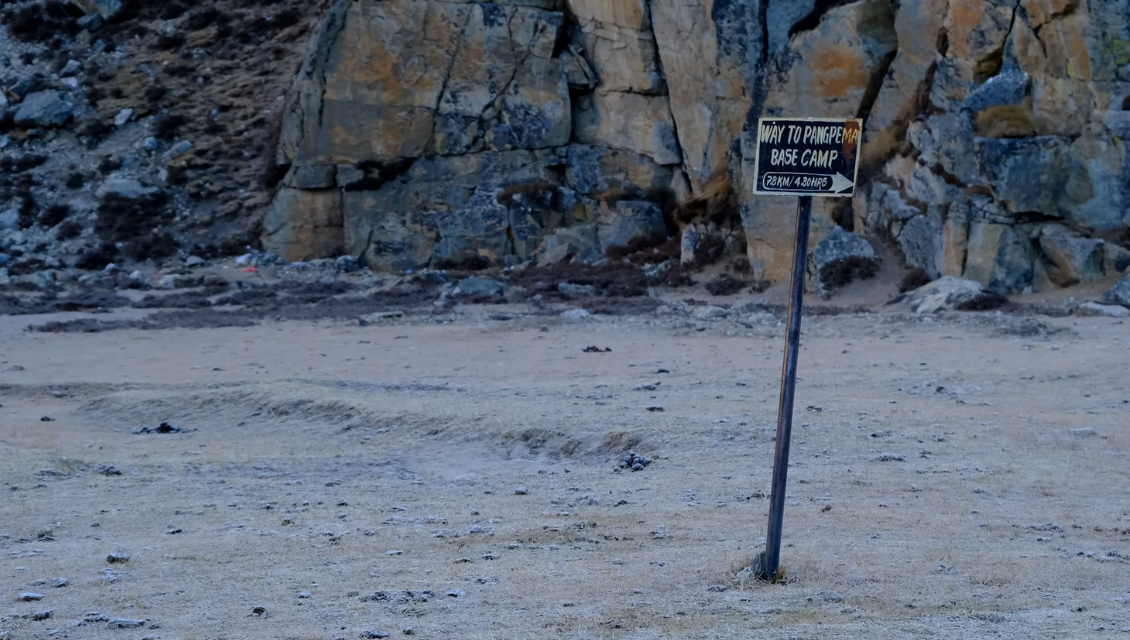
Trek to Pangpema, the north side base camp of Kanchenjunga. This area is remote and rugged, offering close-up views of the peak’s northern face and massive glaciers. Camp here or stay in teahouses depending on arrangements.
Accomadation: Tea House
Place to visit: Kanchenjunga Region
Meals: Breakfast Lunch Dinner
-
Trek Duration: 4–5 hours
Spend the morning exploring nearby ridges or lakes around Pangpema. Return to Lhonak for overnight rest.
Accomadation: Tea House
Place to visit: Kanchenjunga Region
Meals: Breakfast Lunch Dinner
-
Trek Duration: 6–7 hours
Begin the descent, retracing steps through alpine meadows and rocky terrain back to Khambachen. Enjoy the changing scenery on your return journey.
Accomadation: Tea House
Place to visit: Kanchenjunga Region
Meals: Breakfast Lunch Dinner
-
Trek Duration: 5–6 hours
Continue descending through forests and villages back to Ghunsa. Relish the familiar sights and warm hospitality of this mountain village.
Accomadation: Tea House
Place to visit: Kanchenjunga Region
Meals: Breakfast Lunch Dinner
-
Trek Duration: Approx. 6 hours
Trek towards High Camp, gradually ascending through pristine landscapes and crossing small streams. High Camp is a remote, tranquil spot that prepares you for upcoming mountain passes.
Accomadation: Tea House
Place to visit: Kanchenjunga Region
Meals: Breakfast Lunch Dinner
-
Trek Duration: 5–6 hours
Cross the Mirgin La Pass, a scenic high mountain pass offering panoramic views of Kanchenjunga and neighboring peaks. Descend to Tseram village for the night.
Accomadation: Tea House
Place to visit: Kanchenjunga Region
Meals: Breakfast Lunch Dinner
-
Trek Duration: 5–6 hours
Trek through rugged terrain, crossing ridges and river valleys. Ramche is a quiet mountain settlement with sweeping vistas.
Accomadation: Tea House
Place to visit: Kanchenjunga Region
Meals: Breakfast Lunch Dinner
-
Trek Duration: 5–6 hours round trip
A day excursion to Oktang, the South Base Camp of Kanchenjunga, which offers spectacular mountain views and a chance to experience untouched Himalayan wilderness.
Accomadation: Tea House
Place to visit: Kanchenjunga Region
Meals: Breakfast Lunch Dinner
-
Trek Duration: 5–6 hours
Descend through forested valleys and terraced fields to Tortong, a small village surrounded by natural beauty.
Accomadation: Tea House
Place to visit: Kanchenjunga Region
Meals: Breakfast Lunch Dinner
-
Trek Duration: 5–6 hours
Continue trekking through diverse landscapes to Yamphudin, a culturally rich village home to Rai ethnic communities.
Accomadation: Tea House
Place to visit: Kanchenjunga Region
Meals: Breakfast Lunch Dinner
-
Activity Duration: Optional village exploration 2–3 hours
Take a rest day to explore Yamphudin, interact with locals, and enjoy the serene mountain environment.
Accomadation: Tea House
Place to visit: Kanchenjunga Region
Meals: Breakfast Lunch Dinner
-
Trek Duration: 5–6 hours
Descend through forests and farmlands toward Mamanke village, a gateway for the drive back.
Accomadation: Tea House
Place to visit: Kanchenjunga Region
Meals: Breakfast Lunch Dinner
-
Drive Duration: 6–7 hours
Drive from Mamanke back to Taplejung, enjoying views of the eastern Himalayan foothills and rural landscapes.
Accomadation: Tea House
Place to visit: Kanchenjunga Region
Meals: Breakfast Lunch Dinner
-
Travel Duration: Drive 8–10 hours + Flight 45 minutes
Drive from Taplejung to Bhadrapur and take a flight back to Kathmandu. Transfer to your hotel for rest or last-minute shopping.
Accomadation: Hotel
Place to visit: Nepal
Meals: Breakfast Lunch Dinner
-
Transfer Duration: 30–45 minutes
Transfer to Tribhuvan International Airport for your onward flight, concluding your Kanchenjunga adventure.
Place to visit: Nepal
Meals: Breakfast
What’s included
Cost includes
1. Transportations
- Private/tourist vehicles for airport pickup and drop-off in Kathmandu.
- Private/tourist vehicles transfer as per itinerary to access the trailheads.
- Domestic flight included for access to the trekking starting & ending point.
2. Accommodation & Meals
- 4 night 3 star hotel in Kathmandu with bed & breakfast basis.
- All Meals (breakfast, lunch & dinner with tea & coffee) during the trekking Period.
3. Permits
- Kanchenjunga restricted area permit (issued by Department of Immigration).
- Kanchenjunga Conservation Area Project (KCAP) permits.
4. Guide & Staff
- Professional and experience License holder trekking guide salary & insurance.
- Porter salary, equipments & insurance.
- First aid medical kit for emergency support.
Cost excludes
1. International Flights
- Airfare from your home country to Nepal (Tribhuvan International Airport, Kathmandu).
- Return airfare from Nepal (Tribhuvan International Airport, Kathmandu) to your home country.
2. Visa Fees
- Nepal entry visa fee for entering Nepal (available on arrival at Tribhuvan International Airport, Kathmandu, or through a Nepalese embassy).
3. Travel Insurance (Mandatory)
- Comprehensive travel insurance covering high-altitude trekking, emergency medical treatment, helicopter evacuation, trip cancellation, and other unforeseen circumstances.
4. Personal Expenses
- Tips, gifts, and souvenirs for trekking guides and porters.
- Personal trekking equipment and gear.
- Charges for lodge Wi-Fi, hot showers, battery charging, and laundry services.
5. Meals & Beverages
- Lunch and dinner in Kathmandu, Pokhara, and other locations where accommodation is provided in 3-star category hotels.
- Soft drinks, bottled water, alcoholic beverages, and snacks consumed during meals
Photos & video
Dates & prices
Private departures run on any date. Pick the start date that suits you and we will build the trip around it — same price, your own guide and team.
Good to know
Essential information
Accommodation
Accommodation is very basic and consists of teahouses in lower villages and camping in many higher sections of the trail.
Lower areas such as Taplejung, Suketar, and Mitlung offer simple lodges. As the trek moves deeper into the conservation area toward Kanchenjunga Base Camp, accommodation becomes extremely limited, and camping is often required.
Facilities are minimal due to the remote and protected nature of the region.
Meals
A full-board meal system (Breakfast, Lunch, and Dinner) is provided, with meals prepared by trekking crews or available in local teahouses.
Typical food includes:
- Traditional Dal Bhat set meals
- Rice, lentils, and seasonal vegetables
- Noodles, soups, and pasta
- Potatoes and simple bread items
- Tea and basic hot beverages
Food variety is limited due to the expedition-style trekking conditions.
Difficulty & Physical Requirements
The Kanchenjunga Base Camp Trek is classified as very strenuous, suitable only for highly experienced trekkers with excellent fitness and prior high-altitude trekking experience.
Daily trekking ranges from 6 to 9 hours, involving steep ascents, long remote sections, river valleys, and high-altitude passes.
This trek requires strong endurance, mental resilience, and proper acclimatization planning.
Permits
Required permits include:
- Kanchenjunga Conservation Area Permit (KCAP)
- Restricted Area Permit (RAP)
- TIMS Card (Trekkers’ Information Management System)
A registered trekking guide is mandatory for this region.
Best Season
- Spring (March–May): Rhododendron forests, clear skies, and stable weather
- Autumn (September–November): Best visibility and safest trekking conditions
- Winter (December–February): Extremely cold and snow-bound trails
- Monsoon (June–August): Not recommended due to landslides and heavy rainfall
Transportation & Access
The trek typically begins with a flight or drive from Kathmandu to Bhadrapur Airport, followed by a long road journey to Taplejung.
From Taplejung or Suketar, the trekking route begins through remote valleys and conservation areas toward the base camps.
Access is long, remote, and requires multiple travel days.
Safety & Acclimatization
Due to extreme remoteness and altitude, careful planning is essential.
Key safety considerations include:
- Gradual altitude gain through remote valleys
- Limited rescue and communication facilities
- River crossings and rugged terrain
- Weather unpredictability in alpine zones
- Proper acclimatization at intermediate camps
Experienced guides and strong expedition planning are essential.
Travel Insurance
Comprehensive travel insurance is mandatory and must include:
- High-altitude trekking coverage (up to at least 6,000m)
- Emergency helicopter evacuation and rescue
- Medical treatment and hospitalization
- Trip cancellation and repatriation coverage
Additional information
Guide & Porter Services
A licensed guide is mandatory for the Kanchenjunga region due to its restricted area status.
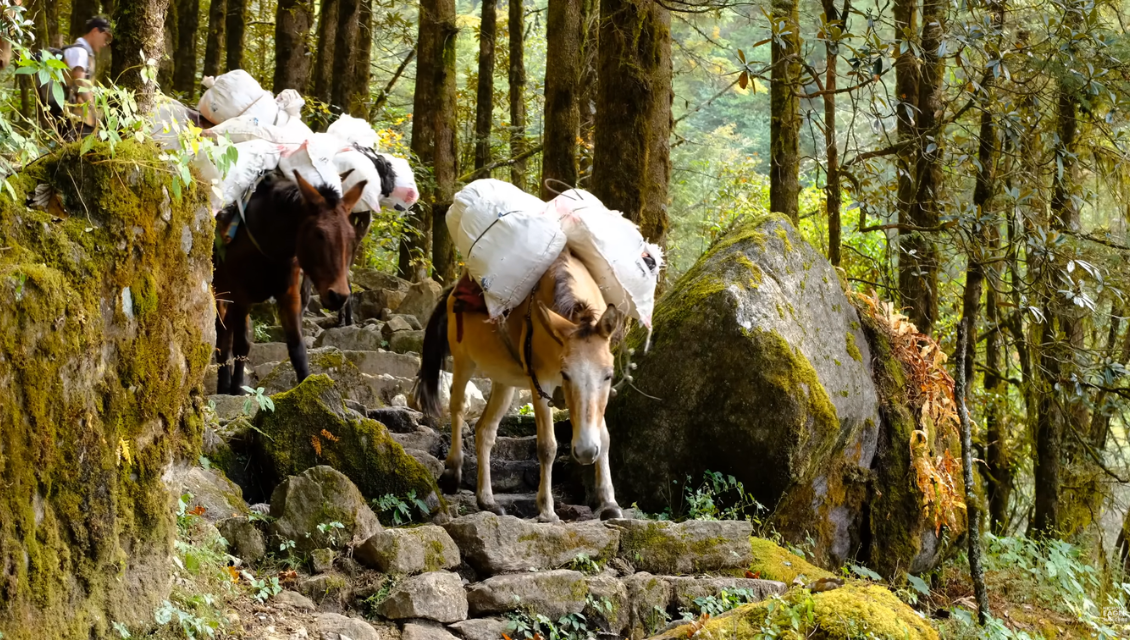
Porters and full expedition support teams are strongly recommended for carrying equipment and supplies.
Cultural & Natural Highlights
The Kanchenjunga Base Camp Trek is one of Nepal’s richest natural and cultural expeditions:
- Stunning views of Kanchenjunga Base Camp and surrounding peaks
- Remote and untouched Himalayan wilderness
- Rich biodiversity in the Kanchenjunga Conservation Area
- Rare wildlife including red panda and Himalayan species
- Traditional Limbu, Rai, and Tibetan-influenced villages
- High alpine valleys, glaciers, and deep river gorges
- Far fewer trekkers compared to Everest and Annapurna regions
- One of Nepal’s most remote and rewarding trekking experiences
Essential Equipment
Recommended trekking gear includes:
- High-quality trekking boots
- Expedition-grade layered clothing system
- Extreme cold down jacket (-25°C to -30°C)
- Waterproof jacket and trousers
- Gloves, thermal hat, and UV sunglasses
- Trekking poles
- Sleeping bag rated for extreme cold
- Large trekking backpack (50–60L)
- Personal first aid and emergency supplies
Communication & Connectivity
Mobile network coverage is extremely limited or unavailable in most parts of the trek.
Satellite communication is highly recommended for safety and emergency use.
Why Choose the Kanchenjunga Base Camp Trek?
This trek is ideal for serious adventurers seeking a true Himalayan expedition:
- Remote and untouched wilderness region
- Close-up views of Mount Kanchenjunga (8,586m)
- Rich biodiversity and protected conservation area
- Authentic cultural immersion with remote communities
- Far fewer trekkers than other major routes
- Expedition-style camping experience
- Challenging and rewarding high-altitude adventure
- One of Nepal’s most pristine and isolated trekking journeys
Keep exploring