Day Tour in Nepal · Everest Region
Everest Scenic Mountain Flight by Fixed-Wing
- Duration1 Days
- DifficultyEasy
- Group size17 People
- Best seasonSEP-NOV, MAR-MAY
- Start / finishKathmandu
Trip overview
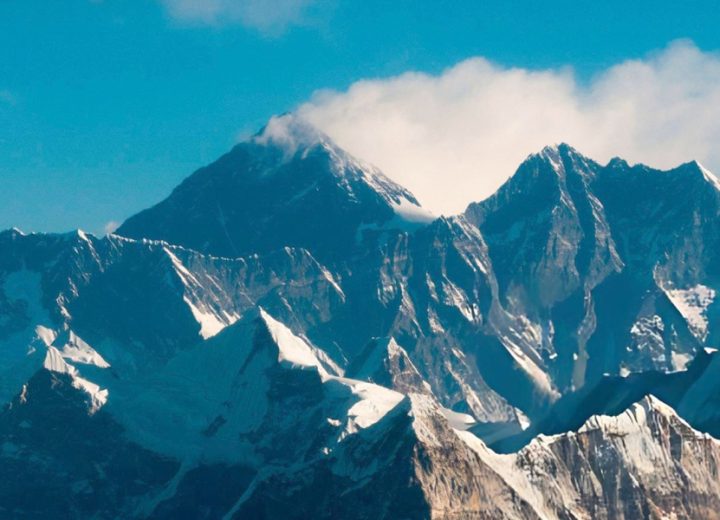
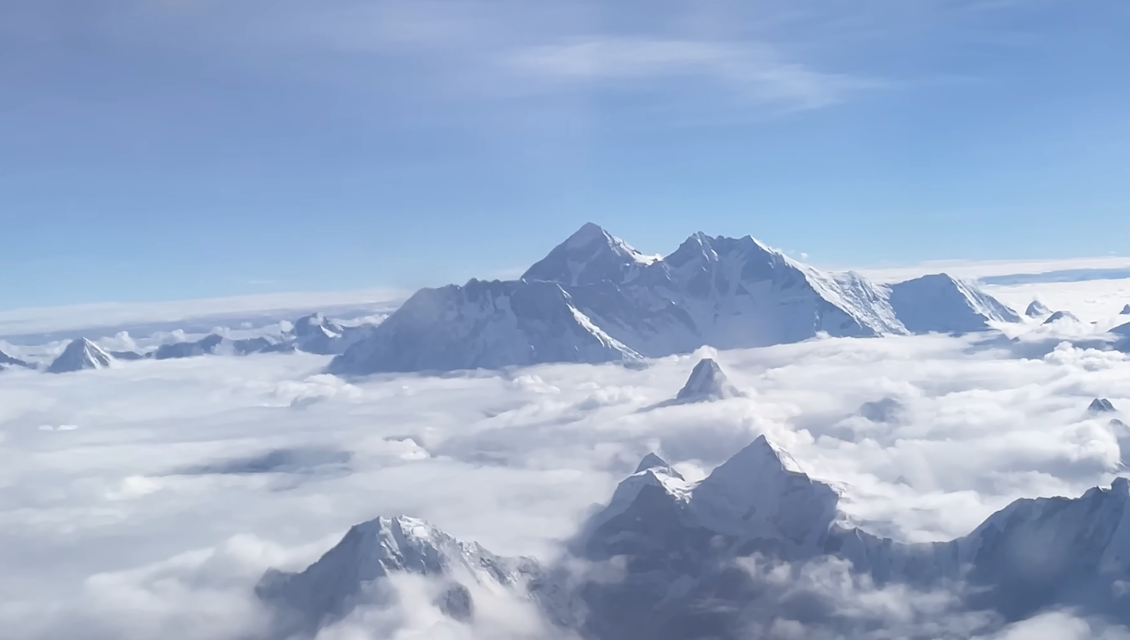
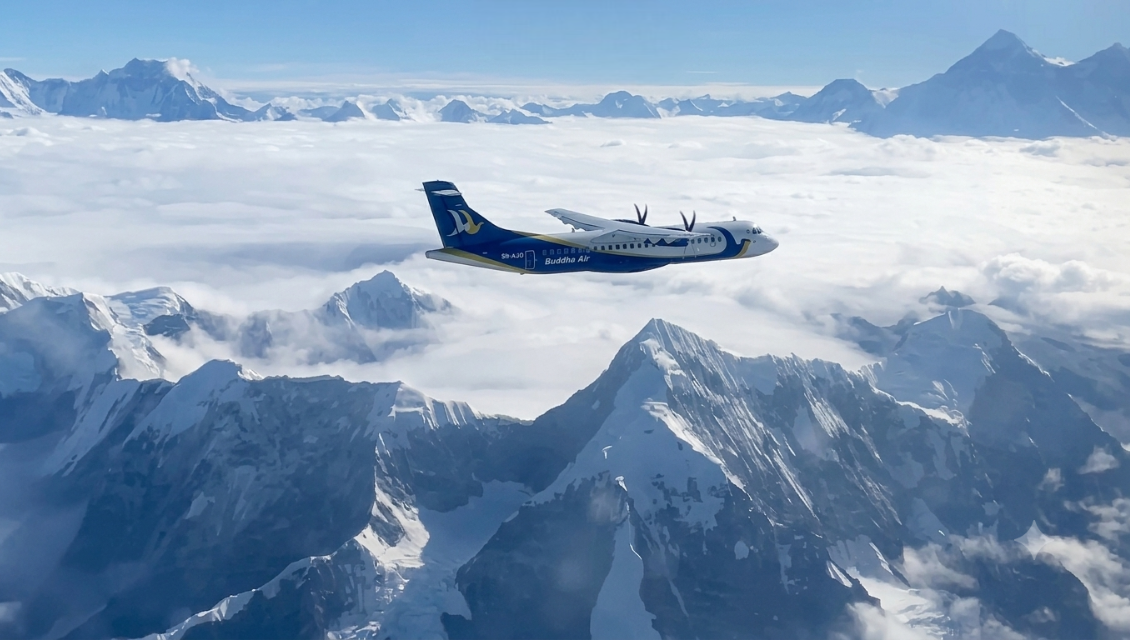
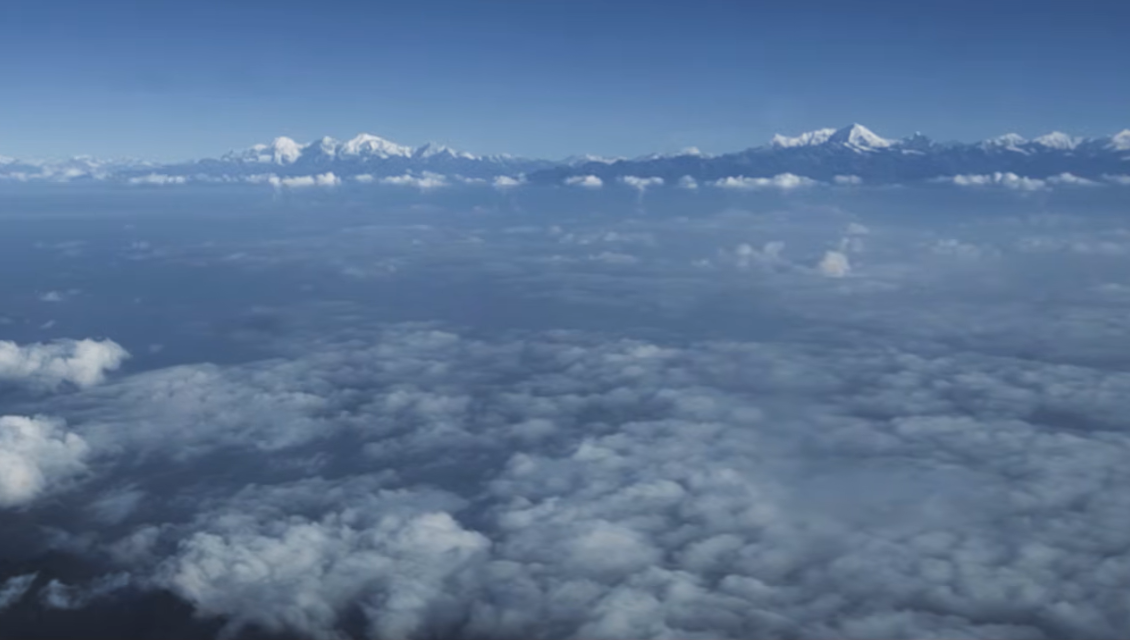
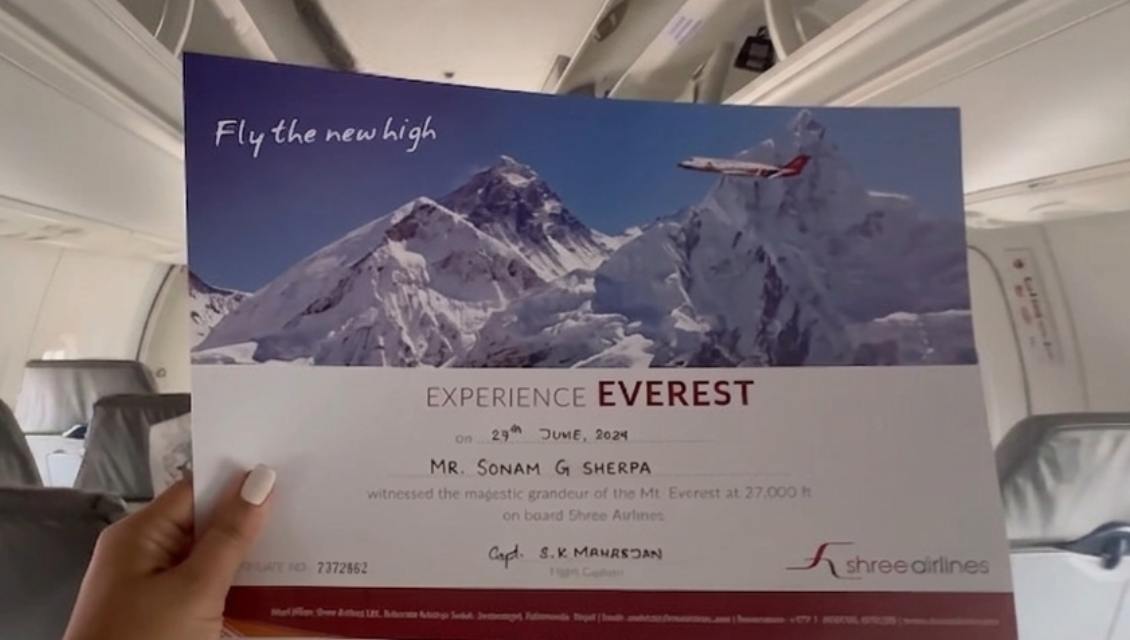
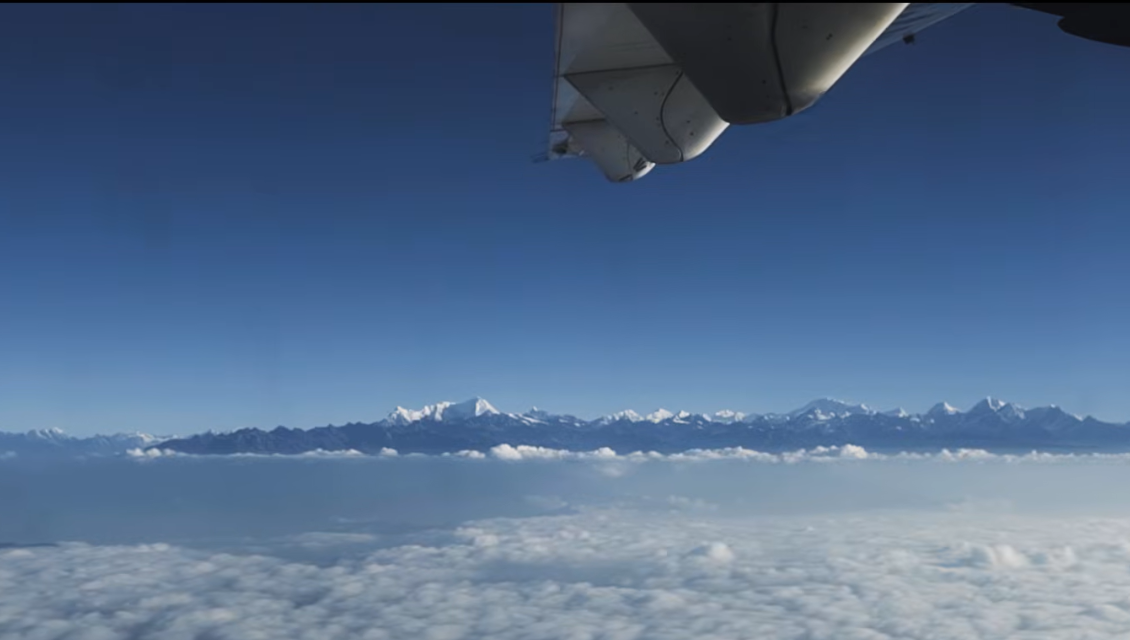
The Everest Scenic Mountain Flight by Plane is one of the most popular and accessible ways to experience the grandeur of the world’s highest peak, Mount Everest (8,848.86 m), along with the breathtaking Himalayan range of Nepal. This short yet unforgettable aerial journey offers panoramic views of snow-capped mountains, deep valleys, glaciers, and remote Himalayan landscapes—all from the comfort of a pressurized aircraft.
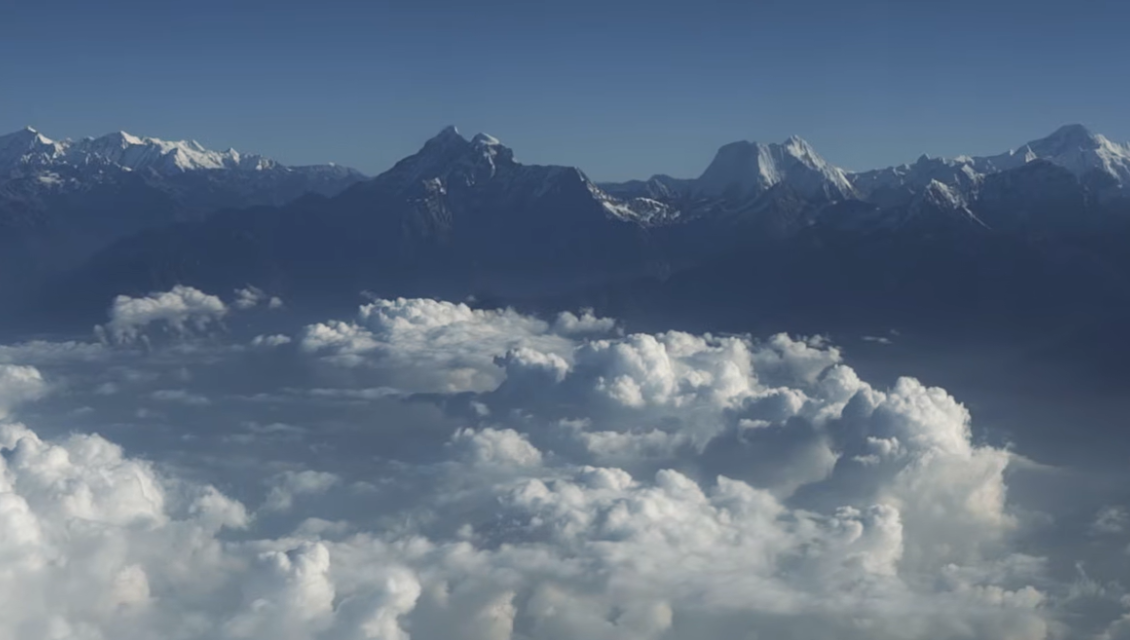
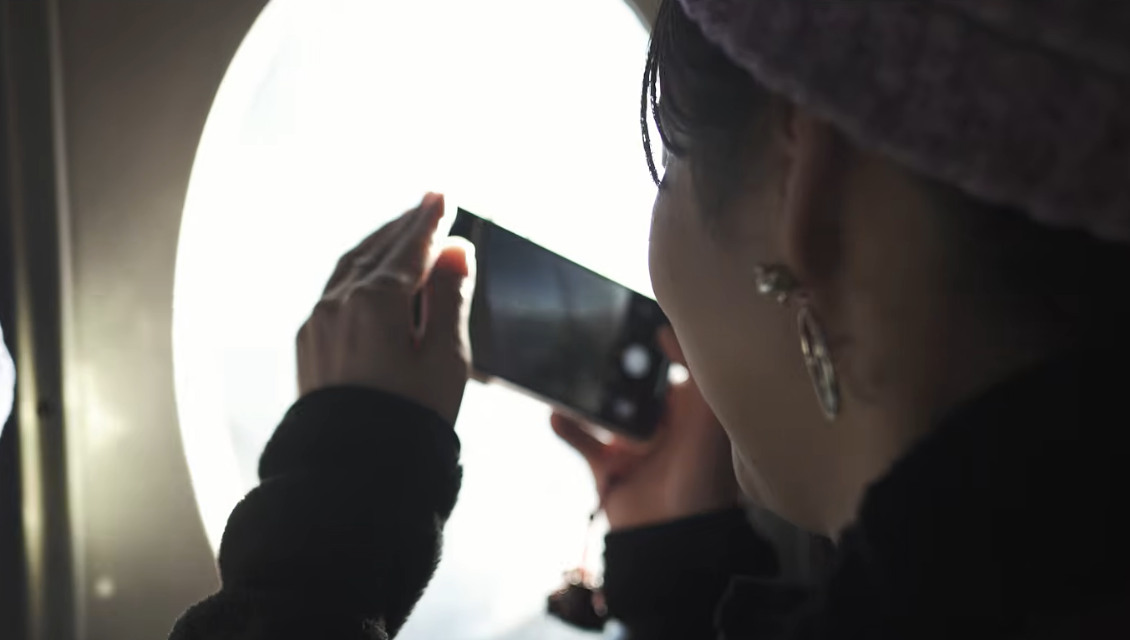
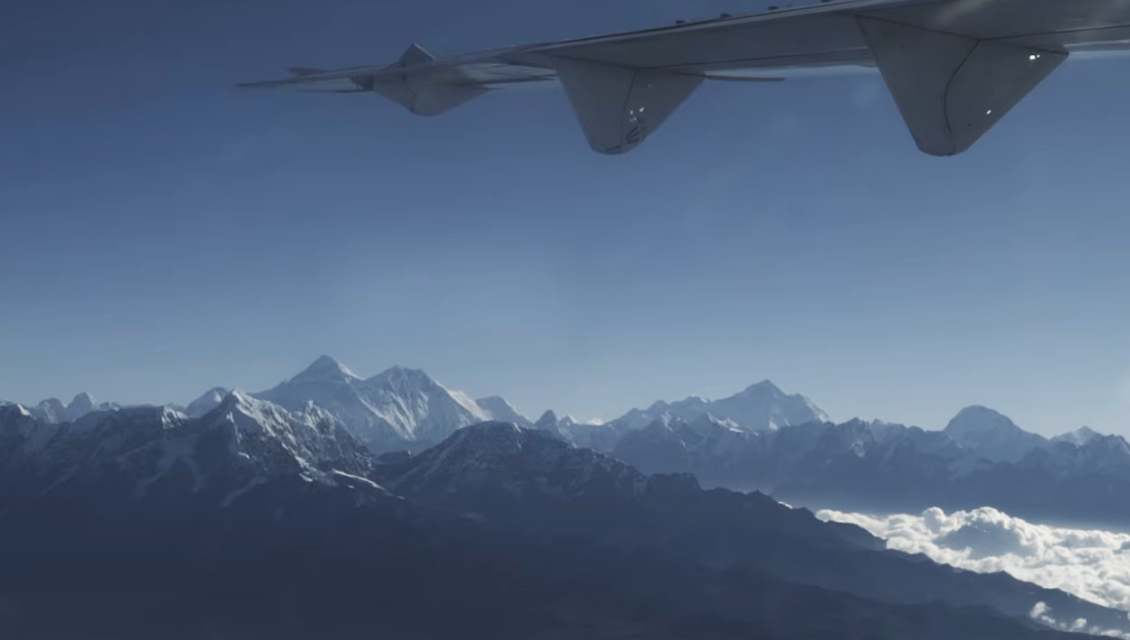
Departing from Kathmandu, the scenic mountain flight follows a carefully designed route along the eastern Himalayas, allowing passengers to witness multiple towering peaks including Everest, Lhotse, Nuptse, Makalu, Cho Oyu, and Kanchenjunga (on clear visibility days). Each passenger is guaranteed a window seat, ensuring uninterrupted views and excellent photography opportunities throughout the flight.
This experience is ideal for travelers with limited time, families, senior visitors, photographers, and those who prefer a safe and comfortable alternative to trekking or helicopter flights. It provides a once-in-a-lifetime opportunity to witness the Himalayas in their purest and most majestic form.
Geography and Landscape
The Everest Scenic Mountain Flight covers one of the most dramatic and diverse geographical regions in the world. The journey begins in the Kathmandu Valley at an elevation of approximately 1,400 meters, surrounded by green hills, terraced farmland, rivers, and traditional settlements.
As the aircraft ascends eastward, the landscape gradually transforms into rolling hills, deep river valleys, and forested ridges formed by ancient geological activity. The flight passes over the Langtang and Rolwaling Himalayan ranges, offering spectacular aerial views of peaks such as Langtang Lirung, Dorje Lakpa, Gauri Shankar, and Ganesh Himal.
Entering the Khumbu region, the terrain becomes increasingly rugged and alpine. This area lies within Sagarmatha National Park, a UNESCO World Heritage Site known for its glaciers, icefalls, and high-altitude ecosystems. Deep valleys carved by glacial rivers and vast snow-covered ridgelines dominate the scenery.
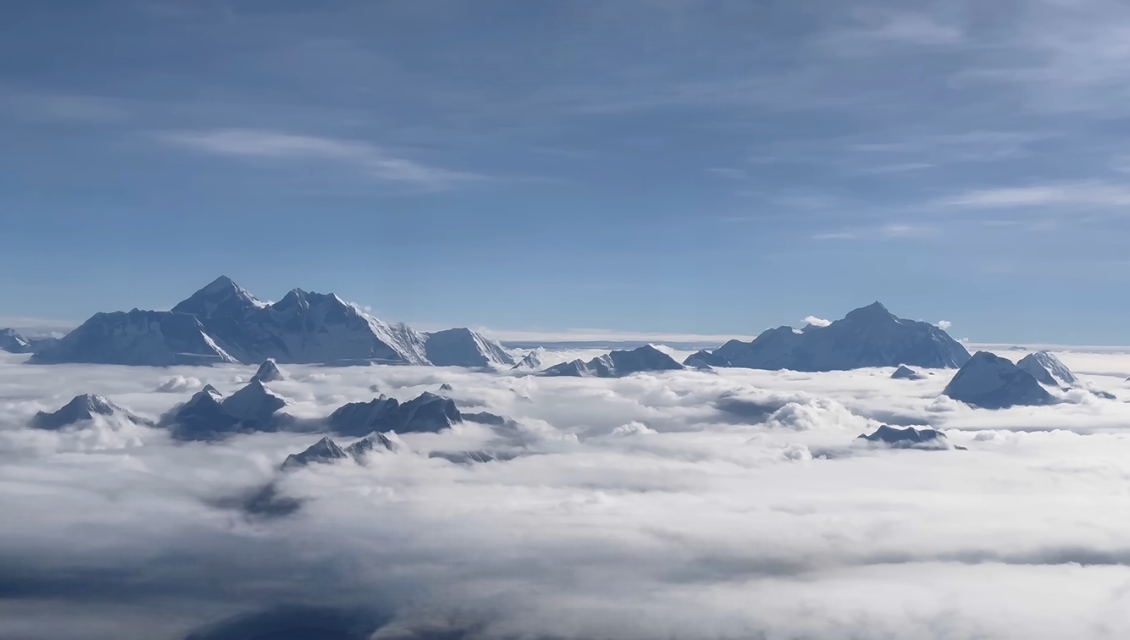
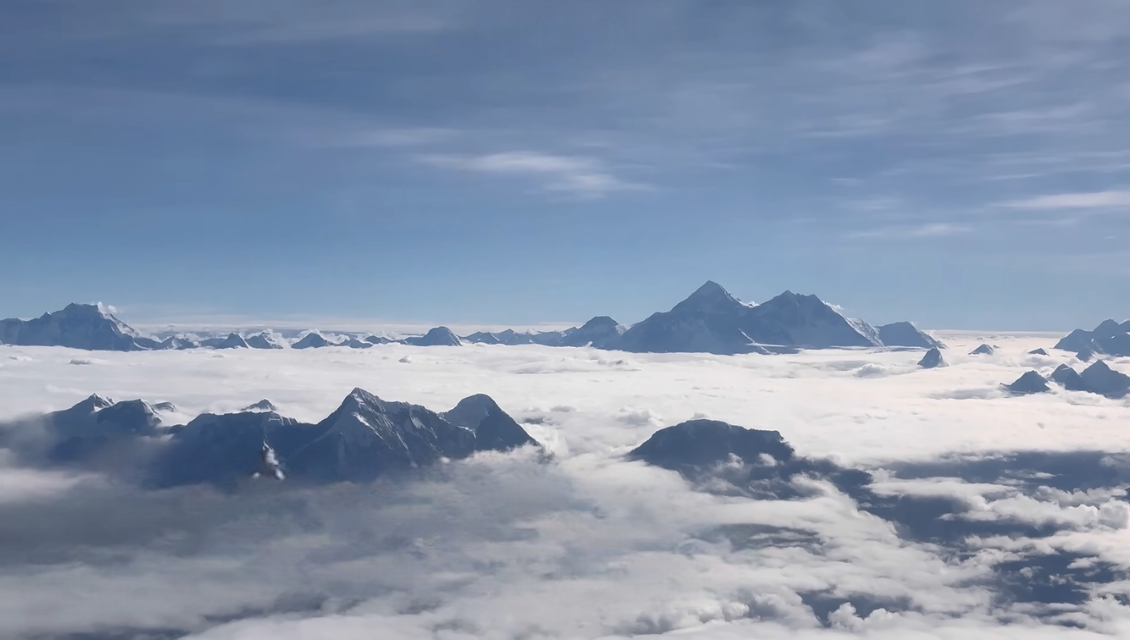
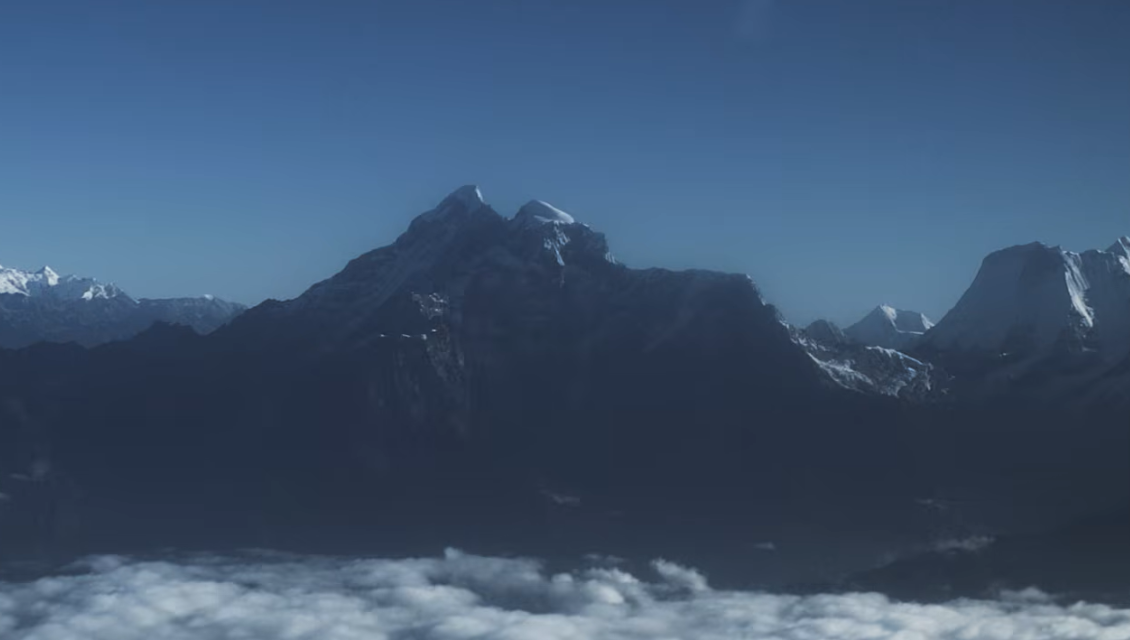
The highlight of the journey is the Everest region itself, where legendary peaks rise dramatically above the clouds. These include:
- Mount Everest (8,848.86 m)
- Lhotse (8,516 m)
- Nuptse (7,861 m)
- Makalu (8,485 m)
- Cho Oyu (8,188 m)
- Ama Dablam (6,812 m)
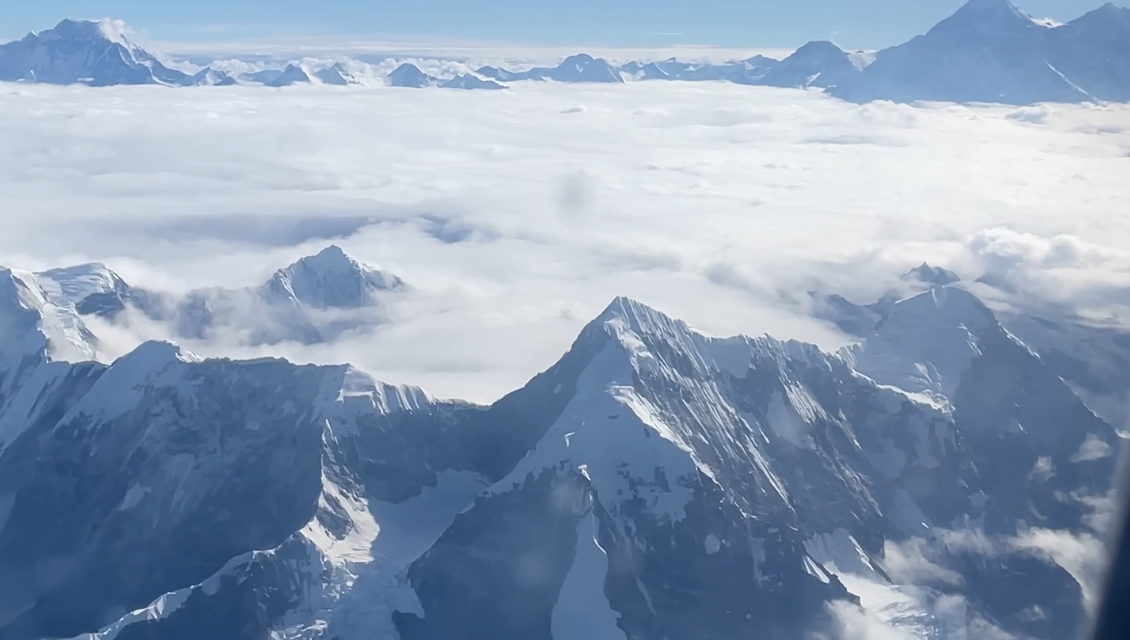
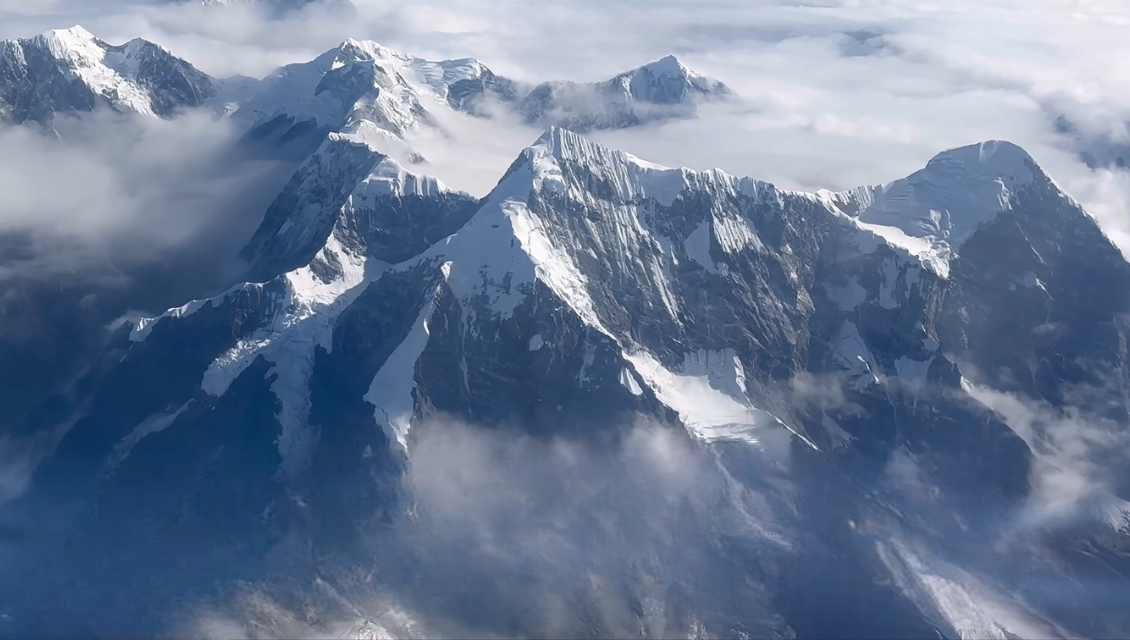
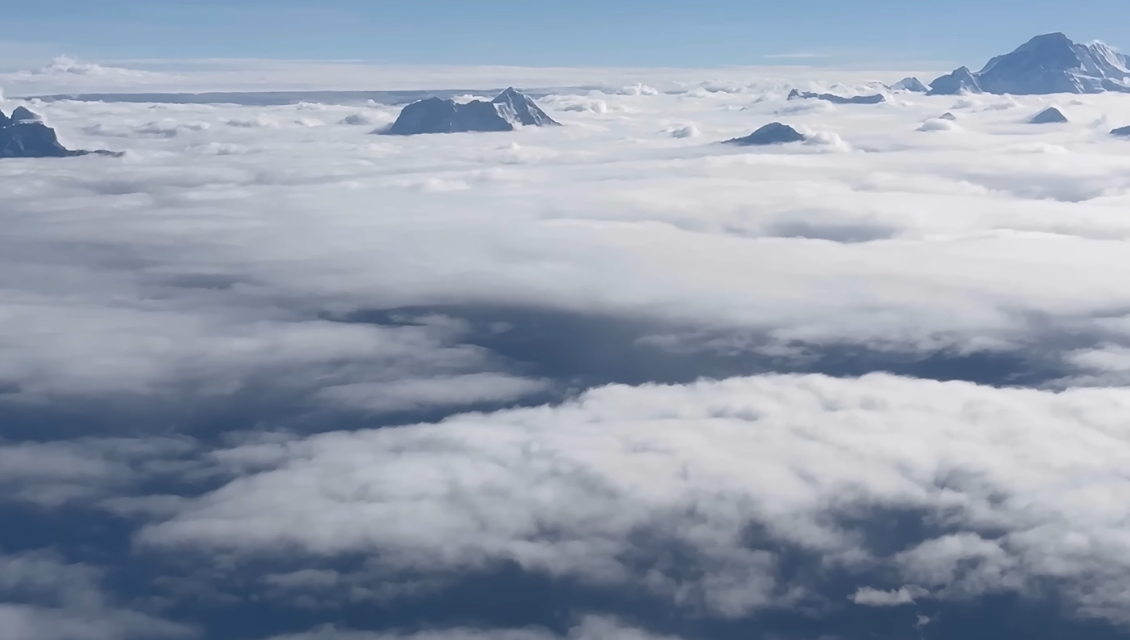
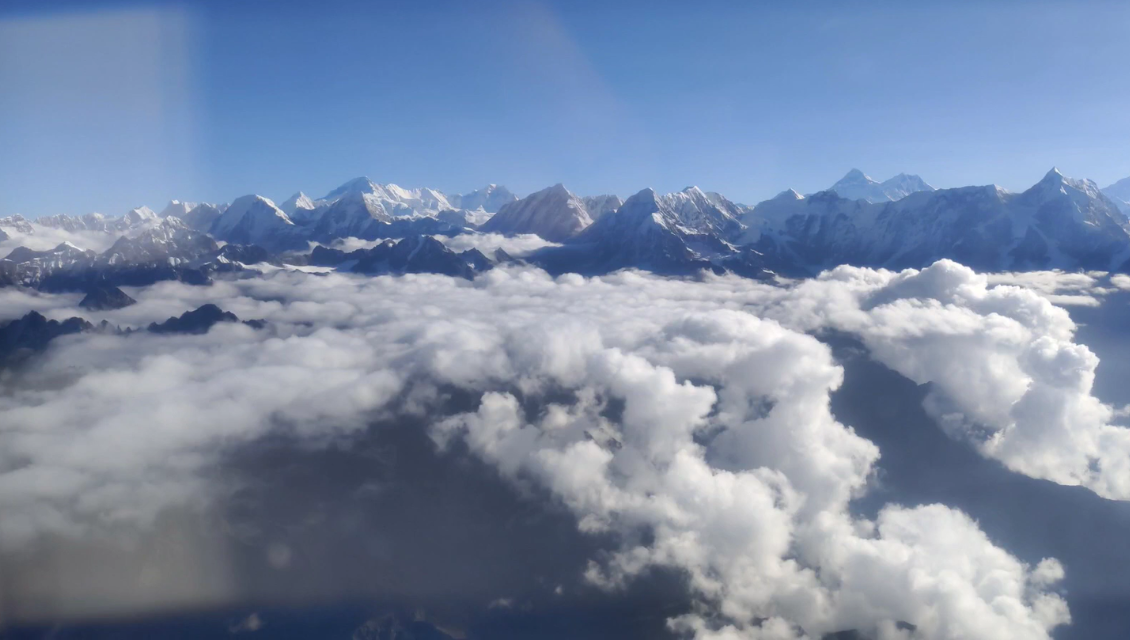
The contrast between rugged cliffs, icy glaciers, and towering peaks creates one of the most breathtaking landscapes on Earth.
Climate and Weather Conditions
The Himalayan climate plays a crucial role in the success of scenic mountain flights. Weather conditions directly affect visibility, safety, and overall experience.
In Kathmandu, conditions are generally mild and comfortable, but as the flight ascends toward the high Himalayas, temperatures drop significantly and the environment becomes cold and dry. Above 3,000 meters, weather conditions can change rapidly.
Clear visibility is essential for mountain flights. Early morning departures are strongly recommended as skies are usually calm, winds are lighter, and cloud formation is minimal. Flights are carefully monitored and may be rescheduled in case of poor weather conditions to ensure passenger safety and optimal viewing experience.
Best Time for Everest Scenic Mountain Flight
Spring Season (March – May)
- One of the best seasons for mountain visibility
- Stable weather and clear morning skies
- Blooming rhododendrons in lower hills
- Excellent panoramic views of Everest and surrounding peaks
Autumn Season (September – November)
- Peak season for scenic mountain flights
- Crystal-clear skies after monsoon
- Sharp and uninterrupted Himalayan visibility
- Best photography conditions
Winter Season (December – February)
- Extremely clear skies and excellent visibility
- Cold temperatures but minimal atmospheric haze
- Stunning snow-covered Himalayan landscapes
Monsoon Season (June – August)
- Generally not recommended
- Heavy cloud cover and rainfall
- Frequent visibility issues and possible flight delays or cancellations
Highlights
- Aerial view of Mount Everest (8,848.86 m)
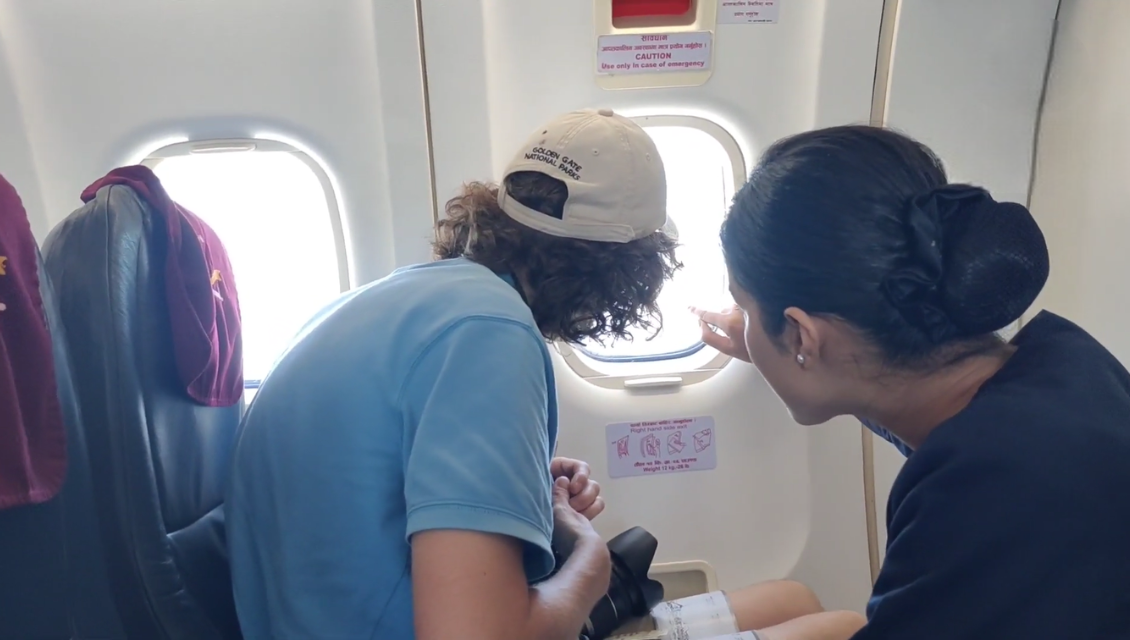
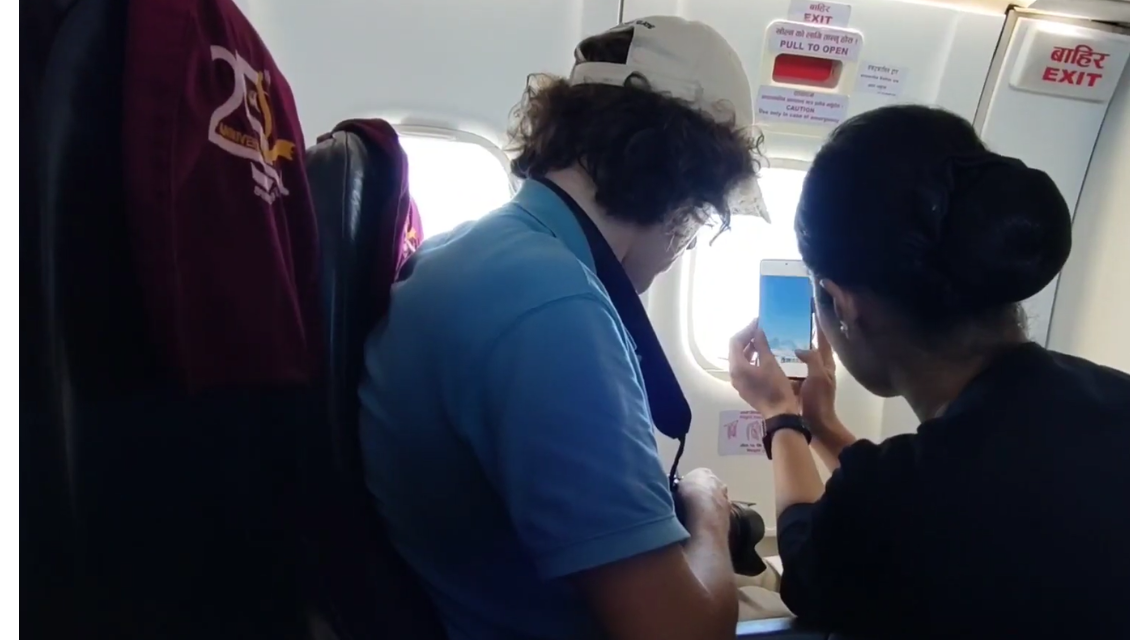
- Guaranteed window seat for all passengers
- Scenic flight over Langtang and Rolwaling Himalayan ranges
- Panoramic views of Makalu, Lhotse, Nuptse, and Ama Dablam
- Fly over Sagarmatha National Park (UNESCO World Heritage Site)
- Close-up glacier and icefall views from the air
- Professional pilot commentary during the flight
- Safe, comfortable, and time-efficient Himalayan experience
- Same-day return to Kathmandu
Day-by-day itinerary
-
Early Morning: Hotel Pickup & Airport Transfer
Early in the morning (around 5:30–6:30 AM), our representative will pick you up from your hotel in Kathmandu and transfer you to Tribhuvan International Airport Domestic Terminal. Early departure is essential to ensure the best weather conditions and clear Himalayan visibility for the mountain flight experience.
Upon arrival at the airport, you will complete check-in procedures and receive a short briefing from the airline staff regarding safety instructions and seating arrangements. Each passenger is guaranteed a window seat for optimal mountain viewing.
Flight Departure from Kathmandu (1,400 m)
The aircraft takes off from Kathmandu Valley, heading east toward the Himalayan region. Soon after departure, passengers are treated to spectacular aerial views of the Kathmandu Valley, including terraced hills, rivers, traditional settlements, and surrounding green landscapes.
As the flight ascends, the scenery gradually transitions into the Langtang Himalayan range. On clear days, passengers can clearly view snow-capped peaks such as Langtang Lirung, Ganesh Himal, Dorje Lakpa, and Gauri Shankar.
Scenic Himalayan Flight Route
The aircraft continues along the eastern Himalayan corridor, offering uninterrupted panoramic views of Nepal’s most dramatic mountain landscapes. Key highlights along the route include:
- Langtang Himalayan range
- Rolwaling Himalayan range
- Deep river valleys carved by glacial systems
- Remote mountain villages and ridge settlements
- Sacred landscapes within the Himalayan belt
During the flight, the pilot or onboard crew provides live commentary, identifying mountain peaks and explaining geographical features along the route.
Everest Region Flyover Experience
As the aircraft approaches the Khumbu region, the landscape becomes increasingly rugged and alpine. This region lies within Sagarmatha National Park, a UNESCO World Heritage Site known for its glaciers, icefalls, and high-altitude wilderness.
Passengers enjoy breathtaking views of iconic Himalayan peaks, including:
- Mount Everest (8,848.86 m)
- Lhotse (8,516 m)
- Nuptse (7,861 m)
- Ama Dablam (6,812 m)
- Makalu (8,485 m – visible on clear weather days)
The combination of massive snow peaks, deep valleys, and glacial formations creates one of the most spectacular aerial experiences in the world.
Return Scenic Flight to Kathmandu
After completing the mountain viewing segment, the aircraft begins its return journey to Kathmandu along the same scenic route. During the return flight, passengers can enjoy:
- Continuous Himalayan views from a different angle
- Changing landscapes from high mountains to mid-hills
- Rivers, forests, and terraced farmlands below
- Final panoramic views of the Everest region
Arrival in Kathmandu
Upon landing at Tribhuvan International Airport, you will be transferred back to your hotel by private vehicle. The rest of the day is free for relaxation, personal activities, or sightseeing in Kathmandu.
Your Everest Scenic Mountain Flight experience concludes with unforgettable memories of the world’s highest peaks viewed from the sky.
What’s included
Cost includes
Flight Services
- Fixed-wing scenic mountain flight (Kathmandu – Everest Himalayan range – Kathmandu)
- Experienced licensed pilots with high-altitude flying expertise
- Fuel charges and all aviation operational costs
- Standard flight duration (approx. 50–60 minutes scenic loop flight)
Airport & Ground Services
- Hotel pickup and drop-off in Kathmandu by private vehicle
- Domestic airport transfers (Kathmandu domestic terminal)
- Airport taxes and applicable aviation service fees
- Ground handling and passenger coordination support
Safety & Operational Support
- Pre-flight briefing and safety instructions by airline staff
- Weather monitoring and flight coordination service
- Emergency communication and aviation safety protocols
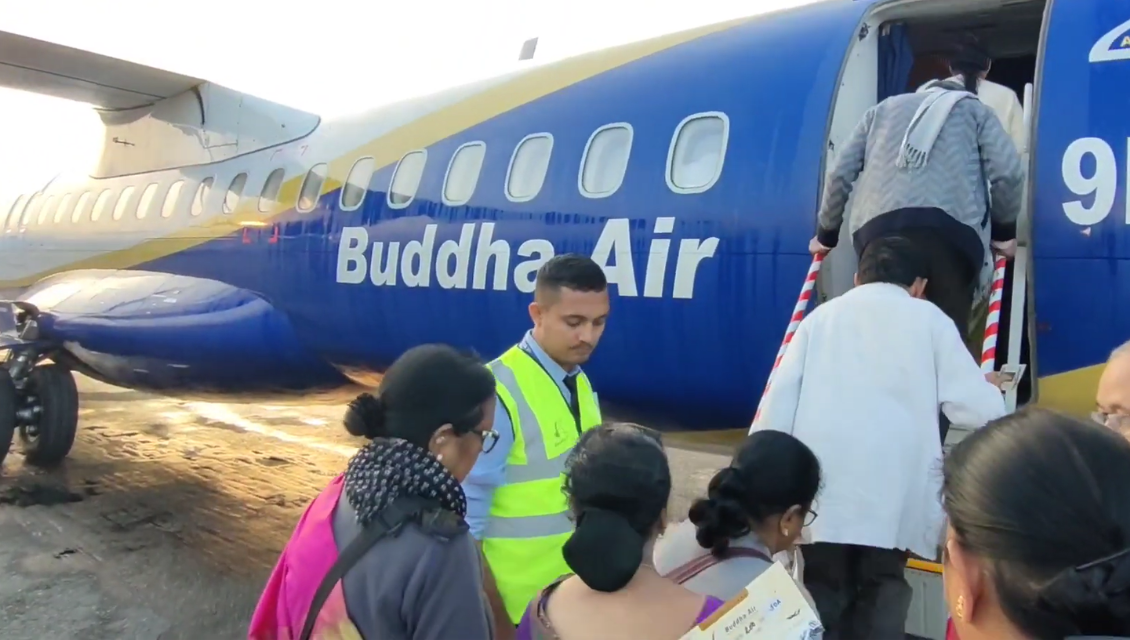
- Assistance throughout check-in and boarding process
Crew & Assistance
- Professional airline crew and cockpit support
- Airport assistance staff at Kathmandu domestic terminal
- Customer support throughout the flight experience
Cost excludes
International Travel
- International airfare to and from Nepal
- Nepal visa fees (available on arrival or embassy)
Personal Expenses
- Meals and beverages during the tour
- Personal shopping, souvenirs, and tips
- Hotel accommodation in Kathmandu (unless included in package)
- Wi-Fi, laundry, and other personal services
Insurance
- Travel insurance (strongly recommended) covering medical emergencies
- Trip cancellation or delays
- High-altitude travel coverage (as applicable)
Optional Services
- Business class / VIP seat upgrade (if available)
- Extra legroom or premium window seat requests
- Professional photography or videography services
- Private charter scenic flight option
Weather & Operational Conditions
- Costs due to flight delays or cancellations caused by weather
- Additional accommodation if rescheduling is required
- Any extra transport due to unforeseen aviation disruptions
Photos & video
Dates & prices
Private departures run on any date. Pick the start date that suits you and we will build the trip around it — same price, your own guide and team.
Good to know
Essential information
Duration
Total experience: 2–3 hours (including airport formalities)
Flight duration: approximately 50–60 minutes
Route & Flight Path
Typical Everest scenic flight route:
Kathmandu → Langtang Range → Gauri Shankar → Everest Region → Fly past Mount Everest → Return to Kathmandu
Key highlights during the flight:
- Langtang Himalayan range
- Dorje Lakpa and Shishapangma (weather dependent)
- Gauri Shankar Himal
- Everest, Lhotse, and Nuptse massif
- Makalu and Cho Oyu (visibility dependent)
Close fly-past view of Mount Everest for photography
Aircraft Type
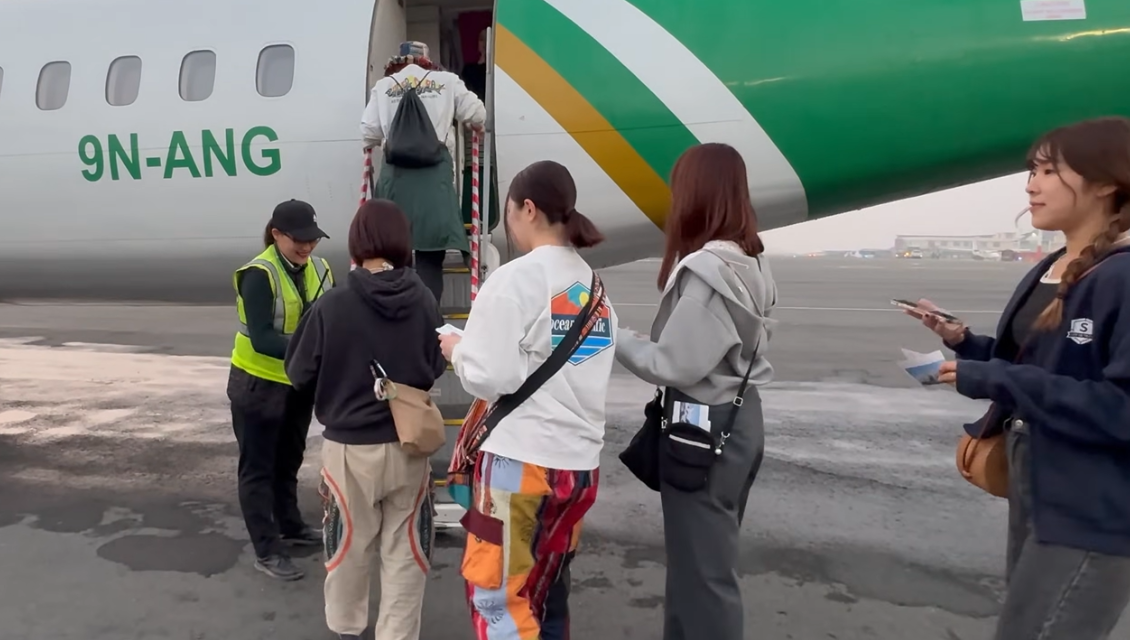
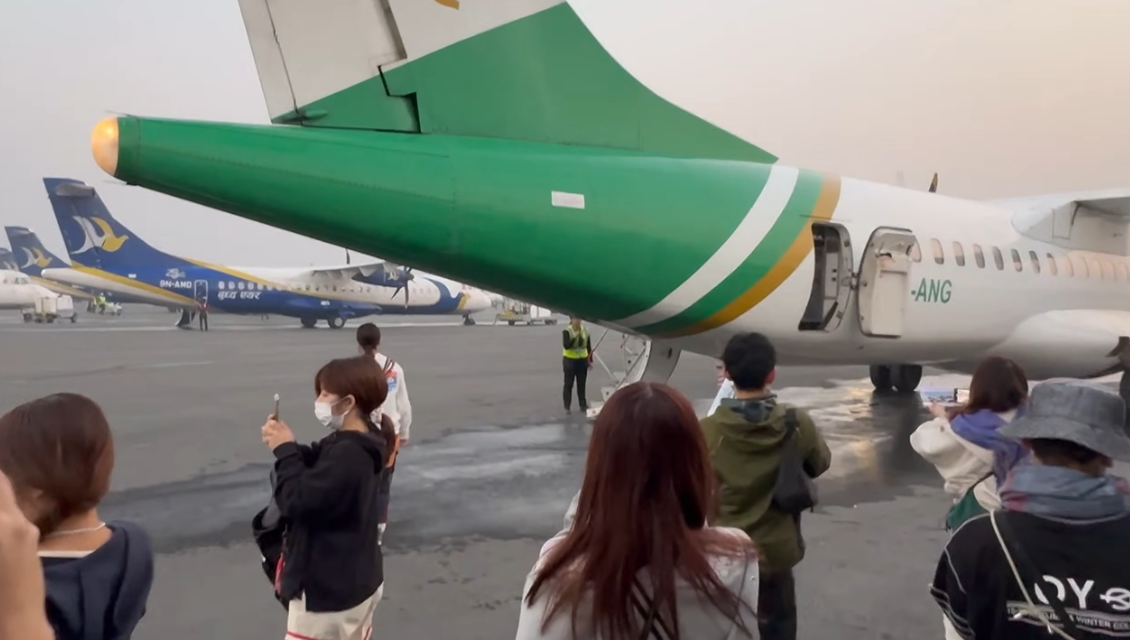
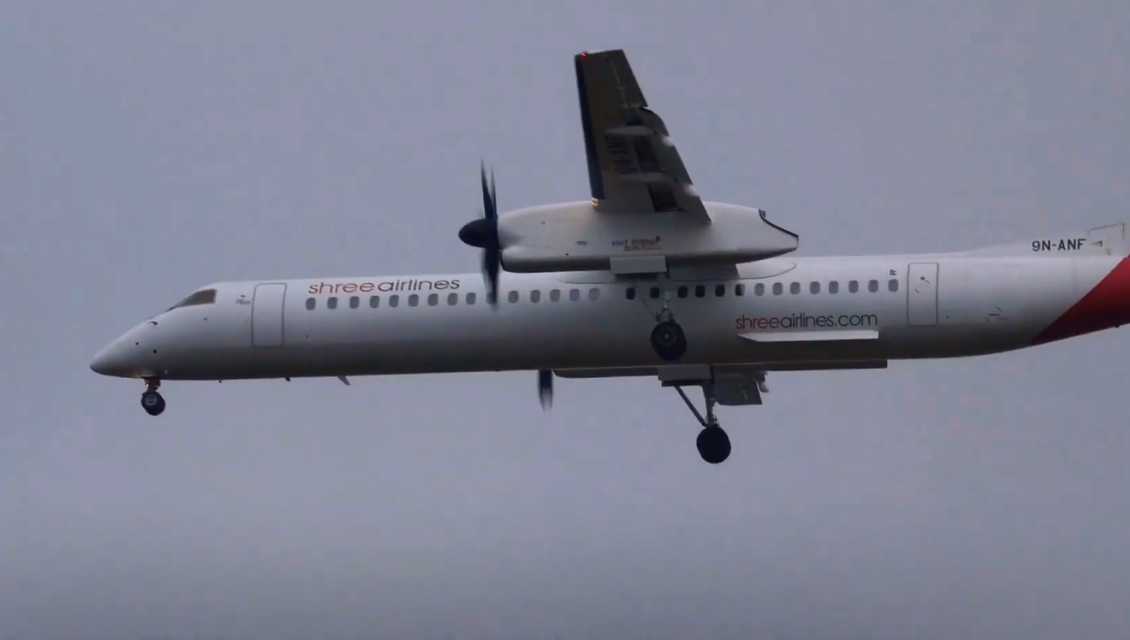
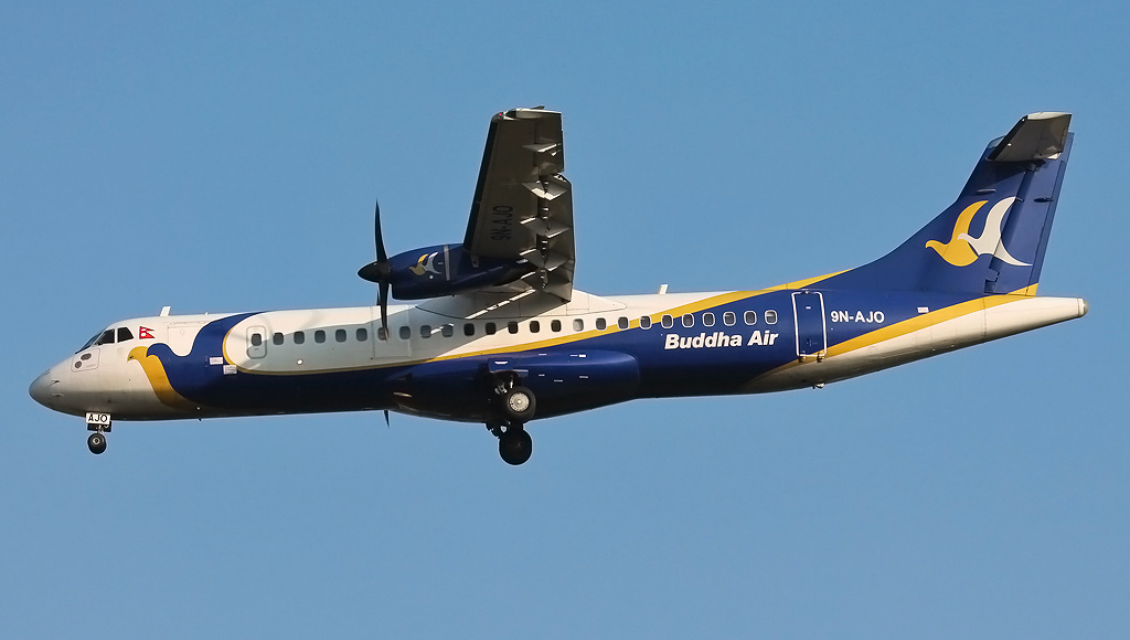
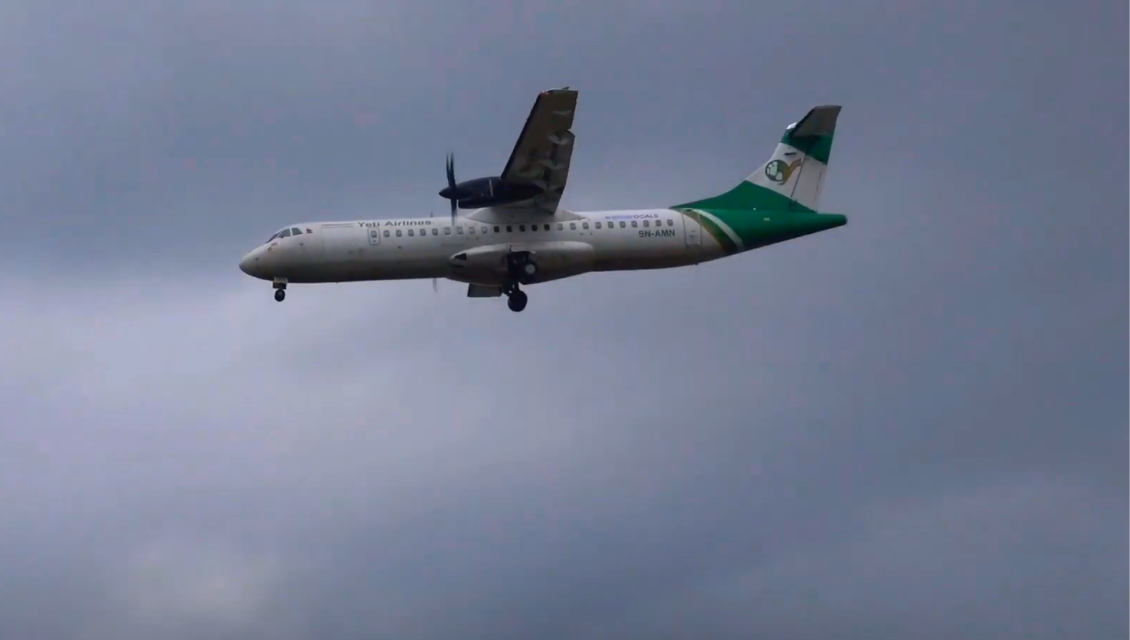
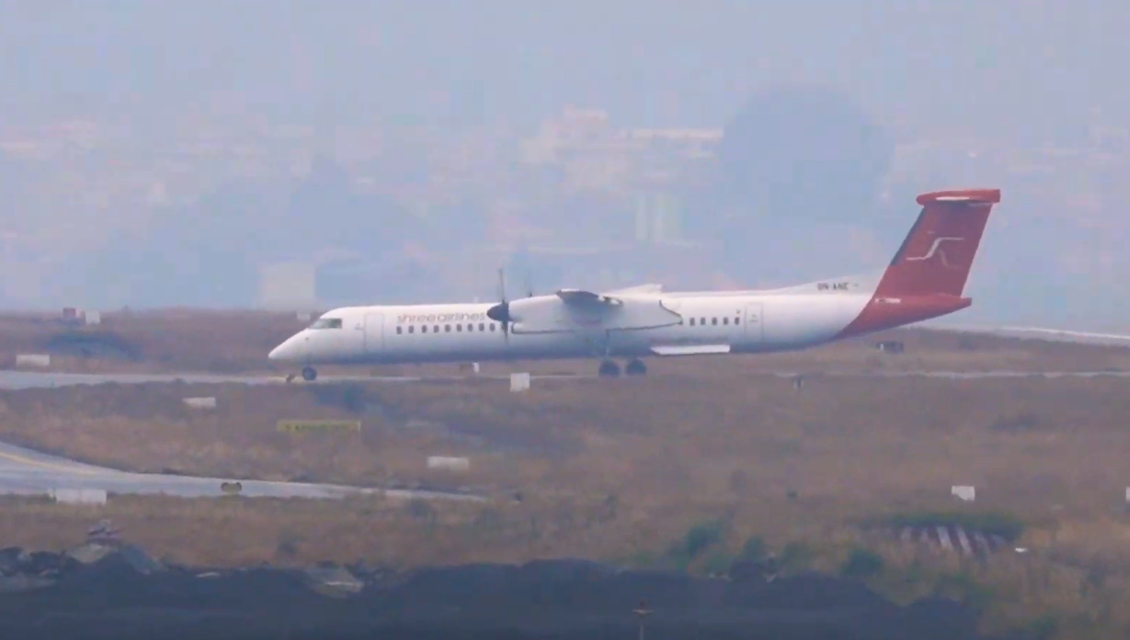
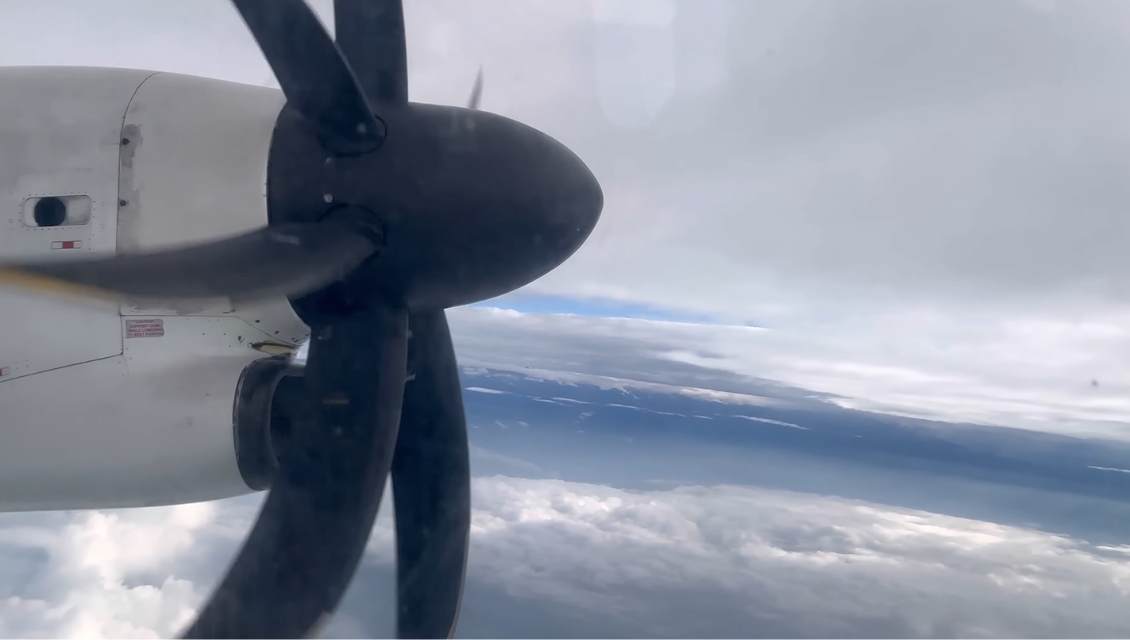
Flights are operated using pressurized fixed-wing aircraft such as:
- ATR 42 / ATR 72 (depending on airline)
- Twin Otter (select operators)
Key features:
- Guaranteed window seats for all passengers
- Stable cruising for mountain viewing
- Designed for high-altitude flight operations
Difficulty & Physical Requirements
This is a very easy and comfortable experience, suitable for all age groups.
- No physical fitness required
- No altitude exposure risk (safe cruising altitude)
- Suitable for children, seniors, and families
Best Season
- March–May: Clear skies and excellent visibility
- September–November: Best overall season with sharp mountain views
- December–February: Crisp winter air and excellent visibility (cold mornings)
- June–August: Monsoon season; possible delays and reduced visibility
Early morning flights offer the highest chance of clear Himalayan views.
Safety & Operations
Everest scenic flights operate under strict aviation safety standards:
Key points:
- Flights are fully weather dependent
- Departures may be delayed or rescheduled due to cloud cover
- Pilots are highly experienced in mountain flying conditions
- Airlines follow strict safety regulations for high-altitude routes
Permits
No trekking permits are required for this experience. However:
- Airport security clearance is required at Tribhuvan International Airport
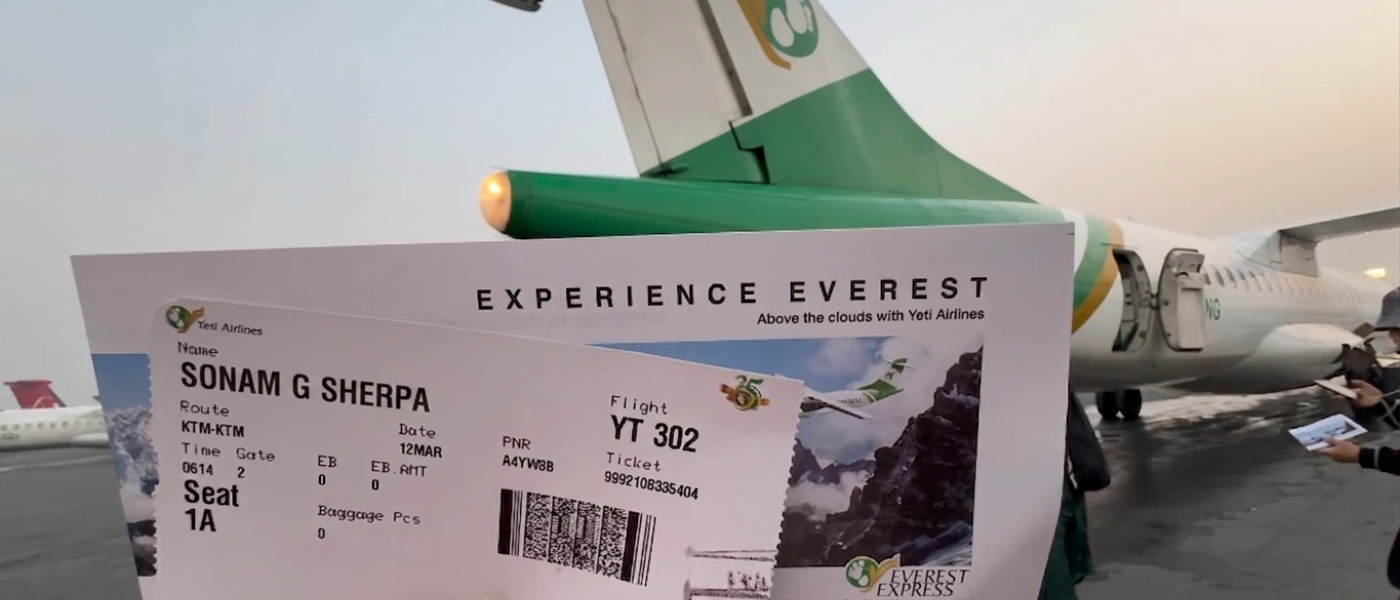
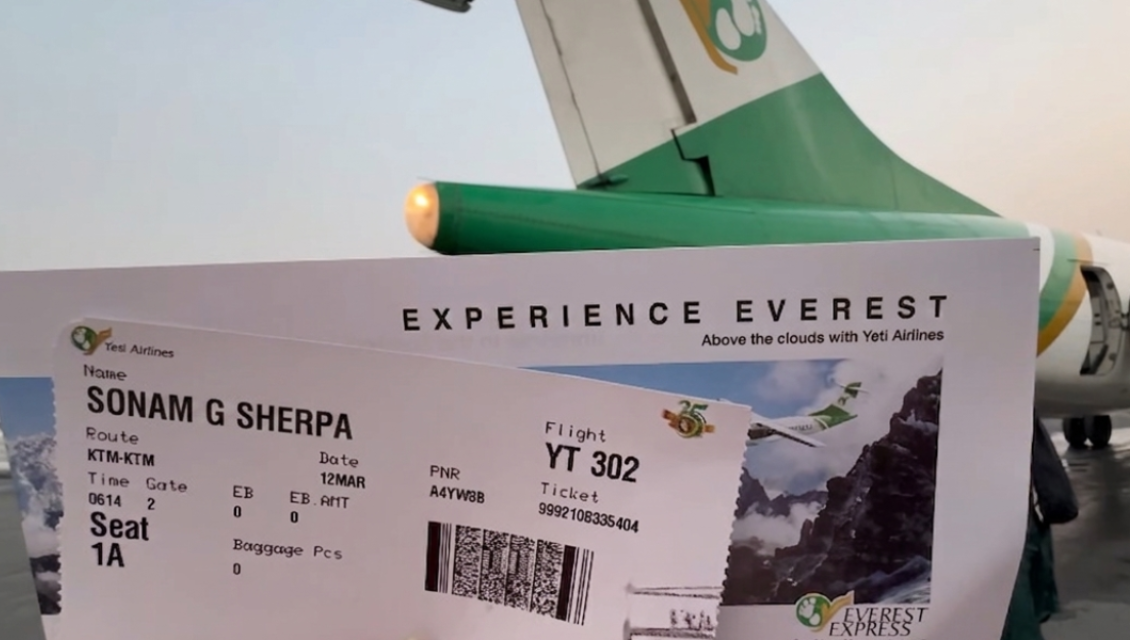
- Boarding passes and tickets are issued by the airline
Meals
- No meals are included as standard
- Light refreshments may be provided depending on airline
- Flights are typically scheduled after hotel breakfast
Additional information
Seating & Viewing
- All passengers are guaranteed window seats
- Aircraft may rotate seating orientation for optimal viewing
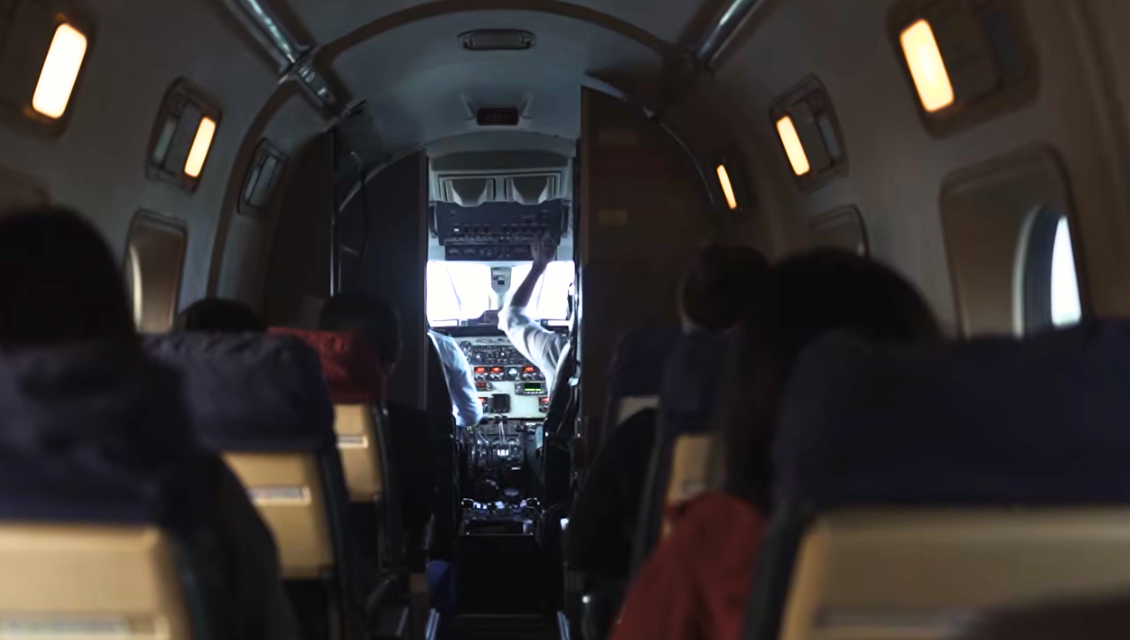
- Occasional cockpit viewing of Everest may be offered (weather and airline dependent)
Cultural & Natural Highlights
This scenic flight offers views of:
- Mount Everest – the highest peak on Earth
- Lhotse, Makalu, and Cho Oyu
- Dramatic glacier systems and deep Himalayan valleys
- Remote eastern Himalayan landscapes
- Sagarmatha National Park from the air
Essential Items to Carry
Recommended:
- Light warm jacket (early morning temperatures are cold)
- Sunglasses (strong glare at altitude)
- Camera or smartphone
- Optional scarf or cap
Communication & Connectivity
- Full mobile connectivity in Kathmandu before departure
- No connectivity during the flight
- Limited Wi-Fi may be available at the airport
Why Choose Everest Scenic Mountain Flight by Fixed-Wing Aircraft?
This is the most convenient and time-efficient way to see Mount Everest:
- Guaranteed aerial view of Mount Everest
- No trekking or physical effort required
- Ideal for short stays in Nepal
- Window seat guaranteed for all passengers
- Perfect for families, seniors, and photographers
- Reliable alternative when trekking is not possible
- One of Nepal’s most iconic sightseeing experiences
Keep exploring